
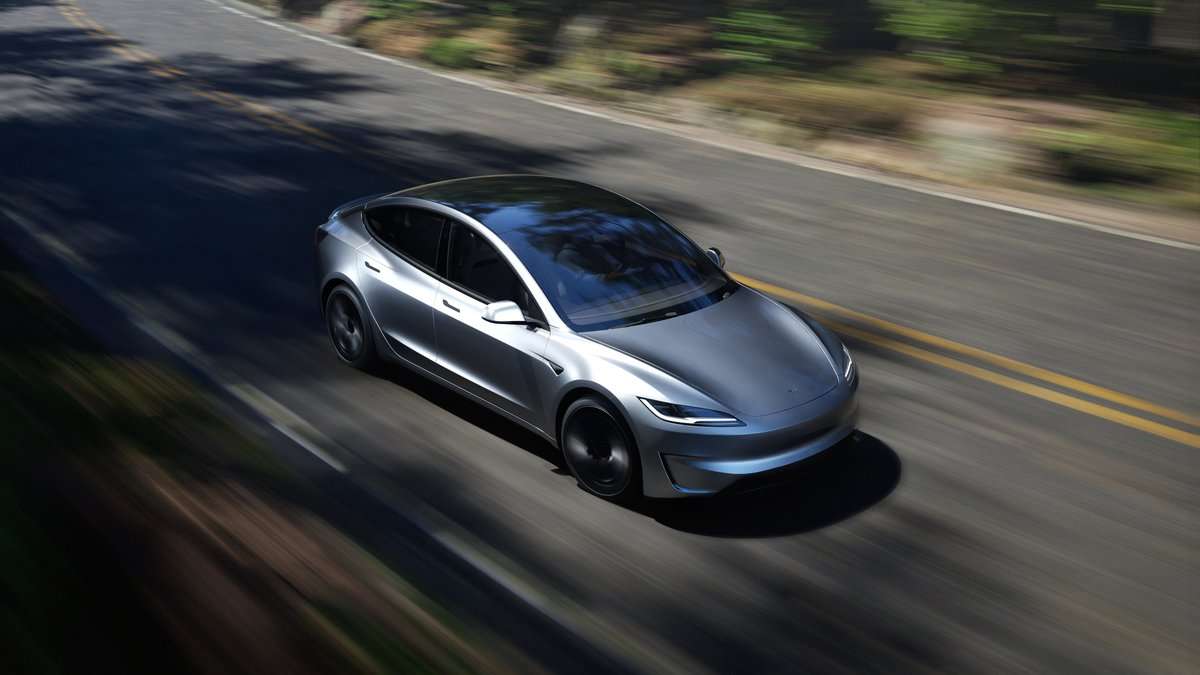

Are EVs truly a cost-saving revolution? Or are they just fancy gadgets with a hidden price tag?
One Reddit user, armed with spreadsheets, has taken it upon himself to track the cost per mile of his Tesla Model 3 and Chevy Bolt against his trusty, old-school Toyota Corolla.
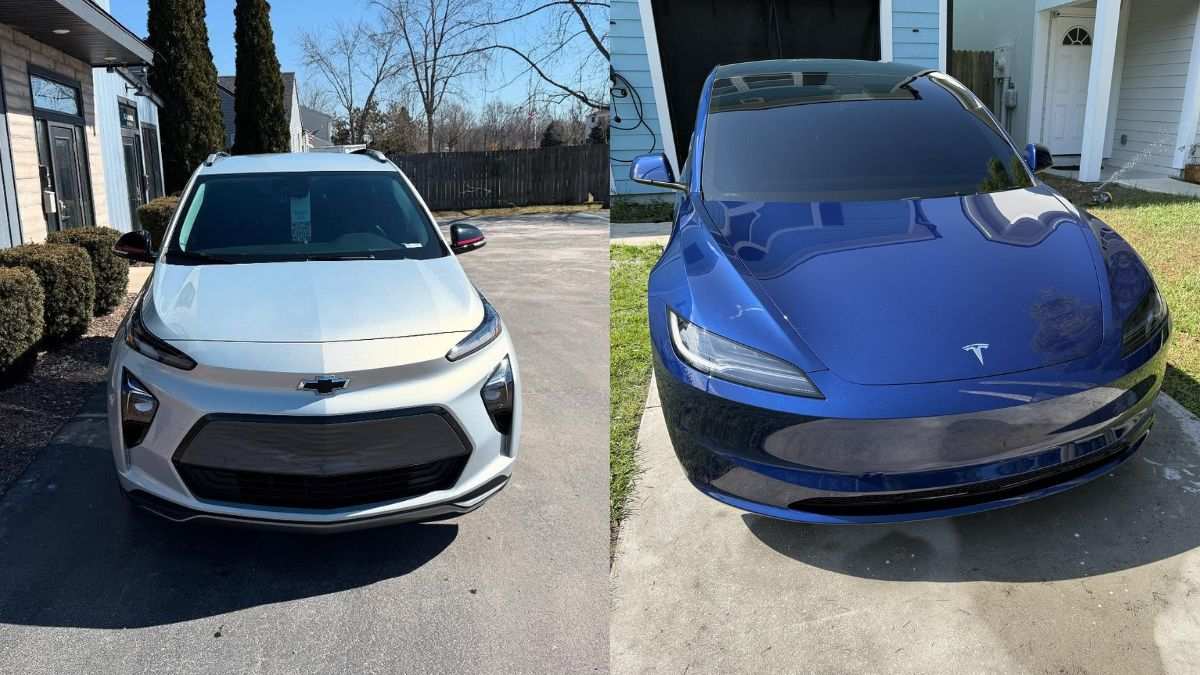
The results are surprisingly counterintuitive, shattering some common EV myths and revealing a few hard truths about the cost of owning an electric car.
50,000-Mile Cost Breakdown of Tesla Model 3 vs. Chevy Bolt vs. Toyota Corolla
Erv, shared some insights and data on r/electricvehicles after driving 50,000 miles across a Tesla Model 3 and Chevy Bolt EUV. The kicker? His old Toyota Corolla still beats them both in one crucial metric.
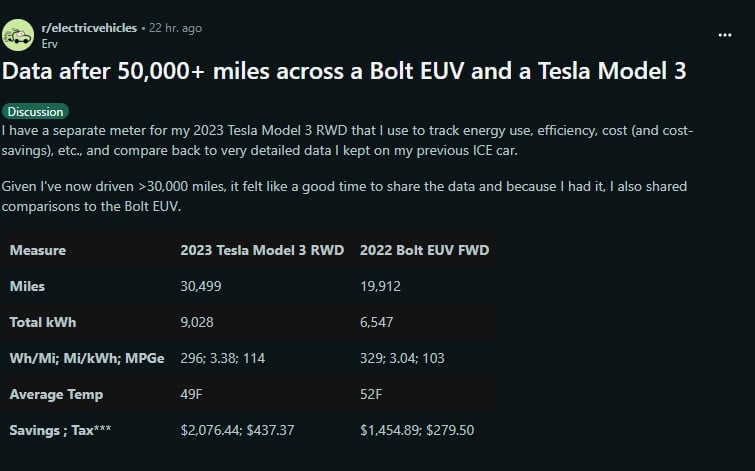
"I have a separate meter for my 2023 Tesla Model 3 RWD that I use to track energy use, efficiency, cost (and cost-savings), etc., and compare back to very detailed data I kept on my previous ICE car.
Given I've now driven >30,000 miles, it felt like a good time to share the data, and because I had it, I also shared comparisons to the Bolt EUV.
*I benchmarked the fuel costs against my prior car, a Toyota Corolla, which got 33.17 mpg over the 100,000+ miles I tracked it, and I also benchmarked against current gas prices, which in my area have been roughly $3/gallon, but I am using nuanced monthly averages for my state. I also bake in a $30 oil change per 5,000 miles as "fuel".
**I also calculated the portion of my savings that is due to taxes I'm not paying at the pump (0.285+0.184 per gallon) - which is relevant politically given we can expect a $250/year EV surcharge to attempt to "close that loophole", which for me, looks to be "fair" if it were state + federal, but just being federal and combined with my state's surcharge ($75), it is not.
I have insurance, tabs, depreciation, maintenance, as well but wanted to focus on "fuel". Those costs are all higher than the Corolla due to the Tesla (and Bolt) being much newer cars (and fully insured instead of minimally insured), and the heightened costs do offset the fuel savings for now. I'll be curious to see over 100,000+ miles how the total cost to own tightens up and I expect the Tesla to win out.
Advertising
Currently, depreciation/any cost of the vehicle, the Tesla is already winning at 15c/mile vs. the Corolla's 16c/mile due to the cheaper maintenance and fuel despite the higher insurance and tabs. But taking into account depreciation changes, that comparison to $0.34 vs. $0.20 in favor of the Corolla, for now. Which is a price I'm comfortable paying for enhanced safety, comfort, etc.
EFFICIENCY
Because it's always interesting to discuss - this is my "efficiency" based on the electricity I am actually paying for, so it includes losses (and I am adding in charging away from home, but that's been extremely minimal). The Tesla itself reports a different number: 239 Mi/kWh (vs 296), which is partially due to losses and partially due to the car not reporting preconditioning. Similarly, the Tesla app says 8,771 kWh charged vs. I have logged 9,028 (a 3% variance), which tells me the 20% variance on Mi/kWh is primarily preconditioning and not charging losses, which is surprising given I do not precondition very frequently and I do not use Sentry. I charge L2."
Tesla Model 3 vs. Chevy Bolt EUV: Performance, Range, and Space Comparison
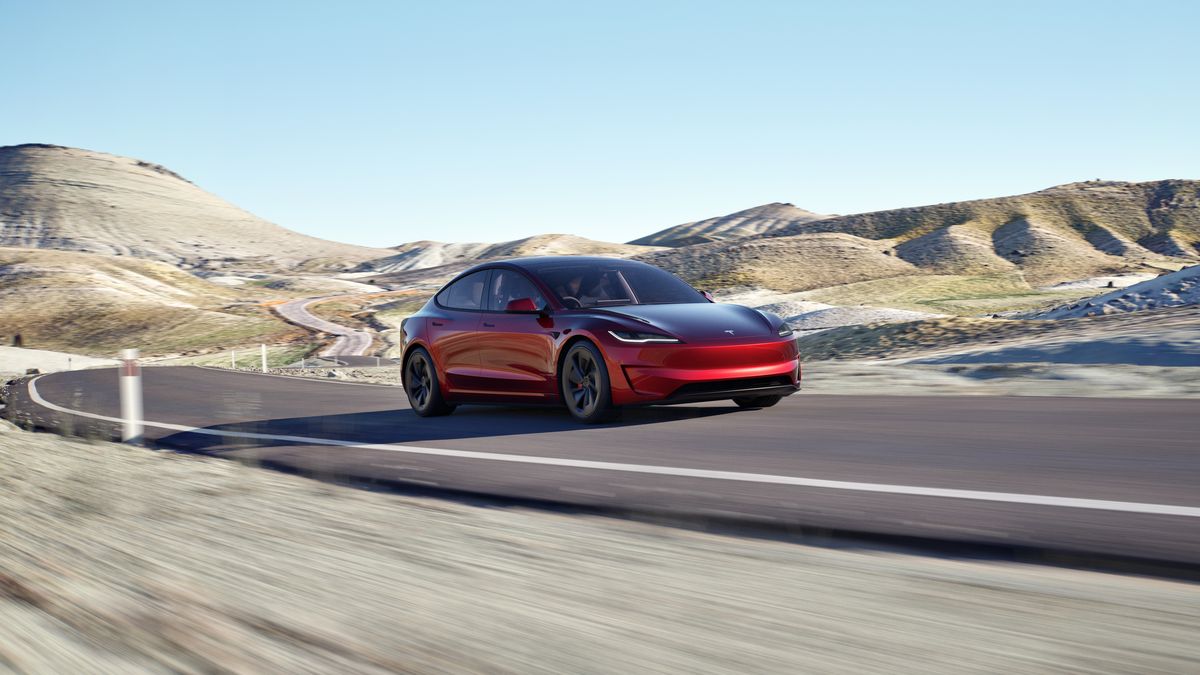
- The Tesla Model 3 offers a dual-motor all-wheel-drive system producing 460 horsepower, achieving 0–60 mph in 2.9 seconds, with an EPA-estimated range of up to 342 miles. In contrast, the Chevrolet Bolt EUV features a single front-mounted motor delivering 200 horsepower, reaching 0–60 mph in approximately 7 seconds, and provides an EPA-estimated range of 247 miles.
- The Model 3, a compact sedan, offers 97 cubic feet of passenger volume and 24 cubic feet of cargo space. The Bolt EUV, a subcompact crossover, provides similar passenger volume at 97 cubic feet but offers slightly less cargo space at 16.3 cubic feet.
- Tesla's Model 3 includes a minimalist interior with a 15-inch touchscreen interface, advanced driver-assistance features, and access to Tesla's Supercharger network. The Bolt EUV comes equipped with Chevrolet's infotainment system, supports Apple CarPlay and Android Auto, and offers GM's Super Cruise hands-free driving technology on compatible roads.
- The 2025 Tesla Model 3 starts at approximately $42,490, positioning it in the premium EV segment. The Chevrolet Bolt EUV offered a more affordable entry point, with prices starting around $27,800, making it one of the most budget-friendly electric vehicles available at the time of its release.
Erv, in the kind of methodical tone that could make an actuary swoon, detailed everything: kilowatt-hours, miles per gallon equivalent (MPGe), oil changes priced to the penny, and even the political nuances of gas taxes and EV surcharges.
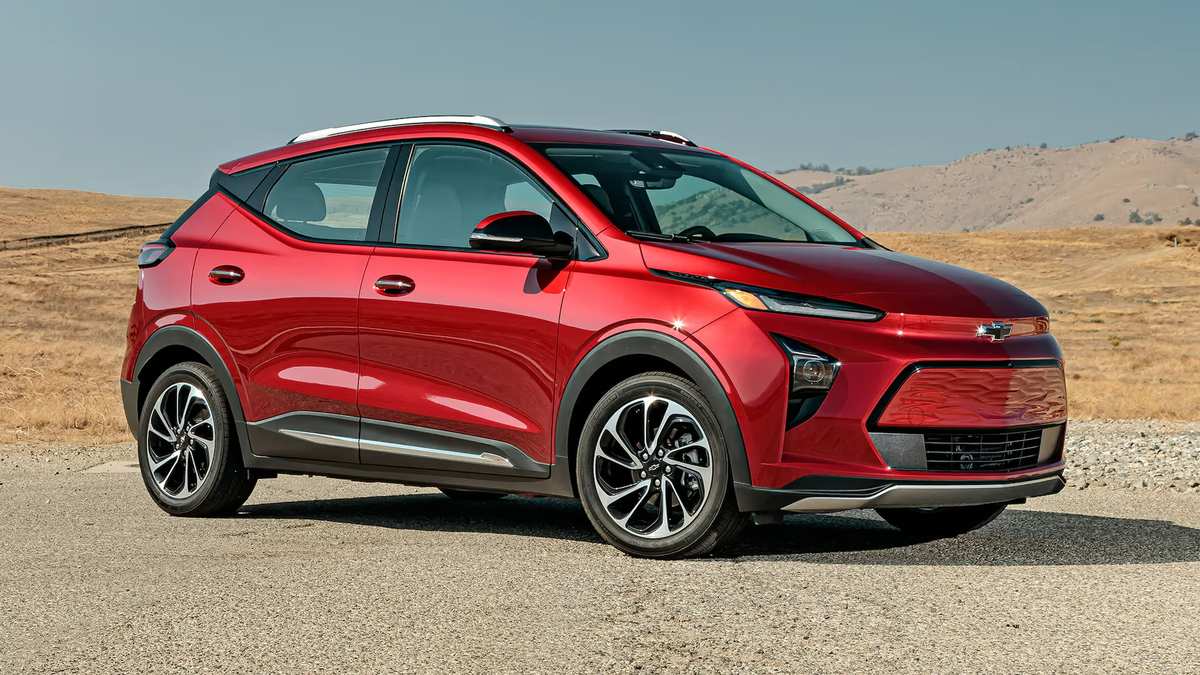
According to his logs, the Model 3 RWD clocked in at 15 cents per mile in fuel and maintenance. The Bolt? Slightly worse. But even those figures paled next to his dearly departed Corolla, which, once depreciation was factored in, ran just 20 cents per mile overall. The Tesla ballooned to 34 cents. That’s not a minor difference.
Depreciation and Maintenance, How Reddit Users React to True EV Ownership Costs
The Reddit horde, predictably, pounced. One commenter, Hsaphoto, praised the inclusion of depreciation: the forgotten financial bogeyman. Another, neutralpoliticsbot, scoffed at the $30 oil change estimate with a sarcastic “$30 oil change where?”, the internet equivalent of flipping a table.
Erv held the line, citing years of discount coupons and standard oil. Welcome to Reddit, where every car becomes a case study and every assumption gets litigated like a class-action suit.
Beyond the Spreadsheet, User-Reported Efficiency and Cost Highlights from Bolt and Hybrid Owners
One Bolt owner, Low_Thanks_1540, bragged about getting 5.1 mi/kWh in Detroit, averaging just 3 cents per mile. Another user brought their Ford Maverick hybrid into the ring, reporting a paltry $0.129 per mile in operating costs. Suddenly, the Model 3's efficiency crown didn’t feel quite so regal.
The Tesla still wins where it matters to many, comfort, safety, and long-term efficiency. It delivered 114 MPGe versus the Bolt’s 103, despite colder temps and nearly 11,000 more miles logged. And with LFP batteries under the floorboards and a 239 mi/kWh efficiency reported by the car itself (after adjusting for preconditioning losses), the Model 3 proved not only cost-effective but technologically superior. As one user noted, “It’s well documented that the Tesla Model 3 RWD is more efficient than a Bolt with all things being equal.” The key phrase is that all things being equal, which in the real world, they rarely are.
MPGe Demystified, How EPA’s Miles-Per-Gallon-Equivalent Rating Works for EV Buyers
- MPGe is determined by equating the energy content of electricity to that of gasoline. Specifically, 33.7 kilowatt-hours (kWh) of electricity is considered equivalent to one gallon of gasoline. To calculate MPGe, the distance an electric vehicle can travel on 33.7 kWh is measured, allowing for a comparison with traditional miles-per-gallon (MPG) ratings of gasoline vehicles.
- MPGe was introduced to provide consumers with a familiar metric to compare the energy efficiency of electric vehicles (EVs) to that of internal combustion engine vehicles. By translating electric energy consumption into a gasoline-equivalent format, it aims to simplify the decision-making process for potential EV buyers.
- While MPGe offers a standardized measure, it doesn't account for various real-world factors such as driving habits, terrain, climate conditions, and accessory usage (like air conditioning), all of which can significantly impact an EV's actual efficiency. Consequently, two vehicles with similar MPGe ratings might perform differently under everyday driving conditions.
- MPGe focuses solely on the energy consumed by the vehicle during operation, neglecting the efficiency and environmental impact of electricity generation and transmission. For instance, electricity produced from renewable sources has a different environmental footprint compared to that generated from fossil fuels, but MPGe does not differentiate between them.
Still, the most revealing part of this Reddit saga was the emotional math. Erv knows his Tesla costs more. He admits it. But he’s comfortable paying that premium for the intangible upgrades, refined ride, cleaner footprint, and the sense that he’s driving the future. That, right there, is the fine print most car reviews miss. We’re not always chasing the cheapest ride. Sometimes, we’re chasing the one that feels right. Even if it costs 14 cents more per mile.
Shifts in Car Ownership
So what does this all mean? It means the automotive world is no longer defined solely by horsepower and leather trim. It’s defined by kilowatt-hours, tax credits, and Reddit threads that dissect your every mile like a neurosurgeon studying a brain scan.
The EV revolution forces you to confront what you value, numbers or nuance, cost or conscience. And if you’re still wondering whether to switch, don’t just take it from the marketing brochures. Sit down with the math geniuses in the back booth of Reddit and let them show you what owning an EV actually costs.
Because in the end, the Tesla might feel like the future, the Bolt might get you there frugally, and the Corolla? That humble little gas-sipper might still be the most honest ride of all.
Have you done your own cost breakdown on EV ownership versus your previous ICE vehicles? What unexpected costs or savings did you encounter? Share your experiences with us in the comments!
Image Sources: Tesla Media Center, Chevy Newsroom, KBCustoms Facebook Page, Joseph L Young Sr. Facebook Page
Noah Washington is an automotive journalist based in Atlanta, Georgia. He enjoys covering the latest news in the automotive industry and conducting reviews on the latest cars. He has been in the automotive industry since 15 years old and has been featured in prominent automotive news sites. You can reach him on X and LinkedIn for tips and to follow his automotive coverage.
Set Torque News as Preferred Source on Google
Follow us today...






Comments
Makes no sense to compare…
Permalink
Makes no sense to compare the depreciation of a new vehicle, to that of an old one which has already depreciated by most of it's value. Also, insurance would obviously be higher in the newer vehicle which has a much higher value. If you compared to a Toyota of the same year, the Tesla wins. Have fun driving your old piece of junk though and sacrificing the comfort, speed and convenience of a newer Tesla.
Good point! comparing…
Permalink
In reply to Makes no sense to compare… by John (not verified)
Good point! comparing similarly aged cars would definitely be more accurate. Thanks for sharing that insight!
Why are people scoffing at a…
Permalink
Why are people scoffing at a $30 oil change? I buy a 5 quart jug of Mobil 1 0w30 full synthetic for 25 bucks at Walmart and a $10 filter... That puts me at $35 plus tax for a full synthetic diy oil change. If I went with synth-blend or conventional oil I could easily do it for under $30, and that's not even switching to a cheaper filter.
Absolutely! Shop prices can…
Permalink
In reply to Why are people scoffing at a… by Sentient Futon (not verified)
Absolutely! Shop prices can be pretty high so DIY is a great way to cut costs.
Gas is cheap. No one should…
Permalink
Gas is cheap. No one should be surprised when gas is so cheap. The long-term inflation-adjusted average is over $4.20 a gallon.
For sure! Long term prices…
Permalink
In reply to Gas is cheap. No one should… by kjmc (not verified)
For sure! Long term prices really change the EV equation. Glad it helped! Are you gonna switch?
You must factor in battery…
Permalink
You must factor in battery replacement for those that own a vehicle long enough to incurr that cost. This especially applies to purchasers of used vehicles.
I own a M3. After reading,…
Permalink
In reply to You must factor in battery… by CB (not verified)
I own a M3. After reading, the title feels like clickbait. Writers these days seem to have no problem spouting off—any publicity is good publicity, even if their facts or conclusions are off. I charge my car at 7.5 cents a Kwh. Insurance is high but my tires are no different than my ICE cars. And I get at least 40K easy. I’ve spent too much time already on this garbage.
Sorry you felt it was…
Permalink
In reply to I own a M3. After reading,… by Matt (not verified)
Sorry you felt it was misleading! Your rates and experience sound way better than mine.
This is not garbage (if it…
Permalink
In reply to I own a M3. After reading,… by Matt (not verified)
This is not garbage (if it were why would you bother to respond?????) He made the article because that is at least part of his income stream. Which vehicle is he trying to give publicity to? I did a Google search. The lowest states energy rates per kw hr were barren wasteland like North Dakota, Nebraska, Idaho, and Montana. If you are getting rates under 8 cents per kw hr you have some of the lowest rates in the nation. This only applies to the smallest handful of Americans. Also compare my 2003 Toyota Avalon (assume 21mpg with only city miles) i paid $4,400 with just under 112.000 miles against the cheapest model 3. I have spent less than $2,500 including oil changes, timing belt/ water pump, cam and crankshaft seals, radiator replacement, oil changes. We can't afford to buy a house. This can be debated until the end of time. I owned a home and the expenses seemed never ending. So if you don't own a home why would it make any sense for a renter to purchase an EV? All the wasted time driving to a supercharging station and charging. Then the extra cost associated with not being able to charge at home. In Texas I have not paid over $3.00 per gallon regularly since the pandemic. If you want an EV or Tesla in particular, just grow a set and day you want one. It may become cheaper than an ICE vehicle one day, but that will be in the future. Since you are the math wizard lmk how many hundred thousand miles more I will have to drive before your car becomes cheaper than mine and tell yourself that you pay less for your home than we will pay in rent.
Exactly! Battery replacement…
Permalink
In reply to You must factor in battery… by CB (not verified)
Exactly! Battery replacement can be a big wildcard for used EVs. Good to keep that in mind for the long run.
The initial cost of the…
Permalink
The initial cost of the vehicle is the most important factor in determining depreciation. I paid $18,200 for my Bolt EUV after federal and Oregon rebates of $10,000. Oregon has no sales tax too. Using that data will clearly demonstrate that the Bolt costs considerably less.
In real time, depreciation is non-existent because I can sell my Bolt today for more than I paid for it.
Also, the comparison of the Corolla is inaccurate unless you calculate depreciation only for the same number of years as the other two cars.
FYI, I spent 36 years in the vehicle leasing business and understand transportation cost management.
For sure! Turning a profit…
Permalink
In reply to The initial cost of the… by Joseph Mckinney (not verified)
For sure! Turning a profit like that is ideal. Really solid breakdown on how you got there too.
No accounting for CAPEX. No…
Permalink
No accounting for CAPEX.
No accounting for fixed costs such as insurance, registration and parking (even if you park in a garage at home, the square footage of that garage was paid for with the purchase of the house and is a fixed cost specifically for housing the vehicle)
You fail economics 101.
Oh right! those overlooked…
Permalink
In reply to No accounting for CAPEX. No… by Keith Moon (not verified)
Oh right! those overlooked costs make a big difference. Thanks for pointing that out
So I live in Vancouver…
Permalink
So I live in Vancouver Canada and have been driving a chevy bolt for just over 4 years now. On average I drive approximately 65000 km a year. In the old system that's about 45000 miles a year. Now in Vancouver we pay the highest gas prices in North America. So I averaged my cost out at 8.9 liters per hundred because that's what my gas car gets. I used a price of 1.88 per liter and theres 3.8 liters in an American gallon. I take away the cost of charging and and I come out with over 40k in savings versus gas. Maintenance has basically been non existent. The cost savings of an ev becomes apparent if yiu drive a lot. I recently met someone that has over 500000 km on his model 3 and a woman that has over 40000 in 6 months on her vw id4.
Wow $40K is huge! High…
Permalink
In reply to So I live in Vancouver… by david john weber (not verified)
Wow $40K is huge! High mileage and pricey gas really highlight the EV advantage. Thanks for sharing!
Your whole article misses…
Permalink
Your whole article misses the point between fueled vs electric vehicles. It’s not about costs. It’s about getting away from internal combustion engines and the smog and smoke and pollution and big oil companies controlling the world
I find it great that the cost of ev ownership is slowly becoming comparable to gas ones. This will make it easier to transition once the world hatches on to the fact we have to move away from pollutants. Ty
Absolutely! costs are easier…
Permalink
In reply to Your whole article misses… by William Newsome (not verified)
Absolutely! costs are easier to track but the environmental impact is a huge part of the story too. Appreciate the reminder!
Keep polluting the air to…
Permalink
Keep polluting the air to save a couple extra bucks. The polluted air will still be around when your dead and your money will mean nothing.
I added PV to my house when…
Permalink
I added PV to my house when I bought my EV (BMW i3 - but irrelevant to my comment). Since the cost of the PV pays for itself over some 5-15 years depending on your specifics, I charge my car at home. So, except for maintenance and repairs, my EV costs me zero to drive. Depreciation never enters into my car costs because I keep them until they fall apart. So only the initial cost is relevant. I smile whenever I drive it. It is my commuter car.
Absolutely! Hard to top that…
Permalink
In reply to I added PV to my house when… by fritz (not verified)
Absolutely! Hard to top that combo clean, cost effective, and fun to drive. Love the smile per mile idea.
The price of electricity…
Permalink
The price of electricity compared to the price of gasoline in any one state makes the difference between owning gas verses electric. Electricity costs went up 40% in California last 12 months and EV sales fell since gasoline prices stayed flat
Totally agree! That’s the…
Permalink
In reply to The price of electricity… by Edward Dijeau (not verified)
Totally agree! That’s the ideal EV setup efficient, practical, and smart. Everyone could benefit from something like that!
That article is pure…
Permalink
That article is pure bullshit. I happen to own a Tesla model 3 2021. I don't believe that a Toyota cost over 100,000 miles cost .03 cent per mile and the Tesla cost .15 cent per mile. The facts are being twisted to achieved something that is not true. I charge my car for free everyday at home. My gas bill has gone from about $300 a month to nothing and no my electric home bill has not gone up either.
Totally understand! Having…
Permalink
In reply to That article is pure… by Augusto Leguia (not verified)
Totally understand! Having free charging completely shifts things. My calculations didn’t factor that in so your situation is definitely a big advantage!
you must add the cost to…
Permalink
you must add the cost to replace the main battery per miles to estimate the true cost of ownership .
Exactly! Battery replacement…
Permalink
In reply to you must add the cost to… by jean-claude jean (not verified)
Exactly! Battery replacement is a key expense to keep in mind over time. Thanks for bringing that up!
For now, I'll keep driving…
Permalink
For now, I'll keep driving my gas sipping (38mph, @69,000 miles), 2015 Honda Fit 6-speed. Fun to drive, cheap, gets me there reliably! BUT... I still want a Tesla Model 3, eventually! I'm a Tesla/Elon studying geek, I KNOW the actual truth about all the tech probably far more than most actually UNimformed OPINIONS and I have a balanced view of the pros and cons (but, yes, with some bias as well. We're all susceptible!). People forget (or, rather, have NO clue) about the PROGRESS (key word) EV has been making over the past 20 years, the rate of that progress, and (importantly) where this is all headed, in multifaceted dimensions (particularly Tesla... and it's NOT "just a car company. FAR from it! If you don't know what that means, you really are utterly uninformed 😉 You don't have to be). Owning a car that WILL fully autonomously drive itself will be remarkable and transformative (it IS coming, continual progress is remarkable, compute and AI growth is stunning... and far more reliably and safer than stupid rampant human error WILL be the absolute norm, deaths and injuries slashed. Numbers are numbers, facts are facts, whether someone's emotional rampades like that or not. Austin, June, is just the first twig sprouts of a future forest. They'll nuture those sprouts carefully at first). So, yea, I want that future model 3! I'll still love my Honda... for now 😉 But a Tesla model 3 would be an upgrade in "ride quality". After 63 years of life, hell, I deserve it! 😜 And another thing... $TSLA 🚀 IS coming as well! I'm telling you!! 😁 And I'm no "gullible dummy". Not a brag, but just to substantiate, 140 Stanford-Binet, computer science education (and on the road with Sammy Kershaw 🎹 for decades), numbers and facts cruncher and truth seeker, where EVER that leads. Most of all... regardless of automobiles, just love people!! This current life is a brief, temporary whisp! 💞
Your Honda Fit sounds…
Permalink
In reply to For now, I'll keep driving… by Steve (not verified)
Your Honda Fit sounds awesome! The Tesla will definitely be a nice upgrade when you're ready.