
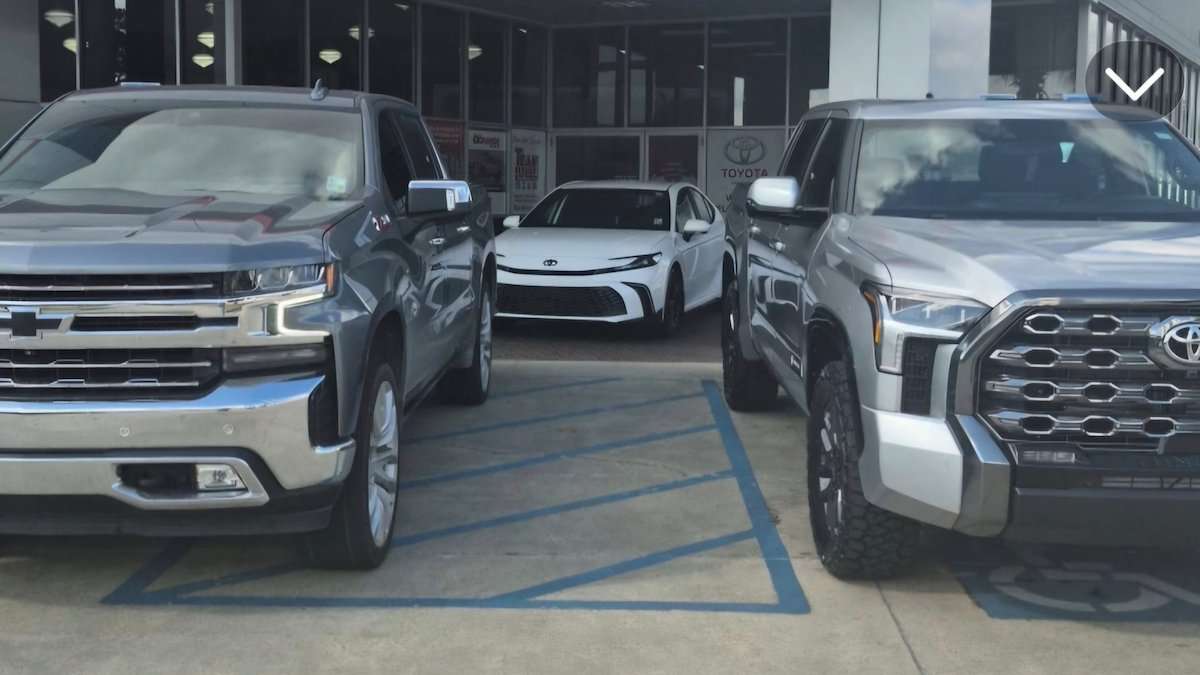

One loyalist just traded a lifetime of Chevy reliability for a $70,000 Toyota gamble, and now he’s losing sleep over what’s under the hood.
Imagine after decades of trusting one brand, you finally pull the trigger on a $70,000 upgrade, only to be met with a wave of headlines that make you question everything. Instead of enjoying that new-truck smell, you're left scrolling through forums in a cold sweat, wondering if your dream pickup is actually a ticking time bomb.
In my recent search into Toyota reliability, I came across a post shared in a Facebook community of Toyota Tundra enthusiasts where John Scruggs highlighted growing concerns about the i-FORCE engine and the staggering financial risk of switching brands.
John says, “I have always been a Chevy Silverado LTZ guy, but decided to swap to the 2026 Toyota Tundra Platinum. Now, I’m terrified that I made a $70K mistake with all the engine issues I see.”
With decades in the automotive industry as a consultant, test driver, and now a Senior Reporter for Torque News, I have seen every major brand go through "growing pains," but the situation unfolding with the third-generation Tundra is unique. I understand the "cold sweat" that comes when you invest $70,000 in a vehicle designed to last 20 years, only to realize you might be the "test dummy" for a new engine architecture. According to the automotive experts at Car and Driver, while the Tundra does full-size pickup things well enough, it cannot match the competition for ultimate luxury or towing, a sentiment that adds salt to the wound for former Silverado LTZ owners accustomed to premium domestic refinement.
I have spent months investigating these reports, and in my previous coverage of the catastrophic engine failures affecting the 3.4-liter V6, I detailed how owners are being left "holding the bag" while Toyota grapples with a backlog of replacement units. It is not just about the mechanical failure; it is about the loss of trust in a brand that once defined "bulletproof." When a lifelong Chevy guy makes the jump to Toyota, he is looking for the peace of mind that GM's lifter issues sometimes steal, only to find out that Toyota has its own "ticking time bomb" is a bitter pill to swallow.
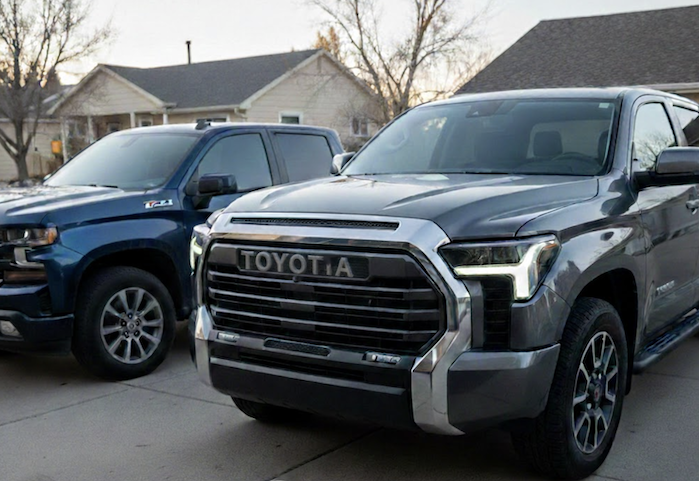
Beyond the initial "machining debris" excuses, the technical reality of modern, tight-tolerance engines is coming under fire from industry veterans. As noted by the mechanical experts at Getty’s Garage, today’s engines operate with thinner oils and higher thermal loads that leave far less margin for error than the naturally aspirated V8s we once loved. This lack of margin is exactly what I highlighted when I reported on a brand-new 2025 Tundra TRD PRO that suffered a blown main bearing at less than 2,000 miles, proving that the issues are persisting well beyond the original recall dates.
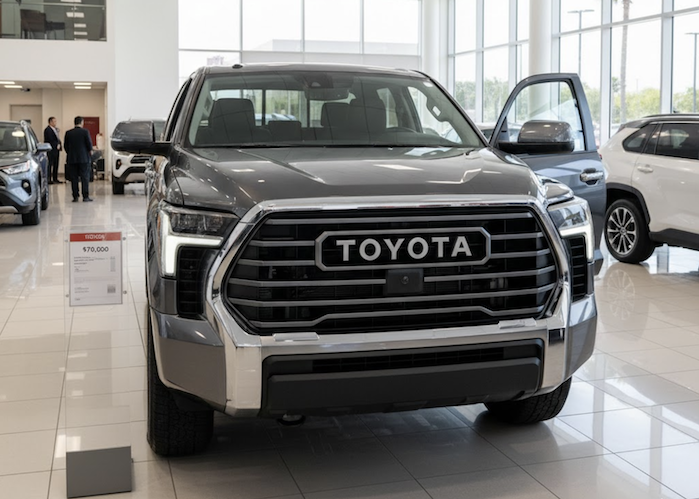
From My View: The 2026 Reliability Crisis
I see this from a perspective different from most. After three decades in the business, I know that a "bad" engine is rarely just a fluke; it is usually a symptom of a larger shift in engineering priorities. Toyota moved from the legendary 5.7L V8 to a twin-turbo V6 to meet fuel-economy and emissions standards, but in doing so, they traded simplicity for complexity.
Why This Failed for Us
- Over-Engineering: The i-FORCE MAX is a marvel of technology, but complexity is the enemy of long-term durability.
- Recall Fatigue: Owners are tired of hearing that the problem is "fixed" only to see 2025 and 2026 models back in the shop.
- Service Backlogs: Even if your engine is covered, waiting months for a "cab-off" replacement is a nightmare for anyone who relies on their truck for work.
What Tundra Owners Are Saying
The community sentiment is a mix of defensive loyalty and genuine fear. One Reddit user noted the severity of the situation, stating, "Replace radiator or end up replacing tranny like me... had a small leak. Unnoticed. Then boom tranny went out on highway," highlighting that the engine isn't the only concern.
Another owner highlighted the new design's vulnerability, noting, "The radiator on these models has an isolated portion for cooling automatic transmission fluid... if it's not cooling it, bad things happen," in a recent Tundra discussion thread.
My Take: Balancing the $70,000 Scale
After reviewing the technical data and spending decades analyzing truck transitions, I want to provide a balanced look at what you are actually buying with the Platinum trim. While the engine headlines are terrifying, the truck does offer some of the most advanced tech in the segment. Here is my breakdown of the hits and misses for this specific 2026 Tundra Platinum model.
Pros: The High-End Wins
1. The i-FORCE MAX Powerhouse: With 437 horsepower and a massive 583 lb-ft of torque, this hybrid powertrain delivers immediate, diesel-like grunt, making merging and towing feel effortless.
2. Premium Cabin Comfort: The Platinum trim finally brings Toyota into the luxury conversation, with 10-way power-adjustable leather seats featuring a genuinely effective massage function and best-in-class ventilation.
3. Next-Gen Tech Suite: The 14-inch Toyota Audio Multimedia touchscreen is a massive leap forward, offering crisp graphics and wireless smartphone integration that outshines the aging interfaces in some domestic rivals.
4. Superior Ride Quality: Thanks to the multi-link rear suspension and available load-leveling air springs, the "empty bed" bounce that plagues traditional leaf-spring trucks is virtually gone.
Cons: The Reality Check
1. Reliability Anxiety: Despite three years of production, the twin-turbo V6 continues to suffer from high-profile bearing and machining debris issues, leaving owners in a constant state of concern.
2. Underwhelming Efficiency: Despite the hybrid badge, real-world fuel economy often hovers around 17-19 mpg, which fails to significantly outperform the naturally aspirated V8s it replaced.
3. Storage Limitations: Because the hybrid battery is located under the rear seats, you lose the massive under-seat storage bin that is a staple for many truck owners who carry tools or emergency gear.
4. Luxury "Gaps": For $70,000, some interior plastics feel surprisingly thin, and the lack of a full-time 4WD mode—a feature standard on many high-end GMC and Ford trucks—is a notable omission for a premium vehicle.
Key Takeaways
- The 2026 model year is not immune: Failures are still being reported in the newest builds despite Toyota's claims of process improvements.
- Hybrid vs. Non-Hybrid: The i-FORCE MAX (hybrid) offers a safety "limp mode" benefit, but the base internal combustion components are largely the same.
- Proactive Maintenance is King: Don't wait for the recall letter. Check your own coolant levels and oil condition monthly.
- Documentation: Keep a paper trail of every dealer visit. If your truck does fail, you'll need that history for a Lemon Law claim or a buyback negotiation.
Adopt a "Short-Cycle" Maintenance Plan
If you are like John and you are already in the driver's seat of a 2026 Platinum, don't panic, but do get proactive. I recommend a "short-cycle" maintenance plan. While the dealer might tell you 10,000 miles is fine, my experience with high-stress turbo engines suggests a 5,000-mile oil change interval is the cheapest insurance you can buy.
It’s Your Turn: Have you experienced any "red flags" with your new Tundra, or has the truck lived up to the Toyota legend for you so far? Click the red Add Comment link below and let us know.
Next Up: If you think the engine issues are the only thing to worry about, you need to see my latest report on the "cheap" $5 fix that could save you a $2,000 radiator bill. Watch for "pink crust" near the radiator shroud, a sign of the fan shroud rubbing issue I recently uncovered.
Denis Flierl is a Senior Reporter at Torque News with over 30 years of hands-on experience in the automotive industry. Having served as a professional test driver and industry consultant for major automakers such as Chevrolet, Ford, Toyota, Honda, and Tesla, Denis provides a "boots-on-the-ground" perspective that goes beyond standard reporting. Since joining Torque News in 2012, he has specialized in cutting through market noise to deliver data-backed analysis and real-world owner stories. His work focuses on navigating the transition to EVs and the shifting automotive market.
Have a tip or question for Denis? > Engage with him directly on LinkedIn for industry analysis, or follow his latest updates on X @DenisFlierl and @WorldsCoolestRides. You can also find his latest car features on Facebook and Instagram.
Photo credit: Denis Flierl via John Scruggs
Set Torque News as Preferred Source on Google
Follow us today...




Comments
Question 1: Why did you pay …
Permalink
Question 1: Why did you pay $70k for a truck?