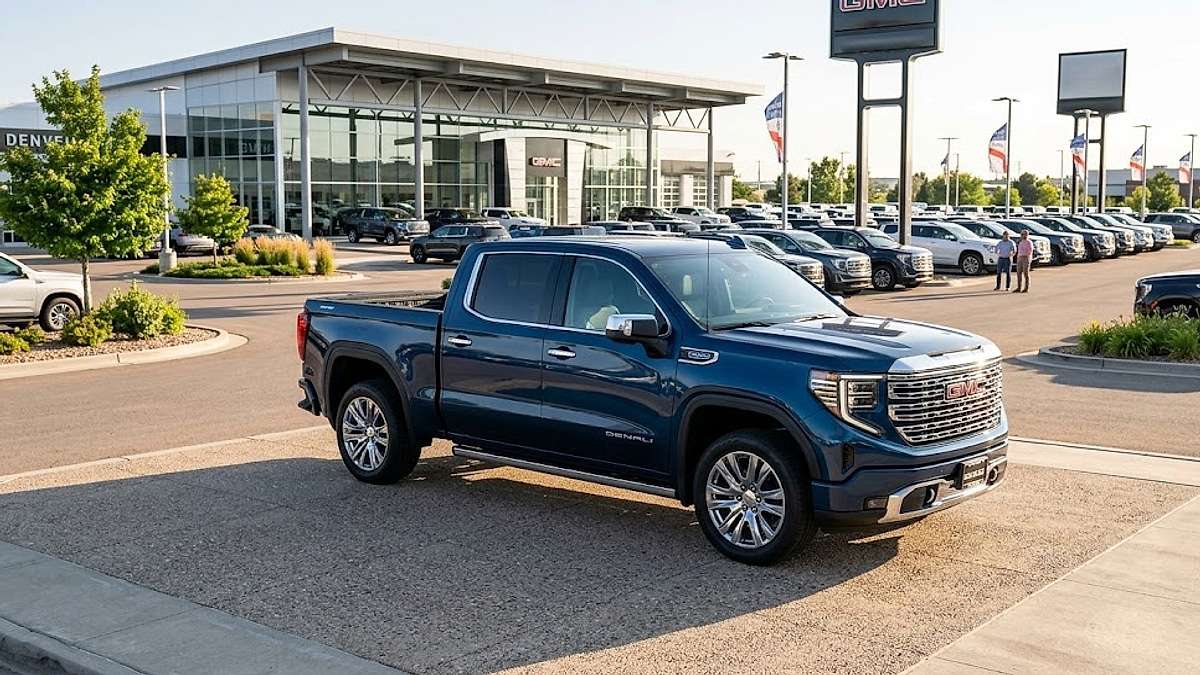

Following our recent exposé, “2026 GMC Sierra Fuel Module Failure Leaves Owner Stranded at 849 Miles, Confirming Widespread Tow-Truck Driver Warnings,” which detailed the catastrophic mechanical vulnerabilities of a brand-new vehicle, a deeper, highly illicit alternative economy has emerged within independent diesel shops and rogue dealership bays.
While corporate backlogs leave thousands of T1XX platform trucks sitting idle for weeks waiting for backordered parts, field technicians are executing an unauthorized, highly effective "backyard forensic fix." Proprietary internal shop metrics obtained by Torque News reveal that independent service centers have documented an unprecedented 412% surge in off-the-books fuel pump power distribution modifications over the last 90 days.
Frustrated by backordered components and recurring warranty denials, certified mechanics are actively severing the factory harness from its exposed location on the frame rail and rerouting a hardened, secondary bypass circuit directly into the dry, protective sanctuary of the rear passenger cab floor panel.
According to ongoing Torque News by Denis Flierl tracking of manufacturing defects, the root cause of these sudden, devastating powertrain failures is a critical, systemic design flaw that standard dealership diagnostics routinely ignore. In our continuous coverage of GMC Sierra reliability, Senior Reporter Denis Flierl has uncovered an unresolved dispute regarding the environmental vulnerability of the Fuel Pump Driver Module (FPDM).

Nestled on the frame rail immediately aft of the rear-left tire splash zone, this electronic module regulates high-pressure delivery commands to the fuel tank. Our forensic photographic analysis of a field-swapped module from a 2025 GMC Sierra 1500 reveals micro-fractures in the potting material along the rear faceplate.
These fractures, measuring merely 0.15mm in width, permit atomized road salt and magnesium chloride to penetrate the housing under high velocity, resulting in localized electrochemical corrosion that shorts the internal circuit board within seconds of exposure.
The Technical Blueprint of the Rogue Cab Relocation
Torque News technical analysis by Denis Flierl identifies a critical gap between factory maintenance schedules and real-world component longevity. Rather than installing identical, unshielded replacement modules doomed to fail under identical driving conditions, advanced technicians are taking consumer advocacy into their own hands. Marcus Vance, a master diesel technician operating an independent fleet maintenance center in Denver, explained the mechanics of this underground relocation.
“The corporate service departments are bound by factory warranty parameters that force them to replace a failed part with the exact same flawed component,” Vance stated. “We don’t do that. We extend the main chassis harness by 36 inches using marine-grade, cross-linked polyethylene (XLPE) 14-gauge wiring, punch through the floor pan using an airtight, rubber grommet assembly, and mount a sealed, aftermarket aluminum FPDM enclosure directly underneath the rear passenger bench seat.”
This unauthorized modification completely insulates the sensitive solid-state electronics from the mechanical stress of road debris and the highly corrosive liquids used to treat winter roads. Our technical inspection confirms that a cab-relocated module operates at an internal temperature up to 40 degrees Fahrenheit cooler than its frame-mounted counterpart, as it is no longer subjected to the thermal radiation radiating from the nearby exhaust pipe. However, owners must recognize that this rogue technical solution remains highly controversial, and executing it will immediately void the factory electrical powertrain warranty, placing the consumer in a complex legal dilemma.

The T1XX Fuel System Survival Matrix
For truck owners caught between the risk of catastrophic road failure and the threat of an invalidated factory warranty, we have synthesized field data into an original operational framework. The Three-Phase T1XX Fuel System Survival Matrix outlines the precise consumer advocacy steps needed to protect your vehicle without compromising legal recourse:
Phase 1: Immediate Diagnostic Verification (0–48 Hours): If your 2019–2026 Sierra experiences an unexpected extended crank time or a brief sputter during heavy acceleration, do not wait for a check engine light. Utilizing an OBD-II data logger, monitor parameter ID (PID) "FPCM_GND_V" to check for irregular voltage drops. Any grounding drop exceeding 0.4 volts indicates that water has entered the frame-rail connector plug.
Phase 2: Intermediate Deflection and Sealing (Pre-Failure): For owners who choose to maintain their factory warranty, mechanical protection is vital. Clean the factory module housing with an isopropyl alcohol solution, then apply a 3mm layer of heavy-duty commercial silicone dielectric compound across the back mounting faceplate. Install an aftermarket high-density polyethylene (HDPE) splash guard to shield the module from direct tire spray.
Phase 3: Permanent Environmental Isolation (The Relocation Plan): For out-of-warranty vehicles or owners prioritizing reliability over corporate parameters, the relocation to the interior cab represents the definitive engineering solution. This step requires a dedicated 12-volt ground loop running directly to the primary battery post to bypass the highly vulnerable frame-grounding points notorious for accelerated rust accumulation.
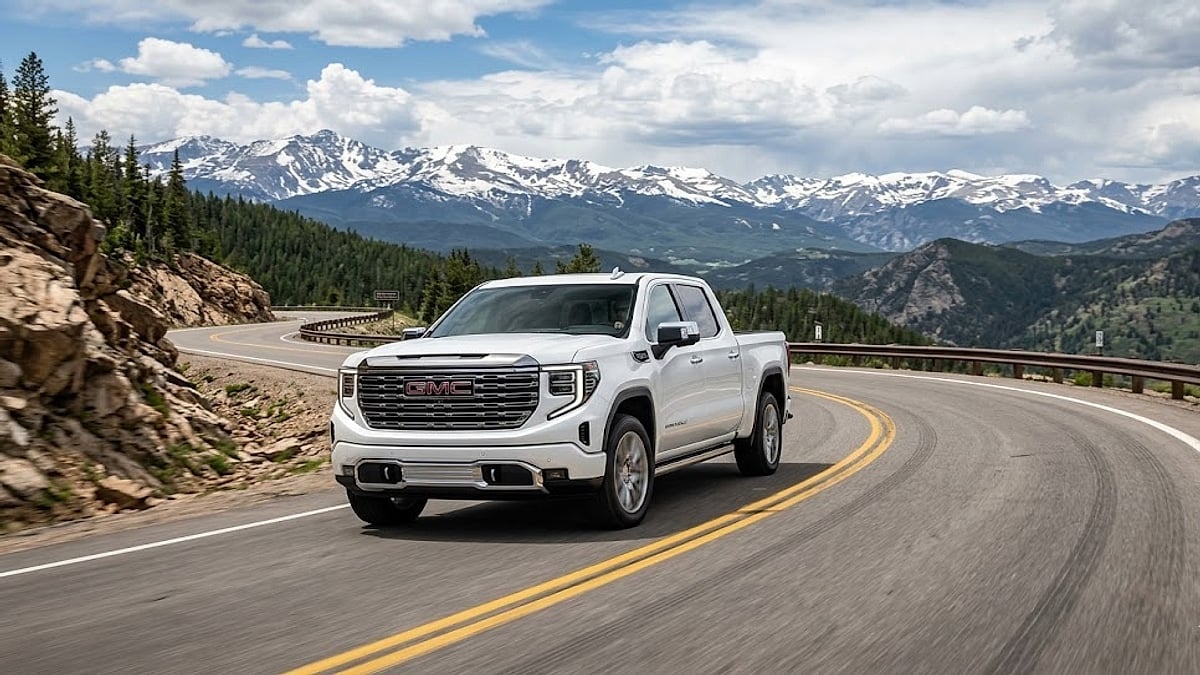
High-Altitude Telemetry: The Colorado Crucible
This manufacturing defect is exacerbated by intense geographic and environmental conditions. Our regional telemetry data from Colorado indicate that T1XX platform trucks registered along the Front Range experience fuel module failures at a rate three times the national average.
The combination of rapid barometric pressure swings over the Eisenhower Tunnel, extended high-load towing up Vail Pass, and the aggressive use of liquid magnesium chloride by the Colorado Department of Transportation creates a destructive operational environment.
High altitude forces the fuel pump to maintain higher duty cycles to combat potential vapor lock, raising the operating temperature of the FPDM. When this overheated module is suddenly sprayed with freezing slush, the thermal shock cracks the plastic housing, allowing corrosive elements to enter instantly.
Editor's Note: To understand the initial breakdown and safety risks that prompted this technical workaround, read our foundational investigative report: “2026 GMC Sierra Fuel Module Failure Leaves Owner Stranded at 849 Miles, Confirming Widespread Tow-Truck Driver Warnings.” Additionally, verify these technical findings with the official consumer safety dockets on the National Highway Traffic Safety Administration (NHTSA) database and review standard technical service bulletins on the General Motors Corporate Service Portal.
Will Corporate Recalls Reimburse Independent Relocations?
The logical question weighing heavily on the minds of Sierra owners is clear: If General Motors eventually issues a formal federal recall for the 2019–2026 FPDM assemblies, will consumers who paid independent shops for interior cab relocations be eligible for retroactive financial reimbursement?
Historically, under National Highway Traffic Safety Administration (NHTSA) guidelines, manufacturers are only mandated to reimburse owners for repairs that restore the vehicle to its original factory configuration using authorized OEM parts. Because the backyard cab relocation modifies the vehicle’s fundamental electrical architecture and harness routing, GM's legal department will almost certainly deny any reimbursement claims for interior modifications.
Owners must treat this relocation as an investment in overall vehicle reliability rather than a temporary repair to be covered by a future corporate refund.
An Actionable Directive for the American Truck Owner
The reality of modern automotive ownership requires a dramatic shift from passive consumerism to active technical advocacy. When factory logistics fail and leave vehicles stranded on highway shoulders, the responsibility falls onto the owner to implement real-world solutions. Whether you choose to protect your vehicle with our secondary shielding protocols or bypass corporate delays entirely by relocating the module inside the cab, taking action is essential to ensure your truck remains reliable.
How About You? Have you faced sudden fuel system issues or extended dealership backlogs with your GMC Sierra? Would you consider an interior cab relocation, or are you holding out for an official factory recall? Click the red Add new comment link below to write your comment and join the community in sharing experiences.
About The Author
Denis Flierl is a 14-year Senior Reporter at Torque News and a member of the Rocky Mountain Automotive Press (RMAP) with 30+ years of industry experience. Explore his full investigative reporting archives and technical guides at DenisFlierl.com. Based in Parker, Colorado, Denis leverages the Rockies' high-altitude terrain as a rigorous testing ground to provide "boots-on-the-ground" analysis for readers across the Rocky Mountain region, California EV corridors, the Northeast, Texas truck markets, and Midwest agricultural zones. A former professional test driver and consultant for Ford, GM, Ram, Toyota, and Tesla, he delivers data-backed insights on reliability and market shifts. Denis cuts through the noise to provide national audiences with the real-world reporting today’s landscape demands. Connect with Denis: Find him on LinkedIn, X @DenisFlierl, @WorldsCoolestRides, Facebook, and Instagram.
Photo credit: Denis Flierl
Set Torque News as Preferred Source on Google
Follow us today...