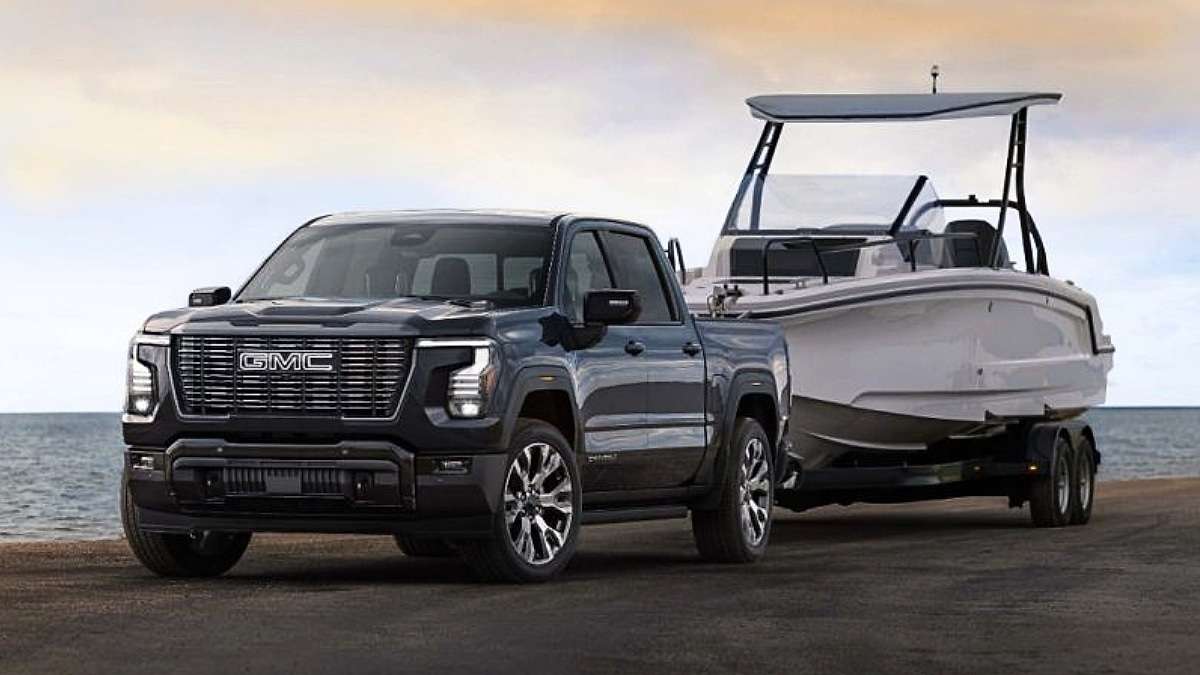

When GMC today unveiled the redesigned 2027 Sierra 1500, most headlines focused on the obvious changes. The truck gets new styling, a redesigned interior, new engines, more technology, a revised trim structure, and additional capability. Those updates matter, and they fit a pattern we already documented in GMC is separating the 2027 Sierra from the Silverado more than at any point in modern history, a piece that argued the badge itself is becoming the product. But after studying GMC's official announcement, a much bigger story begins to emerge, one that connects directly to how the GMC Sierra Denali Ultimate has already been positioned as the top end half ton truck buyers step into rather than down from. The 2027 GMC Sierra is no longer simply a nicer Chevrolet Silverado. Instead, GMC appears to be transforming the Sierra into something much more ambitious, a luxury brand that happens to build trucks.
Before we dive into the details, consider this question. If you had $80,000 to $100,000 to spend on a truck, would you choose the one with the highest towing number, or the one that makes every day behind the wheel feel special? Keep that question in mind as you read and share your answer in the comments section below.
For decades, General Motors followed a fairly simple formula. Chevrolet sold trucks. GMC sold slightly more upscale versions of those trucks. The Sierra and Silverado shared nearly everything that mattered, and buyers largely chose between them based on styling preferences, dealer relationships, or trim level packaging. That formula is changing, and it lines up with what we explored in why GM redesigned the 2027 Chevy Silverado around the ownership experience rather than around spec sheets, since both trucks are clearly chasing different versions of that same idea. In fact, the 2027 Sierra may represent the largest separation between GMC and Chevrolet in modern truck history.
Why The 2027 GMC Sierra Feels Different Than Previous Generations
The most revealing part of GMC's announcement is not found under the hood. It's found inside the cabin. The new Sierra receives an all new interior that looks and feels dramatically different from previous generations, a leap that recalls the jump GMC already made with the electric side of the lineup, something we detailed in why a GMC Sierra EV Denali Max owner paid six figures expecting a flagship cabin experience to match. GMC has introduced a massive 16.8 inch center touchscreen, an available 11 inch passenger side touchscreen, redesigned dashboard architecture, premium materials, and a layout that feels more like a luxury SUV than a traditional pickup truck.
Notice what GMC chose to emphasize. Not payload. Not towing. Not bed dimensions. Not commercial use. Instead, GMC repeatedly highlighted technology, comfort, personalization, premium materials, connectivity, and the ownership experience. That's not accidental. It's a clue.
Is GMC Quietly Becoming GM's Range Rover?
The comparison may sound bold at first. Range Rover isn't just a luxury SUV. It's a luxury brand. People don't buy a Range Rover because it can drive through mud. They buy one because it combines capability with prestige, technology, craftsmanship, and a premium ownership experience.
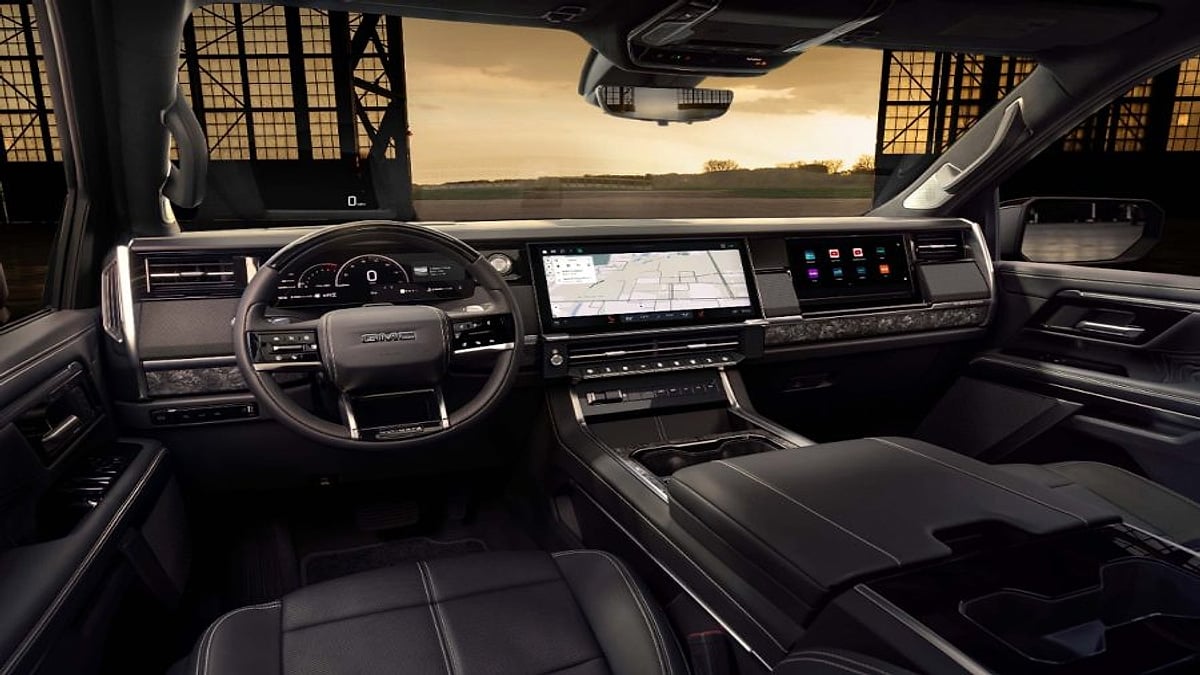
The 2027 Sierra appears to be moving in a similar direction. Look at the Denali and Denali Ultimate trims. The Denali Ultimate receives exclusive interior finishes, premium leather, open pore wood trim, unique badging, upgraded seating, advanced technology, and design elements that clearly separate it from mainstream trucks. This is no longer simply a luxury trim. It's becoming a sub brand, much the way the 2026 Cadillac Escalade IQ has already shown that an electrified flagship can outgrow the vehicle category that created it. Much like Escalade eventually became larger than the SUV segment that created it, Denali increasingly feels larger than the Sierra itself. Many buyers today don't walk into a GMC dealership asking for a Sierra. They ask for a Denali. That's a very important distinction.
According to Motor1, the Denali Ultimate's two articulating dashboard screens and forged wood accents represent one of the biggest interior shifts the Sierra lineup has ever seen.
Meanwhile, Chevrolet Is Taking A Different Path
The redesigned Silverado and Sierra continue to share underlying architecture and engineering. The trucks still have common DNA. But their personalities are rapidly diverging. Chevrolet's recent messaging has focused heavily on ownership experience, capability, practicality, and everyday usefulness. The Silverado is increasingly positioned as America's truck. The Sierra is increasingly positioned as America's luxury truck.
This creates an interesting dynamic. Ford sells F Series trucks that span everything from work trucks to luxury models. GM appears to be creating a different structure. Chevrolet serves the broader truck market. GMC serves the premium market. In other words, Chevrolet increasingly resembles Ford's mainstream approach while GMC moves toward something closer to a luxury lifestyle brand, a positioning shift that mirrors what we saw play out in how the 2026 Cadillac Vistiq was built to deliver much of the Escalade IQ experience without the size or six figure price tag.
The Passenger Screen Tells A Bigger Story
One feature perfectly illustrates what GMC is doing. The available passenger side screen. At first glance, it might seem like another technology gimmick. But think about what it represents. Passenger screens have traditionally been associated with luxury vehicles. Mercedes Benz uses them. Range Rover uses them. High end luxury SUVs use them. Work trucks generally do not.
The fact that GMC included one in the Sierra sends a message. The company expects buyers to evaluate this truck not only against other pickups but also against luxury SUVs, the same conclusion drawn from owners who compared the GMC Sierra EV Denali's tech directly against their own personal benchmark in why one dual Tesla owner says the Sierra EV Denali's tech actually impressed him more than expected. That's a remarkable shift in positioning.
GMC Is Combining EV Design Thinking With V8 Truck Engineering
Another fascinating aspect of the new Sierra is the way it blends two seemingly opposite worlds. The front end design feels cleaner and more modern than previous generations. The lighting signatures are more sophisticated. Technology dominates the cabin. The user experience is increasingly software driven. Many of these design philosophies originated in premium EVs.
Yet beneath that modern exterior, GMC is doubling down on traditional truck engineering. The 2027 Sierra introduces GM's next generation V8 engines while continuing to offer the Duramax diesel. That's unusual. Many automakers are forcing customers to choose between traditional powertrains and modern technology. GMC is attempting to give buyers both. The message appears to be simple. You don't need to abandon V8 power to enjoy a modern luxury experience. That strategy could resonate with a large number of truck buyers who appreciate technology but still prefer internal combustion power.
GMC May Be Selling Lifestyle More Than Capability
This may be the most important hidden story of all. The truck industry has spent decades competing on specifications. More horsepower. More towing. More payload. More torque. The 2027 Sierra suggests GMC believes something else is becoming more important. Lifestyle. Ownership experience. Comfort. Technology. Daily usability.
The new interior includes thoughtful storage solutions, wireless charging improvements, redesigned controls, enhanced connectivity, premium materials, and features designed to improve daily life. These are things owners experience every time they drive the truck, which is exactly the lesson learned by the owner profiled in how a GMC Sierra EV Denali handled a 10 hour flood cleanup and still had the range to get home. And increasingly, those experiences may matter more than an extra few hundred pounds of towing capacity.
Why This Doesn't Diminish Ford's Success
It's important to understand that this shift isn't really about GMC trying to become Ford. In many ways, Ford has already perfected something extremely difficult. The F Series remains America's best selling truck lineup because Ford successfully serves an enormous range of customers. From work trucks used on job sites to luxury Platinum and Limited models, Ford offers something for almost everyone.
That's one reason the F-150 continues to hold such a powerful position in the market. Ford's strength has long been its ability to build trucks that appeal to contractors, ranchers, fleet operators, families, and premium buyers alike. Chevrolet's Silverado increasingly occupies a similar role within General Motors, remaining focused on serving a broad spectrum of truck buyers with capability, practicality, and value at the center of the experience.
GMC, however, appears to be moving in a different direction. Rather than trying to compete for every truck buyer, GMC increasingly seems interested in serving a specific buyer, someone who wants truck capability but also wants luxury brand levels of technology, materials, design, and exclusivity. That's why the 2027 Sierra feels less like a traditional Silverado sibling and more like a premium standalone product. The result isn't Ford versus GMC. It's Ford continuing to excel at serving the entire truck market while GMC carves out a more specialized luxury position within it. That distinction may become one of the most important stories of the next generation Sierra.
Why This Matters For The Entire Truck Industry
The significance of the 2027 Sierra extends far beyond GMC. It reveals where the premium truck market may be heading. Truck buyers have changed. Many trucks are no longer purchased primarily for work. They're family vehicles. Road trip vehicles. Luxury vehicles. Status vehicles. Adventure vehicles.
As that shift continues, manufacturers must decide how to respond. The Sierra suggests GMC believes the future lies in combining traditional truck capability with luxury brand execution. That's a very different strategy from simply building a better pickup. It's about building a better ownership experience. And that's exactly why the Sierra and Silverado are beginning to drift further apart.
The engineering may still be shared. The mission no longer is. The Silverado remains focused on serving truck buyers. The Sierra increasingly appears focused on serving luxury buyers who happen to want a truck. That distinction may ultimately become the defining story of the 2027 GMC Sierra.
What Do You Think?
Do you think GMC is successfully transforming the Sierra into a true luxury brand, or should it remain closer to its traditional truck roots?
And if you were shopping for a premium truck today, would you choose a high end Sierra Denali Ultimate or a luxury SUV like a Range Rover, Cadillac Escalade, or Mercedes Benz GLS?
Let us know your thoughts in the comments section below.
Return tomorrow, or check our Torque News Home Page for more interesting automotive news articles.
Images by GMC Media.
About The Author
Armen Hareyan is the founder and Editor-in-Chief of Torque News and an automotive journalist with over 15 years of experience writing car reviews and industry news. Now based in the Charlotte region (Indian Land, SC, he founded Torque News in 2010, which since then has been publishing expert news and analysis about the automotive industry. He can be reached at Torque News on X, Linkedin, Facebook, and Youtube. Armen holds three Masters Degrees, including an MBA, and has become one of the known voices in the industry, specializing in the landscape of electric vehicles and real-world stories of actual car owners. Armen focuses on providing readers with transparent, data-backed analysis bridging the gap of complex engineering and car buyer practicality. Armen frequently participates in automotive events throughout the United States, national and local car reveals and personally test-drives new vehicles every week. Armen has also been published as an automotive expert in publications like the Transit Tomorrow, discussing how will autonomous vehicles reshape the supply chain, and emerging technologies in vehicle maintenance.
Set Torque News as Preferred Source on Google
Follow us today...