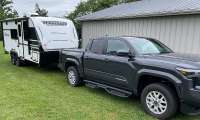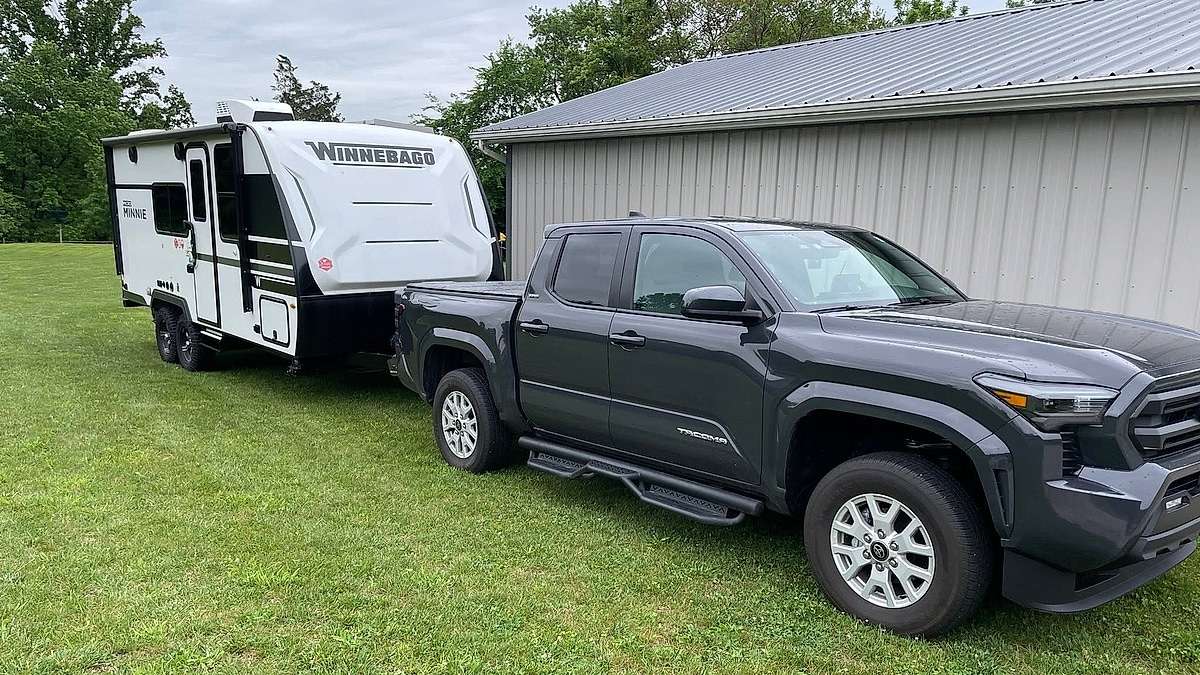

Hook a 5,500-pound Winnebago to a 2025 Toyota Tacoma, and the glossy marketing promises shatter instantly.
The old analog V6 trucks were built like tanks, but these new high-pressure turbos operate on a razor-thin margin of error.
If you think a shiny warranty will save your powertrain from 5,500 pounds of sustained mountain stress, you are in for a very expensive wake-up call.
The Price of Progress: The High-Stress Reality of Modern Truck Tech
- Powertrain Stress Profiles: Upgrading from the naturally aspirated 1GR-FE 4.0L V6 to the forced-induction i-FORCE 2.4L inline-four swaps mechanical simplicity for high-stress thermodynamic workloads when pulling massive loads.
- Towing Threshold Criticality: Pulling a 5,500-pound Winnebago Micro Mini travel trailer utilizes 84.6% of the 2026-spec non-hybrid fourth-generation Tacoma double cab's maximum 6,500-pound towing limit, severely punishing components under high thermal loads.
- Dealer Diagnostic Isolation: Ongoing 2026 field observations indicate that sophisticated multi-speed electronic control parameters often isolate owners in a structural loop of unreplicable drivetrain symptoms during heavy service cycles.
Surviving the 85% Limit
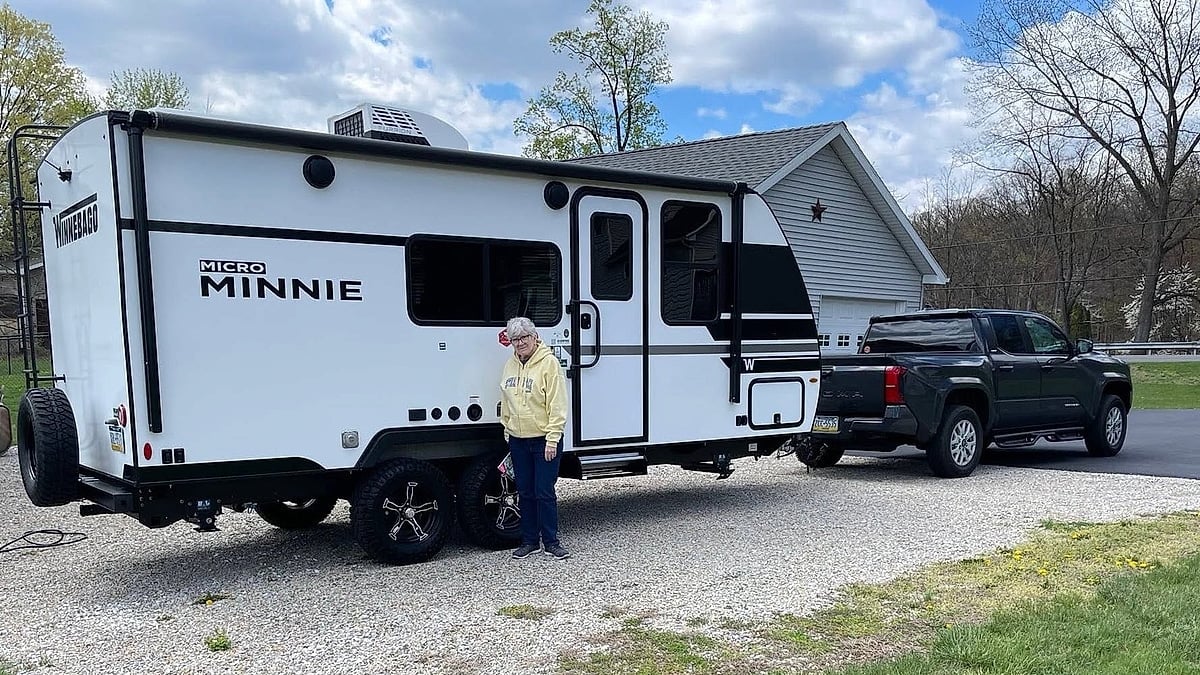
When a midsize truck owner hooks up a 5,500-pound travel trailer, the factory spec sheet claims everything is safely within operational limits. My three decades of automotive mechanical analysis reveal that pushing a downsized, forced-induction powertrain to 85 percent of its maximum structural towing capacity introduces intense thermodynamic stress profiles that the old analog platforms never had to navigate.
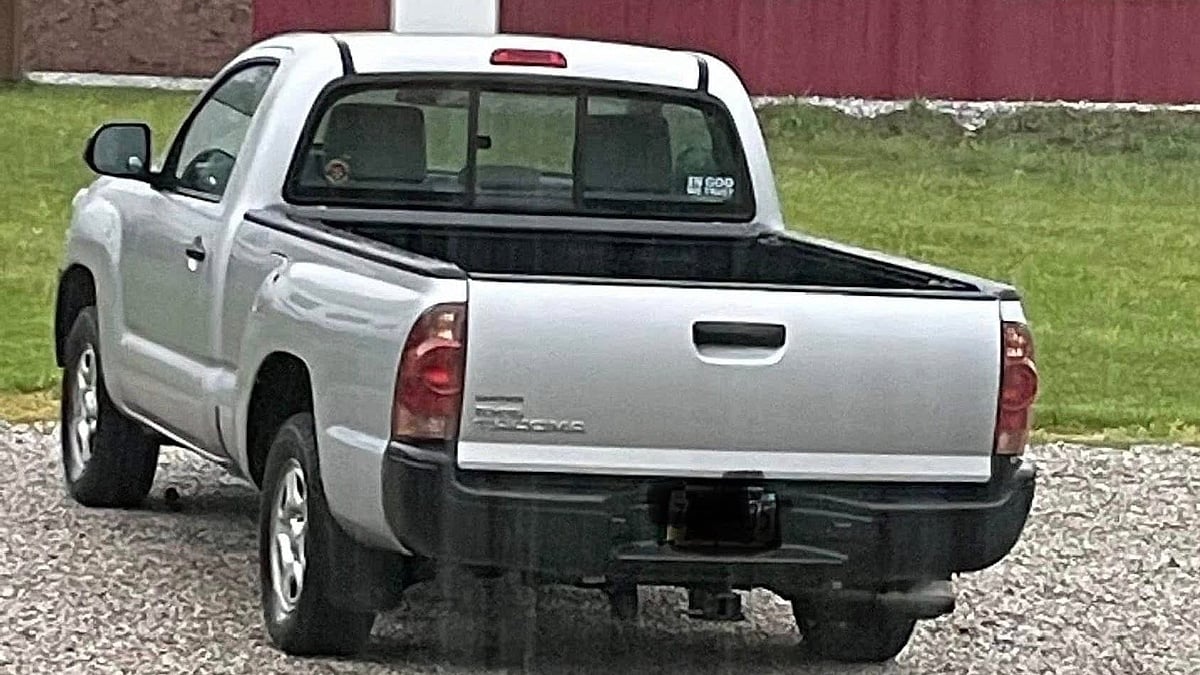
Perley Allen from Strinestown, Pennsylvania, on the 4th Generation Toyota Tacoma Owners Facebook Group says, “I replaced my beloved 2012 Toyota Tacoma with a 2025 Tacoma SR5 8-speed automatic 4x4, in order to tow our 5,500 lb Winnebago Micro Mini RV. I actually miss the simplicity of the older Tacoma.”
This specific real-world migration highlights a massive psychological and mechanical tension currently playing out across the truck market in June 2026.
The technical divergence between a second-generation 4.0-liter V6 and a fourth-generation 2.4-liter turbocharged inline-four becomes glaringly obvious when you monitor transmission line pressures and cylinder head temperatures under sustained load.
V6 Brawn vs. Turbo Strain: The High-Pressure Downsizing Debate
The older 2012 Tacoma relied on the legendary 1GR-FE naturally aspirated engine, a platform characterized by low-stressed component architecture and wide operational tolerances.
In contrast, the 2025 i-FORCE powertrain relies on high-pressure turbocharging to deliver 278 horsepower and 317 pound-feet of torque from a smaller-displacement block.
According to ongoing engine stress documentation verified by automotive engineering testing data provider SAE International, downsized turbocharged engines operating under high sustained loads experience vastly elevated exhaust gas temperatures that place extreme stress on the turbocharger wastegate assembly.
When these high thermal profiles encounter a continuous mountain ascent, the cooling system must shed heat at a rate that approaches the physical limits of small-displacement blocks.
Compounding this thermal stress is the shift from the old A750F five-speed automatic transmission to the modern AL80F eight-speed gearbox. While the extra gear steps keep the turbocharger tightly positioned within its peak boost envelope, the intensive shifting frequencies generate continuous clutch-pack friction heat during severe trailering cycles.

Toyota forces you to buy advanced electronic performance
From my view, looking at this setup through the lens of my 30 years of mechanical experience, the modern truck market forces consumers to buy advanced electronic performance at the direct expense of long-term component simplicity.
I have spent decades testing vehicles under extreme loads on steep grades like the Georgetown Hill and through the 11,112-foot Eisenhower Tunnel, environments where cooling capacity and transmission line pressures tell the real story of powertrain survival.
The immediate power delivery of the new turbo platform is undeniable, but the hidden cost lies in the sheer complexity of integrating electronic components.
In my investigative analysis of how digital inspection gaps threaten modern midsize truck powertrains, I exposed how complex hydraulic networks are easily compromised when routine service relies on computer simulations rather than direct physical fluid verification.
When you lose a simple mechanical oil dipstick or an easily serviceable transmission cooling line, you forfeit the ability to perform basic field checks before a heavy tow. For an owner pulling a heavy Winnebago RV, the lack of an analog mechanical connection creates a persistent layer of operational anxiety that no digital dashboard layout can fully soothe.
The Turbo Ticking Time Bomb
The core mechanical risk when running a small turbo engine at high capacity involves the structural relationship between intake boost pressures and internal bearing fatigue. To keep the 2.4-liter engine from knocking under a 5,500-pound trailer load, the electronic control module continuously adjusts ignition timing and fuel enrichment based on catalytic converter thresholds.
Independent forensic teardowns documented by industry watchdogs such as the Automotive Service Association demonstrate that sustained thermal cycling can cause micro-solenoid sticking within the transmission control valve body.
This condition triggers subtle drops in line pressure.
This causes minute clutch slippage before the on-board diagnostics even register a formal trouble code.
This structural vulnerability directly aligns with the failure patterns I highlighted in my investigation, which details how premature multi-speed slippage in Tacoma transmissions has triggered widespread legal gridlock across the country.
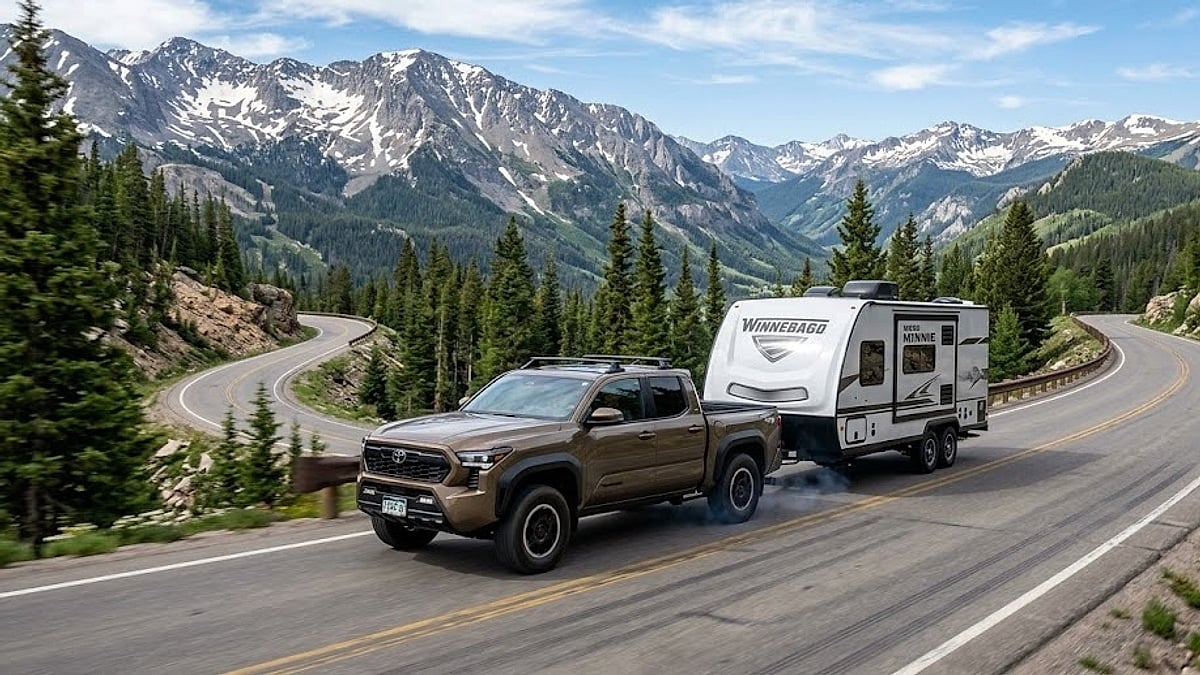
When an owner is pulling an RV up an elevation climb, even a fractional variance in hydraulic pressure can cook the internal fluid and accelerate mechanical wear across the gear assemblies.
Inside the Owner Forums: What the dealership won't tell you about real-world towing
The sentiment shared by Perley Allen is gaining massive traction within real-world truck communities as more owners log heavy towing miles. Truck veterans are actively pointing out the stark contrast between the old analog trucks and the hyper-sensitive electronics found in the new platforms.
In a recent technical discussion on r/ToyotaTacoma, one owner highlighted the vulnerability of the new design under load, noting, "My 25 has 9k miles on it, and Toyota just confirmed it needs a new transmission," which you can read in the full discussion on the r/ToyotaTacoma community thread.
Another owner detailed the extreme thermal variations they experienced while managing heavy cargo through steep passes, stating, "If I see an issue, I guess a $300 external cooler will be in my future," found in the same Reddit owner forum.
In my experience, these field reports confirm that forced-induction midsize trucks require much more proactive fluid monitoring than their older, naturally aspirated predecessors ever did.
Action Plan for Forced-Induction Towing
If you choose to use a new small-displacement turbo truck for heavy trailer duty, you must adjust your operating habits to protect the powertrain's physical lifespan.
Step-by-Step Mechanical Protection Protocol
- Enforce Severe-Duty Maintenance Intervals: Disregard the standard factory oil change guidelines and drop your lubrication service intervals to a strict 5,000-mile or six-month maximum, using high-grade synthetic fluids that resist thermal breakdown at the turbocharger bearing shaft.
- Execute Post-Tow Idle Cool-Down Cycles: Never shut down the engine immediately after pulling a heavy load up an incline or off a highway exit ramp. Allow the engine to idle for two to three minutes to keep engine oil circulating through the turbo housing as component temperatures stabilize, preventing oil coking in the lines.
- Install Real-Time Telemetry Monitors: Utilize an aftermarket diagnostic tool connected directly to your vehicle's port to track exact transmission fluid temperatures and engine coolant saturation parameters, bypassing the highly buffered factory dashboard needles that hide critical thermal spikes until it is too late.
Next Question: Does the added electronic complexity affect the truck's real-world payload capacity?
Yes, because the integration of multi-layered safety modules, advanced wiring harnesses, and extensive emissions equipment increases the baseline curb weight of modern trucks, which directly reduces the remaining allowable tongue weight capacity available for heavy travel trailers.
Final Mechanical Verdict
The modern turbo platform easily delivers superior low-end torque and impressive mountain performance on paper, but it sacrifices the rugged mechanical repairability that defined older generations. For truck owners who value pure long-term simplicity over electronic convenience, the transition to forced induction requires a permanent commitment to hyper-vigilant maintenance schedules.
What Say You? Have you traded your older analog truck for a modern turbocharged powertrain, and do you miss the simplicity of your previous pickup?
Tell us what you think in the comments section below by clicking the red Add new comment link.
Come back tomorrow… or check my Torque News Home Page for more of my informative Toyota Tacoma automotive news articles.
About The Author
Denis Flierl is a 14-year Senior Reporter at Torque News and a member of the Rocky Mountain Automotive Press (RMAP) with 30+ years of industry experience. Explore his full investigative reporting archives and technical guides at DenisFlierl.com.
Based in Parker, Colorado, Denis leverages the Rockies' high-altitude terrain as a rigorous testing ground to provide "boots-on-the-ground" analysis for readers across the Rocky Mountain region, California EV corridors, the Northeast, Texas truck markets, and Midwest agricultural zones.
A former professional test driver and consultant for Ford, GM, Ram, Toyota, and Tesla, he delivers data-backed insights on reliability and market shifts. Denis cuts through the noise to provide national audiences with the real-world reporting today’s landscape demands.
Connect with Denis: Find him on LinkedIn, X @DenisFlierl, @WorldsCoolestRides, Facebook, and Instagram.
Photo credit: Denis Flierl via Perley Allen
Set Torque News as Preferred Source on Google
Follow us today...