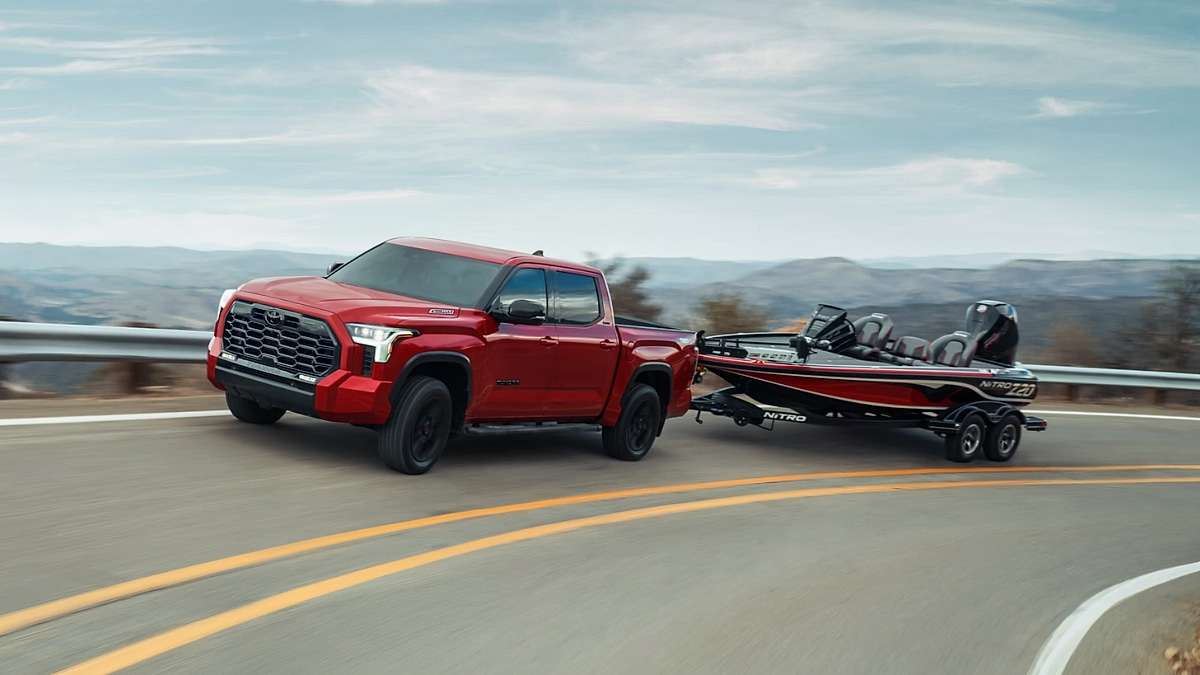

A simple cup holder is one of those features most drivers never think twice about. It’s designed to hold drinks, handle the occasional spill, and quietly do its job without much attention. But for one Toyota Tundra owner, something as routine as water in a cup holder turned into an unexpected and expensive repair that raises broader questions about how modern trucks are designed beneath the surface. Here's how Vu J Nguyen described it in the "2022+ Toyota Tundra Owners" Facebook group:
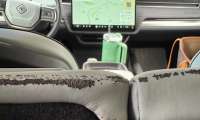
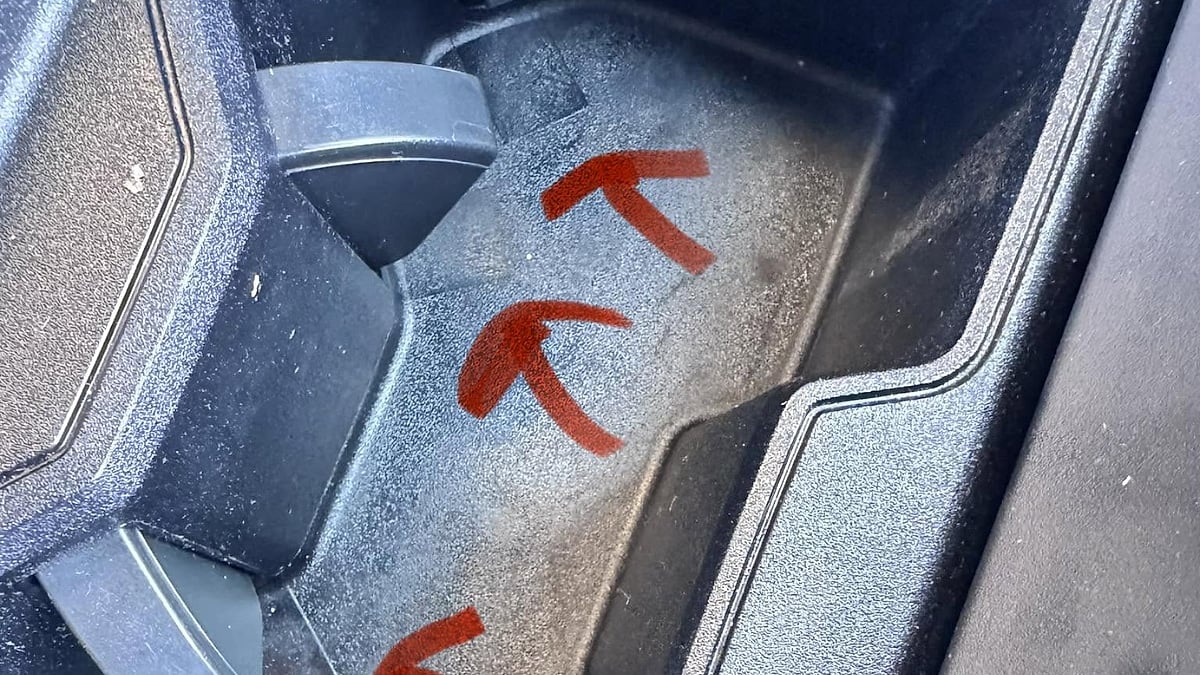
“Just a warning to everyone who has a Tundra. I ended up paying almost $1000 for the dealer to clean and reconnect all my wire under the cup holder. As you see in the picture, they taped it to cover the holes in the cup holder. I accidentally had water in it and water went through those holes and got into all the electric wires under it. The check engine light came up and I took it to the dealer. 2 days later they said water went down and gave a malfunction signal to the car. They pulled the whole center out and did what I said above. I don’t understand why engineers designed cup holders like that. My lesson is worth $1k. Please be careful and cover yours with a tape to save you some trouble. I will report this to Toyota and see what they will say.”
Everyday Features Meet Hidden Complexity
At first thought, it may seem like nothing but a stroke of bad timing. The majority of vehicle designs can easily handle small amounts of liquid without suffering any long-term damage. This incident stands apart from other incidents, however, due to its reported final destination.
Most modern trucks such as the Toyota Tundra are heavily reliant upon electronics for virtually every system within the vehicle. Many of the previous mechanical elements found within vehicles have been replaced by wiring, sensors and control modules. With this increased reliance on electronic systems has come an increase in susceptibility to whether water enters areas of the vehicle in which it was not originally intended to reside.
The fact that water leaking from a cup holder, which is obviously something that's supposed to contain liquids, was able to migrate downward through the truck's body and eventually into wiring that controls the various functions of the vehicle leads us to ask a very logical question: how well do designers isolate common use areas from the vehicle's electronic systems?
Owners Weigh In With Mixed Experiences
As expected, the post quickly drew reactions from other owners, and their experiences added important context.
Some responses suggested that not every spill leads to disaster. Derek Beeson shared, “Damn I had a 44 ounce cup of tea empty in mine. I wondered where it went, but luckily no issues.” That kind of comment highlights just how inconsistent these situations can be, depending on factors like where the liquid travels and how much of it gets through.
Others were far more critical of the design itself. Ale Xi wrote, “That design makes as much sense as a screen door on a submarine.” It’s a blunt take, but it reflects a frustration that some drivers feel when something so simple appears to create such an expensive outcome.
There were also signs that this might not be completely isolated to one model. Brock Brunson noted, “I saw someone with a Sequoia that reported something along these lines as well.” If that's true, that could point to shared design elements across Toyota’s newer truck and SUV platforms.
What’s interesting here is the contrast. Some owners report no issues even with large spills while others experience significant electrical problems. That inconsistency is what makes stories like this worth paying attention to.
Tundra Reliability Is Already Under the Microscope
Situations like this are happening at a time when the Toyota Tundra is already being closely watched by owners for reliability concerns. I've previously covered how a 2024 Toyota Tundra suffering engine failure at just 30,000 miles has raised concerns among owners about long-term durability expectations.
And those engine failures aren't just a one off. I've covered a 2025 Toyota Tundra TRD Pro with less than 19,000 miles dealing with a blown main issue and a 2022 Toyota Tundra owner who said their truck lasted 59,000 miles before engine failure led them to walk away entirely. This all just shows us how frustrating ownership outcomes can be.
When you place this cup holder-related issue into that broader context, it’s easy to see why even smaller incidents can feel more significant to owners. It’s not just about the cost but about confidence in the vehicle.
A $1,000 Lesson From Something That Shouldn’t Matter
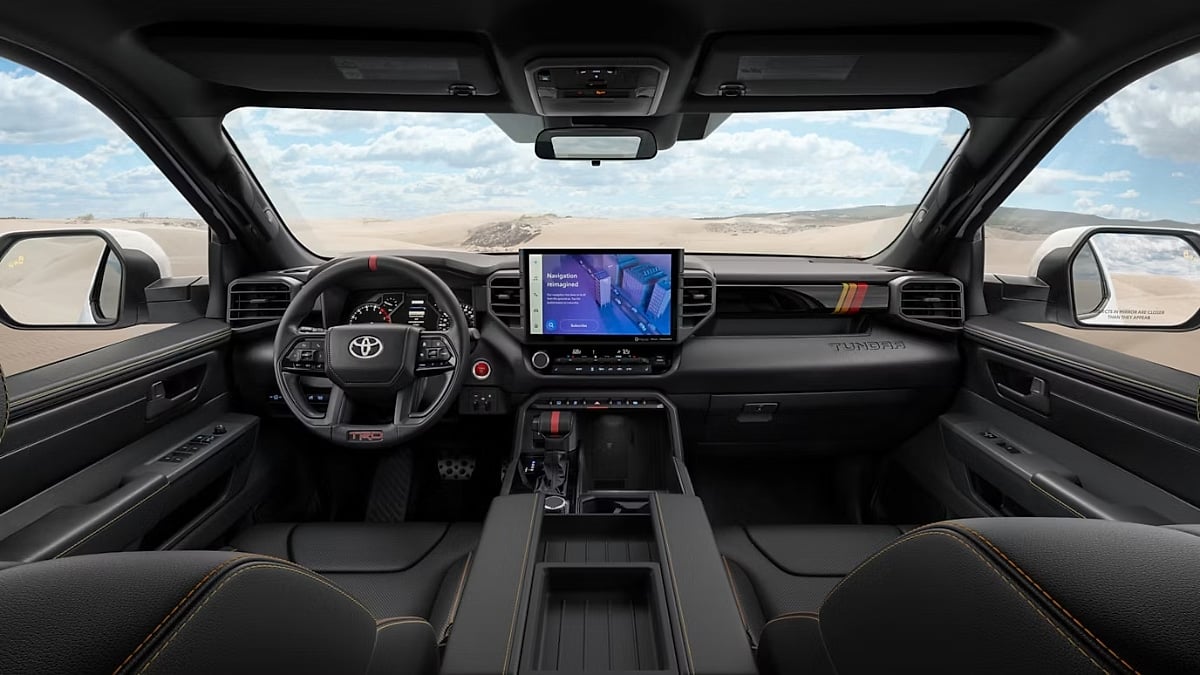
What I think is most noteworthy about this repair bill is how an everyday occurrence exposed what may be a weakness within the design for a modern-day truck. Modern cars are far more complex and have many more moving parts than ever before, which also brings into existence a whole new type of risk. When we talk about "worst case" scenarios and how vehicles should operate under those conditions, we cannot assume that all everyday use cases will reflect those types of circumstances.
While there needs to be balance as this is only one person's story and doesn't represent every owner's experience, the importance of these kinds of stories shows how real-world experiences do not always mirror or correlate with engineers' assumptions.
Key Lessons
- Everyday spills can have unexpected consequences: Even something as simple as water in a cup holder can lead to deeper issues if it reaches sensitive components.
- Modern vehicles rely heavily on electronics: More features mean more wiring, and more wiring means more potential points of failure when exposed to moisture.
- Experiences can vary widely: Some owners report no issues at all while others face costly repairs, which makes it difficult to predict outcomes.
- Small design details can have big impacts: Placement of components and drainage paths can influence how resilient a vehicle is to real-world use.
Is Toyota's Design a Blunder in Your Opinion?
Have you ever had a spill inside your vehicle that led to an unexpected repair, or did your car handle it without any issues?
And if you own a Toyota Tundra, how does a story like this make you feel regarding the confidence you have in your truck?
Don't hesitate to share your voice in our comments below.
About The Author
Aram Krajekian is a young automotive journalist bringing a fresh and analytical perspective to the evolving automotive landscape by reporting on real-world ownership experiences and providing industry analysis. Based in North Carolina, he covers electric vehicles, trucks, and broader automotive trends with a focus on contributing a balanced evaluation. His reporting cuts through brand bias to provide readers with grounded insight into how vehicles perform for everyday drivers beyond marketing narratives.
Aram can be reached on X and LinkedIn for ongoing automotive coverage.
Image Credits
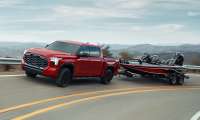
The “2022+ Toyota Tundra Owners” Facebook group and Toyota’s gallery, respectively.
Set Torque News as Preferred Source on Google
Follow us today...