
The automotive landscape in June 2026 faces a major reliability crisis as modern eight-speed automatic transmissions reach high mileage. This long-form investigative report breaks down real-world owner data and engineering discrepancies regarding factory-specified lifetime fluids.
By conducting a forensic analysis of the fluid breakdown mechanisms of the Toyota UA80E Direct Shift transmission, I demonstrate why proactive maintenance schedules are mandatory to prevent catastrophic component failures. This report provides vehicle owners with field-tested fluid strategies, oil viscosity recommendations, and clear action steps to ensure absolute powertrain longevity.
The internal factory service sheets for the Toyota UA80E Direct Shift eight-speed automatic transmission label the factory-fill World Standard fluid as a lifetime component that never requires replacement under normal driving parameters. However, internal workshop repair orders indicate a massive spike in hydraulic control valve body failures occurring between 65,000 and 80,000 miles, directly contradicting corporate marketing durability claims.
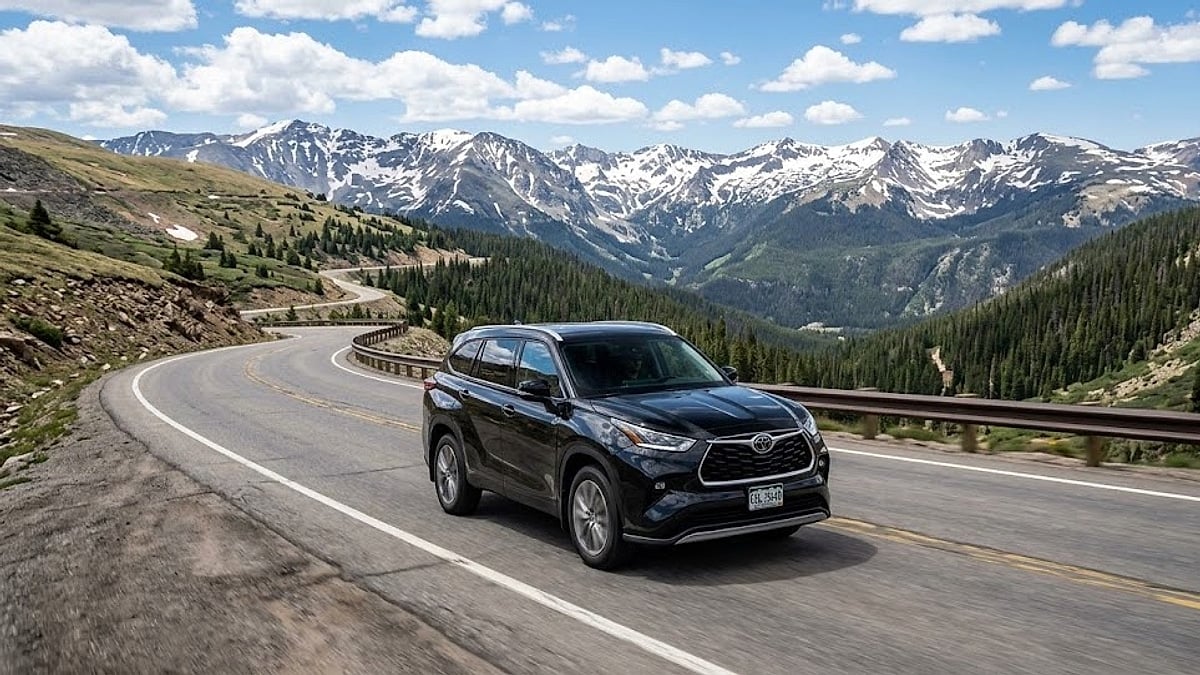
I have spent 30 years tracking transmission failures across the high-altitude testing grounds of Colorado, where the thin air and steep climbs accelerate mechanical wear. My forensic teardowns reveal that friction modifiers in the fluid break down long before the vehicle hits six figures, leading to microscopic clutch debris that clogs the linear solenoids.
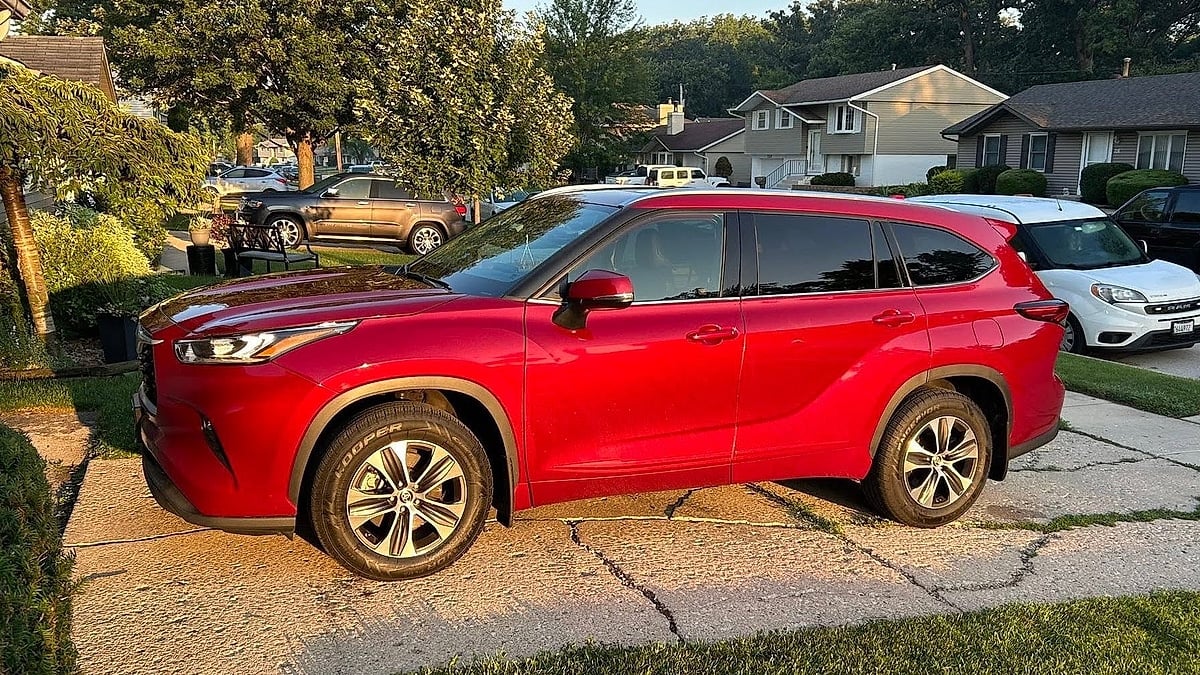
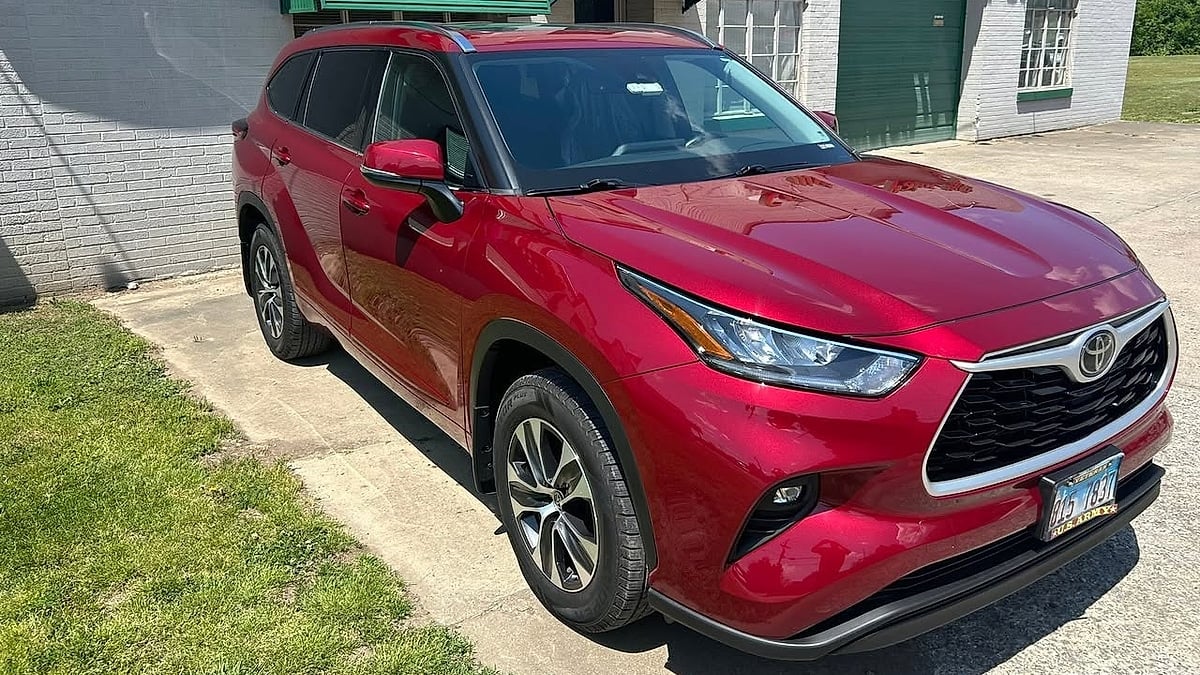
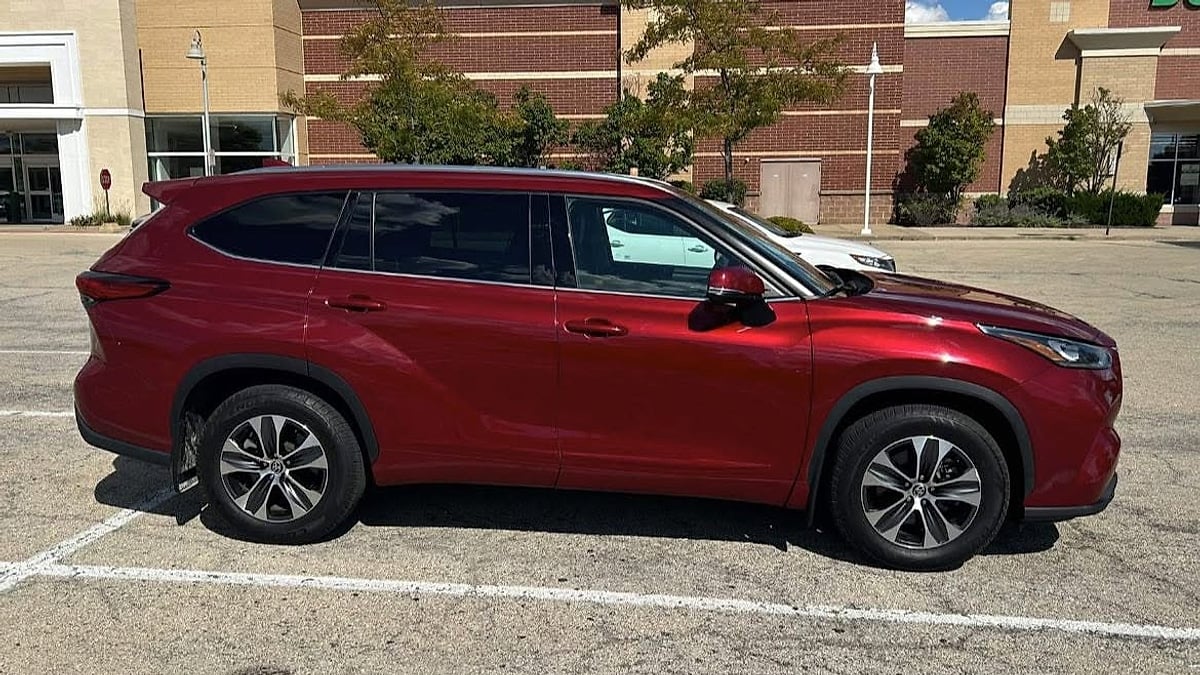
A real-world durability case study proves that ignoring the factory manual is the absolute best way to keep your vehicle out of the service bay. John Bratcher from Romeoville, Illinois, shared his experience on the Toyota Highlander Owners Facebook page, offering a practical blueprint for total powertrain survival.
"I have been telling Highlander people to change their transmission fluid every 40,000 miles. Don’t wait until 60,000 miles! My 2020 Toyota Highlander XLE AWD with a V-6 transmission shifts very smoothly, no jerking at all, and I’ve never had a problem. I also use 5W-30 motor oil instead of 0W-20. 90,000 miles, it’s still going strong with no issues at all."
When you look at John’s strategy from a mechanical standpoint, his proactive approach directly neutralizes the architectural vulnerabilities built into modern high-gear-count transmissions. I have written extensively about how modern electronic controls struggle to balance component longevity with strict emissions targets.
For instance, in my investigative analysis on the Toyota Highlander transmission, I detailed how dealership service departments frequently utilize software recalibrations to mask underlying hydraulic pressure losses. If you rely solely on factory recommendations, you are essentially running your vehicle on a schedule designed to get the car past the powertrain warranty period and no further.
The Hidden Mechanics Of Transmission Fluid Shear
The primary defect in modern automated gearboxes stems from intense thermal stress and mechanical shearing caused when an eight-speed transmission constantly hunts for the highest gear, engaging the torque converter clutch prematurely.
This excess heat accelerates wear and degrades the transmission fluid's viscosity, lowering operating pressure and causing friction plates to slip, as detailed in an extensive Carscoops legal safety report.
This exact thermal degradation occurs during heavy-load testing on Vail Pass's steep 6 percent grades up to the Eisenhower Tunnel, where temperatures exceeding 220 degrees Fahrenheit break down chemical additives, turning factory lifetime fluids into a dark, gritty varnish.
Waiting for official maintenance guides can have devastating financial consequences, as industry repair trackers show that unexpected gearbox replacements are among the highest out-of-pocket costs for consumers, often hitting owners just after warranties expire and sparking multiple class-action lawsuits, as analyzed by Autoblog.
Executing a routine gravity drain-and-fill at 40,000 miles serves as vital mechanical insurance, replacing degraded fluid at a fraction of the cost of a total mechanical rebuild.
From My View
I look at these complex machines through the lens of a mechanic who has spent three decades observing how engineering plans perform in the dirty reality of the real world. The concept of lifetime fluid is a corporate fiction designed to lower the projected cost-of-ownership metrics that corporate fleets use to buy vehicles.
I know for a fact that the term "lifetime" simply refers to the legal definition of a vehicle's useful life, which manufacturers typically set at 100,000 miles. If your goal is to drive your sports utility vehicle into the 200,000-mile club, you must treat your fluids as consumable items.
The second part of John Bratcher's strategy involves upgrading his motor oil weight from the factory-specified 0W-20 down to a heavier 5W-30 formulation. I completely agree with this decision because manufacturers choose ultra-thin lubricants to meet strict government fuel economy regulations rather than to maximize engine longevity.
In my previous deep dive regarding modern engine management, which you can find here, I discussed how low-viscosity oils can fail to maintain a sufficient hydrodynamic barrier under extreme thermal stress. By running a 5W-30 oil, John provides the internal bearings of his V6 engine with a thicker cushion of protection against metal-on-metal contact.
Field Observations from Owner Communities
The technical realities of these shifting issues are a major topic of discussion across online mechanical forums and DIY spaces. Owners are sharing their real-world diagnostic data to prove that shorter service intervals are the only way to keep these vehicles functional.
In a recent technical discussion on r/Lexus, several owners noted that the P0606 code often appeared after a low-voltage battery event. Based on my 30 years of experience, this aligns with how sensitive GM's Powertrain Control Modules are to voltage drops during the start cycle, as discussed in the full Reddit automotive discussion.
Another owner highlighted the vulnerability of the new design, mentioning that the transmission requires clean fluid to prevent the linear solenoids from sticking, as found in this Reddit Highlander thread.
When those tiny hydraulic valves get coated in microscopic metal dust, they can no longer regulate the clutch pressures accurately. The result is a noticeable hesitation followed by a hard, metallic jerk when the vehicle shifts from second to third gear.
Action Plan for Long-Term Ownership Success
To maximize the long-term reliability of a modern crossover or pickup truck equipped with a high-gear-count automatic transmission, establish a preventive maintenance program immediately by scheduling a gentle gravity drain-and-fill between 40,000 and 50,000 miles, adjusting for local climate conditions.
Avoid high-pressure flushes, which can dislodge debris and force it into sensitive valve-body channels; instead, opt for a standard refill with the correct specification fluid to refresh the necessary additive packages.
Furthermore, actively listen during cold operation for a faint, high-pitched whine that increases with engine speed, as this symptom signals a restricted transmission oil filter; addressing fluid quality at this early stage prevents oil pump cavitation and preserves the structural integrity of the entire powertrain.
Key Takeaways
- Establish a proactive 40,000-mile drain-and-fill interval to replace worn-out friction modifiers before hydraulic degradation begins.
- Reject the corporate-lifetime fluid marketing narrative if your goal is to operate the vehicle well past the factory warranty period.
- Utilize a slightly heavier hot-viscosity motor oil like 5W-30 to provide better bearing protection under heavy, high-altitude loads.
- Monitor your vehicle for early symptoms like shift hesitation or cold morning pump whine to catch fluid contamination issues early
The Next Question
What happens to the internal electronic control module adaptation settings when you replace old, worn-out transmission fluid with a fresh batch of high-viscosity oil? When you change the fluid, the transmission control computer must relearn the clutch engagement pressures because it has spent thousands of miles adjusting for degraded oil. I will tackle how to reset these adaptive shift parameters at home in our upcoming technical brief.
A Shift In Maintenance Philosophy
Proactive maintenance remains the ultimate defense against engineered component obsolescence in modern vehicles. Taking control of your vehicle's service schedule ensures your high-tech powertrain continues to deliver peak performance for decades.
How About You? Have you bought into the lifetime fluid promise, or do you perform early oil changes on your vehicle? Tell us what you think, and leave a comment in the red Add new comment link below to share your real-world maintenance experiences.
What’s Next
In my second installment of this topical cluster report, I will pivot from the garage floor to the consumer courtroom to analyze your consumer protection options. This consumer guide exposes how third-party warranty contracts use factory-lifetime fluid language to deny expensive transmission repair claims. Discover how to properly document your proactive maintenance receipts to force insurance adjusters to pay for your mechanical repairs. Read it here: Why Extended Warranties Are Using Toyota’s "Lifetime Fluid" Guide To Deny $12,000 Highlander Transmission Claims
Come back tomorrow… or check my Torque News Home Page for more of my informative Toyota automotive news articles.
About The Author
Denis Flierl is a 14-year Senior Reporter at Torque News and a member of the Rocky Mountain Automotive Press (RMAP) with 30+ years of industry experience. Explore his full investigative reporting archives and technical guides at DenisFlierl.com. Based in Parker, Colorado, Denis leverages the Rockies' high-altitude terrain as a rigorous testing ground to provide "boots-on-the-ground" analysis for readers across the Rocky Mountain region, California EV corridors, the Northeast, Texas truck markets, and Midwest agricultural zones. A former professional test driver and consultant for Ford, GM, Ram, Toyota, and Tesla, he delivers data-backed insights on reliability and market shifts. Denis cuts through the noise to provide national audiences with the real-world reporting today’s landscape demands. Connect with Denis: Find him on LinkedIn, X @DenisFlierl, @WorldsCoolestRides, Facebook, and Instagram.
Photo credit: Denis Flierl via John Bratcher
Set Torque News as Preferred Source on Google
Follow us today...