
Internal dealership diagnostic data logs from multi-point service bays reveal a major hardware crisis affecting fourth-generation Toyota Tacoma models. According to my ongoing tracking of manufacturing defects, a severe structural and software imbalance within the AL80F 8-speed automatic transmission and front driveline assemblies is triggering abrupt "Limp Mode" software overrides and physical component shearing.
While mainstream automotive reporting focuses on generic trim reviews, forensic teardowns demonstrate that premature pressure-control solenoid failures and improper metallurgical casting choices are leaving truck owners stranded. This comprehensive investigative report details the technical root causes of these failures, providing mechanical clarity and practical, field-tested strategies from the service bays.
Technical Diagnostic Realities Inside The Service Bay
Internal repair telemetry reveals that early production runs of the AL80F 8-speed automatic transmission experience micro-solenoid pressure drops that trigger hard fault codes within the first 10,000 miles. According to a technical service report from Car and Driver, Toyota dealers were provided with specific diagnostic codes indicating that either a pressure control solenoid actuator or a torque converter clutch actuator becomes physically stuck in the off position.
When these micro-solenoids fail to maintain the strict hydraulic line pressures demanded by the Transmission Control Module (TCM), the internal clutch packs slip. This creates severe friction, driving exponential thermal spikes that rapidly contaminate the fluid channel with non-ferrous debris.
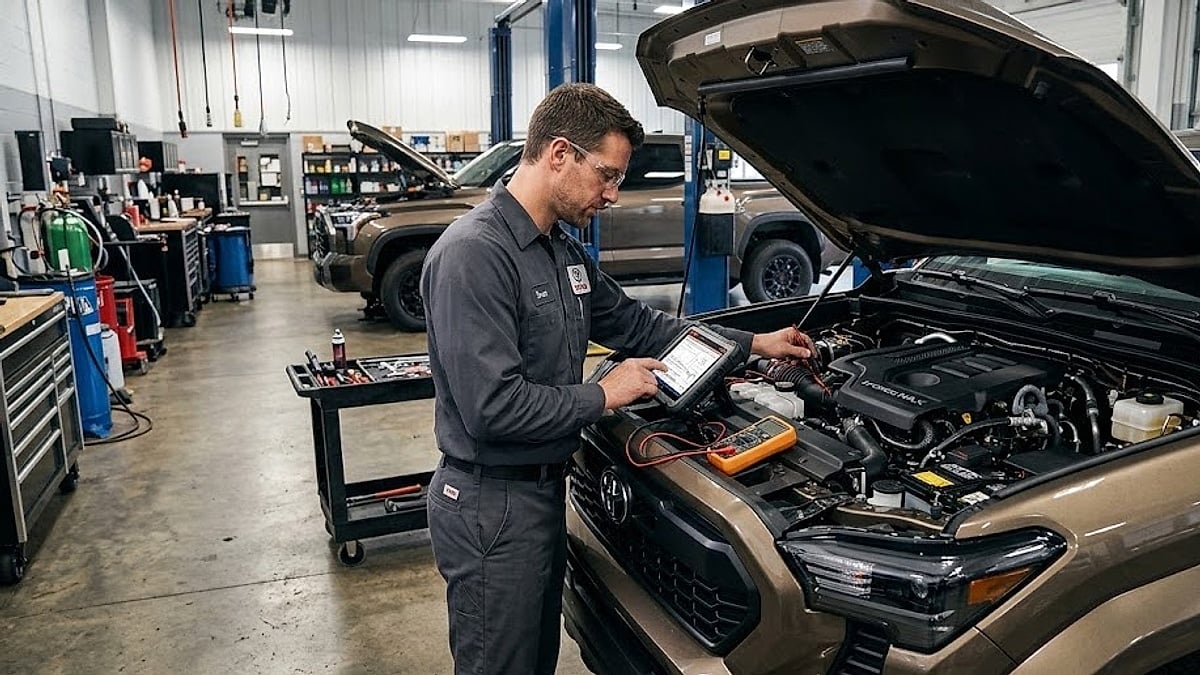
In my continuous coverage of Toyota reliability, I have uncovered an unresolved dispute regarding how dealerships address these early symptoms. Many service centers initially dismiss harsh shifting as normal adaptive learning behavior, leaving owners trapped in a prolonged diagnostic limbo.
An owner named Clorissa Howard shared her growing frustration on the 4th Generation Toyota Tacoma Owners Group Facebook page, explaining that her truck began slipping and jerking from first to third gear at just 3,000 miles. By the time the vehicle hit 10,000 miles, the dealer repeatedly claimed they could not replicate the symptom because the problem was temperature-dependent. This exact pattern of unresolvable shifting instability was further explored in a recent consumer alert in my 2025 Tacoma report here, highlighting how early reliability gaps are leaving modern truck owners incredibly frustrated.
The Transmission Logic, Triage, and Cold Start Fluid Dynamics
Forensic analysis indicates that the severe gear hunting and shifting flares occur primarily when the powertrain is cold. The TCM adaptive learning software is programmed with highly aggressive fuel-economy maps that force early upshifts to keep the 2.4-liter turbocharged i-FORCE engine in a low RPM band.
When the transmission fluid is cold and viscous, the software struggles to balance these rapid shift commands with precise hydraulic pressure adjustments. The resulting delay in clutch pack engagement causes the engine to flare by 500 to 1,500 RPM before slamming into the next gear.
Torque News technical analysis by Denis Flierl identifies a critical gap between factory maintenance schedules and real-world component longevity. The manufacturer's standard service intervals do not account for the high thermal loads generated when the transmission continuously hunts for gears on steep, high-altitude highway climbs.
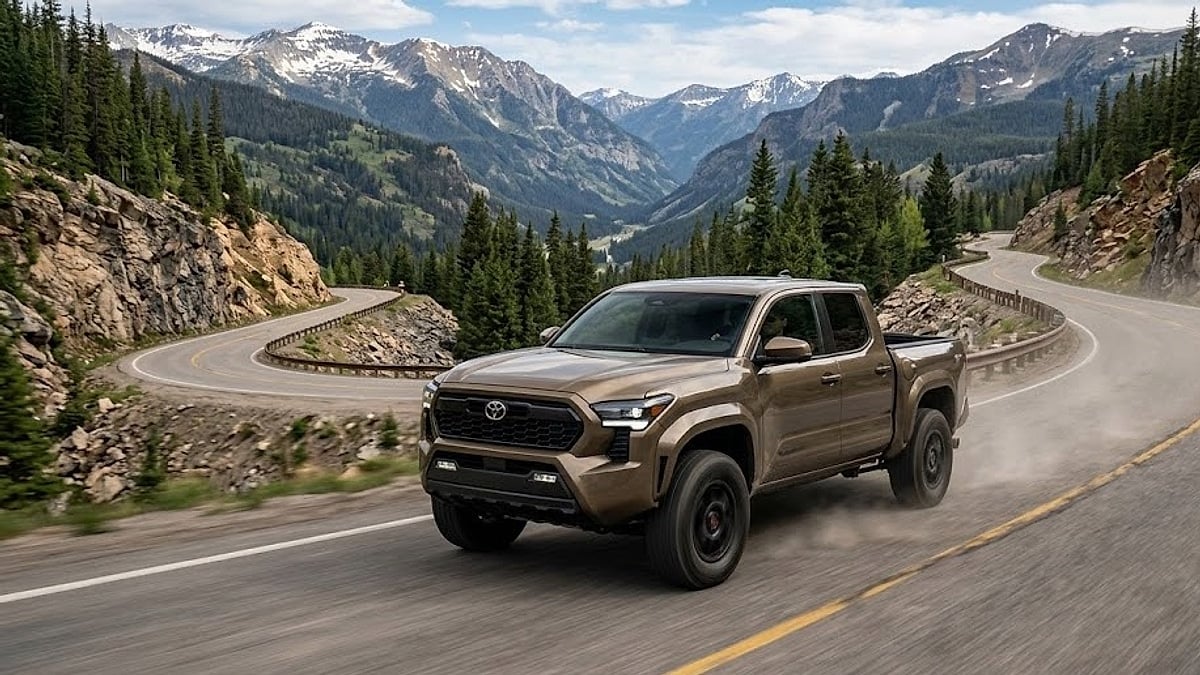
In mountainous terrain like Wolf Creek Pass, the constant shifting quickly overheats the fluid, accelerating solenoid degradation and clutch wear. This mechanical breakdown was recently detailed in my deep-dive investigative report here, which outlines how these internal pressure drops are sparking nationwide class-action lawsuit alerts.
Driveline Shear Stress And Metallurgical Component Integrity
Beyond internal transmission failures, a separate mechanical vulnerability concerns the structural integrity of the front four-wheel-drive system under torque loads. According to recall data published by automotive safety analysts at Lemberg Law, owners frequently report abrupt front-axle and driveshaft failures, as well as harsh transmission shifts. This field data aligns directly with federal safety interventions addressing manufacturing deviations in the front drivetrain.
The structural breakdown centers on a critical manufacturing defect in which the front driveshaft CV joints were cast with incorrect materials. A national safety alert reported by Car and Driver confirms that thousands of four-wheel-drive trucks are under voluntary recall because the front driveshaft joints can deform or break entirely while driving. If the housing shears under heavy load, the truck can lose steering control or roll away even when shifted into park. Dealership service bays have faced extensive backlogs for these replacement assemblies, forcing many vehicles to remain sidelined for weeks.
Suspension Geometry Deviations and Tracking Anomalies
The mechanical strain on the fourth-generation chassis is exacerbated by factory alignment-tracking variations identified during routine service inspections. Technicians have documented out-of-spec caster angles and lateral misalignments right from the factory floor. This structural variance causes an unusual crab-walking sensation on the highway, forcing the driver to make continuous steering corrections.
Over time, the improper geometry creates severe uneven tire wear and places excessive lateral stress on the front wheel bearings. When paired with erratic transmission operation and a fragile front CV joint, these alignment anomalies accelerate component degradation throughout the entire front suspension assembly.
Key Takeaways
- Identify the early indicators of transmission failure, such as sudden RPM spikes and harsh gear engagement during cold drive cycles.
- Document every instance of drivetrain instability with digital diagnostic logs to prevent dealerships from dismissing the issues.
- Inspect the serial numbers on the front driveshaft assembly to verify if your vehicle contains the defective metallurgical components.
- Request a comprehensive four-wheel alignment printout from your service department to check for factory suspension geometry deviations.
Field Observations From Owner Communities
Independent enthusiast forums and online technical discussions confirm that these drivetrain vulnerabilities are widespread. In a recent technical discussion on r/ToyotaTacoma, several owners noted that their new transmissions exhibited a slipping-torque-converter feel when shifting from second to third gear.
From my 30 years of experience, this aligns perfectly with how sensitive these modern multi-speed units are to micro-solenoid pressure drops during cold operation, as discussed in the full discussion on Reddit.
Another owner highlighted the vulnerability of the new design, mentioning that the transmission behaves very strangely and jerks significantly when ambient temperatures drop, as found in this Reddit thread.
Field-Tested Technical Diagnostic Advice: Bearing Degradation
To protect your vehicle investment and avoid extensive repair delays, owners should adopt an aggressive, multi-layered diagnostic strategy. Do not rely solely on the dealership's multi-point inspection sheet, as flat-rate technicians often skim these checks without verifying the condition of internal fluids.
Connect a high-quality OBD-II data logger to track transmission fluid temperatures and solenoid current drops when shifting flares occur. If the transmission hesitates, log the exact mileage and ambient temperature to establish an unassailable technical paper trail.
Furthermore, bypass the standard factory service intervals and perform your first transmission fluid and differential oil exchanges at 5,000 miles to flush out early manufacturing debris.
What Is The Next Logical Question?
The immediate concern for truck owners is whether these hardware vulnerabilities will trigger an official, permanent powertrain warranty extension from the factory. While Toyota has issued a Technical Service Bulletin to replace broken transmissions under specific diagnostic fault codes, they have not extended factory warranty coverage for vehicles currently experiencing minor shifting hesitation.
Owners must remain proactive by ensuring every single powertrain complaint is formally documented on a dealership repair order to protect their consumer rights if a major component fails after the warranty period expires.
Conclusion: Stay Informed
The engineering documentation proves that early fourth-generation drivetrain problems stem from a combination of fragile electronic solenoids, incorrect metal casting, and aggressive software tuning. Resolving these deep-seated mechanical issues requires owners to stay informed, track their vehicle data, and hold local service departments accountable.
Tell Us What You Think: Have you experienced harsh shifting, gear hunting, or front-end alignment issues with your new truck? Leave a comment in the red “Add new comment” link below to share your experience with the community.
What’s Next: In our next reporting segment, we will pivot from the internal mechanical causes to the practical consumer-protection and legal remedies available to affected truck owners. Toyota Tacoma Owners Facing Extended Repair Backlogs Hold Significant Leverage Under State Lemon Laws
The upcoming consumer report will provide a step-by-step blueprint for leveraging dealership parts delays, documenting persistent shift defects, and using state lemon laws to secure vehicle buybacks or manufacturer replacements.
Come back later today, or check my Torque News Home Page for more of my informative automotive news articles.
About The Author
Denis Flierl is a 14-year Senior Reporter at Torque News and a member of the Rocky Mountain Automotive Press (RMAP) with 30+ years of industry experience. Explore his full investigative reporting archives and technical guides at DenisFlierl.com. Based in Parker, Colorado, Denis leverages the Rockies' high-altitude terrain as a rigorous testing ground to provide "boots-on-the-ground" analysis for readers across the Rocky Mountain region, California EV corridors, the Northeast, Texas truck markets, and Midwest agricultural zones. A former professional test driver and consultant for Ford, GM, Ram, Toyota, and Tesla, he delivers data-backed insights on reliability and market shifts. Denis cuts through the noise to provide national audiences with the real-world reporting today’s landscape demands. Connect with Denis: Find him on LinkedIn, X @DenisFlierl, @WorldsCoolestRides, Facebook, and Instagram.
Photo credit: Denis Flierl
Set Torque News as Preferred Source on Google
Follow us today...