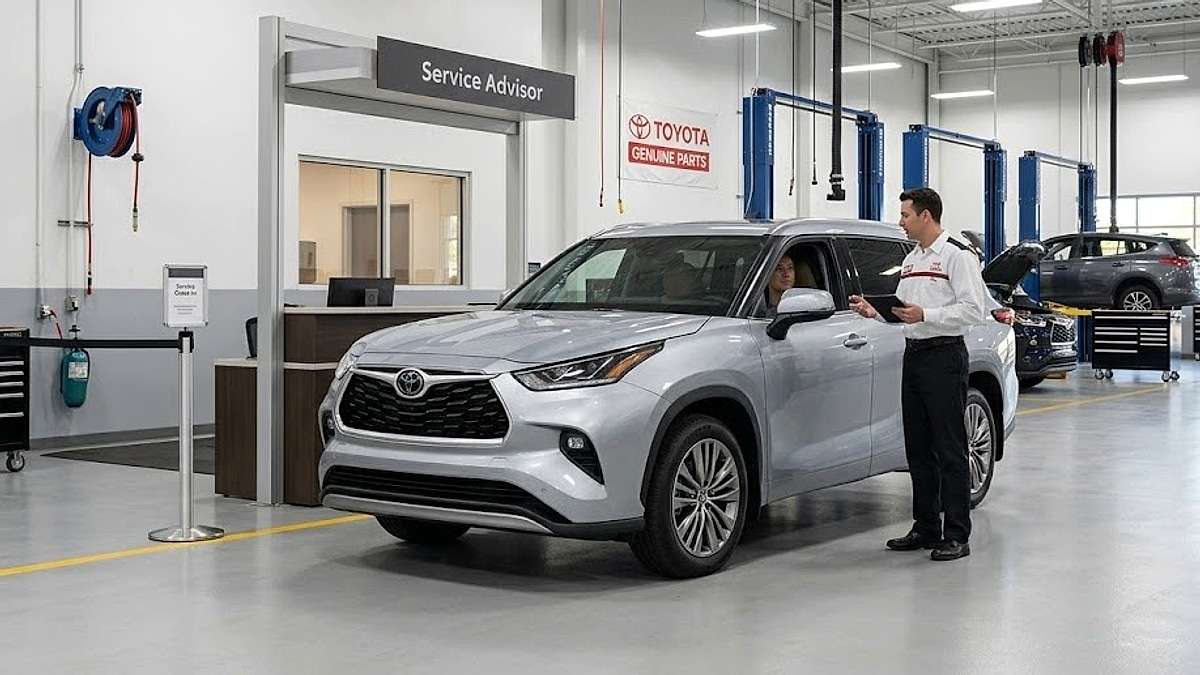

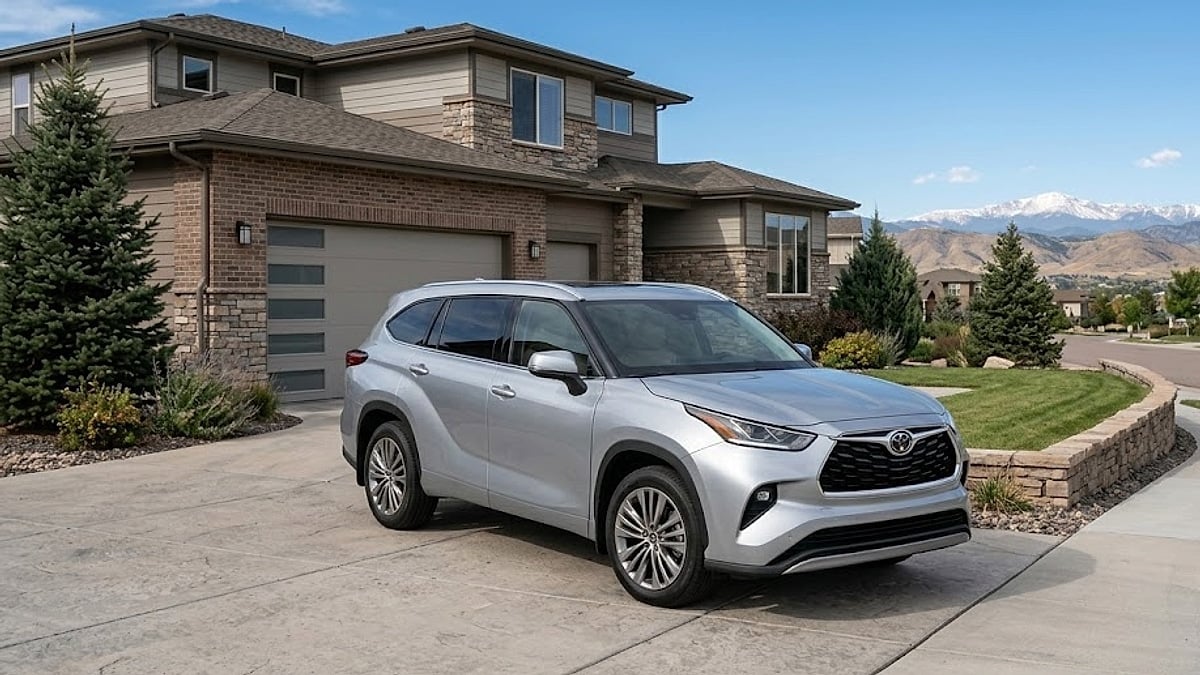
Toyota Highlander models equipped with the Direct Shift 8-speed automatic UA80E transmission are experiencing sudden mechanical failures immediately after their 60,000-mile factory powertrain warranty expires. This technical report conducts a forensic teardown of the catastrophic bearing and clutch degradation plaguing V6 configurations from 2020 through 2022.
Through ongoing consumer watchdog tracking, engineering anomalies have been identified that directly counter the manufacturer’s marketing narrative of lifetime fluid. This investigation provides actionable mitigation protocols, field data, and technical diagnostic steps to bypass five-figure out-of-pocket replacement costs.
The Twelve Thousand Dollar Powertrain Vulnerability
According to ongoing Torque News by Denis Flierl tracking of manufacturing defects, a catastrophic $12,000 mechanical vulnerability is catching late-model used SUV buyers completely off guard. The core issue lies inside the internal gear sets of the prominent Direct Shift 8-speed automatic gearbox, cataloged as the UA80E platform. While consumer publications often praise the brand for its historic durability, firsthand evidence from repair bays reveals an entirely different picture unfolding across the country.
A growing archive of mechanical data confirms that these units are structurally disintegrating between 65,000 and 80,000 miles. Dealership service centers routinely deny component-level overhauls because Toyota classifies the assembly as a non-serviceable sealed unit. This business practice forces vehicle owners to pay out of pocket for completely new factory-replacement gearboxes.
The emotional toll of this mechanical defect is clearly illustrated by a recent case study from the owner community. On a prominent Highlander owner group on Facebook, a driver named Jennifer Brightwell shared her experience after her vehicle began acting up.
"My 2021 Toyota Highlander Platinum at 72,200 miles started making a whining noise upon acceleration," Brightwell stated. "When I got to the dealership, they did confirm that it needed a new transmission for $7,300, and when I brought up the technical bulletin to them, they simply stated it was out of warranty."
Analysis of the Front Planetary Gear Defect
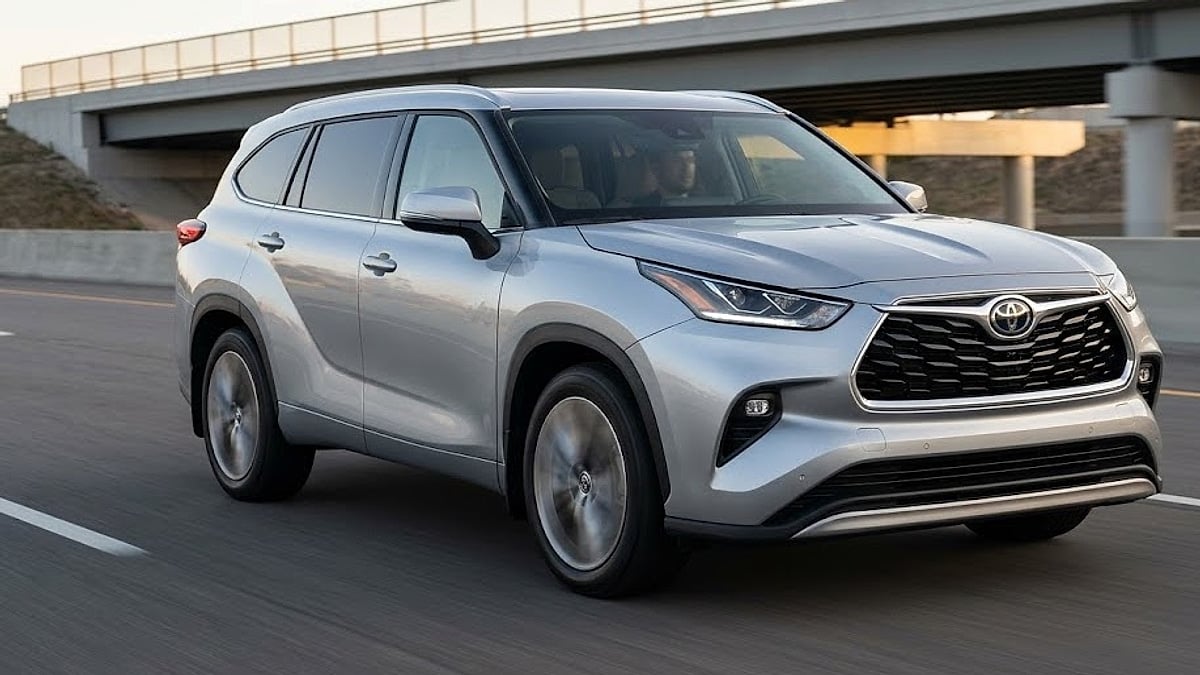
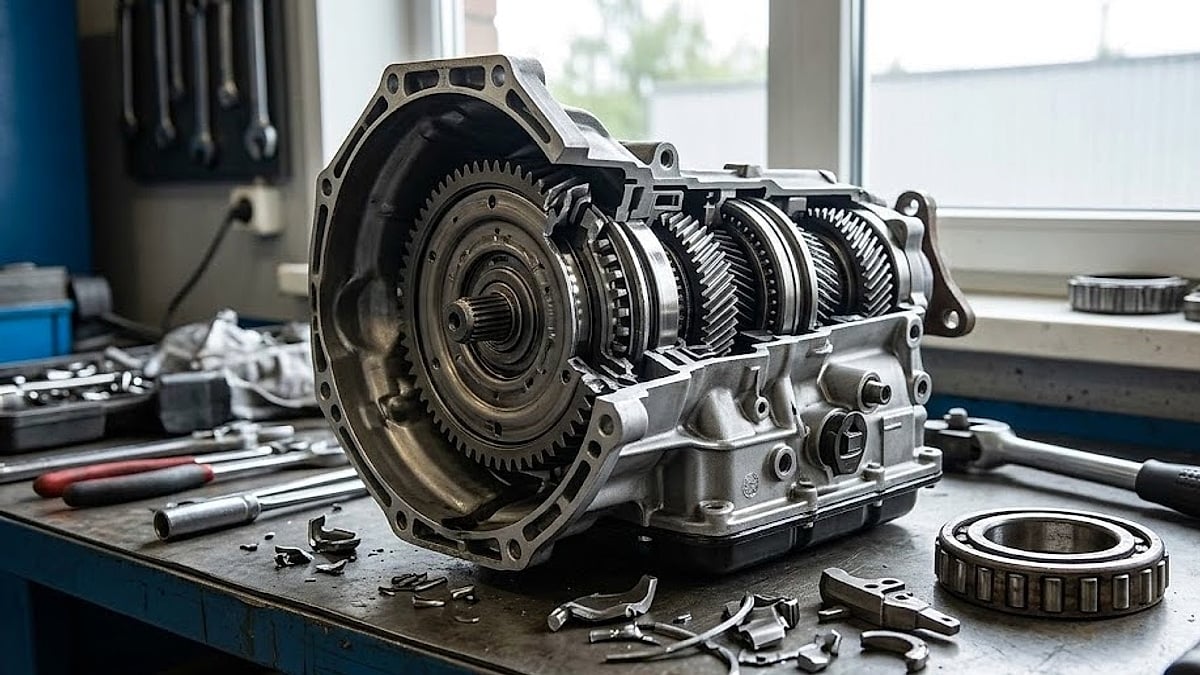
Torque News technical analysis by Denis Flierl identifies a critical gap between factory maintenance schedules and real-world component longevity. The primary engineering failure occurs within the front carrier assembly pinion shafts and their companion planetary gear needles. Under sustained load, the factory-installed metal washers lack the structural resilience needed to prevent subtle micro-shifting of the internal carrier components. This component layout induces severe harmonic friction, leading to premature pitting along the bearing races and the immediate shedding of microscopic metal flakes into the fluid.
This metal-on-metal destruction generates a very distinct acoustic signature known throughout the service industry as the whine of death. The noise resembles a high-pitched auxiliary siren or a jet engine during takeoff, escalating in direct proportion to output shaft speed. As the metal particulate migrates past the internal filtration magnets, it enters the sensitive hydraulic valve body channels. These foreign particles score the delicate aluminum bores, jamming the pressure regulation solenoids and preventing stable gear adaptation.
Independent automotive authorities have thoroughly validated the severity of this closed-door powertrain crisis. Legal specialists at ClassAction.org have formally documented that the UA80 transmission is plagued by an inherent design flaw that causes excess heat to build up inside, leading directly to premature failure. Furthermore, prominent regional consumer protection advocates at Lemon Law Experts have noted that these problems often stem from design-related weaknesses, particularly in vehicles equipped with the UA80 8-speed automatic transmissions.
High Altitude Accelerated Thermal Degradation
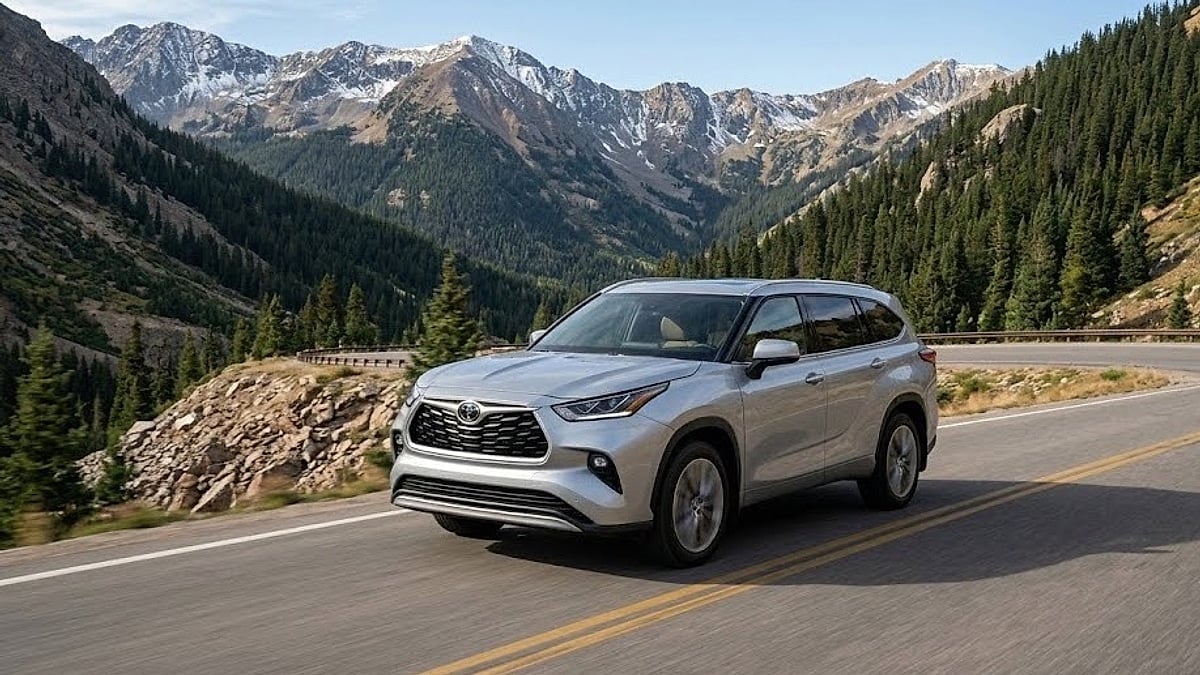
In our ongoing coverage of Toyota reliability, Senior Reporter Denis Flierl, with 30 years of experience, has uncovered an unresolved dispute over how extreme operating conditions accelerate these hardware failures. Data monitoring reveals that high-altitude driving conditions impose significant thermal strain on the UA80E transaxle configuration. Climbing steep mountain corridors puts the transmission under relentless load, driving internal fluid temperatures well past safe operational thresholds.
The issue is heavily exacerbated by the factory electronic control mapping, which is intentionally calibrated to chase strict corporate average fuel economy targets. The transmission control module commands incredibly early upshifts to keep engine RPMs low, forcing the torque converter clutch to lock up prematurely. This operating logic induces a continuous micro-shuddering effect that radiates through the input shaft, accelerating bearing fatigue. The factory heat exchanger assembly struggles to dissipate the resulting thermal load, leading to rapid oxidation of the fluid and thermal breakdown of the friction plates.
This internal vulnerability is explicitly detailed in official manufacturer documentation distributed across dealership networks. According to Technical Service Bulletin T-SB-0008-21, issued by Toyota Motor North America, specific vehicle identification numbers within the 2021 model year exhibit a distinct whine or grind noise stemming from structural flaws inside the front carrier assembly pinion shafts. The bulletin explicitly outlines an intensive mechanical intervention that requires a complete replacement of the front planetary gear and countershaft assembly to prevent further internal damage.
Strategic Leverage of the Factory Smokescreen
Navigating this mechanical defect requires leveraging prior reporting archives to challenge pushback from local dealership service advisors. For additional diagnostic context, see my previous investigation into why the 2022-2024 Highlander is shifting oddly, which reveals the initial operational warning signs of this software mapping flaw. Armed with this public data, vehicle owners can prevent service departments from dismissing early bearing whine as normal road or tire noise.
The primary financial solution relies on identifying alternative protection layers before the hardware suffers a complete physical breakdown. Because factory powertrain protection drops off sharply at 60,000 miles, utilizing an aftermarket exclusionary extended warranty has become a mandatory financial strategy for long-term ownership.
This approach effectively transfers a multi-thousand-dollar mechanical liability over to an external underwriter for a nominal deductible fee. For a real-world look at this specific preservation strategy, read my comprehensive analysis on how a Highlander owner beat a $12,000 transmission bill utilizing non-factory coverage pathways.
Field Observations from Owner Communities
The true scale of this engineering oversight is actively documented across independent online automotive enthusiast platforms. In a recent technical discussion on r/ToyotaHighlander, several owners noted that the cooling system's design might be part of the problem. One owner highlighted the vulnerability of the new design, noting:
"The radiator on these models has an isolated portion for cooling automatic transmission fluid... if it's not cooling it, bad things happen," which you can read in the full Reddit discussion here.
Another owner highlighted the lack of corporate assistance once the standard warranty cutoff is crossed. They shared their frustration by stating:
"Toyota corporate basically told me too bad so sad since I was at 68k miles, even though the noise started well before that," found in this Reddit thread.
Action Plan for Used Highlander Owners
- Audit the cabin acoustics by driving alongside a solid concrete barrier with the windows down between 15 and 45 mph. Listen closely for any high-pitched acoustic resonance that completely disappears the instant you lift your foot off the throttle pedal.
- Request a comprehensive fluid analysis from an independent shop during standard oil changes. Request a clear readout of copper, aluminum, and iron PPM counts to identify internal planetary gear peeling before a total loss of drive occurs.
- Reject the official factory service intervals that specify transmission fluid changes are unnecessary under normal operating conditions. Enact a strict 50,000-mile fluid exchange regimen using genuine factory fluids to keep internal temperatures low.
- Reference Technical Service Bulletin T-SB-0008-21 directly on the service counter if you are currently encountering any operational anomalies. Demand that the technician explicitly notes the presence or absence of the front carrier shaft harmonic noise on your physical invoice.
Key Takeaways
- Identify the warning signs early by monitoring for an airplane-like auxiliary hum during light mid-range acceleration cycles.
- Leverage official manufacturer service bulletins to force formal documentation of the planetary gear issue while still inside the 60,000-mile safety window.
- Disregard factory lifetime-fluid marketing claims and institute proactive oil-fluid exchanges at fixed 50,000-mile intervals.
- Protect your long-term personal finances by securing an exclusionary extended service contract to cover potential planetary carrier replacements.
Is the 4-Cylinder Turbo Transmission Safer?
The next logical inquiry for drivers looking to escape the V6 powertrain vulnerability is whether the newer 2.4-liter turbocharged models use a completely different, safer gearbox design. While the post-2023 turbocharged four-cylinder models still utilize an eight-speed transaxle architecture, they feature a completely unique internal layout known as the UB80 series. The UB80 platform uses revised gear ratios and modified internal carrier bearings engineered specifically to handle the sudden low-end torque delivery of forced induction. However, this updated setup introduces its own set of operating demands, requiring highly frequent engine oil service intervals to prevent thermal oil shearing near the turbocharger bearings.
Engineering Truth Over Brand Loyalty
The escalating number of internal gear failures highlights a distinct shift in which modern emissions mandates have directly compromised long-term vehicle durability. Disregarding marketing claims and enforcing shorter fluid-exchange schedules remain the only viable path to protecting your vehicle.
How About You? Have you noticed an unusually high-pitched hum coming from your dashboard during morning acceleration? Tell us what you think! Please leave a comment in the red "Add new comment" link below and share your personal experience with dealership service departments.
What's Next in Our Toyota Highlander Series
Move directly to the second part of our dedicated consumer protection coverage stream. Read our follow-up report later today, "Late Model Toyota Highlander V6 Buyers Must Take These Three Steps To Avoid Five-Figure Transmission Repair Bills." This essential guide provides an immediate blueprint for test-driving pre-owned inventory, negotiating third-party coverage shields, and conducting preventative fluid flushes.
Come back later today, or check my Torque News Home Page for more of Denis Flierl's interesting automotive news articles.
About The Author
Denis Flierl is a 14-year Senior Reporter at Torque News and a member of the Rocky Mountain Automotive Press (RMAP) with 30+ years of industry experience. Explore his full investigative reporting archives and technical guides at DenisFlierl.com. Based in Parker, Colorado, Denis leverages the Rockies' high-altitude terrain as a rigorous testing ground to provide "boots-on-the-ground" analysis for readers across the Rocky Mountain region, California EV corridors, the Northeast, Texas truck markets, and Midwest agricultural zones. A former professional test driver and consultant for Ford, GM, Ram, Toyota, and Tesla, he delivers data-backed insights on reliability and market shifts. Denis cuts through the noise to provide national audiences with the real-world reporting today’s landscape demands. Connect with Denis: Find him on LinkedIn, X @DenisFlierl, @WorldsCoolestRides, Facebook, and Instagram.
Photo credit: Denis Flierl
Set Torque News as Preferred Source on Google
Follow us today...