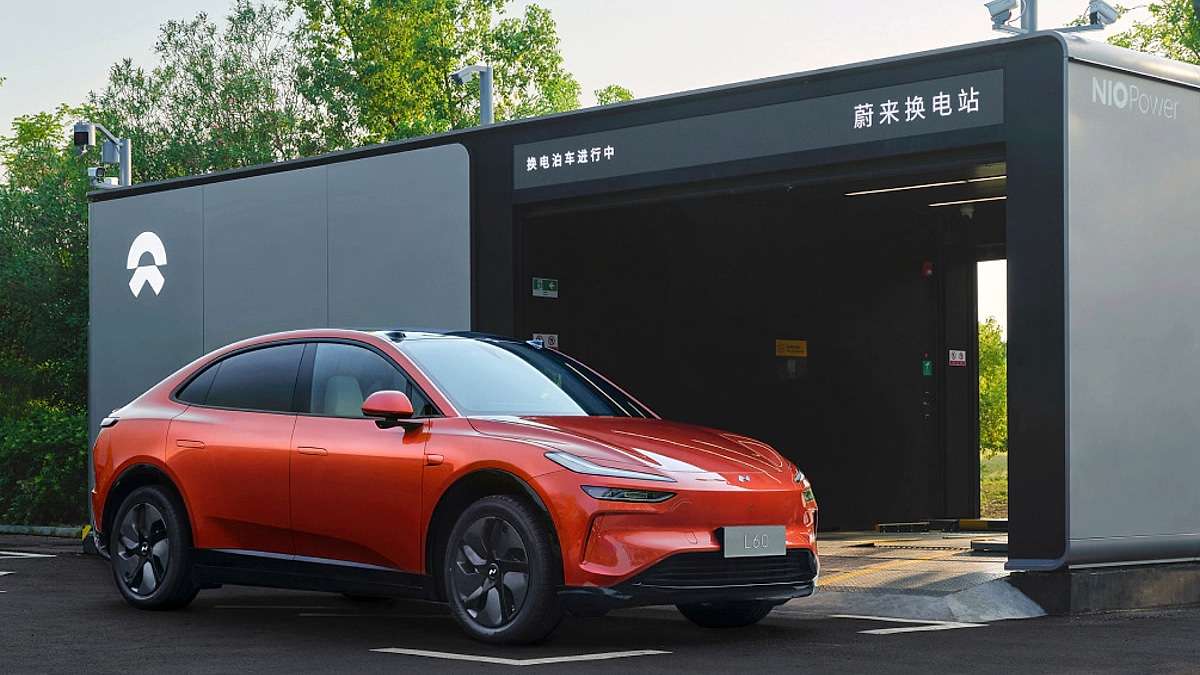

The automotive world is buzzing following the recent news that the Onvo L60 has successfully completed an industry first intelligent assisted driving challenge. Navigating a 540 meter long, winding, and near pitch black karst tunnel, the vehicle demonstrated a level of precision and confidence that redefines expectations for mass market EVs. By leveraging the advanced night vision capabilities of the Shenji NX9031 chip alongside the sophisticated reasoning of the NIO World Model, the Onvo L60 proved that high end intelligence is no longer restricted to luxury flagships.
Transforming Everyday Driving Through Advanced Intelligence
This feat is far more than a technical exhibition; it signals a shift toward true urban and off highway resilience. For everyday families, this means the revamped Onvo L60 value proposition now offers capabilities that significantly reduce driver fatigue on difficult routes. Whether navigating complex city traffic or dark, unpredictable terrain, the integration of proprietary silicon and AI driven software ensures a safer, more reliable experience for every passenger.
Scaling Innovation: The Power of the NIO Ecosystem
The success of the Onvo L60 is deeply rooted in NIO’s broader strategy of vertical integration. By mastering silicon architecture and cloud training, NIO has created a virtuous cycle where real world data from its growing fleet is used to continuously refine its software. This momentum is evident in the five consecutive months of growth in urban assisted driving mileage, proving that owners are increasingly trusting these systems in their daily lives.
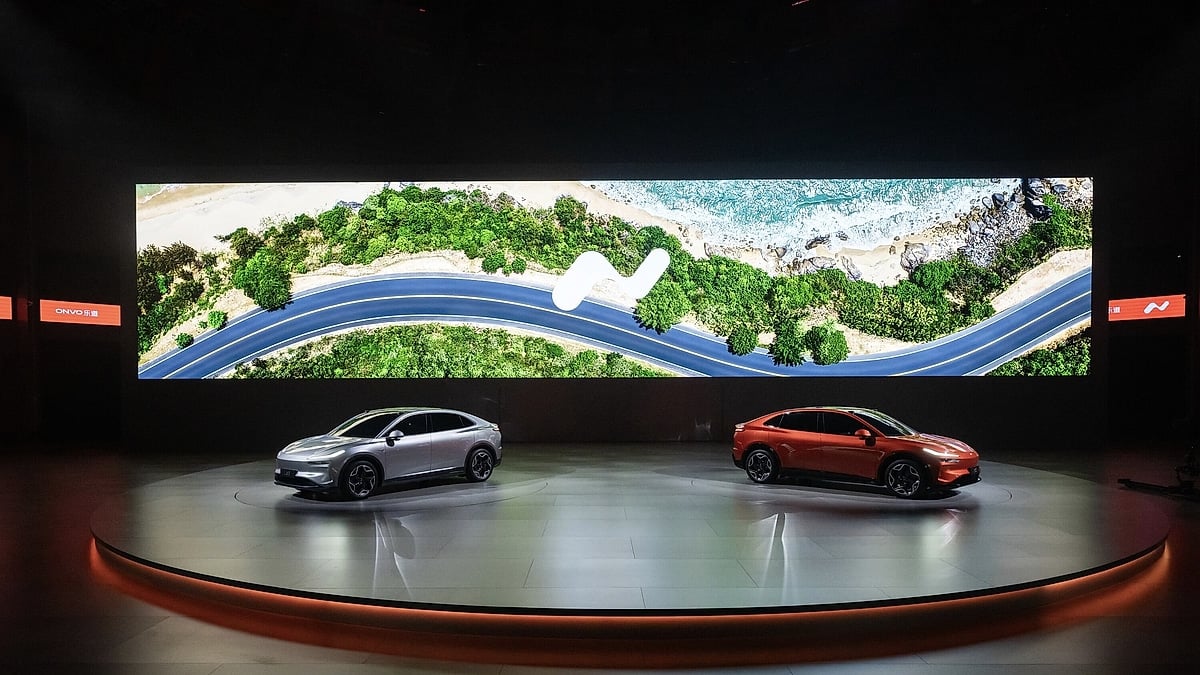
Furthermore, this intelligence is perfectly complemented by the NIO battery swap advantage. By eliminating range anxiety and providing a seamless ownership experience, NIO is effectively democratizing premium technology. As the brand continues to scale its multi brand approach, it is clear that vehicles like the L60 are not just transportation; they are evolving into sophisticated, mobile living spaces that prioritize long term user satisfaction.
Technical Superiority: Under the Hood of the L60
The Onvo L60’s ability to navigate such challenging environments stems from a strategic overhaul of its hardware and software architecture. At the heart of this performance is the Shenji NX9031, the world's first automotive grade chip built on a 5nm process. With over 50 billion transistors, this in house developed processor delivers computing power roughly four times that of existing industry standards. This raw power is essential for real time sensor fusion, allowing the L60 to process vast amounts of data from its LiDAR and camera array instantaneously, a necessity when navigating the near total darkness and sharp, unpredictable curves of a karst tunnel.
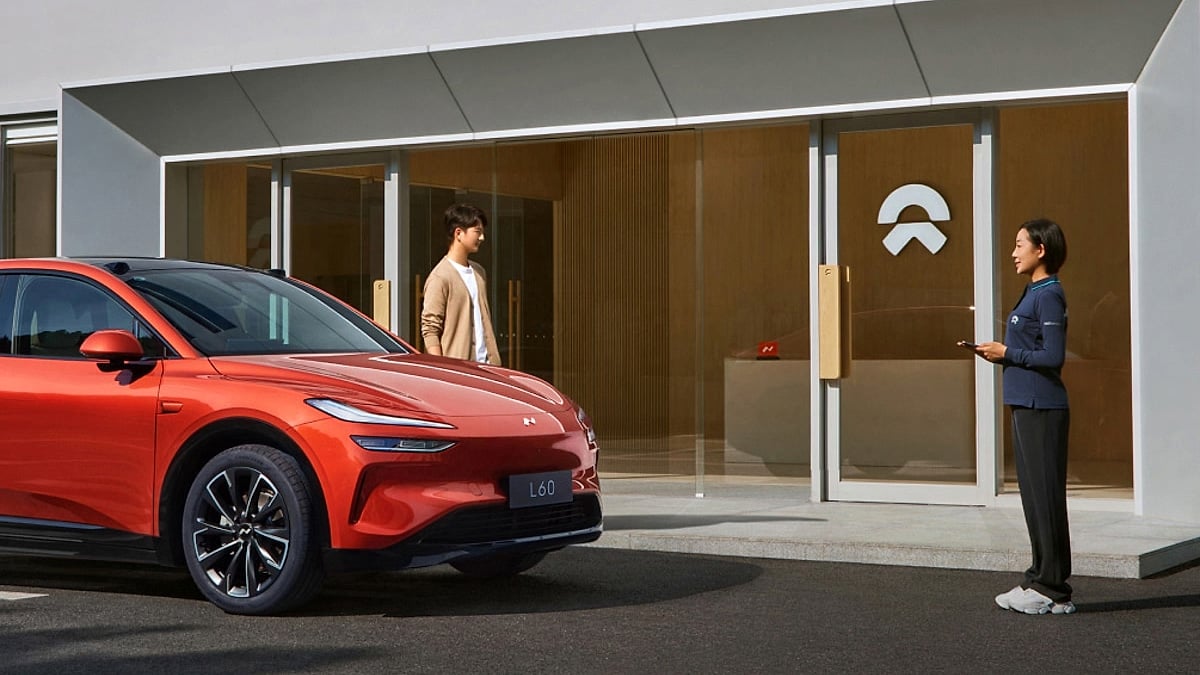
This hardware is seamlessly integrated with the NIO World Model (NWM), which utilizes closed loop reinforcement learning. Unlike traditional rule based software, the NWM mimics human like decision making by learning from millions of miles of real world driving data. This allows the Onvo L60 to handle edge cases, scenarios like sudden obstacles in tunnels or complex urban merges, with a confidence that previously required human intervention.
Infrastructure as a Force Multiplier
The technological advancements in the L60 are further bolstered by NIO’s aggressive expansion of its energy ecosystem. In 2026, the company is pushing forward with its fifth generation battery swapping stations. Designed to support all three brands in the NIO portfolio, NIO, Onvo, and the upcoming Firefly, these stations represent a massive upgrade in efficiency.
With plans to install over 1,000 new stations throughout 2026, the network is reaching a critical mass that fundamentally changes the ownership experience. The fifth generation stations will reduce swap times to under two minutes and serve up to 500 vehicles per day, ensuring that even as the Onvo fleet grows, the infrastructure remains a robust, scalable backbone. This, combined with the L60's highly efficient 900V architecture, which enables energy consumption as low as 11.9 kWh per 100 kilometers, positions the vehicle as a practical, long range solution for families who demand both high tech features and everyday reliability.
The shift toward including LiDAR in the refreshed L60 lineup also marks a significant milestone. By incorporating this sensor technology into a vehicle starting at approximately $29,000, NIO has effectively ended the era where high level assisted driving was a luxury exclusive feature, setting a new benchmark for what families should expect from a mid size SUV in the current market.
Drop your thoughts in the comments. Does seeing the Onvo L60 conquer such intense conditions alter your perspective on the readiness of self-driving features for everyday families?
Return tomorrow, or check our Torque News Home Page for more interesting automotive news articles.
About The Author
Marc Beresford, known as Nio Admirer on X, is an automotive enthusiast with a strong interest in NIO and its vehicles. Marc regularly shares NIO and EV news, updates, and analysis about the company across X, LinkedIn, and YouTube, with a focus on delivering clear and timely information to followers. Marc has been closely following NIO since 2020.
Set Torque News as Preferred Source on Google
Follow us today...