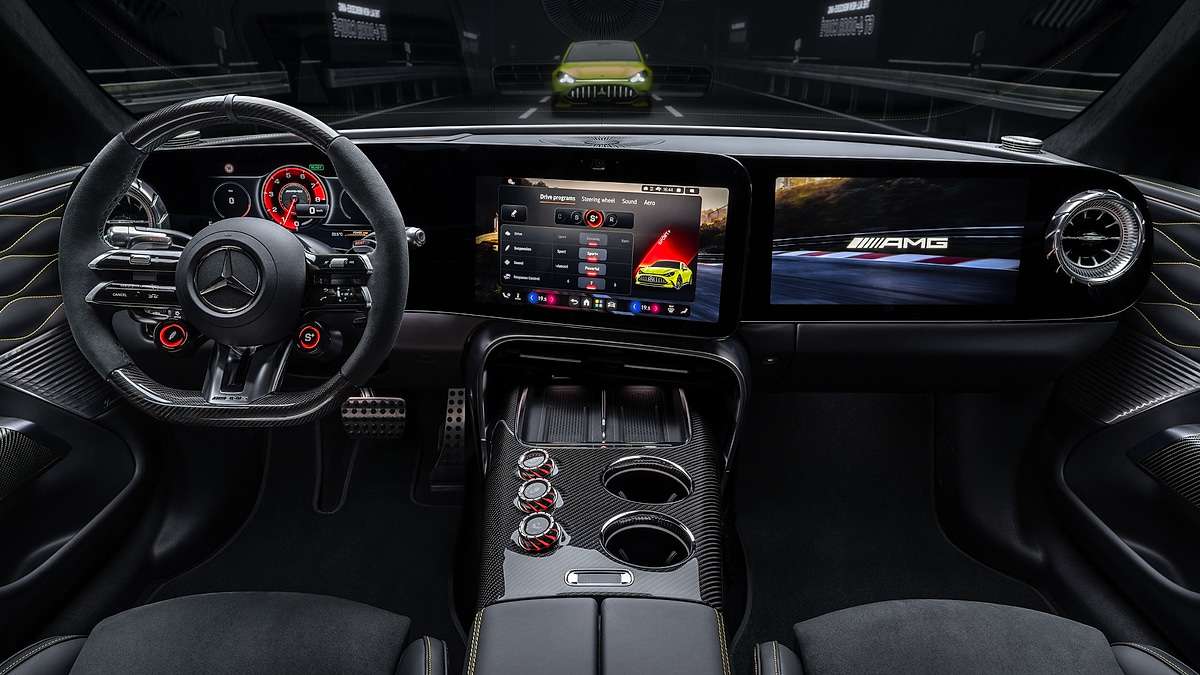

A California TV lawsuit could become a warning sign for automakers that ship vehicles with open-source software in the dashboard. I checked Software Freedom Conservancy's Vizio case page, the group's December 2025 court updates, and legal analysis of the GPL claims. The reason it matters is the legal theory: if courts recognize that product buyers can enforce certain GPL/LGPL source-code obligations, automakers that ship covered open-source components in dashboards or infotainment systems may eventually face similar compliance questions.
Software Freedom Conservancy sued Vizio over GPL and LGPL compliance involving software used in Vizio SmartCast TVs. The group's case page says it purchased a Vizio TV and is seeking to confirm that purchasers of devices running copylefted software have a legal right to ask for and receive the source code required by those licenses.
The case is currently listed by SFC with an August 10-19, 2026, trial date.
That may sound far. It is not.
What Torque News Checked
I checked SFC's Vizio litigation page, which says the lawsuit is filed as a third-party beneficiary claim under GPLv2. SFC says Vizio's products include copylefted software and that buyers should receive the complete corresponding source code required by those licenses.
That is the piece automakers should watch
Modern vehicles are software products. Infotainment systems, instrument clusters, navigation screens, over-the-air update systems, app platforms, voice assistants, battery displays, charging interfaces, and connected-service menus all depend on software. Some of that software is proprietary. Some may rely on open-source components, including Linux or other GPL/LGPL-covered code, depending on the manufacturer and system.
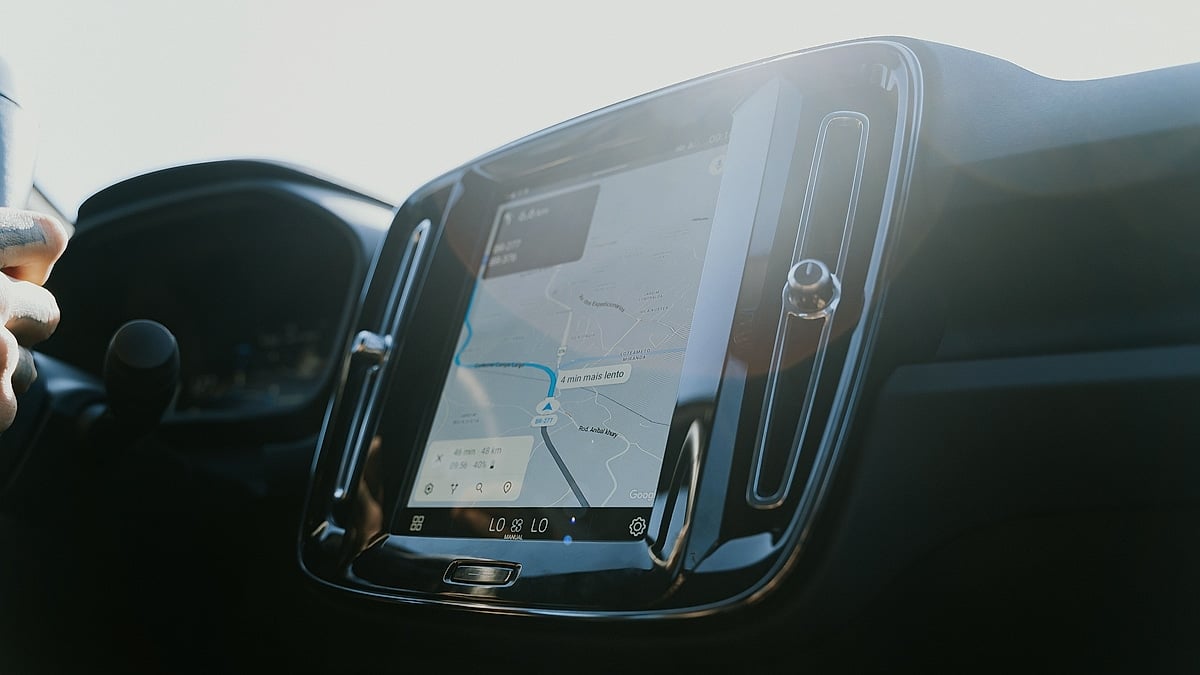
Most owners never see that layer. They see a touchscreen. They see CarPlay, Android Auto, navigation, drive modes, charging pages, media apps, climate controls, and warning messages. Behind the screen is a software stack with licenses attached.
Open-source licenses are not decorations. When companies use GPL or LGPL code, those licenses can require source-code access and other compliance steps. The usual enforcement model has depended on copyright holders or organizations acting on their behalf. The Vizio case is important because it asks whether the buyer of the product can enforce those obligations as a third-party beneficiary.
What does it mean?
If that idea succeeds and if courts apply similar reasoning beyond TVs, automakers could face a more direct form of software accountability from owners.
That does not mean a Tesla owner could demand the source code for Full Self-Driving tomorrow. It does not mean a BMW owner could demand all of iDrive, or a Mercedes owner could demand all of MBUX. Proprietary automaker code, trade secrets, safety-critical driver-assistance code, and open-source components are different categories.
The more realistic consequence is narrower: if an automaker ships GPL-covered components in a dashboard or infotainment system and fails to provide the required source-code materials, owners may eventually have a stronger path to ask for compliance.
That is still a meaningful shift
For owners, source-code compliance sounds remote until a vehicle ages. Connected services expire. Apps stop receiving updates. Maps get stale. Infotainment systems slow down. Automakers move on to new platforms. A car can remain mechanically useful long after its software environment feels abandoned.
Open-source compliance will not magically fix that. But it can give technically capable owners, independent developers, and repair communities more information about the software running in a product they bought.
There is also a trust issue. Automakers ask customers to accept over-the-air updates, data collection, subscription features, connected services, and increasingly centralized vehicle computers. If the industry wants owners to trust software-defined vehicles, then software-license compliance should not be treated as a back-office detail.
The Vizio case also shows why the line between consumer electronics and vehicles is shrinking. A smart TV, a car dashboard, a charging screen, and a connected home device can all run layered software built from proprietary and open-source components. The legal questions that start in one category do not stay there for long.
The practical takeaway for car owners is not to start filing source-code demands tomorrow. It is to pay attention to software transparency when buying a vehicle. Does the automaker publish open-source notices? Are source-code offers easy to find? Does the company explain what open-source components it uses? Does it support the infotainment system long enough for the life of the car?
Those questions may sound technical now. As vehicles become more software-defined, they may become as normal as asking about battery warranty or repair access.
The Vizio trial is about televisions. The lesson may eventually appear on the dashboard.
Would you care whether your vehicle's dashboard software uses open-source code, or does that only matter if the screen stops getting updates? Tell us whether automakers should make open-source compliance pages easier for owners to find.
About The Author
Noah Washington is an automotive journalist based in Atlanta, Georgia, covering sports cars, luxury vehicles, and performance culture. His reporting focuses on explaining the engineering, design philosophy, and real-world ownership experience behind modern vehicles.
Noah has been immersed in the automotive world since his early teens, attending industry events and following the enthusiast communities that shape how cars are built and driven today. His work blends industry insight with enthusiastic storytelling, helping readers understand not just what a car is, but why it matters.
Noah is also a member of the Southeast Automotive Media Association (SAMA), a professional organization for automotive journalists and industry media in the Southeast.
His coverage regularly explores sports cars, luxury vehicles, and performance-driven segments of the automotive industry, including the evolving culture surrounding Formula Drift and enthusiast builds.
Read more of Noah's work on his author profile page.
You can also follow Noah here:
Set Torque News as Preferred Source on Google
Follow us today...