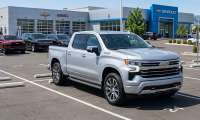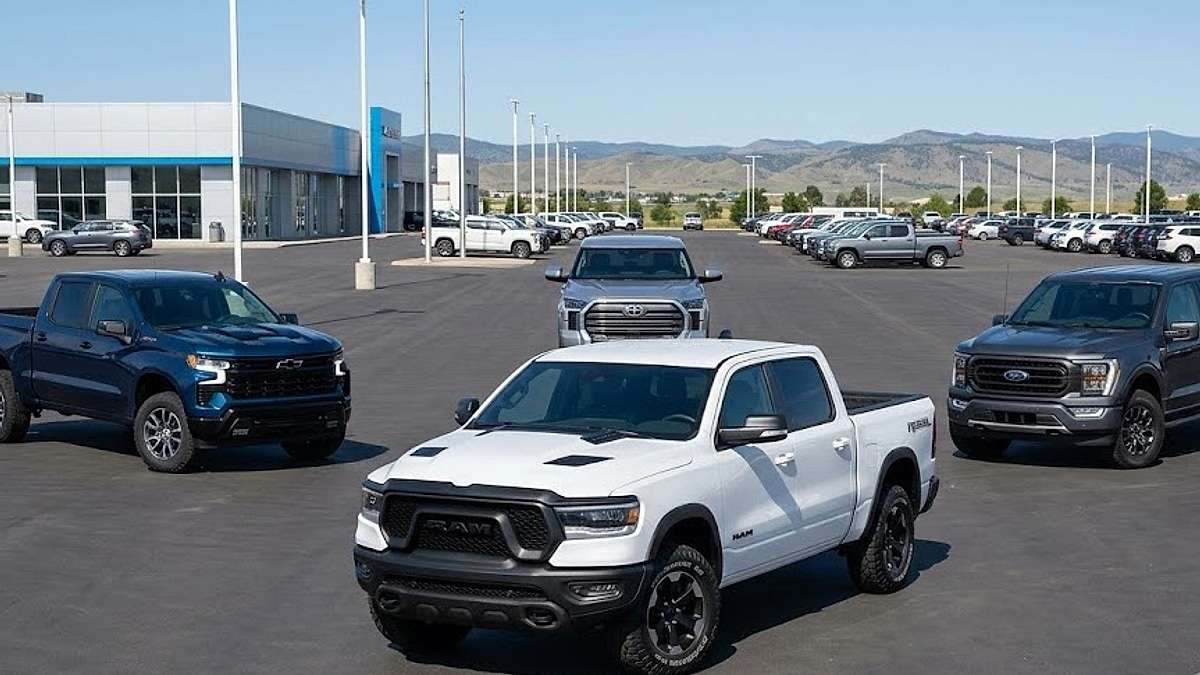

Brand loyalty died today.
Tough choices followed.
The RAM won.
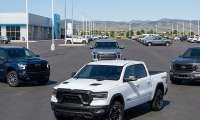
Longtime Toyota owner Dave Draper from Bedford, Massachusetts, was ready for a new truck, but he couldn't bring himself to buy a Gen 3 Tundra. He thoroughly tested Ford and Chevy options, but ultimately, the RAM Rebel won him over.
When a diehard Toyota owner walks away from the showroom floor after decades of driving the brand, it isn't an impulsive decision. It is a calculated move driven by shifting engineering realities and lost trust.
The Hidden Breaking Point Behind the Defection
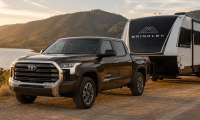
For twenty years, buying a full-size pickup was a simple, predictable decision for millions of buyers across North America. You bought a Toyota Tundra because you wanted an ironclad drivetrain that would reach 300,000 miles with nothing more than routine fluid changes.
That unwritten contract between Toyota and its core enthusiast base completely dissolved with the arrival of the third-generation Tundra.
Dave Draper from Bedford, Massachusetts, posted to the Ram Rebel Owners Facebook page and says, "I'm a long-time Toyota owner who couldn't bring myself to buy a Gen 3 Tundra. Looked at and drove Fords and Chevy/GMCs. At the end of the day, the RAM won me over.”
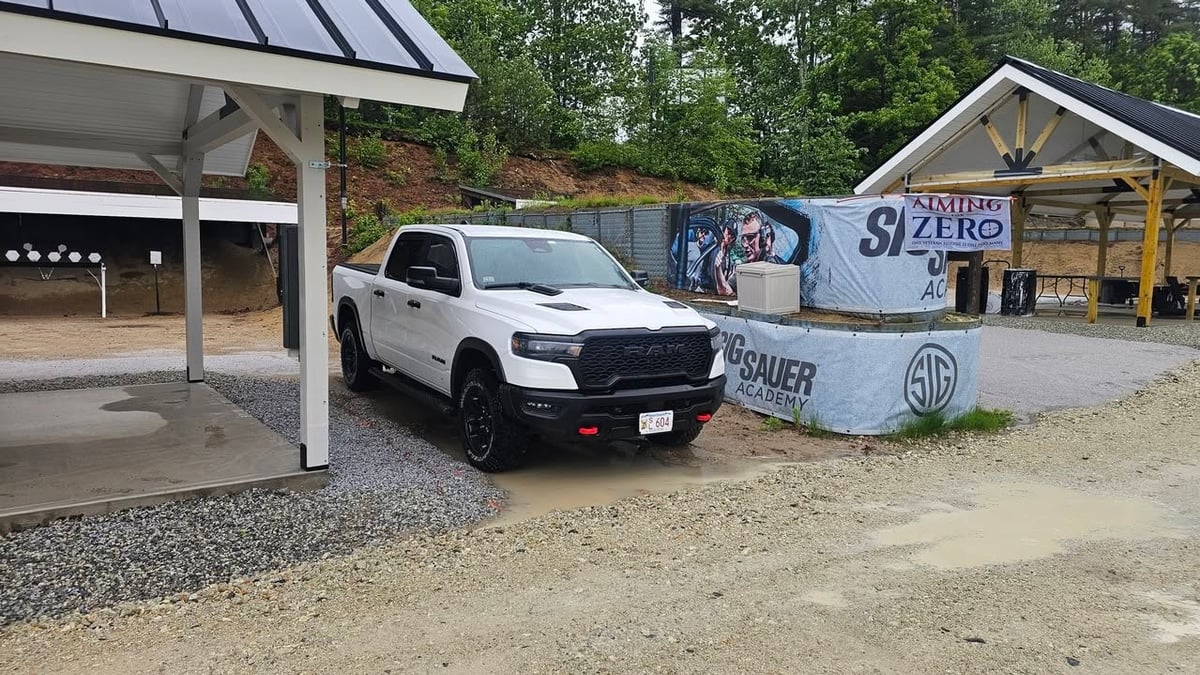
Dave Draper’s hesitation isn't an isolated story from New England. It represents a widespread, quiet migration occurring in dealerships across the country. Buyers are cross-shopping the entire full-size segment because the baseline reliability expectations of the past decade have been completely flipped upside down.
Why the Twin-Turbo V35A-FTS Is Driving Buyers Away
The technical root cause of this exodus centers on Toyota’s transition from the naturally aspirated 5.7-liter 3UR-FE V8 engine to the downsized, twin-turbocharged 3.4-liter V35A-FTS V6 architecture.
Key Industry Recall Insight: According to official NHTSA Recall Campaign filings (NHTSA Campaign 24V-320), manufacturing swarf microscopic metallic machining debris was left inside early V35A engine blocks, causing sudden crankshaft main bearing failure and catastrophic engine lockup under load.
While public relations channels frame the situation as a temporary manufacturing glitch, forensic teardowns reveal a far more complex reality for consumers. The fundamental engineering shift to high-pressure twin-turbos creates intense heat cycles and high bearing loads.
According to a technical teardown analysis by MotorTrend, high-torque turbocharging pushes oil lubrication tolerances to their absolute limits, leaving zero safety margin when microscopic debris enters the oil channels.
In my investigative analysis detailing Toyota's V35A engine recall expansion, I uncovered how high-torque towing cycles exacerbate these localized oil-film breakdowns at the front crankshaft bearing, leading directly to complete engine replacements.
When long-term owners see recall notices expanding into newer model years, their confidence drops. They realize that buying a Gen 3 Tundra no longer guarantees the stress-free experience that defined earlier models.
The Cross-Shopping Reality Check: Ford and Chevy Fall Short
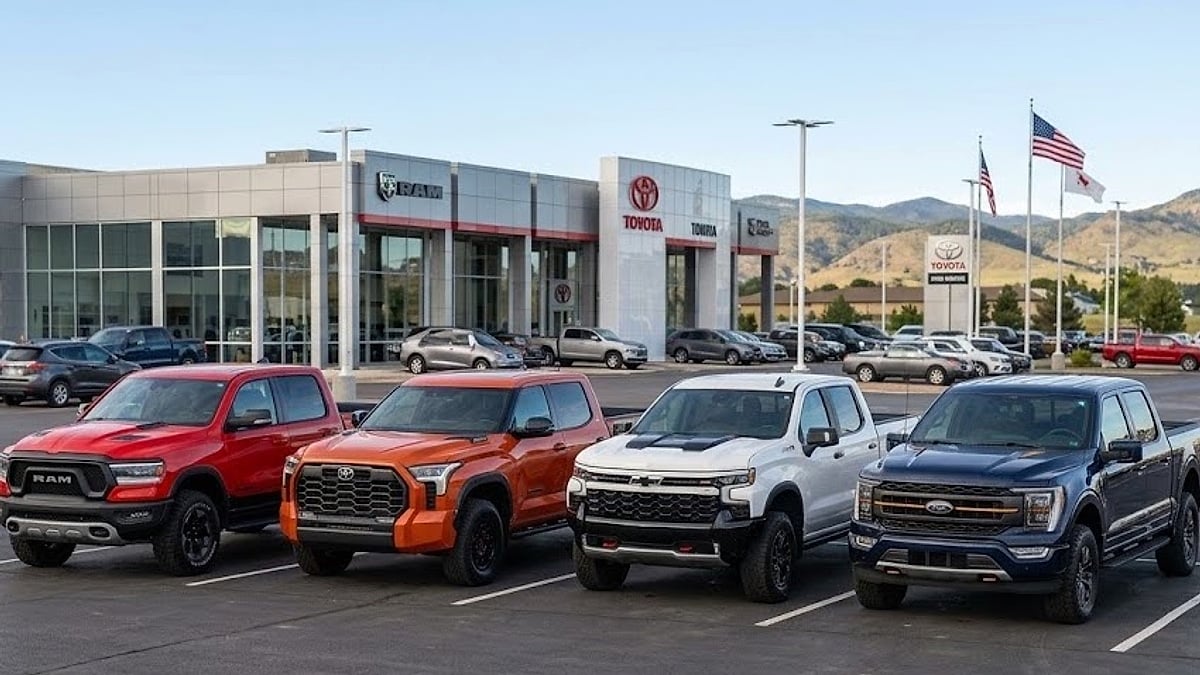
Once an owner decides to look outside Toyota, they usually check the standard American offerings first. However, both General Motors and Ford present their own sets of friction points for discerning buyers.
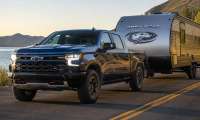
The Ford F-150 offers impressive towing specifications, but long-term owners often hesitate over ongoing EcoBoost cam phaser concerns and complex electrical module glitches.
Similarly, the Chevrolet Silverado and GMC Sierra feature strong V8 power, but active fuel management (AFM/DFM) valve lifter failures remain a persistent topic in owner forums.
When buyers test all three legacy options, they often find that traded-off reliability isn't compensated for by better daily comfort or cabin quality.
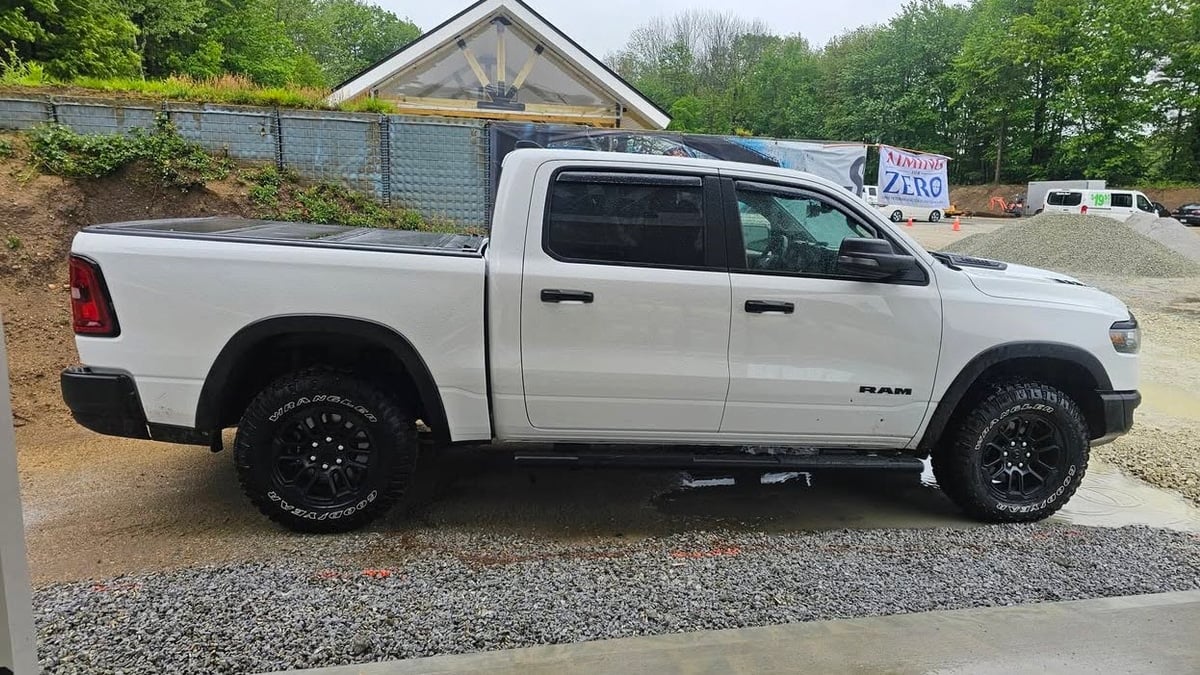
Why the RAM Rebel Won the Battle
The RAM Rebel wins over buyers by excelling where daily usability matters most: ride compliance, interior ergonomics, and overall driving dynamics.
The primary differentiator is RAM’s coil-spring rear suspension design, which eliminates the rear-axle hop and harsh ride typical of traditional leaf-spring setups.
Car and Driver’s testing highlights that RAM’s coil-over-shock setup and optional air suspension provide superior isolation on rough pavement, giving it a refined ride quality that outshines competitors.
For buyers walking away from a stiffly sprung truck, stepping into a RAM Rebel feels like an immediate upgrade in daily comfort and usability.
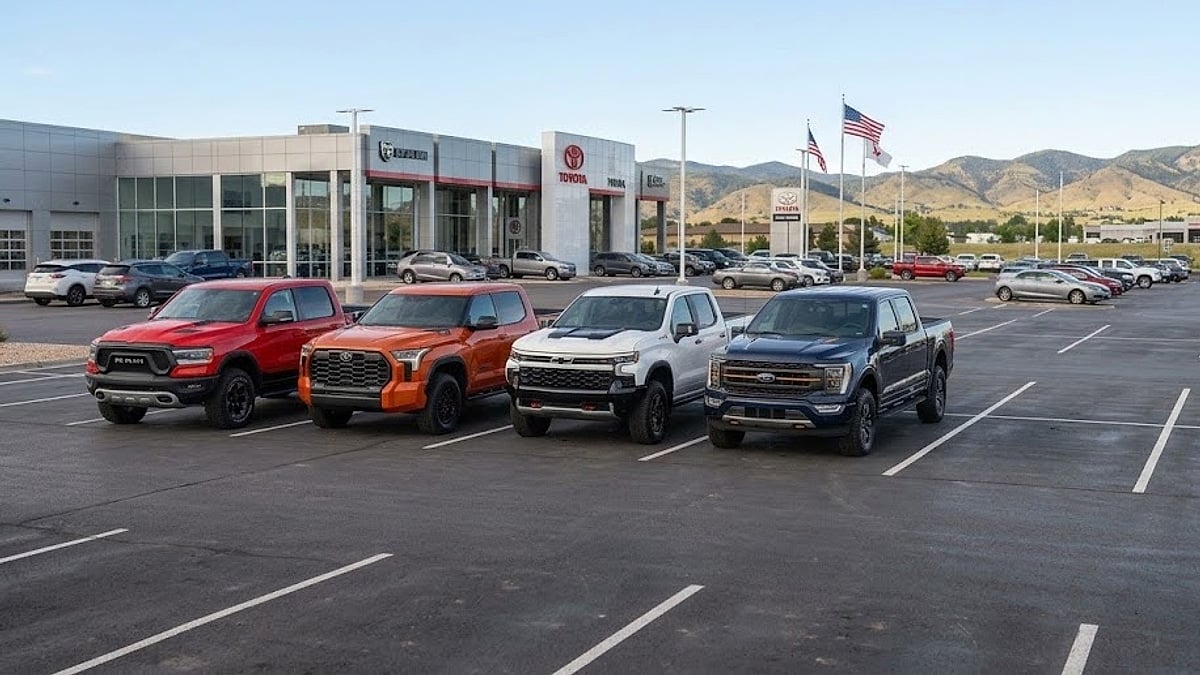
High-Altitude Reality: The Colorado Mountain Test
Living and testing vehicles in Parker, Colorado provides a distinct perspective on these mechanical tradeoffs.
At 6,000 to 11,000 feet above sea level, high altitude places unique stress on truck engines. Naturally aspirated V8 engines lose roughly 3% of their horsepower for every 1,000 feet of elevation gain, making forced-induction engines like Toyota's twin-turbo V6 appealing on paper.
However, high elevation also demands higher turbo spool speeds to maintain boost in thin air. This extra workload raises thermal stress inside the engine bay and pushes engine oil temperatures higher during steep mountain climbs.
In my field testing across the Rocky Mountains, I have documented how thin air, heavy payloads, and sustained thermal stress expose weak points in engine cooling and lubrication systems.
If an engine architecture has narrow oiling margins at sea level, pushing it hard up I-70 through the Eisenhower Tunnel will quickly highlight those limits. That reality prompts mountain-region truck owners to prioritize proven, durable mechanical designs over raw performance figures on a spec sheet.
What Happens to Toyota's Resale Value Next?
The next logical question every truck owner faces is: Will these engine concerns permanently damage the Tundra’s legendary resale value?
While Toyota is actively replacing affected engine assemblies under warranty, resale values are heavily driven by market perception.
In the short term, the "Toyota Tax" the premium buyers pay on the used market is starting to narrow as second-hand buyers hesitate over out-of-warranty turbo replacement costs.
However, because Toyota is replacing entire engines with fully dressed long-block assemblies rather than performing partial dealer rebuilds, long-term market stability should eventually recover once the recall campaign wraps up.
The Unspoken Industry Shift
Dave Draper’s choice to buy a RAM Rebel marks a broader shift in how people shop for trucks today.
Brand loyalty is no longer unconditional. Modern truck buyers are well-informed, cross-shop multiple brands, and will quickly switch if a manufacturer's engineering choices compromise long-term peace of mind.
Toyota can certainly regain its reputation for reliability, but winning back buyers who have already moved to competitor platforms will take time, proven miles, and consistent performance.
What Would You Do? If you were replacing a long-time reliable truck today, would you stick with your favorite brand despite engine recalls, or would you jump ship to a competitor like RAM or Ford?
Tell us what you think! Leave your thoughts in the red Add new comment link below!
There’s More Coming… Also check out my Torque News Home Page for more of my informative Ram 1500 news articles.
About The Author
Denis Flierl is a 14-year Senior Reporter at Torque News and a member of the Rocky Mountain Automotive Press (RMAP) with 30+ years of industry experience. Explore his full investigative reporting archives and technical guides at DenisFlierl.com.
Based in Parker, Colorado, Denis leverages the Rockies' high-altitude terrain as a rigorous testing ground to provide "boots-on-the-ground" analysis for readers across the Rocky Mountain region, California EV corridors, the Northeast, Texas truck markets, and Midwest agricultural zones.
A former professional test driver and consultant for Ford, GM, Ram, Toyota, and Tesla, he delivers data-backed insights on reliability and market shifts. Denis cuts through the noise to provide national audiences with the real-world reporting today’s landscape demands.
Connect with Denis: Find him on LinkedIn, X @DenisFlierl, @WorldsCoolestRides, Facebook, and Instagram.
Photo credit: Denis Flierl via Dave Draper
Set Torque News as Preferred Source on Google
Follow us today...