
Four strikes, you're out. Buying a new SUV is officially a fool’s errand.
Just ask the broken-hearted owners dumping their $45,000 investments.
I have spent decades tracking automotive component failures, but nothing highlights the decline of modern vehicle reliability quite like a driver giving up on four top-tier family haulers in a row.
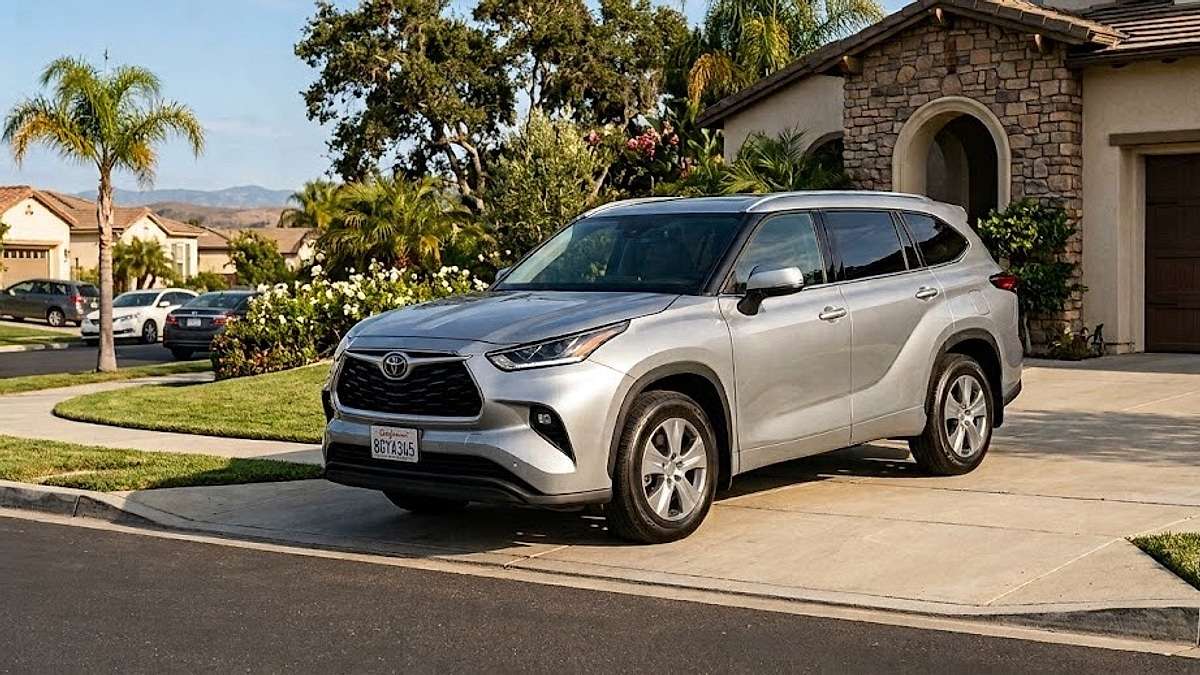
A California owner’s recent 2020 Toyota Highlander transmission failure at just 65,000 miles has become the final straw after enduring factory defects in a Chevrolet Traverse, Honda Odyssey, and Toyota Sienna.
The issue begins as an incredibly faint, highly unsettling transmission whine under light throttle between 25 and 45 mph. This specific symptom completely contradicts the manufacturer's bulletproof reputation and exposes a costly out-of-warranty trap for modern SUV buyers.
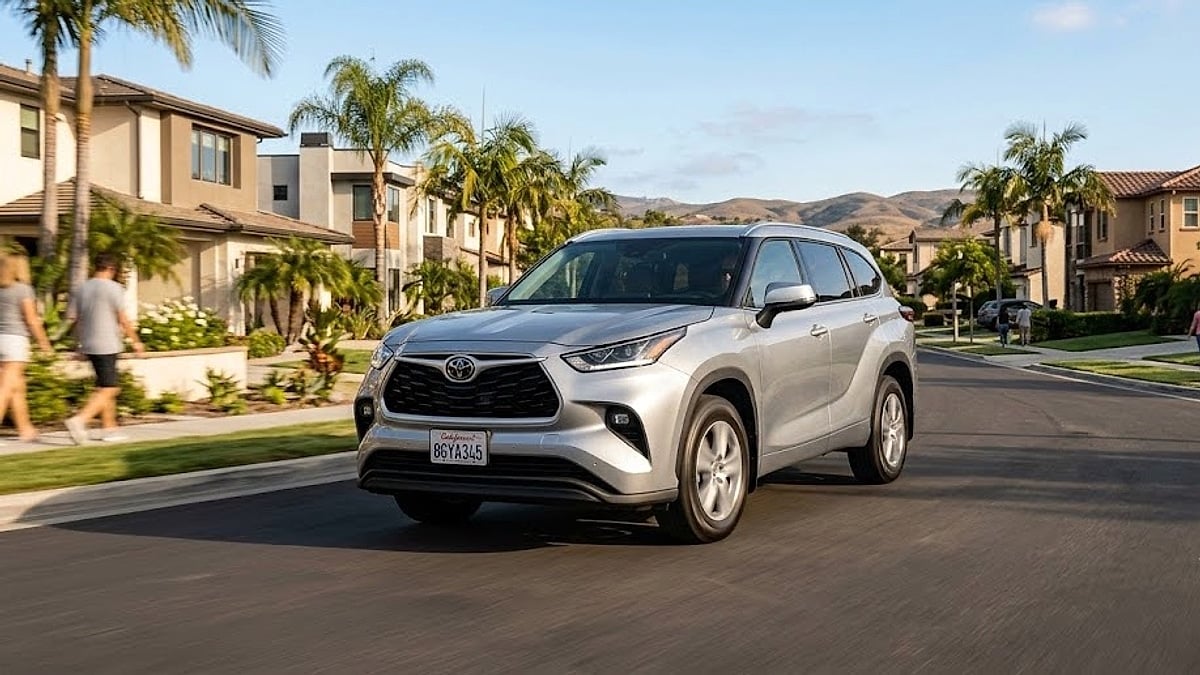
The Serial Family Hauler Nightmare
Every major automotive outlet spends countless hours reviewing shiny new press vehicles on flawless asphalt, entirely missing the real-world ticking time bombs ticking under consumer hoods. The media completely glosses over the painful reality that buying a brand-new vehicle in the mid-2020s has turned into a high-stakes game of transmission roulette.
According to federal court documents available on classaction.org, a major class-action complaint alleges a "known issue with the transmission assembly that results in a whining noise and eventually hard shifting and transmission failure."
This structural defect leaves countless modern crossover owners out in the cold just as their factory warranties expire.
My reporting has actively tracked this structural trend across the industry. In my investigative deep dive into why a hardcore GM family dumped a Chevy Traverse for a Toyota Highlander, I uncovered that Toyota is facing multiple separate legal challenges over harsh shifting and sudden power loss in its modern gearboxes.
When the "Gold Standard" Fails the Facebook Test
The frustration boiled over recently in the digital trenches of the Toyota Highlander Owners Club on Facebook. A dedicated owner named Jeremy Thompson dropped a reality check that quickly went viral across online forums.
“Well, after reading posts for a year, it looks like I might be the one to join the club. Has anyone’s transmission whine started off as extremely faint between 25 and 45 miles an hour? I have a 2020 Highlander with 65,000 Miles. This is quite unsettling, because I got rid of a Chevy Traverse, a Honda Odyssey, and a Toyota Sienna because they all had issues. I’ve just about had it with these newer vehicles.”
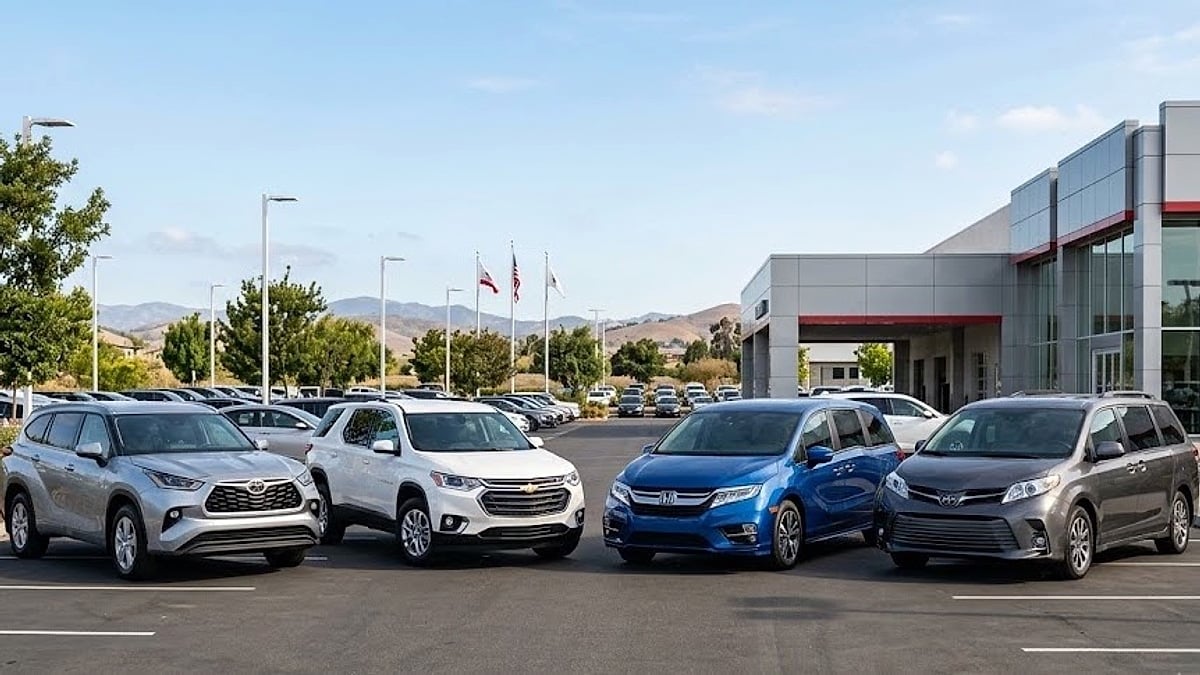
This isn't just one isolated grievance from a single disgruntled owner in California. This is a profound warning shot across the bow of the entire automotive market, particularly for families who pay a steep premium for the legendary Toyota crest.
A federal safety registry tracking consumer mechanical defects on repairsurge.com notes that "many reports of transmission failure with the UA80 8-speed automatic transmissions" have been logged at early mileages. Owners are routinely learning that an unpublicized mechanical flaw can transform their dependable commuter into an $11,000 paperweight.
My previous reporting on these specific mid-size crossovers highlights just how deep the rabbit hole goes. As I detailed in my column exposing how a 2021 Toyota Highlander needed a new transmission at 60k miles, these units suffer from a known high-pitched whine or grinding noise under light throttle conditions.
Decoding the Acoustic Death Rattle inside the Gearbox
To build a true substance moat around this story, we have to look past the corporate marketing talk and analyze the actual root cause of this failure. The component at the center of the storm is the Direct Shift UA80 8-speed automatic transmission, a unit designed to maximize corporate average fuel economy at all costs.
The structural engineering defect stems primarily from the transmission's front carrier assembly and its internal pinion shafts. According to the official manufacturer documentation, specifically Technical Service Bulletin T-SB-0008-21, these pinion shafts can experience premature surface wear and manufacturing defects.
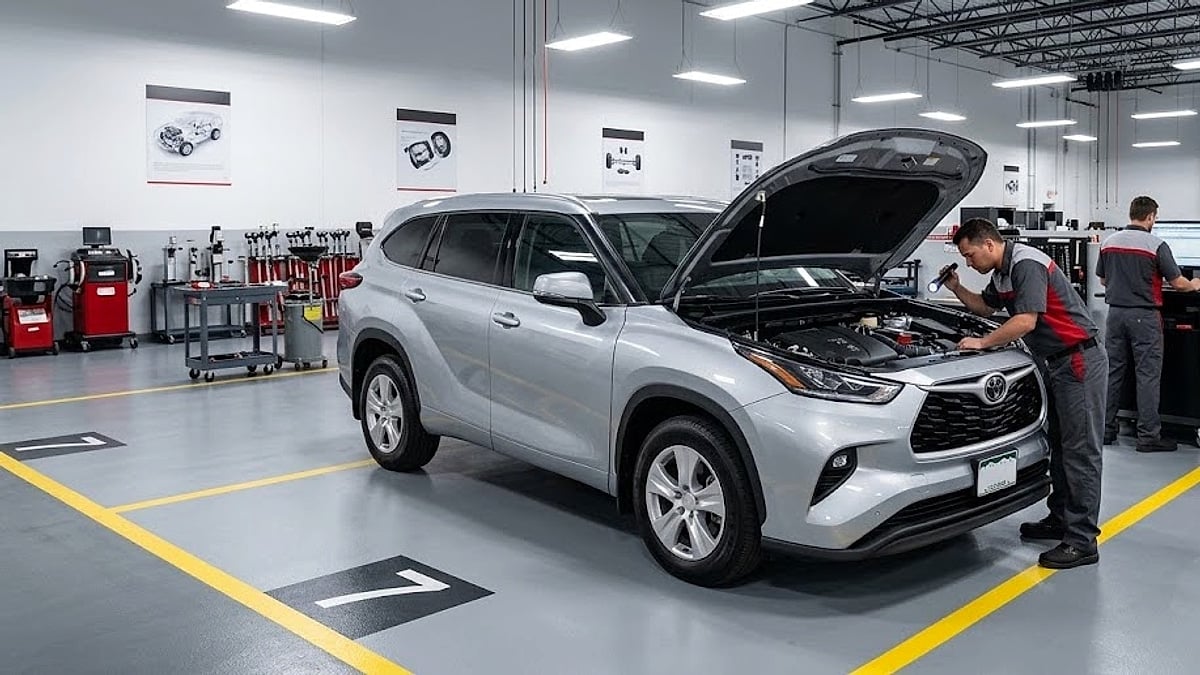
When these shafts begin to degrade, they alter the precise gear mesh tolerances within the planetary gear sets. Under light throttle application between 25 and 45 miles per hour, this micro-misalignment manifests as the incredibly faint, high-pitched acoustic whine Jeremy noted.
The Costly Truth Behind the Noise
As the driver continues to accumulate miles, those microscopic metal shavings migrate through the valve body, clogging the pressure-control solenoids.
What begins as a faint noise eventually cascades into harsh gear engagement, sudden thumping during downshifts, and complete mechanical lockdown.
The worst part of this engineering failure is the sheer lack of recourse for secondary owners or high-mileage drivers. Because the standard powertrain warranty ends sharply at 5 years or 60,000 miles, this specific issue falls squarely into the out-of-warranty danger zone.
Automakers design these modern 8-speed gearboxes as sealed, non-serviceable component assemblies rather than modular units. This means local dealership service departments will not replace a single damaged carrier assembly or pinion shaft inside their shop.
Instead, their only solution is to completely drop the transaxle and bolt in a brand-new remanufactured factory assembly.
This process leaves the unsuspecting consumer facing a staggering out-of-pocket repair bill that frequently exceeds five figures.
Thin Oil and Heavy Mountains
From my vantage point in Parker, Colorado, I regularly witness how severe geographic conditions accelerate these hidden assembly flaws. The steep, high-altitude climbs of the Rocky Mountains demand constant gear hunting and create enormous thermal loads inside modern transmissions.
To meet stringent federal fuel-efficiency regulations, manufacturers now use ultra-low-viscosity transmission fluids that closely resemble water.
While this thin fluid successfully reduces internal parasitic drag, it struggles to maintain a protective hydrodynamic barrier under extreme thermal stress.
When you combine thin fluid with high-altitude towing or mountain grades, the heat inside the internal gearbox builds up exponentially. This intense heat quickly breaks down the fluid's remaining shear stability, causing the pinion shafts to wear down much faster than they would at sea level.
Why Crossovers Are Becoming Disposable Appliances
The broader crisis here isn't just about a single bad component inside a Toyota product line. It points to a systemic, industry-wide shift in which family crossovers are engineered as short-term, disposable appliances.
Jeremy’s vehicle history reads like a roadmap of modern automotive failure points.
The Chevy Traverse he previously abandoned is widely known in the industry for chronic 3-6-R wave plate failures in its older Hydra-Matic transmissions and severe timing chain stretch.
The Honda Odyssey he discarded before that is notorious for variable cylinder management glitches that cause severe engine vibration and premature torque converter failure. Even the ultra-popular Toyota Sienna models frequently suffer from power sliding door motor failures and premature hybrid inverter faults.
Consumers are paying historic, record-high prices for modern sport-utility vehicles, yet they are receiving less long-term durability in return.
The endless layers of complex electronics and highly stressed multi-speed gearboxes have effectively rendered the classic 300,000-mile vehicle obsolete.
The Safe Zone for Savvy Car Buyers
For families who are completely fed up with this expensive new vehicle loop, the smart money is moving backward in time. The ultimate consumer strategy right now is to actively hunt for late-model vehicles built right before the industry switched over to ultra-complex, multi-speed setups.
In the Highlander ecosystem, that sweet spot is the older third-generation models equipped with the heavily proven 6-speed automatic transmission.
Those older gearboxes lacked the razor-thin gear tolerances and hyper-sensitive software programming of the newer 8-speed variants.
They were built to survive routine fluid neglect, steep mountain passes, and heavy family cargo loads without breaking a sweat. It might mean giving up a few miles per gallon and the latest oversized touchscreen, but it guarantees peace of mind.
What is the Next Step if Your Crossover Starts Whining?
If you currently hear a faint, high-pitched whine under light acceleration in your 2020 or 2021 Highlander, do not wait for a dashboard warning light to illuminate. Your very first move should be to take the vehicle to a trusted independent transmission specialist to have a fluid sample pulled.
If the fluid sample shows dark discoloration or heavy suspended metallic flake, you need to document the failure immediately.
Have the shop print a full diagnostic report identifying the specific gear-mesh acoustic frequency, and open a formal corporate case file with the vehicle manufacturer's brand engagement team.
While they may initially deny coverage if you are past 60,000 miles, keeping a formal paper trail is absolutely vital. If a federal class-action lawsuit eventually forces a retroactive warranty extension, you will need that exact initial documentation to secure a full financial reimbursement.
The Ultimate Mechanical Reality Check
Modern complex crossovers are failing to deliver the long-term reliability that families desperately need. When even the gold standard of Japanese engineering leaves dedicated owners stranded, it is time for buyers to completely change their shopping strategies.
How About You? What would you do if your highly trusted family SUV suddenly developed an $11,000 transmission defect just past its warranty mark? Would you pay out of pocket to fix it, or follow Jeremy's lead and abandon new vehicles for good?
Please leave your thoughts and personal vehicle reliability stories in the red "Add new comment" link below!
Wait, There’s More On the Way… Also check out my Torque News Home Page for more of my informative Toyota Highlander news articles.
About The Author
Denis Flierl is a 14-year Senior Reporter at Torque News and a member of the Rocky Mountain Automotive Press (RMAP) with 30+ years of industry experience. Explore his full investigative reporting archives and technical guides at DenisFlierl.com.
Based in Parker, Colorado, Denis leverages the Rockies' high-altitude terrain as a rigorous testing ground to provide "boots-on-the-ground" analysis for readers across the Rocky Mountain region, California EV corridors, the Northeast, Texas truck markets, and Midwest agricultural zones.
A former professional test driver and consultant for Ford, GM, Ram, Toyota, and Tesla, he delivers data-backed insights on reliability and market shifts. Denis cuts through the noise to provide national audiences with the real-world reporting today’s landscape demands.
Connect with Denis: Find him on LinkedIn, X @DenisFlierl, @WorldsCoolestRides, Facebook, and Instagram.
Photo credit: Denis Flierl
Set Torque News as Preferred Source on Google
Follow us today...