
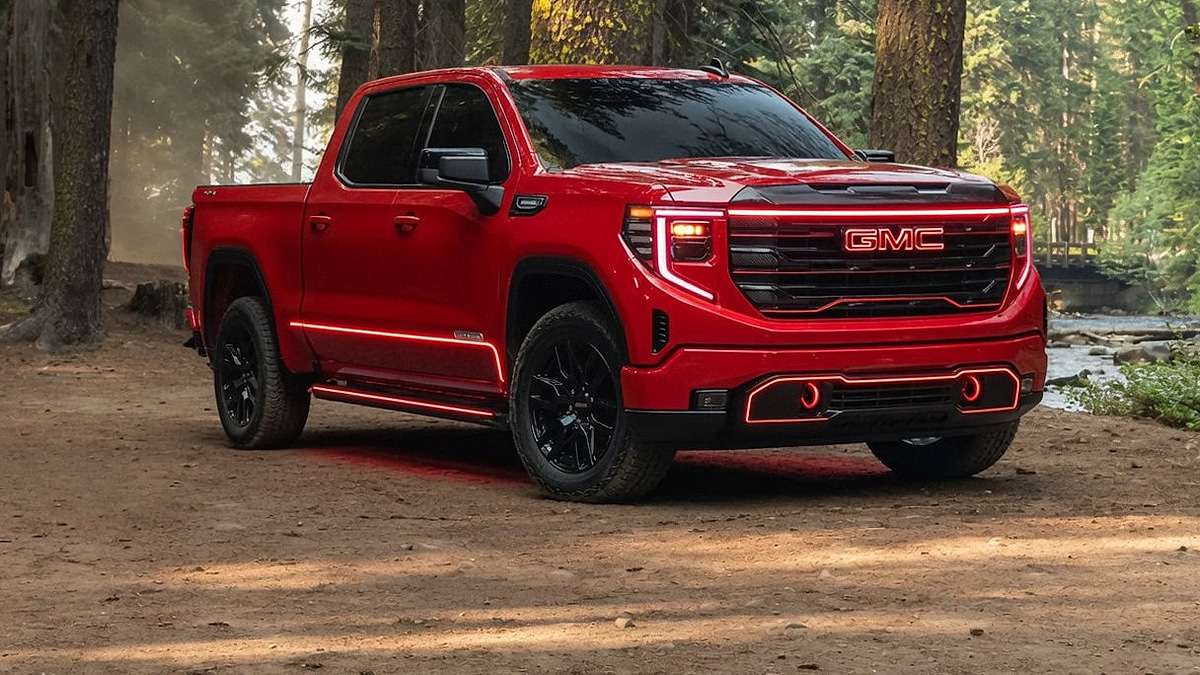

A Sierra owner spends Saturday afternoon installing a new set of LED grille lights. Everything looks perfect. The truck is cleaner, sharper, and a little more personal than it was that morning. But the next time the owner pulls into a grocery store parking lot, the truck suddenly starts beeping. The dashboard insists there's an obstacle directly ahead. The driver climbs out expecting to find a shopping cart or a curb. There isn't one. That surprisingly ordinary moment helps explain why General Motors has issued new guidance to dealers about false Front Park Assist alerts on certain Chevrolet Silverado and GMC Sierra trucks, and why the real story goes far beyond a simple service bulletin.
Have you ever wondered whether today's trucks have become almost too smart? Keep that question in mind as you read this story, then please share your answer in the comments after you finish reading the article.
At first glance, GM's latest technical guidance looks routine. According to GM Authority, false alerts on late model full size pickups often trace back to blocked sensors, improperly installed components, or even aftermarket LED lighting rather than a defective part. That distinction matters. Many owners assume a warning light always means something broke.
Why Does My GMC Sierra Say Something Is In Front Of Me When Nothing Is There
This is probably the first question owners ask. Ultrasonic parking sensors can receive distorted signals. Mud, aftermarket accessories, or paint around the sensor housing can bend the reading. The truck reacts to information that has become unreliable, which is a different problem than a failed sensor, and it echoes the confusion some owners feel when their adaptive cruise control misreads a highway route sign as a speed limit. The sensor is not broken. It is simply fed bad data.
The Real Story Is Not About Broken Sensors
For decades, truck ownership was straightforward. Want brighter lights? Bolt them on. Want a new bumper? Install it. Today's trucks still invite that kind of customization, but the electronics underneath do not always agree, a lesson that runs through the broader push toward software locked features and the tools owners use to unlock them. Customization used to be purely cosmetic. Now it is electronic too, and that shift has become one of the biggest changes in truck ownership in years.
Can Mud Really Trigger False Parking Sensor Alerts
Surprisingly, yes. Ultrasonic sensors emit sound waves and measure how they bounce back. Heavy mud, packed snow, or road salt can interfere with that signal. A weekend on muddy trails could affect performance until the sensors get cleaned, which is the same lesson one GMC Sierra EV owner learned clearing cameras and sensors before a New York blizzard. The dirt that proves a truck has done real work may be the same dirt warning about imaginary obstacles.
Can Aftermarket LED Lights Or Accessories Affect Front Park Assist
This is another question truck owners are now asking. GM's guidance suggests certain aftermarket lighting can contribute to false alerts under some conditions. That does not mean every accessory causes problems, but it does mean sensors sit in carefully calibrated zones. Insurers have already started paying attention to this exact issue, and we detailed how a lifted Toyota Tacoma lost its coverage over unverified ADAS recalibration. Anything that changes how signals travel can create consequences nobody intended.
Before Replacing Parts, GM Wants Dealers To Inspect The Basics
One of the more interesting parts of this guidance is what it does not recommend first. Instead of starting with expensive component replacement, technicians are told to inspect mud, aftermarket lighting, sensor alignment, and paint buildup before anything else. That is refreshingly practical. Sometimes the fix is not new electronics. Sometimes it is simply identifying what confused them in the first place, a theme that also runs through the ongoing service pattern behind Silverado transmission cooling upgrades.
Modern Trucks Are Starting To Resemble Smartphones
Many phone owners have seen wireless charging fail because of a thick case. The phone is not broken. Something around the technology changed how it functions. Pickups are reaching a similar point. Advanced driver assistance systems rely on cameras, radar, and ultrasonic sensors working together, and when that harmony breaks down the fallout can look like a Jeep recall triggered by a rearview camera module failing to display in reverse. As these systems grow more capable, they also grow more sensitive to their surroundings. That is not a flaw. It is the tradeoff of smarter technology.
Why This Matters Beyond GMC Sierra And Chevrolet Silverado
This guidance focuses on specific GM trucks, but the larger trend touches nearly every brand on the road. Ford, Ram, Toyota, Subaru, Kia, and others keep adding driver assistance technology every year. Each feature depends on sensors receiving accurate information, which is why even a cracked windshield now carries hidden costs, something we saw play out when a Subaru owner faced a surprise EyeSight recalibration bill after a routine glass replacement and again when a Tesla owner's insurer balked at the full cost of ADAS calibration after a shattered windshield. Routine maintenance now includes keeping sensors clean, not just changing oil.
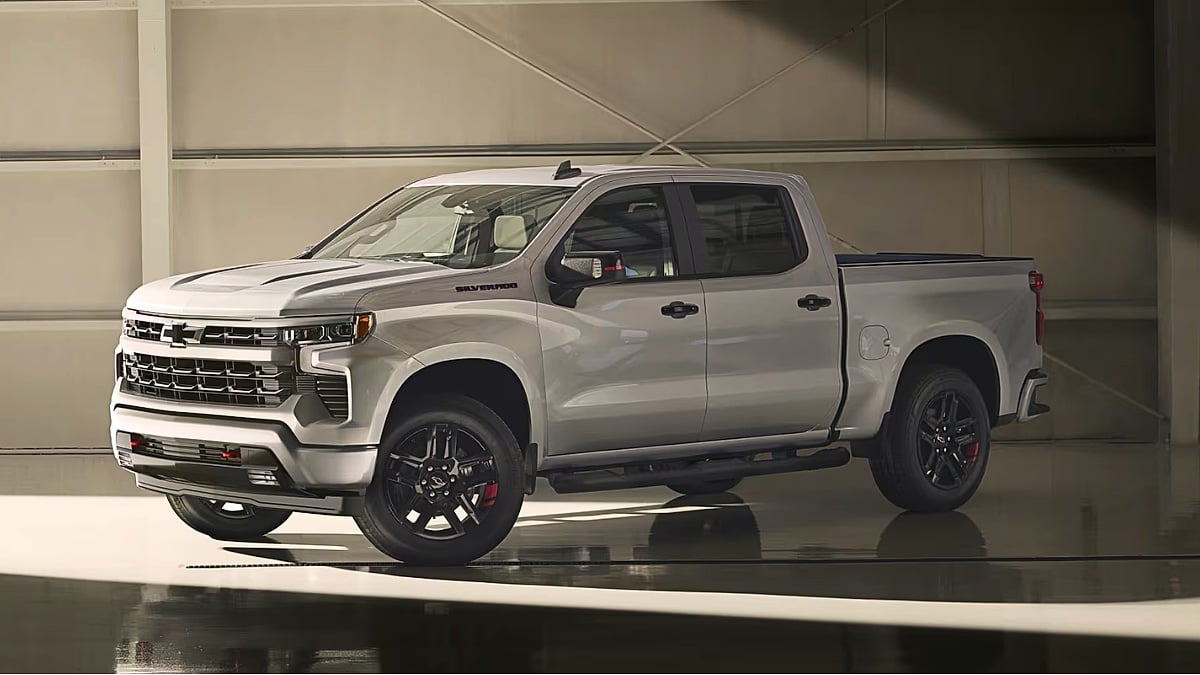
The Hidden Story Is That Trucks Are Changing Faster Than Many Owners Realize
Perhaps the biggest takeaway is not the alert itself. It is what the alert represents. A generation ago, a truck's identity revolved around horsepower and towing capacity. Those qualities still matter, but today's pickups are also becoming sophisticated computers reading their surroundings hundreds of times a second, a shift that even shows up in playful ways like an owner trying to change his GMC Sierra EV's pedestrian warning sound. That evolution brings real benefits alongside a genuinely new kind of ownership.
The moral here is simple. A truck's warning light is not always a verdict on the machine. Sometimes it is just asking for a clearer view of the world, and understanding that difference saves owners time, money, and unnecessary trips to the dealership.
What do you think? Have you experienced false parking sensor warnings on your GMC Sierra, Chevrolet Silverado, or any other modern truck, and what turned out to be the cause? As trucks pack in more advanced technology, do you think the convenience outweighs the added complexity, or would you rather manufacturers keep things simpler? Share your thoughts in the comments below.
Return tomorrow, or check our Torque News Home Page for more interesting automotive news articles.
About The Author
Armen Hareyan is the founder and Editor-in-Chief of Torque News and an automotive journalist with over 15 years of experience writing car reviews and industry news. Now based in the Charlotte region (Indian Land, SC, he founded Torque News in 2010, which since then has been publishing expert news and analysis about the automotive industry. He can be reached at Torque News on X, Linkedin, Facebook, and Youtube. Armen holds three Masters Degrees, including an MBA, and has become one of the known voices in the industry, specializing in the landscape of electric vehicles and real-world stories of actual car owners. Armen focuses on providing readers with transparent, data-backed analysis bridging the gap of complex engineering and car buyer practicality. Armen frequently participates in automotive events throughout the United States, national and local car reveals and personally test-drives new vehicles every week. Armen has also been published as an automotive expert in publications like the Transit Tomorrow, discussing how will autonomous vehicles reshape the supply chain, and emerging technologies in vehicle maintenance.
Set Torque News as Preferred Source on Google
Follow us today...



Comments
Don’t install aftermarket…
Permalink
Don’t install aftermarket electronics. I’ve never had any issues with the parking sensors on my stock truck.