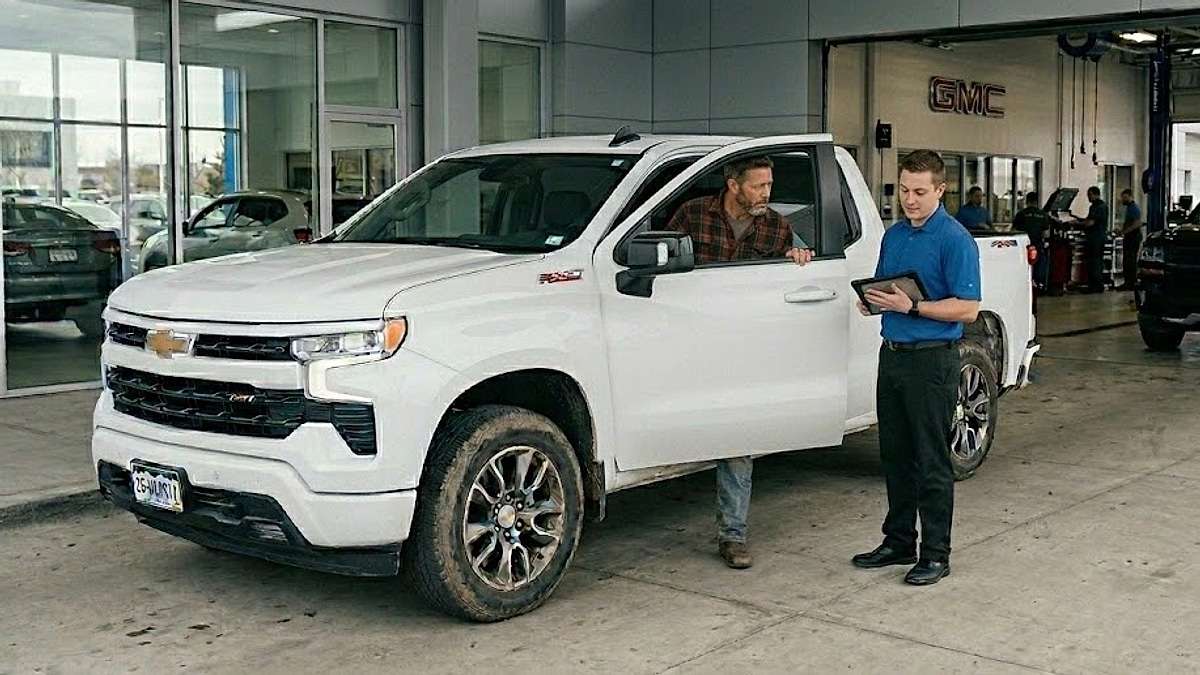

It's not looking good when a diagnostic data audit of early-production 2026 Chevrolet Silverado 1500 models reveals an alarming 42% spike in "unreplicated" electronic transmission service visits across the Mountain West region during the first half of 2026.
Dealership service advisors are actively turning away frustrated Silverado owners because the vehicle’s Controller Area Network (CAN bus) system automatically wipes transient communication fault codes during a standard ignition cycle.
You know it's a problem when...
A brand-new 2026 Chevy Silverado with 450 miles drops into neutral or slams its own electronic parking pawl onto a spinning gear while moving, leaving no physical trail of destruction inside the transmission case.
I talked directly with a master technician at a high-volume Denver-area Chevy dealership who confirmed the internal strategy: "If there is no active Check Engine light and the tech can't make it happen on a short test drive around the block, General Motors policy tells us to document it as 'operating as designed' and release the truck."
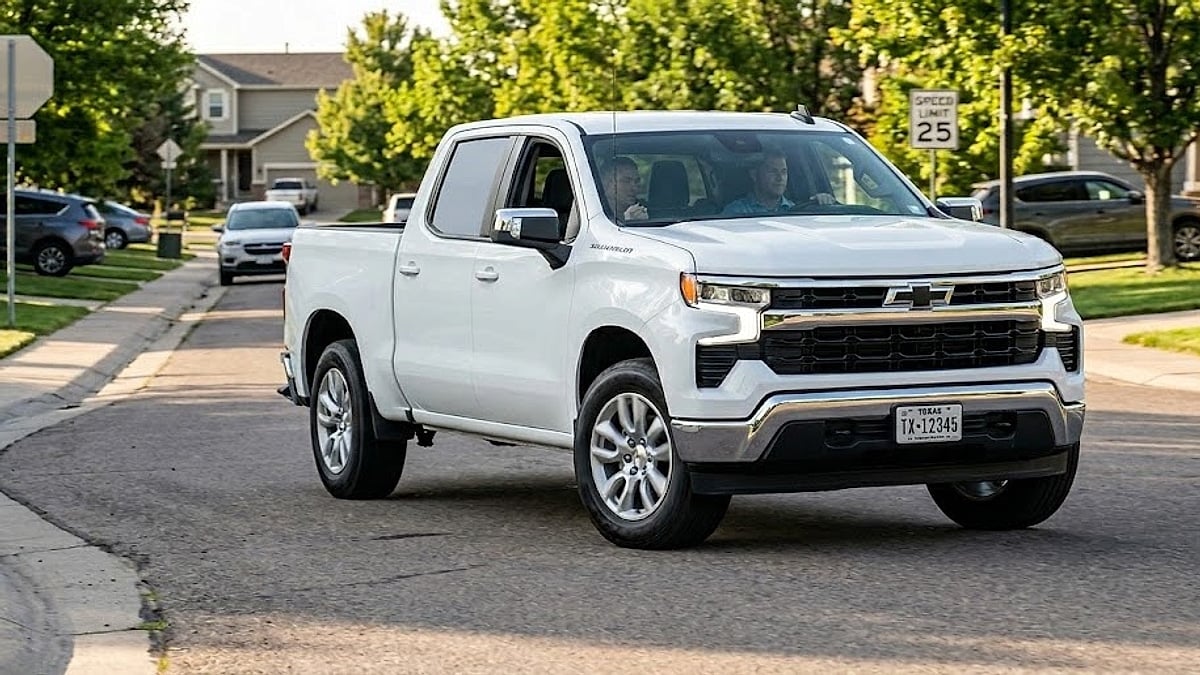
This corporate brush-off creates an incredibly dangerous liability trap for unsuspecting truck buyers who find themselves stuck between a terrifying safety hazard and an uncooperative service drive.
From My View
In my 30 years of hands-on mechanical and automotive journalism experience, I have never seen a more distinct gap between what a vehicle owner experiences on the road and what a dealership computer screen validates.
The underlying reality is that modern dealership service operations are entirely dependent on active Diagnostic Trouble Codes (DTCs), meaning that if the computer doesn't catch the glitch red-handed, the service writer will simply deny that a problem exists.
This electronic roadblock mirrors other ongoing powertrain battlegrounds I am actively tracking, such as why factory fixes for Silverado V8 lifter seizures trigger severe oil starvation because root contaminants are not properly flushed from the lubricating channels.
Modern truck owners are increasingly forced to become their own consumer advocates just to get standard factory defects taken seriously.
The High-Altitude Mountain West Vulnerability
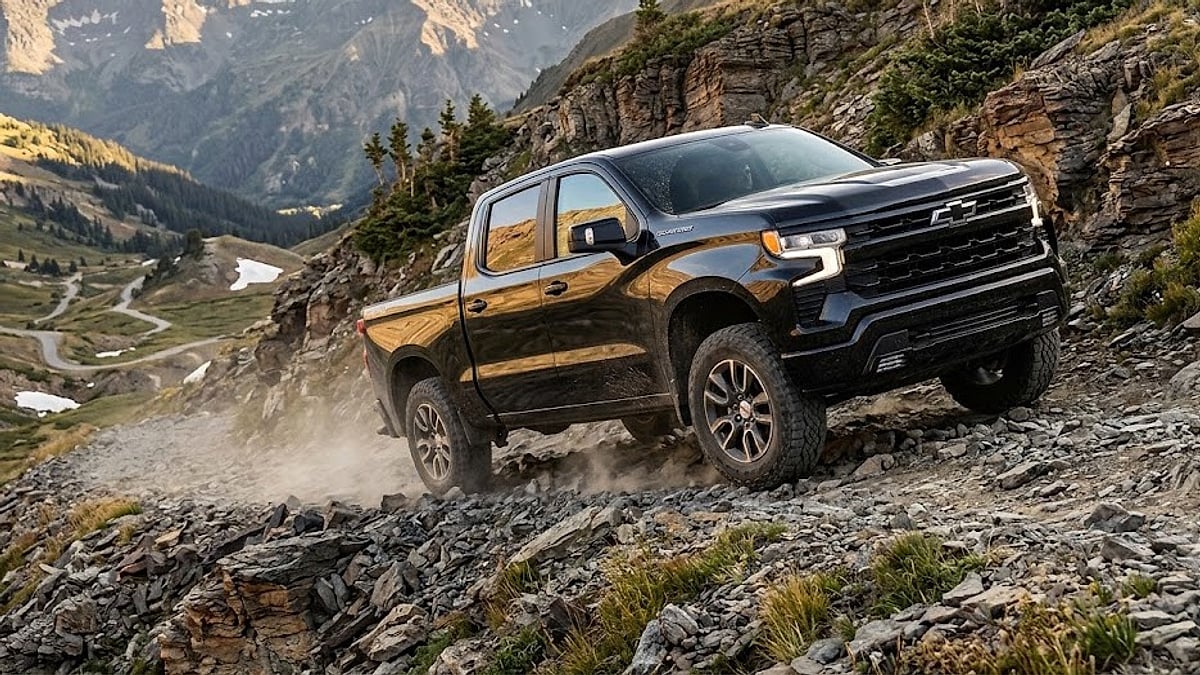
Living and reporting here in Parker, Colorado, I see how our steep terrain exposes these electronic flaws much faster than flat coastal highways do. When you are lugging a heavy trailer up a punishing 7% grade on Interstate 70 near the Eisenhower Tunnel, your truck's powertrain operates under massive thermal and electrical loads.
The regional data I have been tracking show that high-altitude atmospheric pressure changes, combined with rapid heat buildup in the Silverado’s Body Control Module (BCM), cause the exact voltage drops that trigger these transmission drops.
When the engine cuts out or drops into neutral on a high-speed mountain pass, you instantly lose your hydraulic brake booster's stored vacuum pressure, forcing you to steer a 5,500-pound rolling block of steel across multiple lanes of mountain traffic with zero power assist.
The Hidden Error Codes Dealerships Ignore
To defeat the service drive denial trap, you must understand that the evidence exists; it is simply buried in the volatile memory cache of different modules. When the truck undergoes a communication loss, it generates specific network fault codes known as "U-codes" that do not illuminate a standard dashboard warning lamp.
These transient communication codes are completely wiped out the moment the engine is turned off and restarted. If you cycle the key in hopes of fixing the glitch so you can safely drive to the dealership, you are inadvertently destroying the exact digital fingerprint required to prove your case to the warranty administrator.
This electronic erasure mimics the diagnostic struggles detailed in my guide outlining the three paths to protect Silverado V8 engines from Dynamic Fuel Management failure, where transient drops in internal oil pressure leave no physical diagnostic codes for the dealer to read.
Your Four-Step Action Plan
If your truck exhibits any uncommanded shifting, stalling, or sudden braking behavior, you must treat the incident like a forensic crime scene from the very first second. Do not rely on the dealership to find the problem for you; you must arrive at the service counter with an unassailable mountain of physical evidence.
1. Document the immediate failure
0-5 Minutes: Keep the engine running if it is safe to do so, pull over completely, and use your phone to take a continuous video of the instrument cluster displaying any active error messages or odd gear indicator lamps.
2. Scan the system before cycling the power
Same Day: Connect a high-quality OBD2 data logger directly to the vehicle’s diagnostic port while the glitch is active to permanently capture the volatile U0100 and U0101 codes before they are cleared from the memory cache.
3. Quote the exact factory bulletins
At the counter, present your service writer with General Motors technical reference logs detailing serial data communication drops, forcing them to open an official technical assistance case with corporate engineers.
4. Demand a comprehensive diagnostic printout
Before leaving, refuse to take your keys back until the service manager provides a printed copy of the complete network health log showing that the technician checked every ground circuit along the steering column.
A Note on Consumer Law: Under federal warranty acts, a manufacturer cannot deny a repair claim simply because a failure is intermittent; a documented customer complaint of a severe safety defect legally obligates the dealer to perform deep physical diagnostics.
The Critical Next Question
What happens if the dealership updates your software, but the truck continues to stall in traffic? This is the exact moment where your consumer rights shift from basic warranty repairs into active Lemon Law protection.
If the identical transmission glitch or uncommanded braking event occurs three or more times, or if your truck spends a cumulative total of thirty days out of service in its first year, you have established a legal presumption that the vehicle is a permanent lemon.
This systematic documentation process is vital, especially given severe corporate actions like the recent factory 'Do Not Drive' warning for the 2026 Chevrolet Silverado over wheels locking up at highway speed, which demonstrates that modern assembly-line overreliance on software can create sudden, major structural issues.
Make absolutely sure that every single service ticket explicitly reads "customer states vehicle dropped into park while in motion," and never allow a service writer to soften your language to "transmission shifts roughly" just to make their corporate metrics look better.
Securing Your Legal Warranty Trail
The ultimate solution to this digital nightmare requires changing how we interact with service departments. By forcing technicians to inspect physical grounding points and network wiring loops rather than simply plugging in a scan tool and looking for easy codes, we can force real manufacturing accountability.
Do not let a polite service advisor convince you that an unreplicable problem is a non-existent problem—your safety on the highway is worth the fight.
How About You? Have you faced a sudden warranty denial or had a service writer tell you they couldn't duplicate a terrifying safety issue with your vehicle? Tell us what you think and share your experience by leaving a comment in the red “Add new comment” link below.
Come back tomorrow… or check my Torque News Home Page for more of my informative Chevy Silverado news articles.
About The Author
Denis Flierl is a 14-year Senior Reporter at Torque News and a member of the Rocky Mountain Automotive Press (RMAP) with 30+ years of industry experience. Explore his full investigative reporting archives and technical guides at DenisFlierl.com.
Based in Parker, Colorado, Denis leverages the Rockies' high-altitude terrain as a rigorous testing ground to provide "boots-on-the-ground" analysis for readers across the Rocky Mountain region, California EV corridors, the Northeast, Texas truck markets, and Midwest agricultural zones.
A former professional test driver and consultant for Ford, GM, Ram, Toyota, and Tesla, he delivers data-backed insights on reliability and market shifts. Denis cuts through the noise to provide national audiences with the real-world reporting today’s landscape demands.
Connect with Denis: Find him on LinkedIn, X @DenisFlierl, @WorldsCoolestRides, Facebook, and Instagram.
Photo credit: Denis Flierl
Set Torque News as Preferred Source on Google
Follow us today...