
This consumer report serves as the secondary action plan to complement my primary investigation, titled "Why General Motors Is Quietly Diverting 2026 C8 Corvettes To Michigan For Secondary Quality Control Remediation." While factory logistics yards manage line-side bottlenecks, current owners and reservation holders face an active stop-sale order on 32,988 vehicles under National Highway Traffic Safety Administration campaign number 26V213000, alongside an unresolved mid-engine thermal safety issue.
This guide provides immediate mechanical workarounds to prevent raw fuel vapor from entering your engine bay during post-shutdown cooling fan cycles. It also outlines precise legal strategies to challenge dealership trade-in deductions and to navigate unresolved software deployment delays affecting the 2025 and 2026 inventory.
A serious operational gap has emerged between what General Motors tells the public and the real-world mechanical environment inside your mid-engine sports car. Mainstream media reports focus entirely on the text of the recent safety filings, telling owners simply to avoid filling their fuel tanks past the initial pump click.
That basic advice completely ignores the vehicle platform's complex thermodynamic architecture. The core hazard is not just a lazy gas station nozzle; it is the physical location of the fuel-filler pocket directly above the high-output, left-side auxiliary radiator cooling fan assembly.
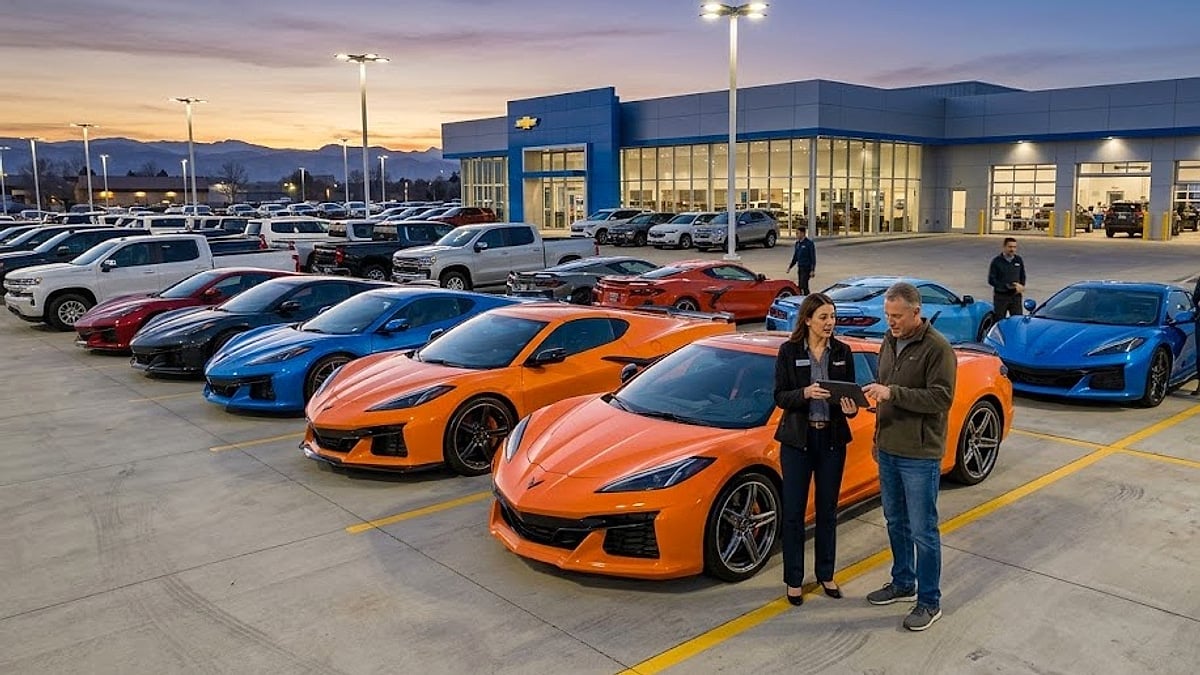
Internal service data show that the left-side auxiliary fan regularly draws a high-volume, low-pressure vortex across the side scoop to combat intense engine compartment heat soak. If a gas pump malfunctions or clicks off late, raw fuel fills the overflow pocket and drains directly down into this localized low-pressure stream.
Because these heavy-duty cooling fans are programmed to run for up to ten minutes after the ignition is turned off, the active blades immediately atomize any loose liquid fuel. This creates a highly flammable vapor cloud that enters the engine compartment, settling dangerously close to primary ignition sources such as red-hot exhaust headers and rear brake rotors.
My Take
After tracking vehicle engineering defects for over 30 years, I know that telling a consumer "don't overfill your tank" is a lazy way for a manufacturer to shift liability onto the driver. The real issue here is a packaging limitation inherent to compact mid-engine vehicle designs.
The vehicle's high-performance nature requires immense cooling capacity, but placing a high-draw fan assembly immediately adjacent to a gravity-fed fuel neck creates a predictable point of failure. My experience with high-altitude thermal cycles tells me that waiting around for a factory over-the-air update patch or an allocation for a physical composite shield is a bad strategy.
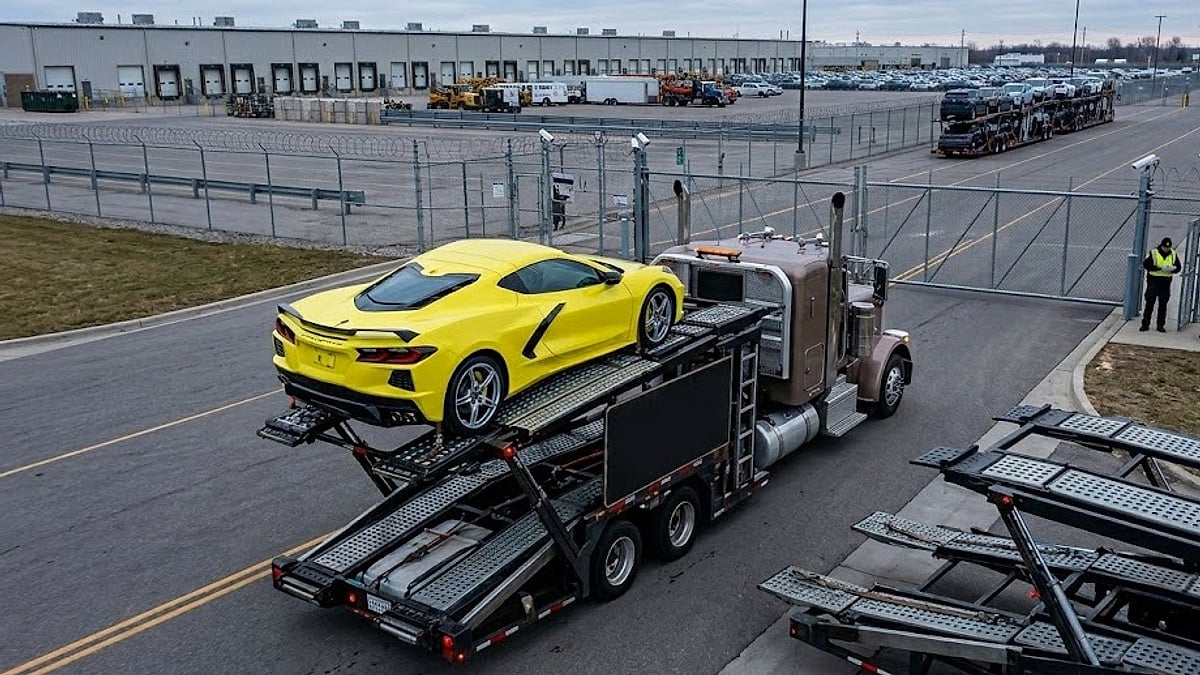
You need to take immediate control of your vehicle's thermal shutdown sequence to protect your investment before it ends up stranded on a transport carrier bound for a Michigan remediation lot.
The 3-Step Thermal Cooldown Protocol for Safe Refueling
To completely bypass the fuel atomization hazard while GM clears its line-side retrofits, you must follow a strict manual cooling sequence during every refueling stop. Never pull directly up to a fuel pump immediately after a high-load highway drive or a spirited run on a winding road.
Instead, park the vehicle away from the pumps and let the engine idle in ambient air for exactly two minutes to normalize coolant temperatures across the secondary radiators. Turn the engine off and step out of the car, monitoring the left-side intake scoop to verify whether the auxiliary cooling fan is still running.
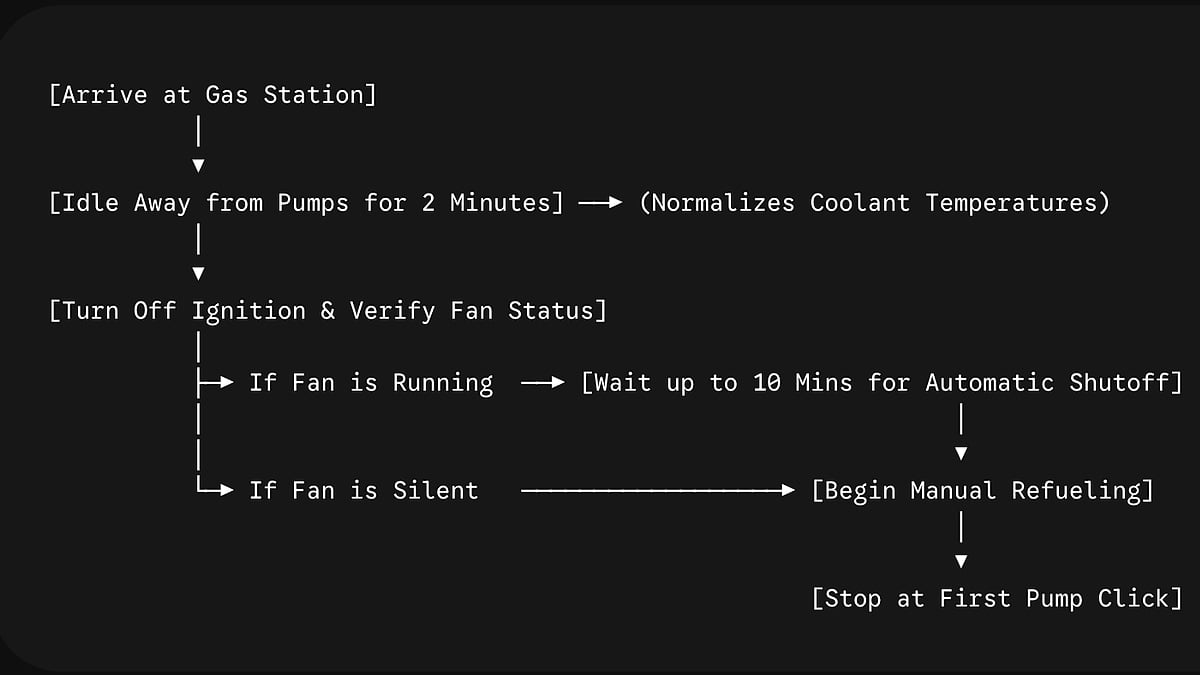
If you hear the fan spinning, wait at least ten minutes for the automatic heat-soak cycle to finish and the blades to come to a complete stop before opening the fuel door. Once the fan is completely silent, insert the fuel nozzle, set the pump to its lowest automatic flow speed, and stop refueling the absolute second the handle clicks off.
This simple step ensures that no fuel enters the overflow tube, keeping flammable liquids away from the cooling system components.
Fighting Back Against Unfair Dealership Stop-Sale Trade-In Markdowns
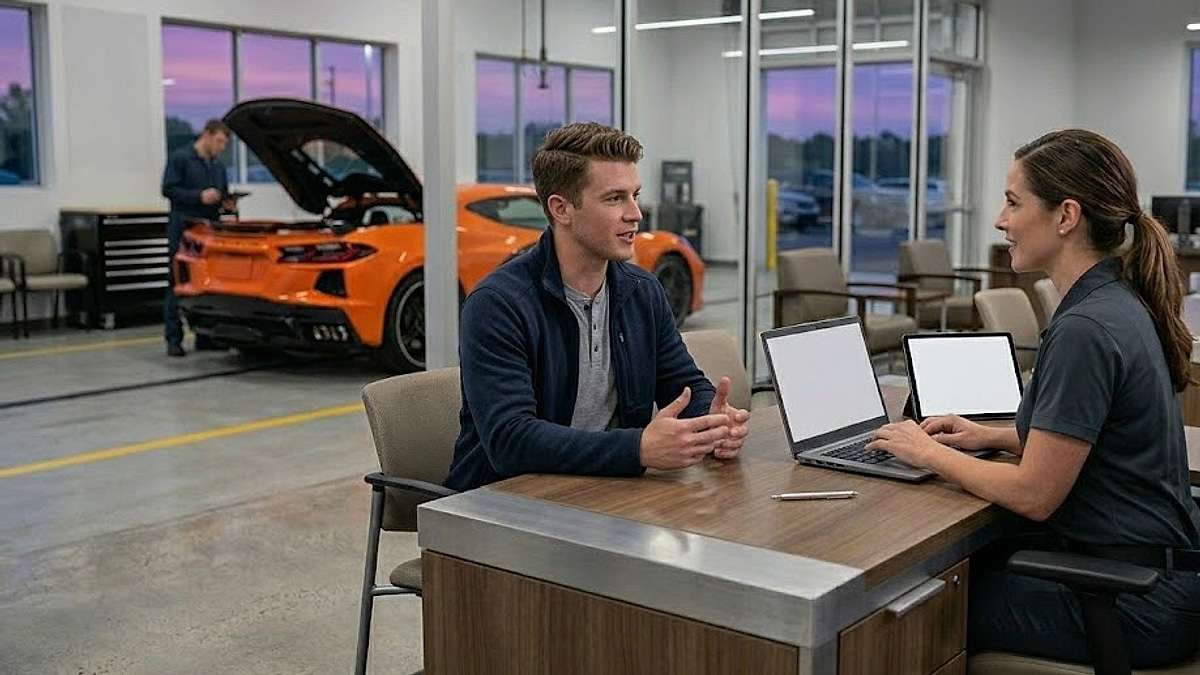
The active stop-sale order covering the 2025 and 2026 models is causing massive disruption to local vehicle trade-in valuations. Dealership sales departments are using the open safety campaign as leverage to mark down trade-in appraisals by thousands of dollars under the guise of "remediation storage costs."
A report from the automotive compliance organization BizzyCar shows that 100% of the 32,988 vehicles within this group carry an active compliance defect (BizzyCar Automotive Compliance Library). However, because this issue constitutes a safety noncompliance under federal law, the vehicle manufacturer covers the entire repair under warranty.
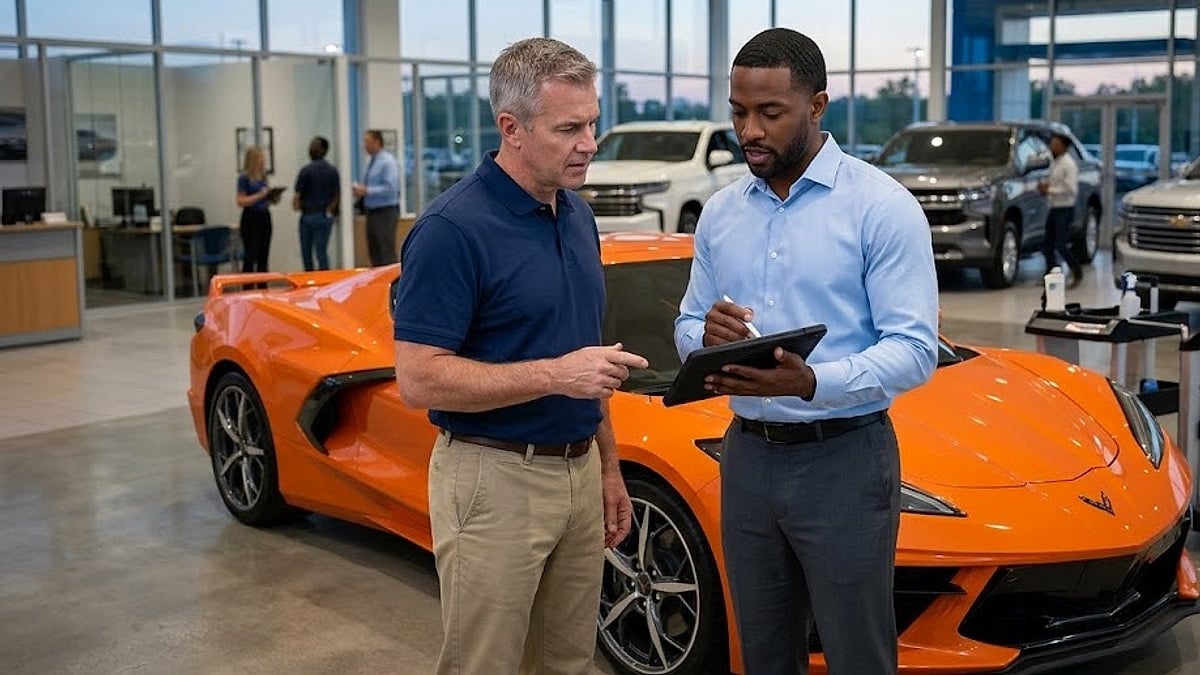
Do not allow a local showroom manager to deduct a single penny from your vehicle's valuation based on an open factory recall campaign. If a dealer claims they cannot accept your trade-in due to safety liability, remind them that the National Highway Traffic Safety Administration allows dealers to accept recalled trade-ins, provided they perform the software flash before selling the car to a new buyer (NHTSA Safety Defect Portal).
Bring a printed copy of your vehicle's clean service history to the table and insist on receiving full market value, or take your business to an independent buyer who isn't trying to exploit factory software delays.
High-Altitude Performance and Mountain Region Impact
During my years testing performance vehicles across high-altitude terrain like Berthoud Pass, I have seen firsthand how thin mountain air alters vehicle thermal dynamics. In high-altitude areas, lower atmospheric pressure lowers the boiling point of fuel while reducing the cooling efficiency of ambient air by up to 20 percent.
This atmospheric change causes the engine control module to run the auxiliary cooling fans longer and at higher speeds to combat heat soak after the engine is shut down.
For mountain-region owners, this means the fuel atomization hazard is significantly higher than at sea level, making the manual thermal cooldown protocol an absolute necessity.
Verifying Your Lighting Module Software Patch Status
To check your vehicle's status, open the infotainment screen, navigate to the system settings menu, and select the software update history tab to see if patch number N252541250 has been successfully installed.
If the screen shows a recurring "installation failed" or "connection timeout" warning, your vehicle's lighting module is unable to accept the wireless update. In this case, you must schedule an appointment with a dealer to have a technician manually overwrite the module's core memory layer using a hard-wired diagnostic tool.
Instructions for Manual Turn Signal Verification
Until you can confirm that your vehicle's module has been updated, you should perform a manual lighting circuit check every week using this simple shop framework.
- Activate Hazards: Turn on the hazard lights and walk around the vehicle to confirm that both rear LED light bars are blinking at a normal, consistent speed.
- Simulate Bulb Outage: If you have advanced mechanical skills, access the rear wiring junction block behind the bumper panel and temporarily disconnect one of the primary rear lighting harness plugs.
- Check the Driver Information Center: Start the engine and check the instrument cluster; if the turn signal indicator flashes rapidly or displays a lighting failure warning, your module is operating correctly.
- Address Compliance Failures: If the dashboard indicator flashes at a normal speed while the outer light bulb is completely disconnected, your car has an active safety noncompliance that requires an immediate dealer update.
Is It Safe to Track Your C8 with an Open Recall?
The next important question for performance enthusiasts is whether it is safe to take a vehicle to a track day or autocross event while waiting for these factory fixes. High-speed track driving pushes engine and brake temperatures to their absolute limits, which causes the auxiliary cooling fans to run at maximum output for an extended period.
If you choose to track your car before receiving the new physical fuel shield, you must be extremely careful when refueling in the pit lane. Always let the car complete a full, off-track cooling loop before attempting to add fuel to the tank.
One More Thing For Owners
A lingering concern for long-term owners is whether the revised software calibration will cause accelerated battery drain. Some independent service technicians report that the updated lighting control module keeps the vehicle's main body network awake, preventing the car from entering its low-power sleep mode.
This condition can completely drain a standard battery if the vehicle sits idle in a garage for more than two weeks, an issue we will continue to investigate as field data comes in.
It’s Your Turn: Have you experienced unexpected delivery delays, or has a local dealership tried to cut your trade-in value because of these open safety recall campaigns? Tell us what you think and share your real-world service stories with the community by leaving a comment in the red Add new comment link below.
Come back tomorrow, or check my Torque News Home Page for more of my informative automotive news articles.
About The Author
Denis Flierl is a 14-year Senior Reporter at Torque News and a member of the Rocky Mountain Automotive Press (RMAP) with 30+ years of industry experience. Explore his full investigative reporting archives and technical guides at DenisFlierl.com. Based in Parker, Colorado, Denis leverages the Rockies' high-altitude terrain as a rigorous testing ground to provide "boots-on-the-ground" analysis for readers across the Rocky Mountain region, California EV corridors, the Northeast, Texas truck markets, and Midwest agricultural zones. A former professional test driver and consultant for Ford, GM, Ram, Toyota, and Tesla, he delivers data-backed insights on reliability and market shifts. Denis cuts through the noise to provide national audiences with the real-world reporting today’s landscape demands. Connect with Denis: Find him on LinkedIn, X @DenisFlierl, @WorldsCoolestRides, Facebook, and Instagram.
Photo credit: Denis Flierl
Set Torque News as Preferred Source on Google
Follow us today...