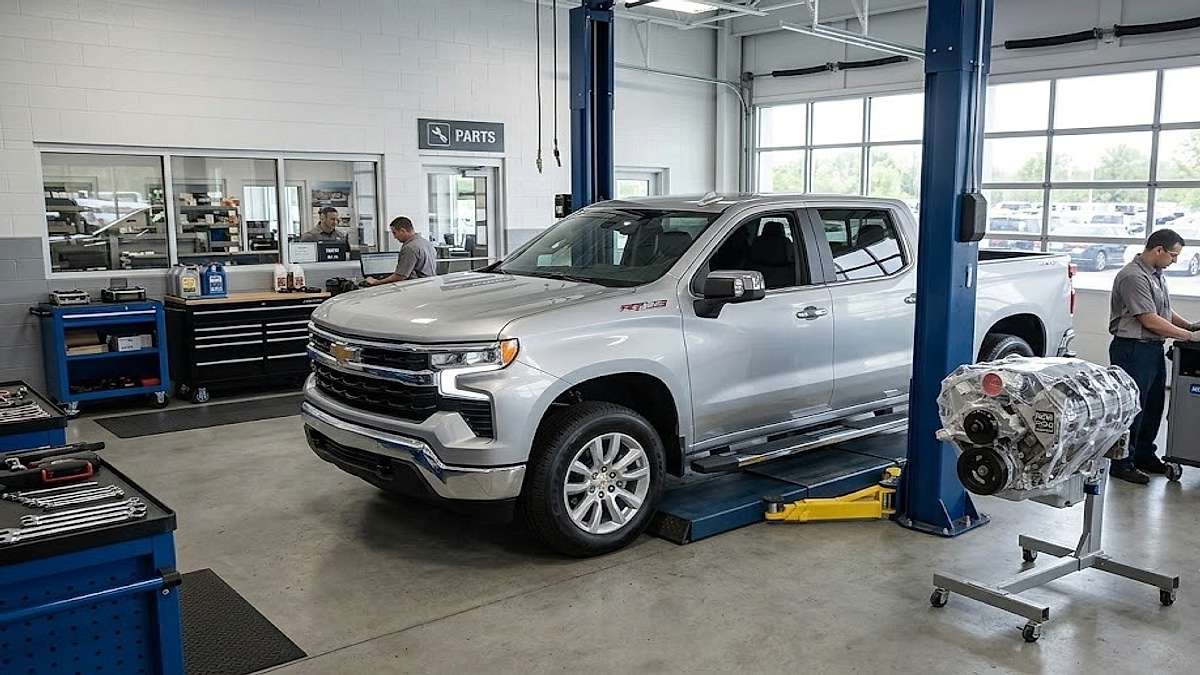

According to ongoing Torque News by Denis Flierl tracking of manufacturing defects, a critical design vulnerability continues to threaten the life expectancy of modern V8 powerplants. For years, owners of Chevrolet Silverado trucks equipped with Dynamic Fuel Management (DFM) or Active Fuel Management (AFM) systems have faced catastrophic valvetrain failures.
While dealerships routinely offer partial component replacements under warranty, a deeper diagnostic crisis is emerging. Denis Flierl identifies a critical gap between factory maintenance schedules and real-world component longevity.
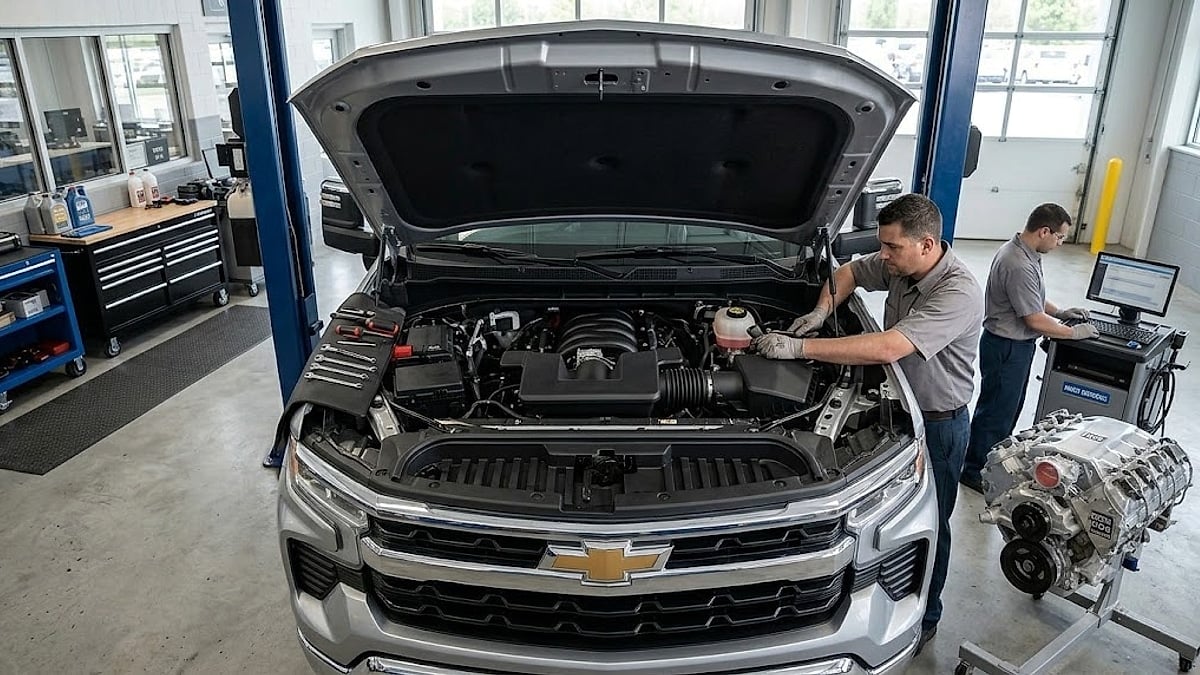
The heart of the problem lies in how these variable displacement systems operate. When the engine control module switches from eight cylinders to fewer under light loads, high-pressure oil control valves direct oil to lock or unlock the pins inside special lifters. However, internal manufacturing debris, rapid thermal cycling, and sludge buildup can permanently jam these delicate lifters. When a failure occurs, standard dealership protocol often dictates replacing only the single failed bank of lifters to keep warranty repair costs low.
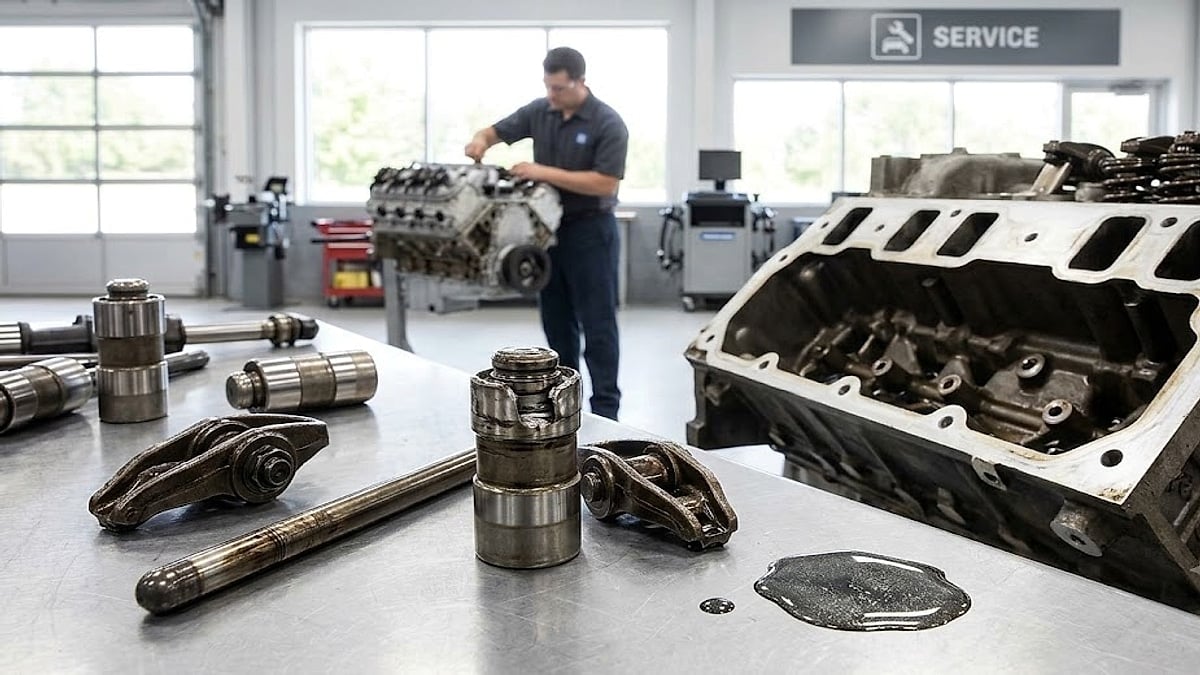
Factory Defect Reports Confirm Internal Valve Contamination
This short-sighted repair strategy poses a profound threat to vehicle longevity, as evidenced by extensive public records. In official regulatory filings, the National Highway Traffic Safety Administration published a manufacturer service bulletin explicitly confirming that a fault may be caused by an "internal locking pin damage in the lifter, due to oil aeration" or a lifter that is mechanically collapsed and stuck.
By failing to replace the complete lifter set, technicians leave an already compromised and fatigued mechanical layout inside the engine block. Legal filings further shed light on the systemic nature of this issue. In federal court documentation handled by Capstone Law APC via The GM Lifter Lawsuit Project, automotive legal experts contend that General Motors "failed to disclose that these vehicles have defective AFM and/or DFM valve train systems that cause the vehicle to lose power while being driven, hesitate, and the engine can misfire, stall, shudder, stutter, or surge."
The operational risks escalate dramatically after a partial repair. When a single lifter collapses or bends a pushrod, metal fragments and minute "engine glitter" contaminate the shared engine oil system. Even if a dealership replaces one bank of lifters, the remaining factory lifters have already suffered extensive oil starvation and abrasive wear from those circulating metal particles. This contamination routinely triggers a secondary valvetrain failure, often resulting in total engine lockup just thousands of miles after the initial fix.
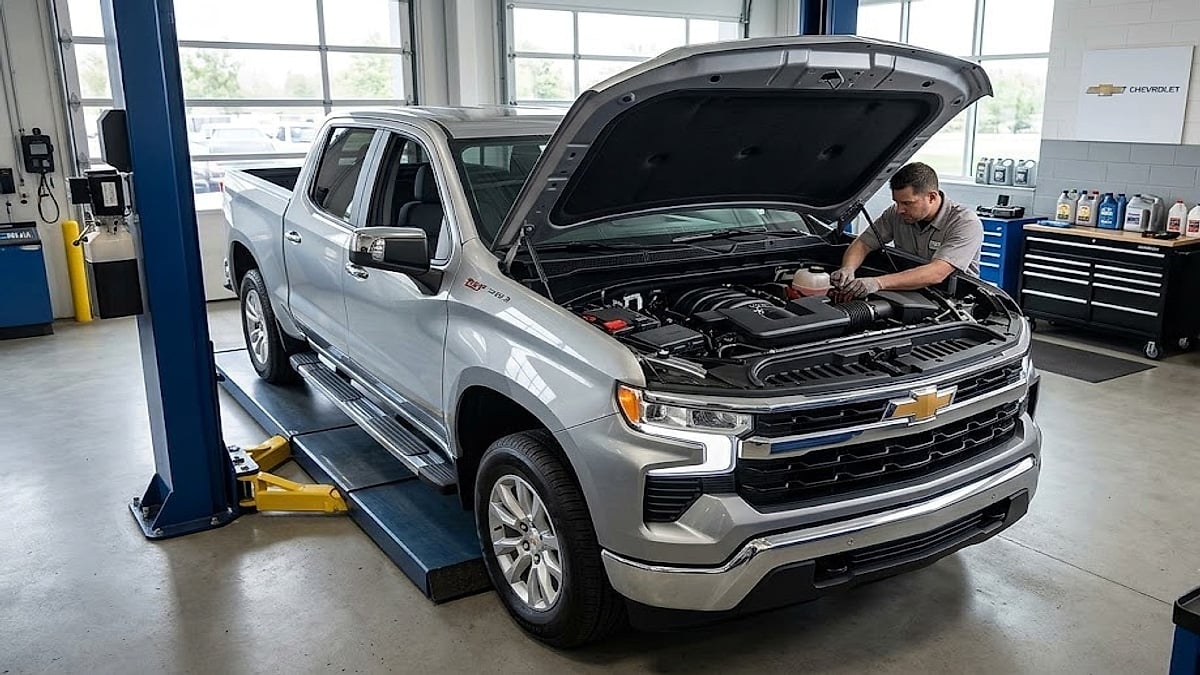
Why Leaving Contaminated Components In The Oil Stream Triggers Total Failure
In our ongoing coverage of Chevrolet reliability, Torque News Senior Reporter Denis Flierl has uncovered an unresolved dispute over how these partial repairs undermine owners' safety. As previously documented by Denis Flierl, partial lifter replacement can cause total engine lockup and oil starvation because root contamination is rarely fully flushed from the oil passages.
Leaving worn or contaminated parts on one side of a high-performance V8 engine creates an immediate mechanical imbalance. Furthermore, as Denis Flierl noted when analyzing market sentiments, many 2020+ trucks are arriving from the factory with lifter issues within the first 20,000 miles, turning what should be a dream V8 truck into an absolute mechanical gamble.
Colorado High-Altitude Mountain Towing Accelerates Valvetrain Fatigue
This issue is amplified exponentially in challenging geographical environments. In Colorado, truck owners regularly subject their vehicles to extreme towing demands in high-altitude mountain corridors. Forcing a compromised DFM system to constantly cycle between cylinder modes while climbing steep mountain passes under heavy load creates extreme thermal stress.
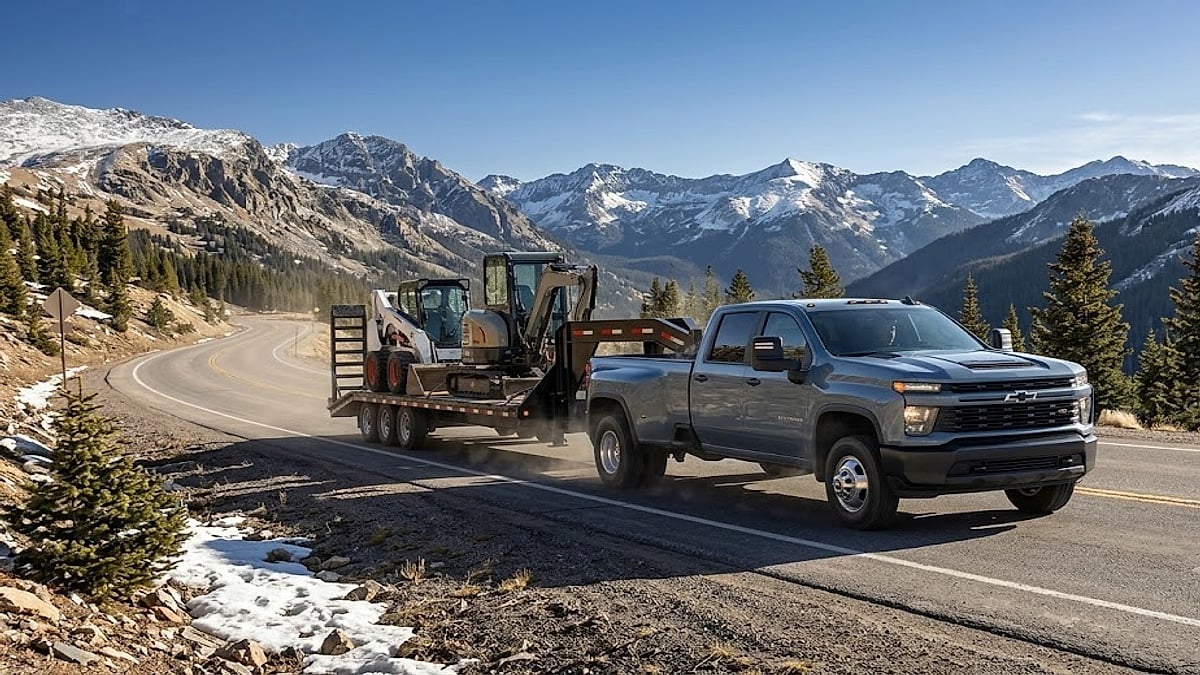
According to regional dealer service logs compiled across Denver and Colorado Springs, ongoing national parts constraints mean replacement component towers and hardened lifters face backorders of 3 to 6 weeks. The high-altitude terrain accelerates oil degradation and exposes the structural weaknesses of fatigued factory lifters far faster than flat-land driving does.
Compounding the mechanical risk is the factory recommendation for oil service limits. Relying on the standard oil life monitoring system often forces truck owners to drive up to 7,500 or 10,000 miles between oil changes. For a highly complex variable-displacement valvetrain, these prolonged intervals allow microscopic metal particles and carbon to settle within the narrow oil ports that feed the lifters. Proactive fleet mechanics and independent engine builders recommend a strict 3,000- to 5,000-mile oil change interval to keep these delicate hydraulic pathways clean.
Bypassing The Dealership Blindspot With Proactive Consumer Solutions
Fortunately, owners are not completely powerless when navigating this manufacturing defect. As outlined in our comprehensive coverage detailing how Chevrolet Silverado owners have three viable options to protect V8 engines, there are practical pathways to safeguard your vehicle's powerplant. Owners can choose to install electronic AFM/DFM disablers, use premium full-synthetic oils paired with high-efficiency filters, or install a complete mechanical DFM delete kit with heavy-duty aftermarket components once the factory warranty expires.
Ultimately, preventing a catastrophic engine seizure requires moving past temporary dealership fixes. If your truck experiences a valvetrain failure under warranty, advocate strongly for a complete replacement of all sixteen lifters and the oil manifold, along with a comprehensive flush of the lubrication lines. Taking a proactive stance on maintenance is the only definitive way to build a true substance moat around your vehicle investment.
What Would You Do? Have you experienced a lifter failure or engine lockup on your Chevy Silverado? Tell us what you think and join the conversation. Please leave a comment in the red “Add new comment” link below.
About The Author
Denis Flierl is a 14-year Senior Reporter at Torque News and a member of the Rocky Mountain Automotive Press (RMAP) with 30+ years of industry experience. Explore his full investigative reporting archives and technical guides at DenisFlierl.com. Based in Parker, Colorado, Denis leverages the Rockies' high-altitude terrain as a rigorous testing ground to provide "boots-on-the-ground" analysis for readers across the Rocky Mountain region, California EV corridors, the Northeast, Texas truck markets, and Midwest agricultural zones. A former professional test driver and consultant for Ford, GM, Ram, Toyota, and Tesla, he delivers data-backed insights on reliability and market shifts. Denis cuts through the noise to provide national audiences with the real-world reporting today’s landscape demands. Connect with Denis: Find him on LinkedIn, X @DenisFlierl, @WorldsCoolestRides, Facebook, and Instagram.
Photo credit: Denis Flierl
Set Torque News as Preferred Source on Google
Follow us today...