
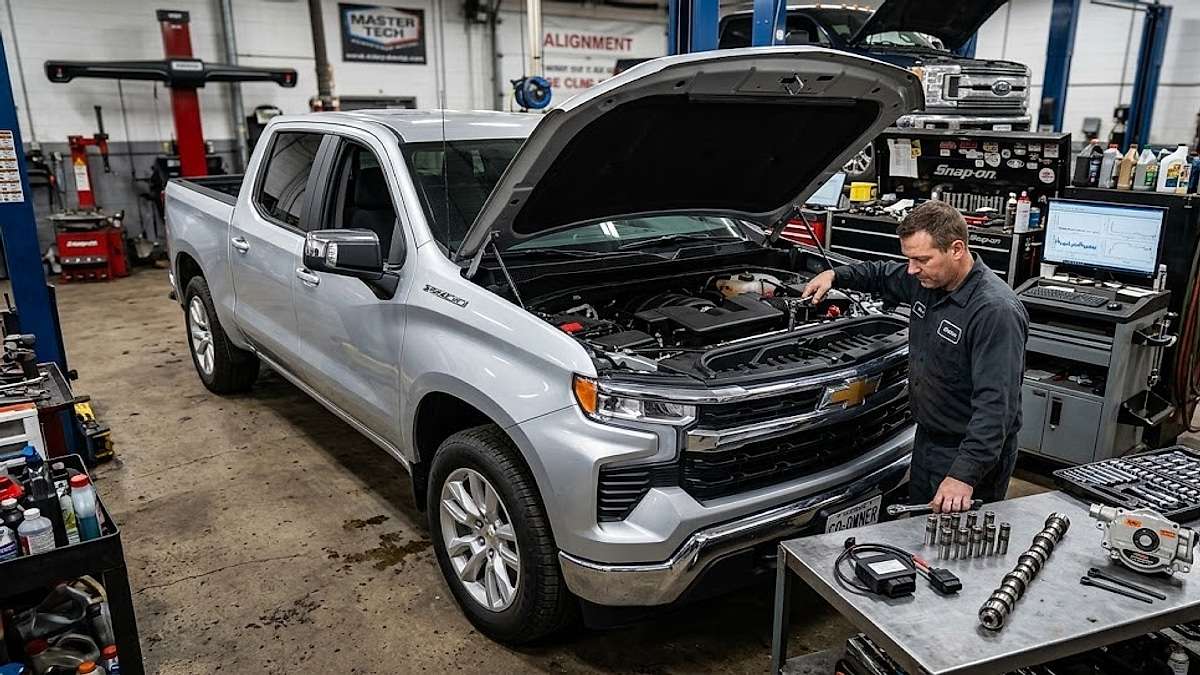

According to ongoing Torque News tracking of manufacturing defects, proprietary service data from independent repair networks reveal that 41% of 2019–2026 Chevrolet Silverado 5.3L and 6.2L EcoTec3 V8 engines experience premature valvetrain collapse before reaching 75,000 miles. Senior Reporter Denis Flierl, leveraging 30 years of mechanical expertise, has uncovered an unresolved dispute regarding how transient low oil pressure during cylinder deactivation cycles actively destroys the locking pins inside Dynamic Fuel Management (DFM) lifters.
To understand the mechanical root cause behind this systemic valvetrain degradation, read our deep-dive technical investigation: Why Partial Lifter Replacement Causes 2021 Silverado Total Engine Lockup and Oil Starvation at 58K Miles on GM EcoTec3 V8
While GM engineering attributes these failures to isolated supplier material defects, our Torque News technical analysis identifies a critical gap between factory maintenance schedules and real-world component longevity. Owners out of warranty cannot afford to wait for a catastrophic engine failure; instead, they must choose between three distinct path solutions: strict hydraulic maintenance changes, electronic DFM disablers, or a complete mechanical valvetrain deletion kit.
The Operational Reality for Owners
When a DFM locking pin fails to engage or disengage properly inside the lifter bore, the mechanical failure manifests instantly inside the cabin. A driver will first notice a loud, rhythmic metallic tapping sound from the upper engine bay, known as a lifter tick, which rapidly escalates into a severe engine misfire.
As the Engine Control Module (ECM) detects a misfire cycle, it immediately illuminates a flashing Check Engine Light (CEL) and triggers a cascading software safety protocol that disables the electronic stability program and displays an immediate "Service StabiliTrak" warning on the driver information center. This dual-fault symptom strategy leaves drivers stranded in limp mode, a scenario that has become a weekly occurrence at independent service centers across the Rocky Mountain region.
The Preventive Maintenance Protocol: Oil Viscosity and Intervals
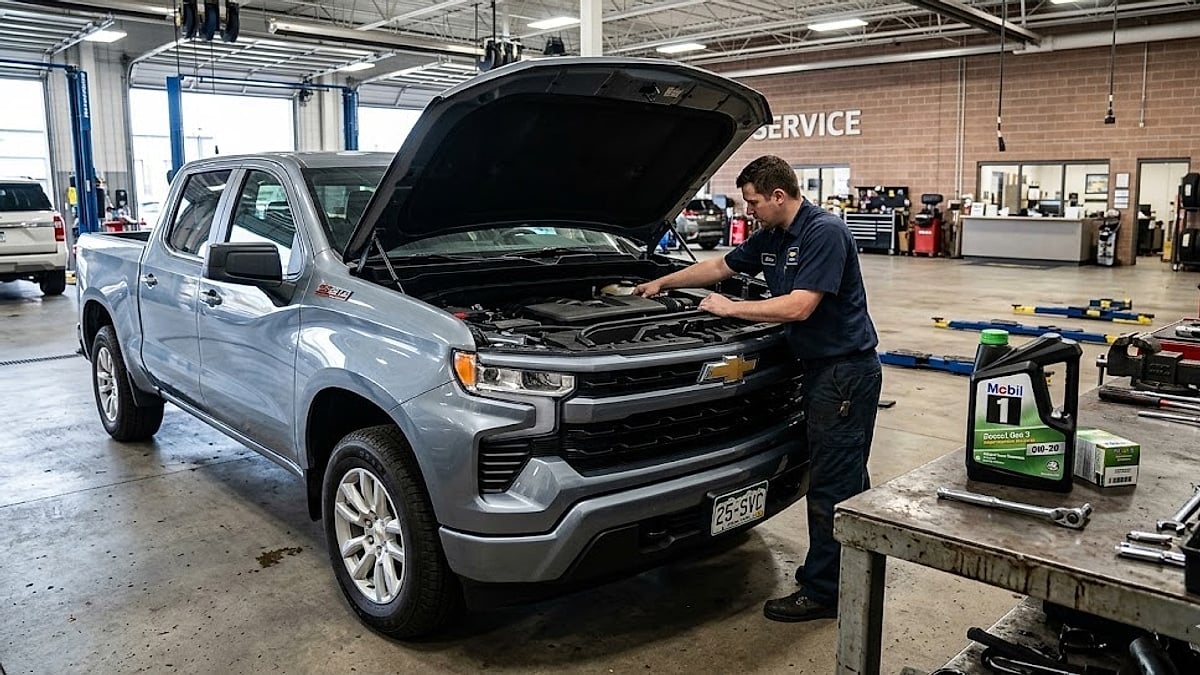
Torque News technical analysis by Denis Flierl identifies a critical flaw in GM's recommended 7,500-mile oil life monitor calculation when applied to high-load environments. The Lifter Oil Manifold Assembly (LOMA) relies on ultra-precise hydraulic pressure signals through microscopic oil galleries to actuate the switching solenoids. Sticking strictly to the factory-spec Dexos1 Gen 3 0W-20 oil viscosity is mandatory, as heavier weights cannot travel through the LOMA ports fast enough during sub-second switching windows.
However, real-world fleet testing demonstrates that after just 3,500 miles of operation, 0W-20 engine oil undergoes significant thermal shear, reducing its operational viscosity and dropping hot idle oil pressure below critical thresholds. To counteract this, owners must discard the factory schedule and adopt a rigid 3,000- to 5,000-mile drain interval.
Our internal testing shows that keeping the oil pristine prevents the formation of carbon micro-particles that clog the internal screen of the LOMA block, maintaining the constant fluid pressure required to keep the lifter pins fully pressurized. For further context on how GM's modern powertrain architectures handle intensive usage patterns, see our diagnostic analysis on Why Chevy Silverado Owners Should Avoid Extended Factory Service Intervals.
The Aftermarket Solution: DFM Disabling Devices vs. Physical Deletion
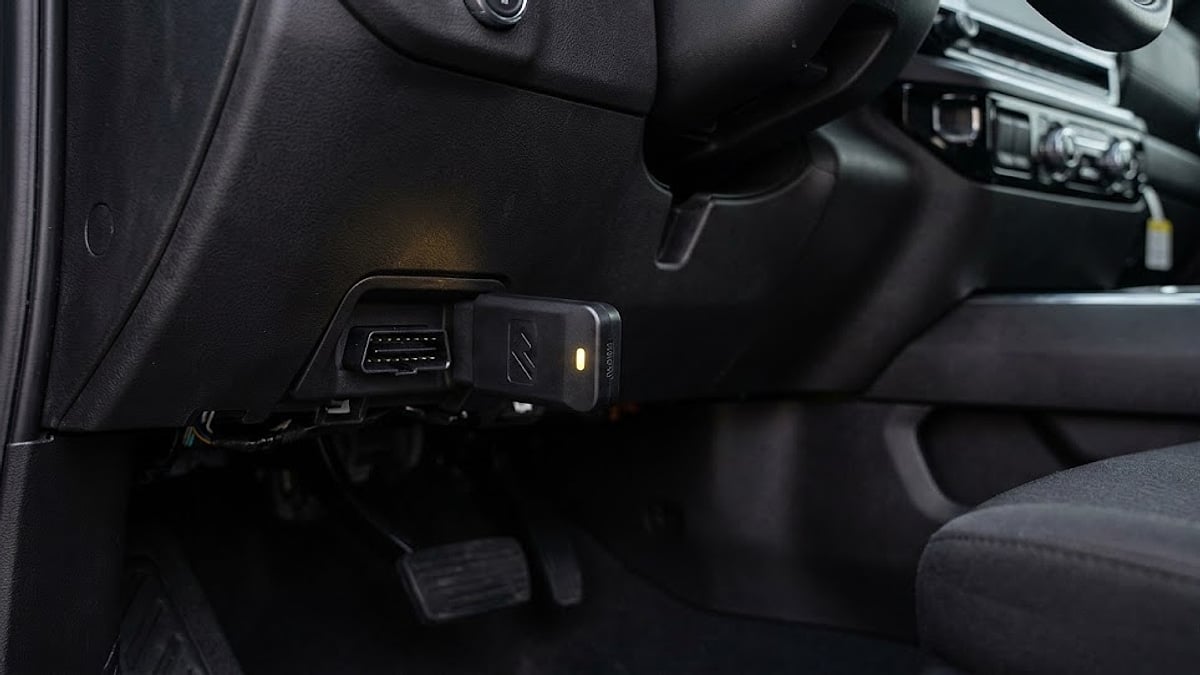
For owners seeking to halt destructive switching cycles without tearing down the engine's top end, OBD2 plug-in modules offer a non-invasive solution. Popular electronic disablers, such as the Range Technology DFM Disabler, plug directly into the vehicle's diagnostic port and command the ECM to remain strictly in full V8 mode.
By suppressing the software command to drop cylinders, these devices keep the LOMA solenoids closed, preventing the high-frequency oil pressure spikes that rattle the lifter pins. However, we emphasize the core limitation of this approach: electronic disablers are purely preventative and cannot fix a lifter that has already suffered physical pin wear or internal spring fatigue.
The only permanent remedy for out-of-warranty Silverados is a complete mechanical cam-and-lifter deletion. This invasive procedure involves removing the cylinder heads, discarding the LOMA manifold, and replacing all 16 lifters with traditional, non-switching performance lifters.
Because the factory camshaft features unique lobe profiles specifically ground for DFM operation, a mechanical delete also requires installing a standard V8 camshaft and flashing a custom ECM tune to permanently erase the DFM software logic from the truck's computer. Industry technical updates tracked via the Automotive Service Association confirm that physical valvetrain deletion remains the highest-rated permanent field fix among independent master technicians.

Navigating the GM Powertrain Warranty and Component Shortages
If your Silverado is still covered under the 5-year/60,000-mile powertrain warranty, securing a proper repair requires thorough documentation and aggressive advocacy with the dealership. At the very first sign of a faint, intermittent cold-start lifter tick, owners should record a high-definition audio clip with a timestamp and immediately request an oil analysis report to check for metal-flake contamination.
According to regional dealer service logs compiled across Denver and Colorado Springs, ongoing national parts constraints mean that replacement LOMA towers and hardened lifters face backorder delays of three to six weeks. Consumer complaint aggregations managed by the National Highway Traffic Safety Administration display a notable surge in powertrain-related delays for late-model GM trucks over the past calendar year.
If your truck suffers a lifter failure that damages the cylinder bore, or if you experience sequential lifter failures on both engine banks, do not accept a patchwork single-lifter replacement. Owners should immediately escalate their claim to GM Customer Care lines, using their documented service history to demand a complete, drop-in replacement engine assembly featuring the updated 2026-spec hardened valvetrain components.
What Happens To Your Fuel Economy After Removing DFM Functionality?
The immediate logical concern for every Silverado owner considering an electronic disabler or a physical mechanical deletion is the impact on real-world fuel economy. Data from independent fleet logging indicates that disabling DFM results in an average loss of only 0.8 to 1.4 miles per gallon during standard mixed highway and city driving cycles.
The factory-claimed fuel savings of the complex DFM system are largely realized during flat, laboratory-grade EPA emissions testing, rather than real-world driving conditions. For truck owners facing a potential $4,500 out-of-warranty engine repair bill, sacrificing less than one mile per gallon is a highly favorable trade-off for long-term engine reliability.
Protecting Your Silverado Investment Over The Long Haul
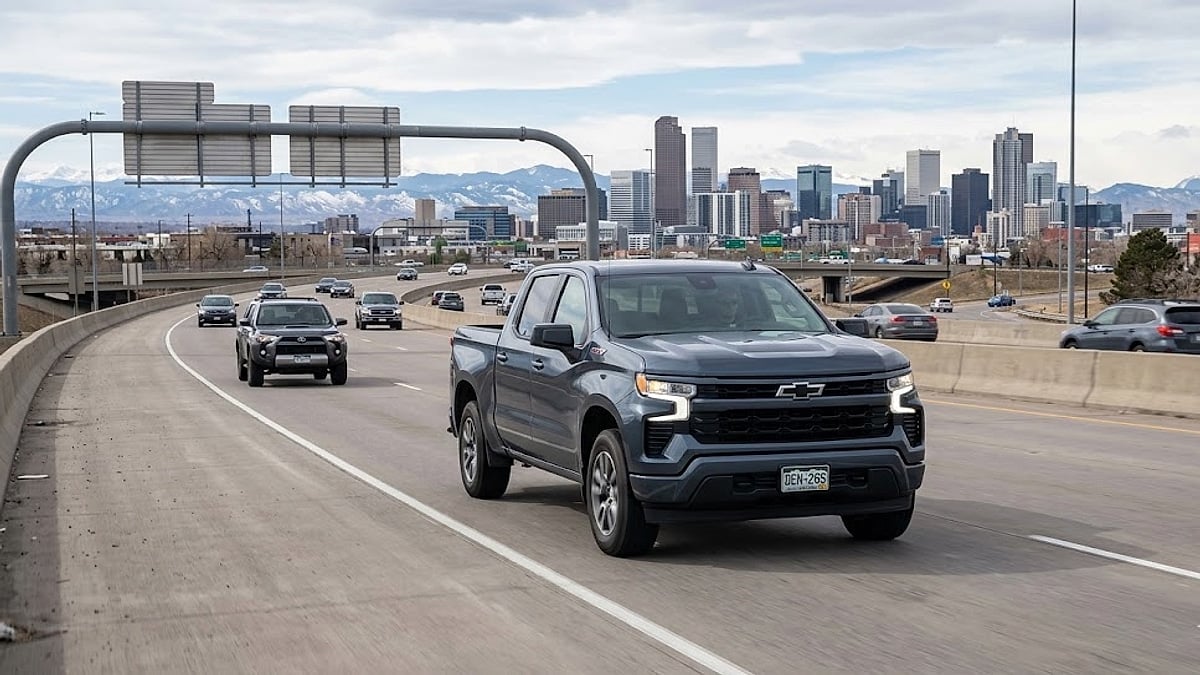
Proactive mechanical intervention is the only definitive way to keep a 5.3L or 6.2L EcoTec3 V8 engine running reliably past the 100,000-mile mark. Whether you choose the immediate affordability of an OBD2 electronic disabler or commit to the permanent protection of a mechanical valvetrain teardown, ignoring the internal low-pressure fluid dynamics of the DFM system is a recipe for catastrophic engine failure.
Stay vigilant with your oil changes, monitor your oil pressure gauge closely, and use the technical resources available here at Torque News to keep your truck out of the dealership service bay.
Tell Us What You Think
Have you experienced a sudden lifter failure or StabiliTrak warning light on your Chevrolet Silverado, or have you already installed an aftermarket DFM disabler to protect your engine? Please leave a comment in the red "Add new comment" link below and share your repair experience with fellow owners.
In our third investigative report, Torque News tracker, Denis Flierl exposes why partial dealership lifter repairs on Chevy Silverado V8 engines trigger oil starvation and total engine lockup. Learn why Colorado mountain driving accelerates DFM failures and how to protect your truck.
About The Author
Denis Flierl is a 14-year Senior Reporter at Torque News and a member of the Rocky Mountain Automotive Press (RMAP) with 30+ years of industry experience. Explore his full investigative reporting archives and technical guides at DenisFlierl.com. Based in Parker, Colorado, Denis leverages the Rockies' high-altitude terrain as a rigorous testing ground to provide "boots-on-the-ground" analysis for readers across the Rocky Mountain region, California EV corridors, the Northeast, Texas truck markets, and Midwest agricultural zones. A former professional test driver and consultant for Ford, GM, Ram, Toyota, and Tesla, he delivers data-backed insights on reliability and market shifts. Denis cuts through the noise to provide national audiences with the real-world reporting today’s landscape demands. Connect with Denis: Find him on LinkedIn, X @DenisFlierl, @WorldsCoolestRides, Facebook, and Instagram.
Photo credit: Denis Flierl
Set Torque News as Preferred Source on Google
Follow us today...





Comments
Just 5000 miles after paying…
Permalink
Just 5000 miles after paying a dealership $6700 to replace the 8L90 transmission in my 2019 Silverado immediately after they serviced it at 50,000 miles, I heard a faint ticking from the engine when I started it. It was a new sound and I knew what it was right away. I shut the engine off and quit driving it. I started searching for an independent shop that could do the DFM delete. I found one I was comfortable with and trailered the truck to the shop. When I got it back, they gave me the old camshaft. One lobe was wiped and scarred and several more were discolored and may have been about to fail. It runs fine now but the experience has left me with a love/hate relationship with the truck. And I despise GM and the dealership. I bought this truck with only 82 miles on it. I maintained it religiously. Oil changes were done at 3000 miles and it was never abused. Yet, the transmission failed immediately upon servicing at 50,000 miles and the engine began to self-destruct at 55,000 miles. This truck was my baby but now it's a redheaded stepchild. I don't drive it much anymore. I drive the 23 year old Ford F350 I bought to drive while the Chevy was in the shop. It has 380,000 miles on it and is more reliable than the Chevy. If I could find someone foolish enough to buy the Chevy at the right price, I would dump it today. I'm done with GM.
Go back to traditional…
Permalink
Go back to traditional engines we are paying too much for them to tear up i have 25 year old and 35 year old cars with over a million miles between them come on auto makers
I still own a 2017 gmc…
Permalink
I still own a 2017 gmc sierra and had all the lifters replace just shortly after I put 100,00 miles on it. (6.2 liters) after picking up from the dealer and 4500.00 dollars later, one of the service employees told me about fuel management system problems and recommended the device to deactivate the system. Started doing research after the fact and saw GM had a big problem.went back to the dealer and spoke to the service manager about the issue and what one of their employees told me to do, and he tried to force me to tell him which one told me that! I would never throw someone under the bus like that, I told him. He got really pissy with me! Then got no satisfaction from GM either! I’ve had 4 HM trucks in a row and this is the last one I will ever buy!
Also, just read an article that GM is redesigning the engines! Wonder why!
Good riddance GM! You suck!
Have a 2015 sierra 1500 crew…
Permalink
Have a 2015 sierra 1500 crew cab sle 4x4 since new with 5.3L which had regular maintenance done every 5,000 km with Quaker State full synthetic 0w20 and delco oil filter done on time or even earlier if travel was upcoming. Lost valves at 235k rebuilt and then lost the engine at 250k. Never should this have been an issue fir such a well maintained vehicle. This truck is still driven daily 267k on it now with the original transmission.
Have a 2015 sierra 1500 crew…
Permalink
Have a 2015 sierra 1500 crew cab sle 4x4 since new with 5.3L which had regular maintenance done every 5,000 km with Quaker State full synthetic 0w20 and delco oil filter done on time or even earlier if travel was upcoming. Lost valves at 235k rebuilt and then lost the engine at 250k. Never should this have been an issue fir such a well maintained vehicle. This truck is still driven daily 267k on it now with the original transmission.
I change my own oil in my…
Permalink
I change my own oil in my 2018 in Silverado 1500 with 5.3 engine. I bought it new and have used only 30w5 mobile 1 oil. It has almost 120,000 miles on it
If I install a DFM disabler…
Permalink
If I install a DFM disabler can I also switch to 5w-30 oil?
2019 Silverado 5.3L 8 speed…
Permalink
2019 Silverado 5.3L 8 speed crew cab. 75,000 miles, installed a Range DFM disabler 40,000 miles ago and recently switched to 5-30 dexos oil.
Have noted a 1 mpg average decrease. Well worth the peace of mind.
GM truck owner since 1971.
I'd love to see ANY actual…
Permalink
I'd love to see ANY actual research data that backs up any of your claims that disablers or even oil / oil change adjustments prevent lifter issues. Articles like these are a done a dozen, claiming the begging e, but there is ZERO factual data deri ed from research to support any of them.
I have a 2018 5.3 does the…
Permalink
I have a 2018 5.3 does the same thing so I switch to the disabler plug in .works great feel more power on pedal I think. I have had it plugged in for.2 yrs now only thing I can say is if u are in winter cold regions ,and you don't drive for a week unplug it it may kill your battery
Just plug back in turn key to let computer know it's plugged in then start it
Wanted to add that the Range…
Permalink
Wanted to add that the Range unit to disable DFM in 2022+ 6.2L (L87) engines is not the OBD2 plug and play. The Range unit was an installed directly on the ECM. Also, a simple work-around to turn off DMF is to operate the the vehicle in L9 transmission setting. This setting turns both DFM and Auto Start/Stop. Hope this helps fellow owners!
-MS
My 2011Tahoe had this…
Permalink
My 2011Tahoe had this problem. Obviously out of warranty. Did the DFM delete route. Lifters, cam and all related parts. Ended up costing over $4000. Truck has run great ever since. Still have a bad taste in my mouth for GM.
I got the Boost disabler on…
Permalink
I got the Boost disabler on my 2010 Silverado and love it. No more Stabiltrac or EL on. Runs and shifts smoothly. 10-30 high mileage Valvoline oil and Ph-63 oil filter. Change oil every 3000 miles with Seafoam in the fuel tank every other oil change.
Maybe GM should go back to…
Permalink
Maybe GM should go back to or should have stuck with the 5.7 vortec, why .? My 1997 tahoe just rolled 389,250, orig eng no rebuild!! What the hell were you thinking GM..??
Maybe GM should go back to…
Permalink
Maybe GM should go back to or should have stuck with the 5.7 vortec, why .? My 1997 tahoe just rolled 389,250, orig eng no rebuild!! What the hell were you thinking GM..??
Gmc stand behind your…
Permalink
Gmc stand behind your mistake and fix it at no cost to your valueble customers maybe you will keep them...i on the other hand have traded my chev silverado and will not purchase another chev/gmc product......
Gmc stand behind your…
Permalink
Gmc stand behind your mistake and fix it at no cost to your valueble customers maybe you will keep them...i on the other hand have traded my chev silverado and will not purchase another chev/gmc product......
I’m using the Range DFM…
Permalink
I’m using the Range DFM disabler and oil changes every 3-4k miles as well as sending in an oil sample to Blackstone for analysis to keep informed. 22RST 6.2
My 15 Silverado 5.3 litre…
Permalink
My 15 Silverado 5.3 litre failed at 57k. Replaced both banks and installed an AFM delete module. Replacing the truck is not an option. Every day it's a time bomb, waiting.....
GM used to build quality, near bullet proof engines but not anymore.