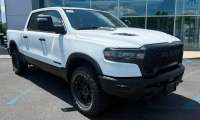

John Riley didn't hesitate. He drove his 2024 Chevy Silverado Trail Boss straight to a Ram dealership.
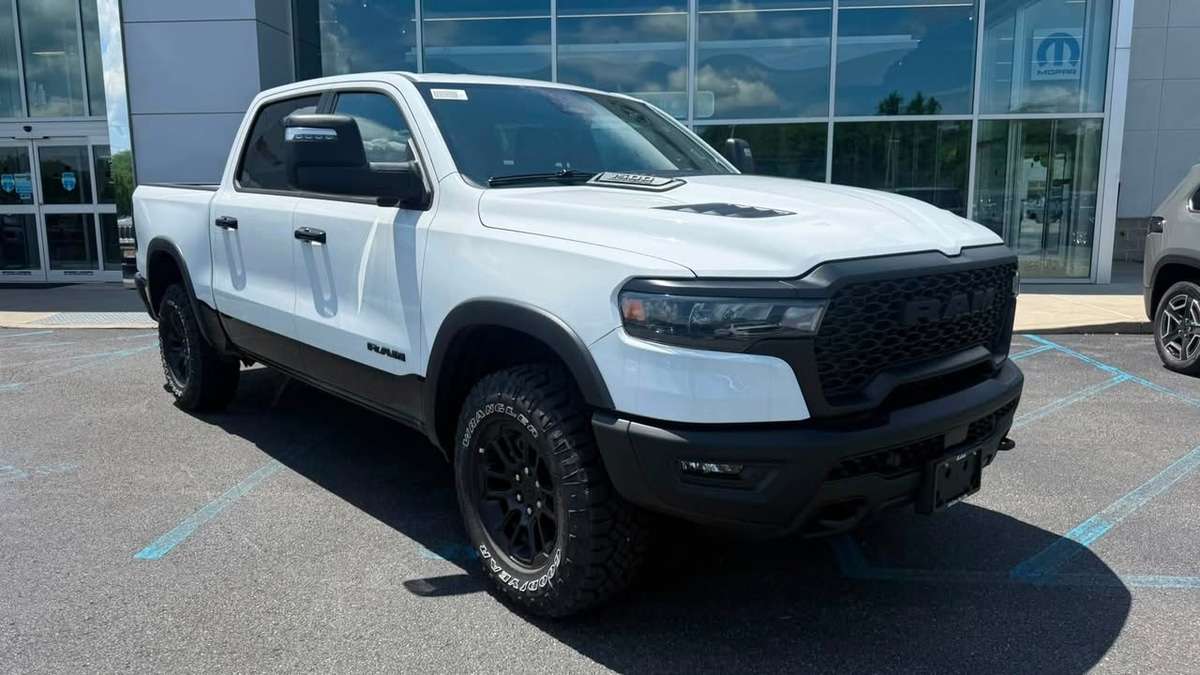
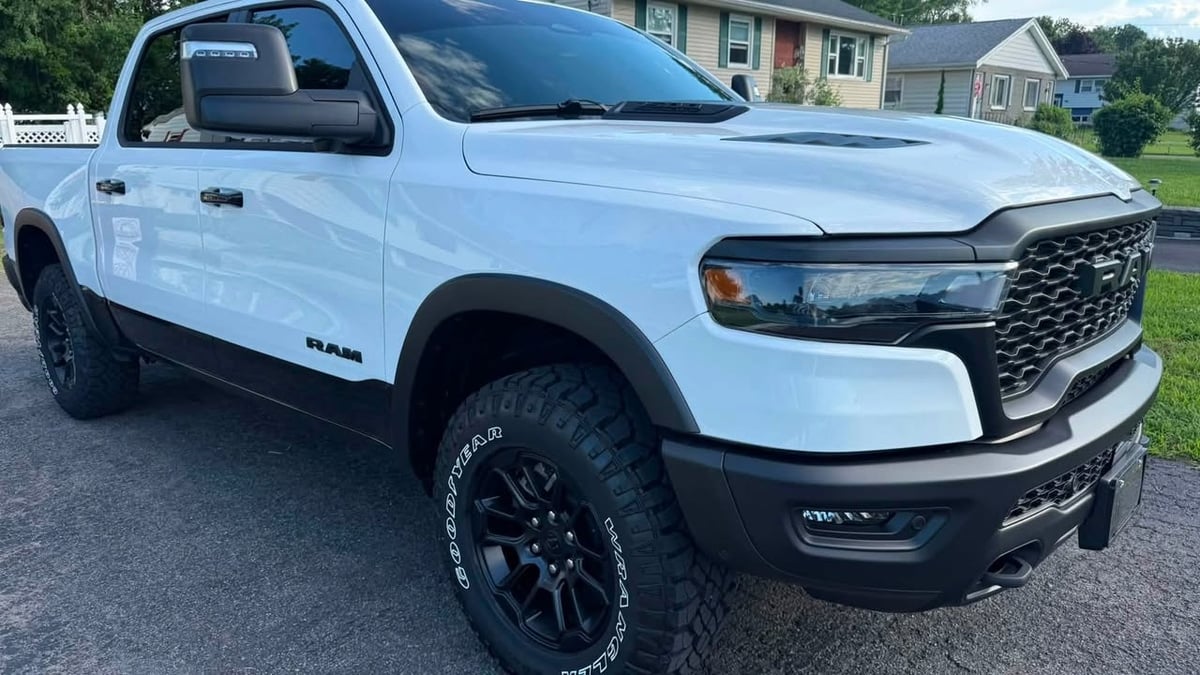
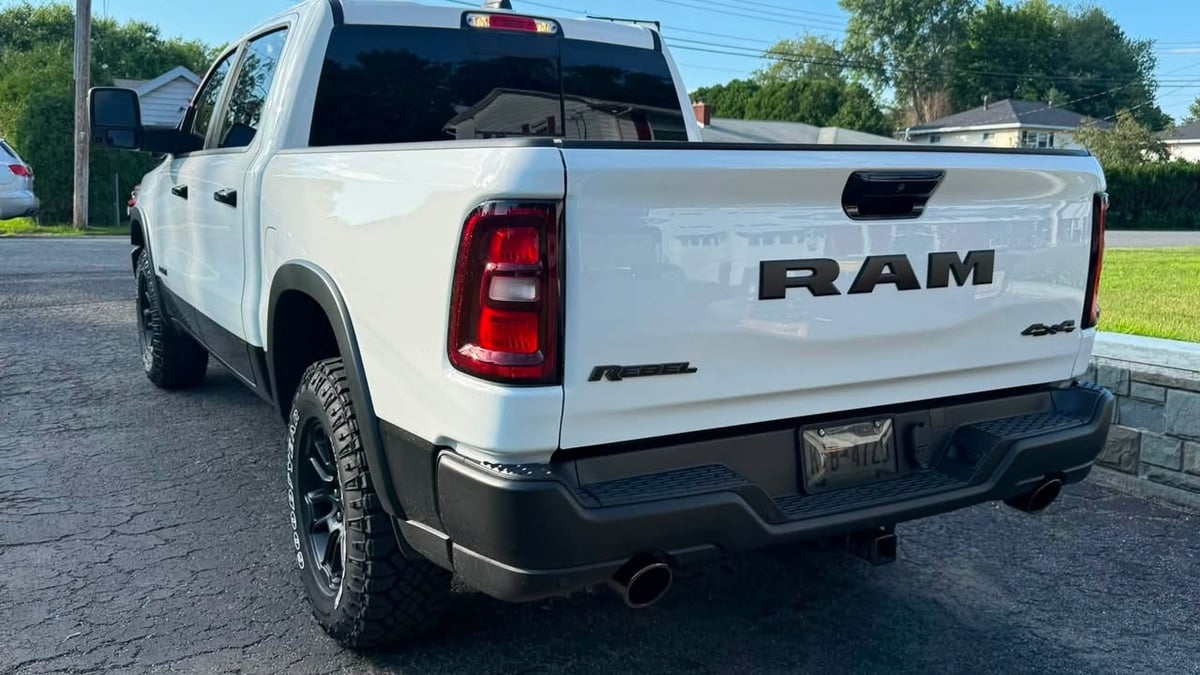
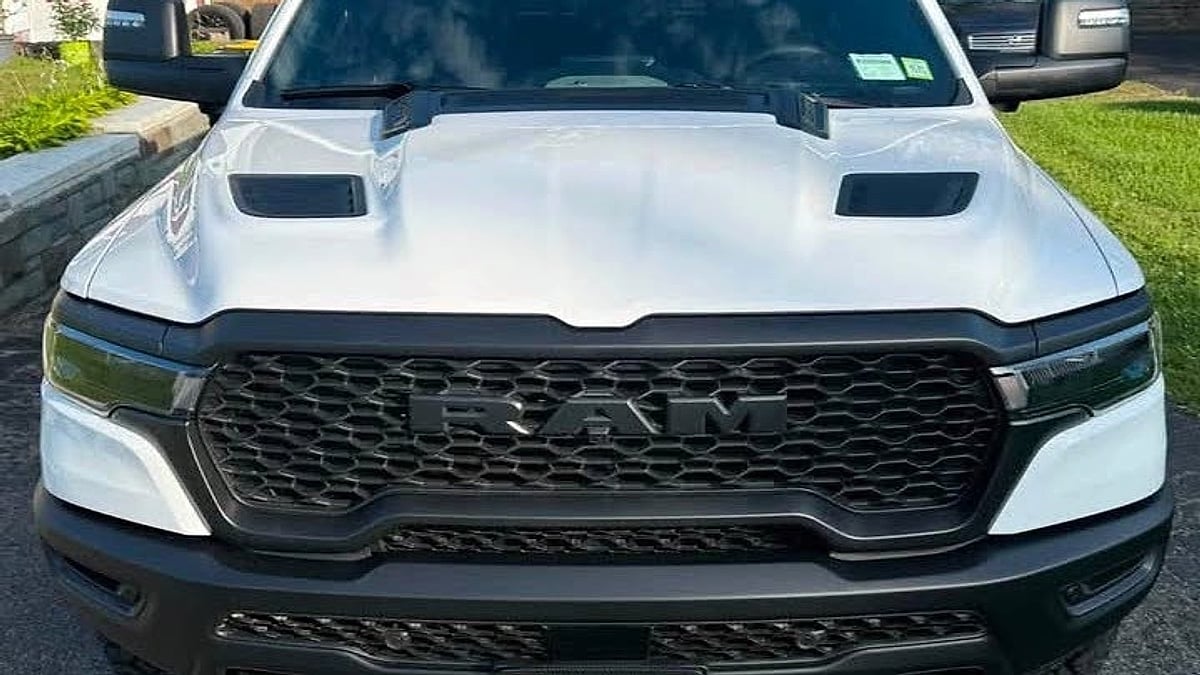
He left with a 2026 Ram Rebel 3.0 and zero regrets.
The New York truck owner immediately took to social media to share his stunning transaction. Writing on the Ram Rebel Owners Facebook page, John Riley from Colonie, New York, stated:
“I just traded in my 2024 Chevy Silverado Trail Boss LT 5.3L today for this 2026 Ram Rebel 3.0 Level 2 and immediately drove it right to my tint guy. Got this for $15k off MSRP. Nothing compares to Ram's interior. My Chevy didn’t even have a quarter of the settings and options these things have! Here’s to hoping I made the right decision.”
The Hidden Valuation Collapse Driving Bowtie Defections
For decades, the standard playbook for full-size truck buyers was simple: buy a naturally aspirated V8 and hold on to it forever. But the real story behind John’s defection isn’t just about the massive discount he secured; it is about a hidden shift in modern automotive architecture and marketplace dynamics.
Car dealers are quietly facing a severe supply imbalance that has turned the truck market upside down.
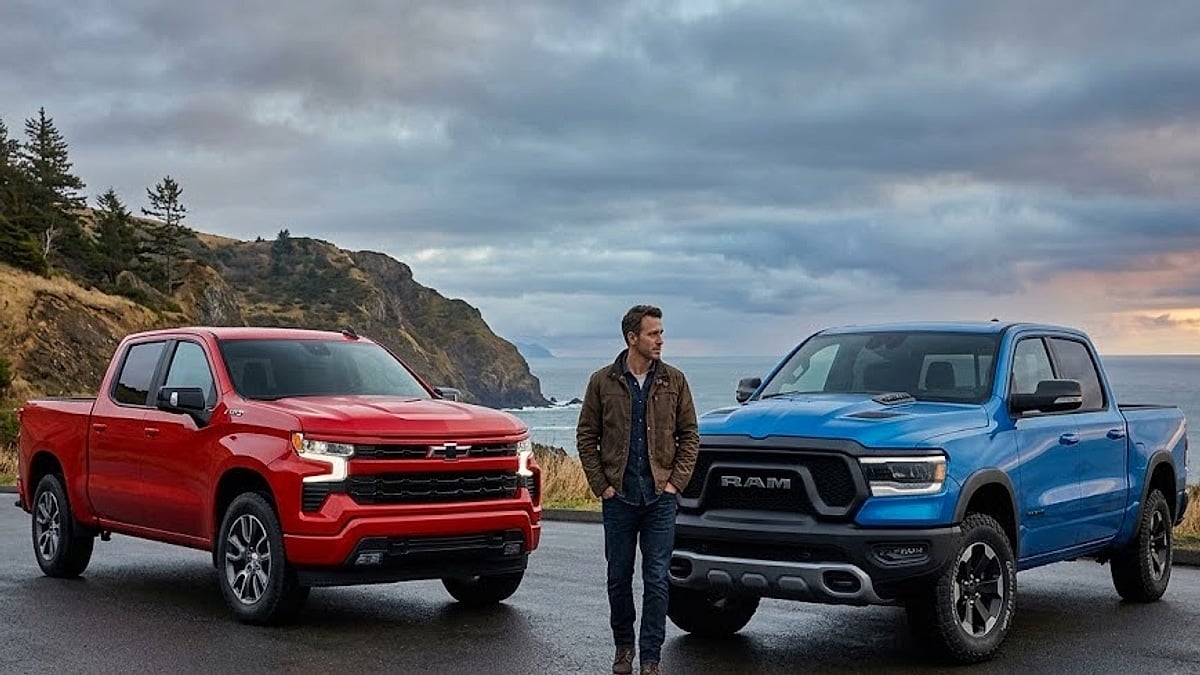
According to comprehensive market data from Cox Automotive, dealership lots have experienced a significant buildup of premium light-duty trucks, forcing retailers to implement steep price corrections to move current-year inventory. This specific macroeconomic pressure allowed John to cut through standard dealership negotiation tactics and shave a staggering $15,000 off the window sticker of a high-tier Level 2 luxury off-roader.
At the same time, General Motors owners are encountering an unexpected digital wall. My own forensic analysis of recent Chevrolet engineering updates has tracked how rapidly evolving cabin systems are impacting owner satisfaction.
As I detailed in my recent report on the 2026 Chevy Silverado Steering Calibration Dilemma, newer domestic platforms are introducing driving calibrations that place a relentless, frustrating premium on steering correction and active lane management.
Scrambled Signals And Missing Menus
The root cause of John’s frustration with his 2024 Chevy Silverado Trail Boss LT lies deep within GM’s internal communication bus. John noted that his Silverado "didn't even have a quarter of the settings and options" found in the premium Ram interior, a symptom directly tied to GM's management of its software ecosystem.
General Motors uses an electronic system architecture known as Global B, which was designed to facilitate secure over-the-air updates but heavily restricts end-user configuration interfaces. The software platform tightly limits the depth of the infotainment menus, preventing drivers from altering advanced vehicle parameters such as individual auxiliary control configurations, granular steering-weight feedback, and suspension-damping submenus.
To compound this, long-term durability concerns continue to weigh heavily on owners of the naturally aspirated 5.3L EcoTec3 V8 engine.
As I discovered during an investigation into a 2026 Chevy Silverado VIN Scan Discovery, the shadow of premature valvetrain component wear and lifter fatigue has consistently driven enthusiasts away from the Bowtie brand in search of modern mechanical alternatives. Truck buyers are no longer willing to gamble on aging pushrod engine designs that require complex cylinder-deactivation hardware to meet modern emissions standards.
The Allure of the High-Output Hurricane Cab
When John stepped inside the 2026 Ram Rebel 3.0 Level 2, he encountered an entirely different philosophy regarding interior electronics. The Ram utilizes the Uconnect 5 software platform, paired with a massive vertical display screen that offers unparalleled user customization.
Automotive tech analysts at J.D. Power have consistently noted in their annual Tech Experience Studies that modern truck consumers place a massive premium on intuitive user interface layouts and configurable diagnostic screens. The Level 2 configuration allows the operator to control everything from multi-zone climate dynamics to localized real-time telemetry tracking, all from deeply embedded sub-menus that make the Chevrolet interface look generations behind.
Furthermore, the mechanical shift from the Chevy 5.3L V8 to the Ram 3.0L inline-six twin-turbo Hurricane engine marks a monumental change in how modern torque is delivered.
In my years testing these trucks across demanding high-altitude terrain like Colorado's Berthoud Pass, naturally aspirated V8 engines lose roughly 3% of their power for every 1,000 feet of elevation gain due to the thinning mountain air.
The Ram's forced-induction twin-turbo setup completely bypasses this atmospheric power loss, packing a continuous, linear wave of low-end torque that leaves traditional small-block engines feeling sluggish by comparison.
The High-Voltage Tradeoff That Awaits New Owners
While John is currently enjoying the immediate thrill of his luxurious interior upgrades and the punchy response of his new turbo engine, he may have unknowingly stepped into a completely different kind of high-tech minefield.
The 2026 Ram 1500 platform is an incredibly complex electrical machine, and its massive computational demands are already exposing early-build vulnerabilities.
According to technical service bulletins analyzed by the specialized vehicle-component tracking firm RepairPal, modern luxury-trim pickups that feature advanced secondary infotainment processors are experiencing elevated parasitic electrical draw.
The massive 12-inch and 14.5-inch cabin displays, combined with the power-hungry central processing modules that manage the truck's driver-assist systems, occasionally fail to enter "sleep mode" when the ignition key is turned off.
This high-voltage architectural strain can lead to premature battery depletion and sudden electronic system dropouts if the vehicle sits idle for extended periods.
As I documented in an extensive field study of a 2026 Ram Rebel Electrical Collapse, slight systemic voltage drops below 11.7 volts can cause the Engine Control Unit to throw "ghost codes," occasionally preventing the vehicle from starting.
John's immediate choice to take the vehicle straight to a custom window-tint specialist will require a highly skilled installer who knows how to avoid disrupting the delicate door-panel wire harnesses and window-module sensors.
What is the Next Logical Step for the Owner?
Will the complex dual-screen infotainment setup and the highly advanced electronic architecture of the new twin-turbo Hurricane engine hold up during a harsh winter without triggering catastrophic electrical codes?
John Riley’s long-term ownership experience will ultimately depend on whether Stellantis has successfully deployed the necessary software patches to resolve parasitic battery drain issues currently circulating on early production owner forums.
A Final Assessment on John's High-Stakes Swap
John Riley successfully exploited a rare dealership pricing correction to walk away from an aging V8 platform and step into a beautifully optioned, high-tech luxury truck. However, trading mechanical simplicity for cutting-edge cabin technology means he has traded traditional valvetrain anxieties for the unpredictable world of complex, multi-module software engineering.
How About You? Would you swap a proven V8 Silverado for a twin-turbo Ram Rebel if you could save $15,000 off the window sticker? Let us know what you think by leaving your thoughts in the red "Add new comment" link directly below.
Don’t Leave Yet… Also check out my Torque News Home Page for more of my informative Ram 1500 news articles.
About The Author
Denis Flierl is a 14-year Senior Reporter at Torque News and a member of the Rocky Mountain Automotive Press (RMAP) with 30+ years of industry experience. Explore his full investigative reporting archives and technical guides at DenisFlierl.com.
Based in Parker, Colorado, Denis leverages the Rockies' high-altitude terrain as a rigorous testing ground to provide "boots-on-the-ground" analysis for readers across the Rocky Mountain region, California EV corridors, the Northeast, Texas truck markets, and Midwest agricultural zones.
A former professional test driver and consultant for Ford, GM, Ram, Toyota, and Tesla, he delivers data-backed insights on reliability and market shifts. Denis cuts through the noise to provide national audiences with the real-world reporting today’s landscape demands.
Connect with Denis: Find him on LinkedIn, X @DenisFlierl, @WorldsCoolestRides, Facebook, and Instagram.
Photo credit: Denis Flierl via John Riley
Set Torque News as Preferred Source on Google
Follow us today...