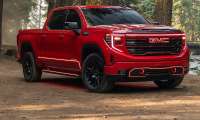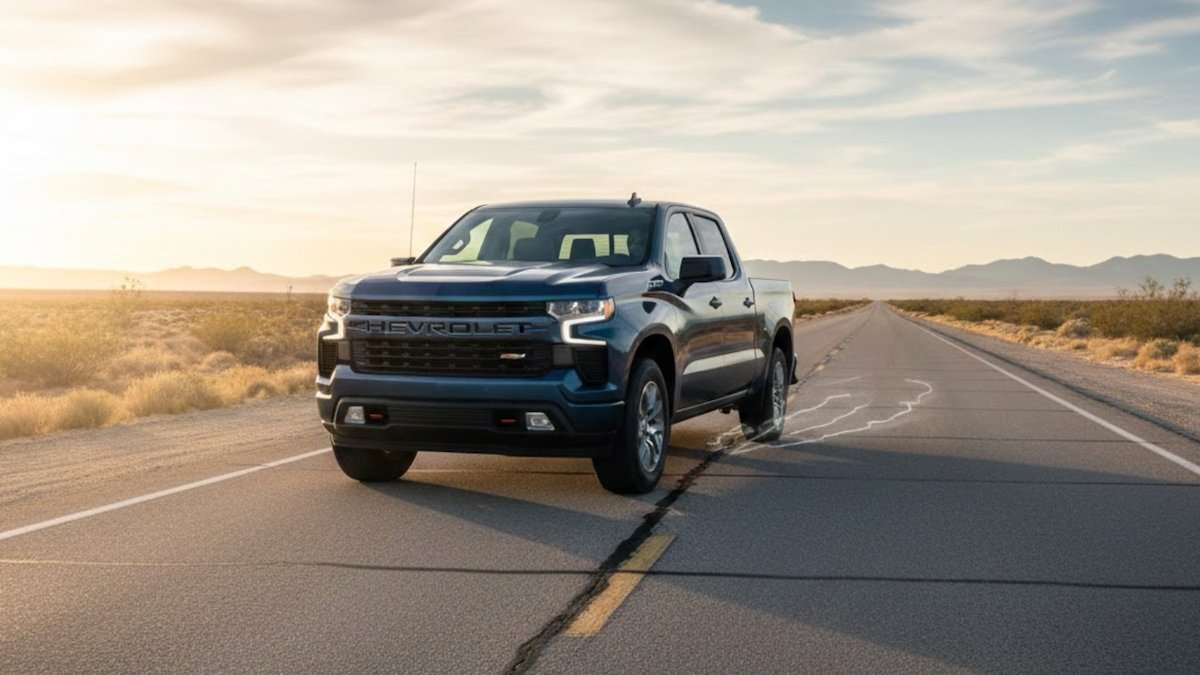

Is there an issue with the 2026 Chevy Silverado steering?
Imagine trading in a rock-solid truck for the latest model, only to find yourself white-knuckling the steering wheel on a calm day just to stay in your own lane. Despite the dealership claiming everything is "within spec," you’re stuck wrestling a brand-new vehicle that refuses to go straight, turning a simple highway cruise into a grueling, high-stakes workout.
In a recent post shared in a Facebook community for 2019 - 2026 Chevy Silverado and GMC Sierra owners, Ben Linberger highlighted growing concerns regarding the steering stability of the newest GM trucks and the exhausting reality of trying to keep a brand-new vehicle centered on the road.
Ben Linberger says, “I had a 2021 Chevy Silverado that had no steering issues, but I traded it for a 2026 Silverado 1500. It’s only four months old, and it seems like I’m constantly correcting the path to keep it centered in the lane. It's a nightmare when it’s windy. It seems like I’m constantly correcting it to go straight down the road, even when the wind isn’t blowing. The dealer checked the alignment, and it’s correct. It shouldn’t be a full time job to stay in the lane.”
Why the 2026 Silverado Steering is Failing Owners
With 30 years in the automotive industry, I have seen every iteration of the Silverado, and what Ben is describing isn't a simple alignment issue; it's a fundamental shift in how these trucks communicate with the driver. I have personally investigated how the transition to more aggressive Electronic Power Steering (EPS) and Lane Keep Assist (LKA) has created a "numb" or "hunting" sensation, leaving the truck feeling disconnected from the asphalt. Experts at Autoblog have verified that this is a widespread industry struggle, noting that 13 out of 14 lane-keeping systems still wander, nag, or check out in traffic, leaving drivers to do the heavy lifting.
I have written extensively about how these software-heavy systems can lead to a loss of driver confidence, particularly when a new truck fails to track as straight as the "old-school" 2021 models we once loved. In my previous reports on GM's evolving tech, I’ve noted that long-time owners are starting to scan for red flags this early into ownership, which is a clear sign that the brand's legendary reliability is being tested by modern "innovations."
The Ghost in the Machine
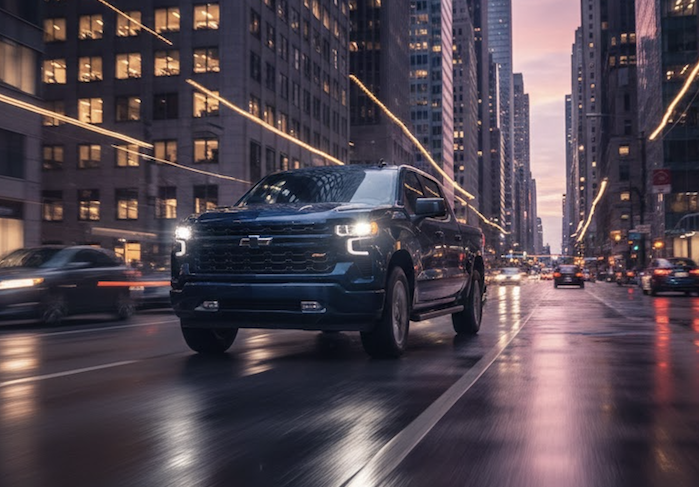
When I get behind the wheel of a 2026 Silverado 1500, the first thing I notice is the lack of "on-center" feel. In my professional opinion, the issue stems from the software's attempt to "assist" the driver by making micro-corrections that actually fight against your natural input. This phenomenon, often called "lane hunting," is backed by technical safety researchers at the Center for Auto Safety, who have tracked how software problems can cut off power to the assist feature or cause unpredictable steering behavior.
I’ve seen this before in my coverage of 2025 models, where I reported on a Trail Boss that lost power steering and brakes at just 231 miles, proving that these safety-critical systems are becoming more fragile as they become more complex. If you are experiencing this wander, you aren't imagining it; you are feeling a conflict between the mechanical rack and the digital brain trying to control it.
My Take
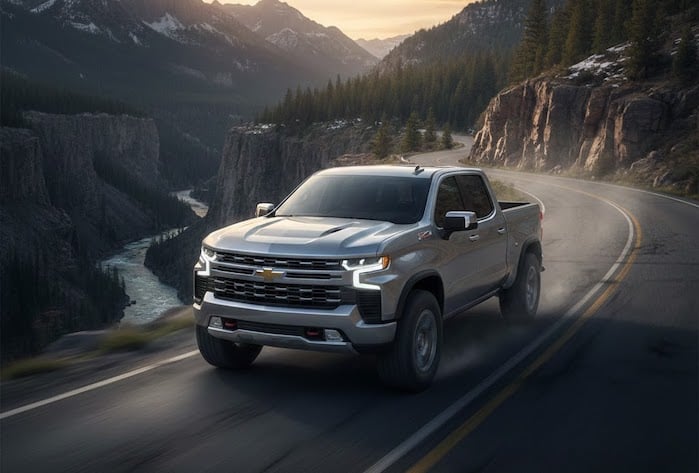
I believe the 2026 Silverado should be a pinnacle of comfort, but if the driver has to "work" to stay in the lane, the engineering has failed. The "bulletproof" 2021 model used a calibration that prioritized stability, whereas the 2026 seems to prioritize fuel efficiency and lighter steering effort, which makes it highly susceptible to crosswinds and road crown.
If you are looking for Silverado steering wander solutions or trying to understand 2026 Chevy Silverado 1500 handling problems, you must look beyond the alignment rack. This is a digital problem in a physical world. My advice for anyone in Ben's position is to demand a software recalibration of the EPS module, rather than just a physical alignment check.
Key Takeaways
- Digital Conflict: The wandering sensation is often caused by the Lane Keep Assist and Electronic Power Steering fighting the driver's input.
- Alignment Isn't Everything: A truck can be "in spec" on an alignment rack and still hunt for the lane due to software sensitivity.
- 2021 vs. 2026: Older models had a more direct mechanical feel that modern Silverados have sacrificed for "lighter" steering.
- Documentation is Vital: If your dealer says "no trouble found," document the specific road conditions (wind, speed) to force a deeper look at the EPS module.
What Silverado Owners Are Saying
The community is currently split between those who love the new tech and those who feel like they’re driving on ice. One user on Reddit noted the severity of the situation, stating, "Replace radiator or end up replacing tranny like me... had a small leak. Unnoticed. Then boom tranny went out on highway," which highlights how small "ghost" issues in these trucks can lead to massive mechanical failures if ignored.
Another owner highlighted the new design's vulnerability on the r/Silverado forum, saying, "The dealer checked the alignment, and it’s correct. It shouldn’t be a full-time job to stay in the lane," echoing Ben's exact frustration with the 2025 and 2026 models.
A Step Back, Not Forward
Trading a reliable 2021 Silverado for a 2026 should feel like an upgrade, not a step back into a wrestling match with your steering wheel. Until GM addresses the software sensitivity of their newest steering racks, owners must remain vigilant and push for deeper diagnostics beyond the standard alignment.
It's Your Turn: Have you noticed your 2026 Silverado "wandering" or hunting for the lane on the highway, and what did your dealer tell you? Click the red link below to write your comment and share your experiences.
Next Up: If you're dealing with steering issues, you might also be curious about the latest engine reliability reports I’ve compiled. Check out my report on the 2024 Chevy Silverado 5.3L V8 lifter failures to see if your powertrain is as "bulletproof" as you think.
Denis Flierl is a Senior Reporter at Torque News with over 30 years of hands-on experience in the automotive industry. Having served as a professional test driver and industry consultant for major automakers such as Chevrolet, Ford, Toyota, Honda, and Tesla, Denis provides a "boots-on-the-ground" perspective that goes beyond standard reporting. Since joining Torque News in 2012, he has specialized in cutting through market noise to deliver data-backed analysis and real-world owner stories. His work focuses on navigating the transition to EVs and the shifting automotive market.
Have a tip or question for Denis? > Engage with him directly on LinkedIn for industry analysis, or follow his latest updates on X @DenisFlierl and @WorldsCoolestRides. You can also find his latest car features on Facebook and Instagram.
Photo credit: Denis Flierl via Chevrolet
Set Torque News as Preferred Source on Google
Follow us today...