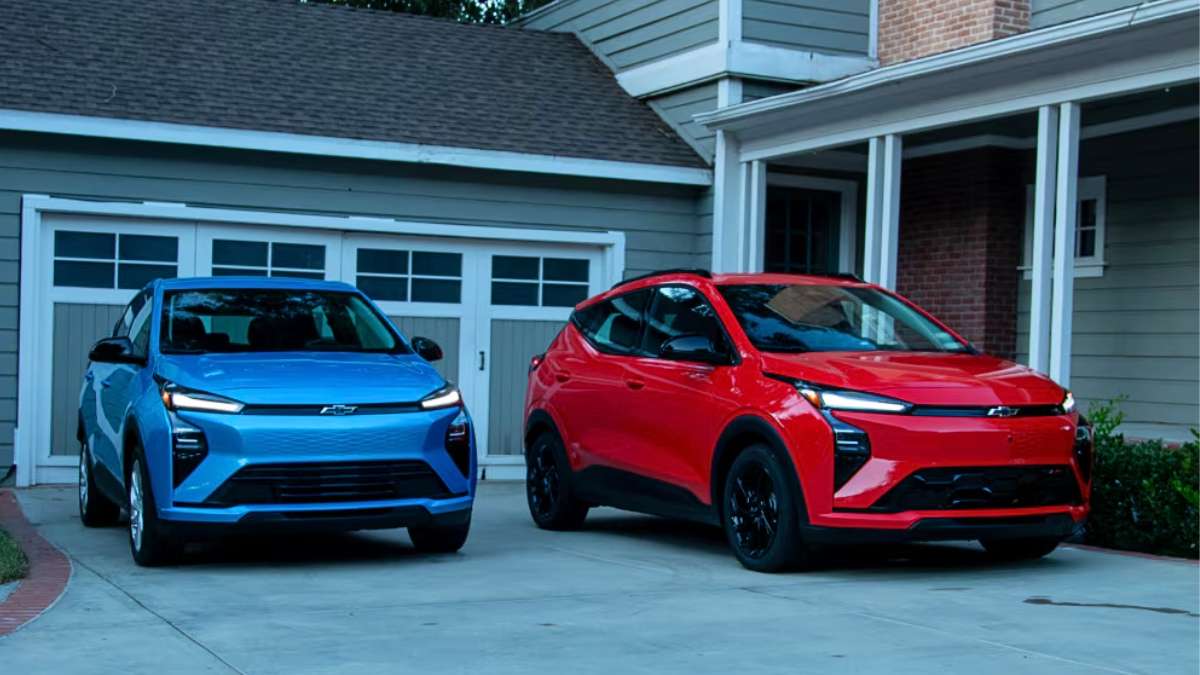

A new owner of a 2021 Chevrolet Bolt EV, who commutes 50 miles daily, reports spending only $40 on "fuel" costs in February, a figure that includes charging at work. This individual, who previously "despised EVs," now projects annual savings of close to $2,000 in fuel and maintenance. The experience shows the immediate, tangible financial benefits that can quickly convert even the most skeptical drivers to electric vehicle ownership.
This directly challenges the persistent, often unsubstantiated, narratives surrounding EV cost and practicality. When real-world savings are this stark, particularly for a used EV, it forces a re-evaluation of the entire ownership proposition. It also exposes the gap between perception and reality that manufacturers and advocates continue to struggle against.
“I just wanted to make a post for no real reason other than I can’t stop thinking about my Bolt, and I love talking about it. I’ve owned it for a month now, got it off Carvana.
I commute 50 miles a day for work. In February, I spent $40 in total fuel costs, even before figuring out I can charge at night for a fraction of the cost. My work has EV chargers I can tank up on every other day or so.
My mind has completely changed on EVs. I’ll save close to $2K this year on fuel and maintenance that will pay for my level 2 charger.
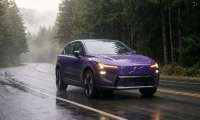
The only complaint is that it seems a little sketchy in the rain. Easy hydroplaning. And the windows seem to fog up a lot.”
The owner's conversion from an EV skeptic to an enthusiast, driven by tangible savings, is a narrative GM should be amplifying. The $40 monthly "fuel" cost, even before optimizing for off-peak charging, shows a financial advantage that internal combustion simply cannot match for a 50-mile daily commute. This kind of anecdotal evidence, when backed by specific numbers, cuts through more effectively than any corporate press release touting environmental benefits.
2021 Chevrolet Bolt EV: Real-World Ownership Insights
- The 2021 Bolt EV offers an EPA-estimated range of 259 miles on a full charge, making it competitive for daily commutes and longer trips. Its 66 kWh battery pack can be fully recharged in approximately 7 hours using a 240V Level 2 charger.
- Owners frequently report significant savings on fuel costs, with some experiencing monthly "fuel" expenses as low as $40 for a 50-mile daily commute. This translates to potential annual savings of $1,500 to $2,000 compared to a gasoline vehicle.
- A common complaint among owners concerns the stock low rolling resistance tires, which are optimized for efficiency but often criticized for poor wet-weather grip and increased hydroplaning risk. Some owners opt to replace these tires with higher-performance alternatives for improved safety and handling.
- The Bolt EV's cabin dehumidification system has been noted by some owners as less effective than desired, leading to frequent window fogging. This issue often necessitates running the defrost at higher settings, which can draw significant power and reduce effective driving range.
That number alone is compelling. What makes it particularly interesting is the owner's frank admission that his prior anti-EV stance was based on "Propaganda. I drove gas cars. I worked on my truck. Ignorance lol." This is a public retraction of a deeply held, misinformed belief, revealing the uphill battle manufacturers face in reshaping public perception.
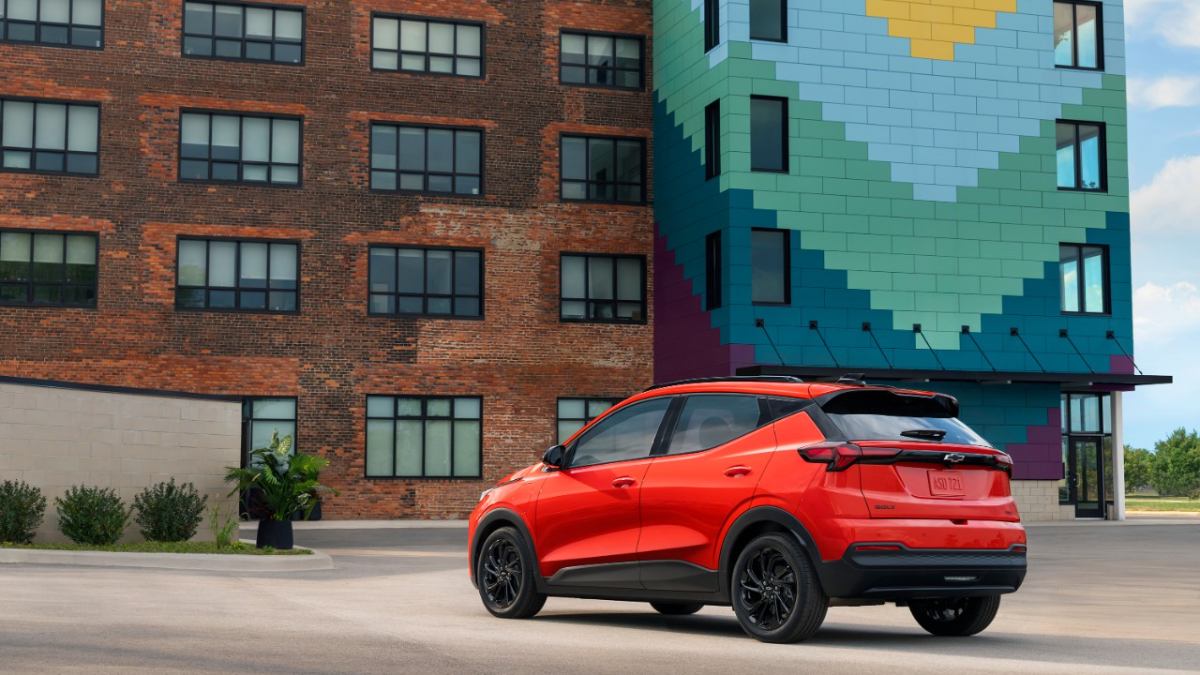
However, the post isn't entirely a glowing endorsement. The owner notes two specific complaints: "It seems a little sketchy in the rain. Easy hydroplaning. And the windows seem to fog up a lot." These aren't minor quibbles; poor wet-weather handling and persistent window fogging are safety concerns, particularly for a vehicle designed for urban and suburban commuting. These issues suggest either design compromises or component choices that prioritize other metrics over fundamental driver confidence and visibility.
Reddit user u/Sad_Alternative5509, who has owned a Bolt EV and subsequently changed their tires, addressed the handling issue directly:
I got rid of the stock tires and put on Michelin CC2. I’m sure efficiency took a hit, but it drives much better. Do agree with the windshield, the car does a bad job keeping the windshield from fogging up without max defrost on, which burns through the battery.
This comment confirms the original owner's observation about sketchy wet-weather handling, pointing directly to the stock tires as the culprit. It's a common manufacturer tactic to equip EVs with low rolling resistance tires to maximize EPA range figures, often at the expense of grip, especially in adverse conditions. This trade-off, while beneficial for marketing, directly impacts driver safety and confidence, forcing owners to spend additional money to correct a factory deficiency. It raises the question of whether a few extra miles of advertised range are worth compromising basic vehicle dynamics.
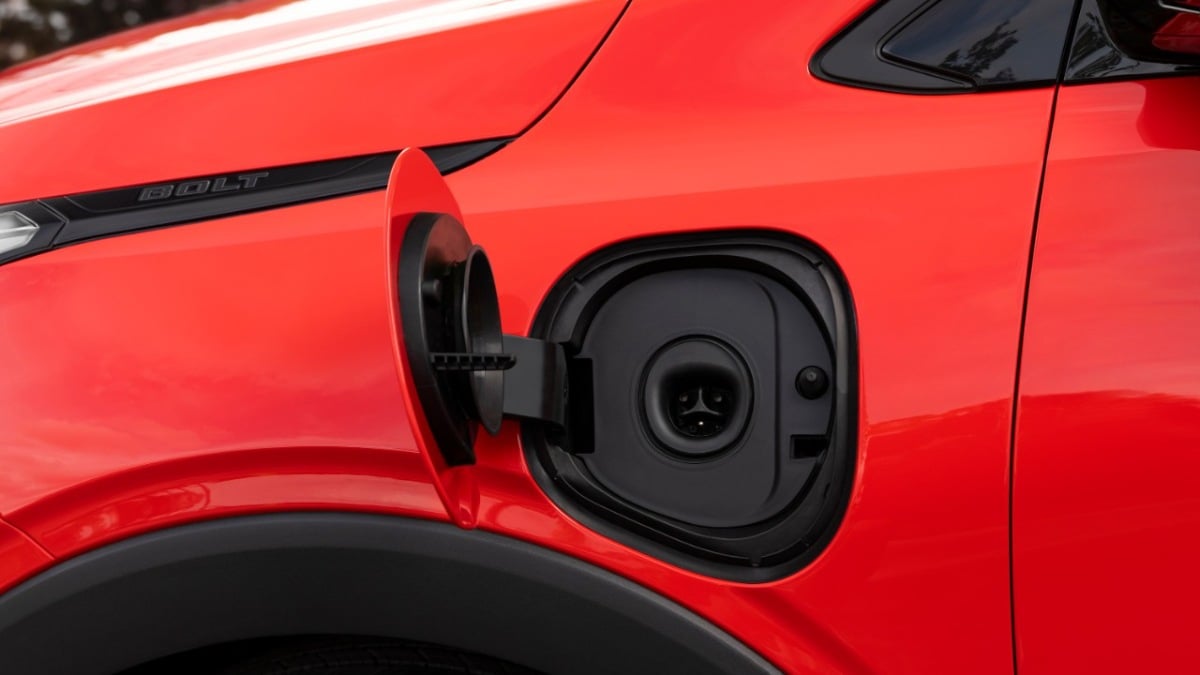
The fogging issue, also corroborated by u/Sad_Alternative5509, shows another design oversight. The need to run "max defrost" to clear the windshield, which "burns through the battery," points to an HVAC system that is either underspecified or poorly integrated with the vehicle's thermal management. This isn't a unique problem to the Bolt; many EVs struggle with efficient cabin heating and dehumidification without significantly impacting range. However, the severity described here suggests a failure to adequately address a fundamental requirement for safe driving in varied climates.
This owner's experience with the Chevrolet Bolt EV is a microcosm of the broader EV transition. The undeniable financial benefits are a powerful conversion tool, capable of overcoming entrenched skepticism. Yet, manufacturers continue to make compromises, particularly with components like tires and HVAC systems, that undermine the ownership experience and, in some cases, safety. GM's decision to equip the Bolt with tires that compromise wet-weather handling and an HVAC system that struggles with basic dehumidification reflects a focus on EPA range numbers over real-world driver satisfaction and safety. These are not minor flaws; they are design choices that owners are left to correct, often at their own expense, after the sale.
Image Sources: Chevrolet Media Center.
About The Author
Noah Washington is an automotive journalist based in Atlanta, Georgia. He enjoys covering the latest news in the automotive industry and conducting reviews on the latest cars. He has been in the automotive industry since 15 years old and has been featured in prominent automotive news sites. You can reach him on X and LinkedIn for tips and to follow his automotive coverage.
Set Torque News as Preferred Source on Google
Follow us today...