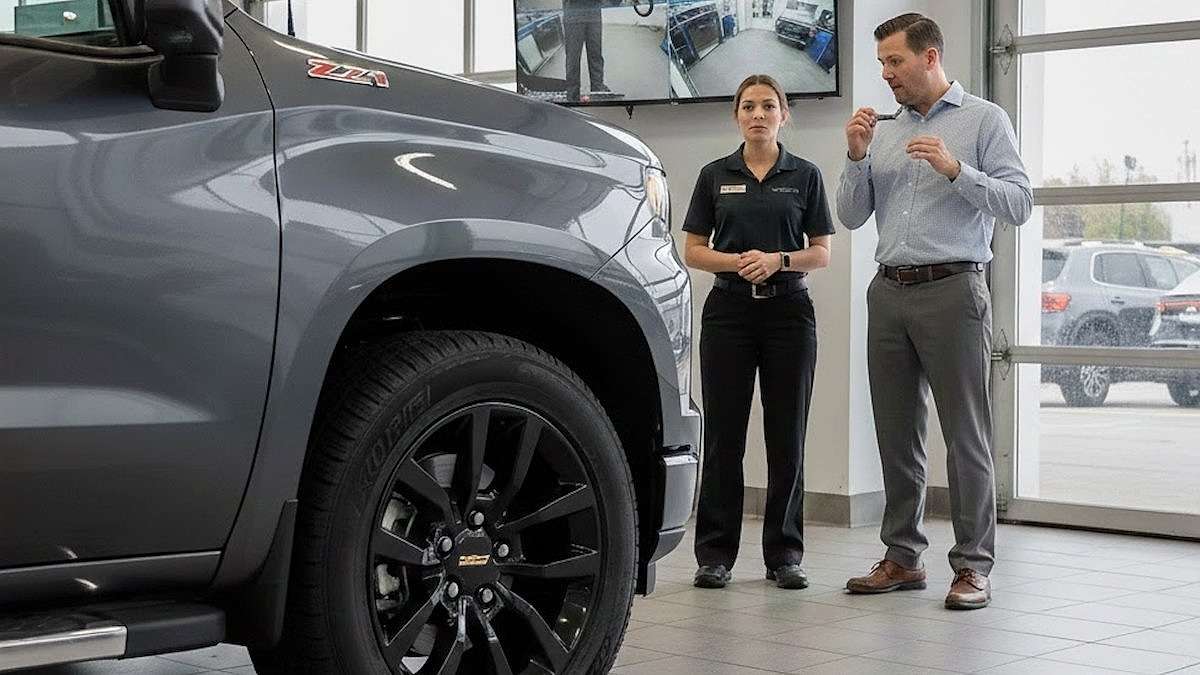

One simple mark on a Silverado's tire revealed a deceptive shortcut at a Chevrolet dealership that every truck owner needs to see before their next service appointment.
In my ongoing investigation into GM service integrity, I uncovered a recent post on a Facebook community for Silverado and Sierra enthusiasts in which Jason Lowell from West Virginia highlighted growing concerns about "mechanical ghosting" and the importance of verifying work performed at the dealer.
Jason says, “I got an oil change and tire rotation for my 2025 Silverado... I’m leery that they'll really do the rotation, so I marked a wheel. My suspicion was correct; the tires weren't rotated. I went back inside, and the service writer and a manager reviewed the video recorded in the service area; it showed the tires weren't rotated. They told me the tech took the lug nuts off one wheel and then put them back on; that's all he did. First, the tech said he rotated them, but the video confirmed he didn't. I'm glad I marked my wheel, otherwise it wouldn't have been noticed.”
From My View: The Anatomy of a Service Failure
After 30 years in the automotive industry, I’ve seen every trick in the book, but "mechanical ghosting" is a particularly frustrating trend that is resurfacing in the February 2026 service climate. Who is affected? Every owner of a modern pickup, but specifically those with the 2019-2026 GM platform. How does it happen? Technicians, often pressured by flat-rate pay structures, may perform a "ghost" service, pretending to work while the truck sits on the lift. Why? It’s a shortcut to boost shop efficiency at the expense of your vehicle's longevity.
When Jason marked his wheels, he wasn't being paranoid; he was being prepared. In my previous coverage of 2024 Silverado maintenance traps, I explored how misaligned service expectations can lead to premature component failure, a theme that perfectly mirrors the lack of attention shown in Jason’s case.
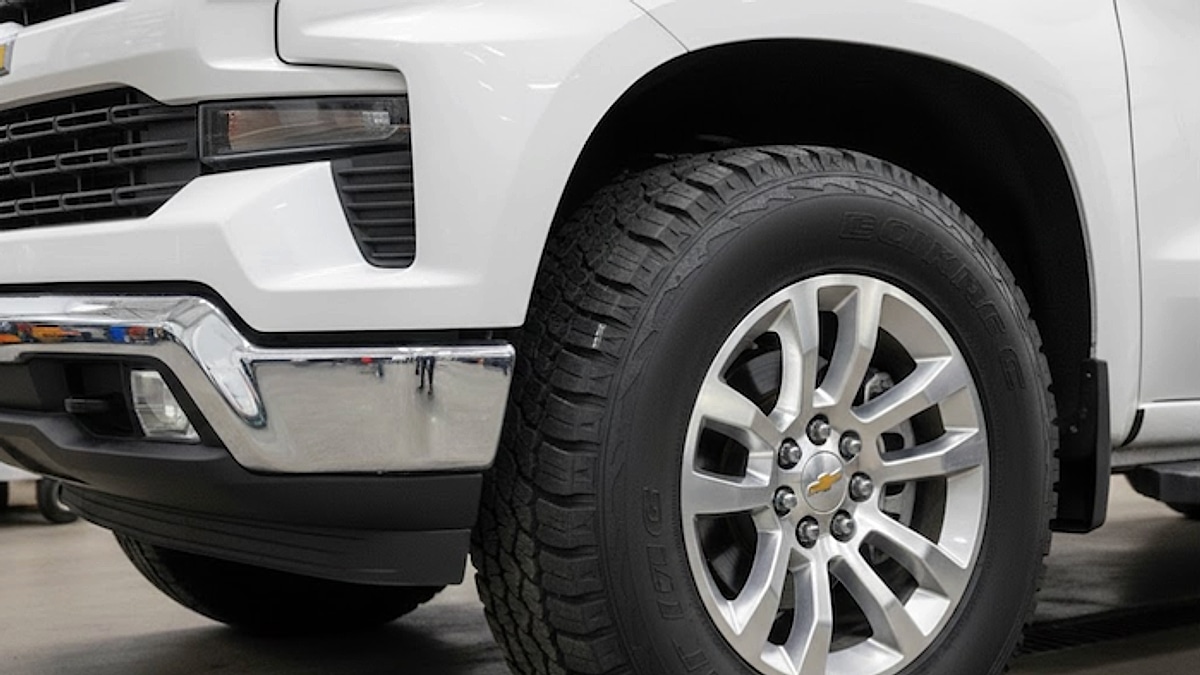
My Take: Why The "Chalk Trick" is Essential in 2026
I’ve often told my readers that trust is earned, not given, especially at the service counter. Modern dealerships are under immense pressure. With a national shortage of master technicians, shops are often leaning on "Lube Techs," entry-level employees who might have "a lot on their mind," as Jason’s tech claimed. However, taking the lug nuts off and putting them back on without moving the tire isn't a mistake; it's a deliberate act of deception.
More Advice For Owners
1. Flat-Rate Pressure: Technicians are often paid by the "book hour" rather than the actual time spent. A tire rotation might pay 0.3 hours; if they skip it, they "gain" those minutes back to start a more lucrative job.
2. The Verification Gap: Most owners never look behind the wheel. By marking the inside of the tire or the valve stem position, you create a physical audit trail that even a security camera can't refute.
3. Secondary Damage: Failure to rotate tires on a heavy 2025 Silverado leads to "cupping" and uneven tread wear, which can destroy a $1,200 set of tires in less than 15,000 miles.
This lack of transparency isn't limited to tires. I recently investigated how hidden engine issues in the 2.7L Turbo Silverado require meticulous dealer record-keeping, which becomes impossible if staff are faking the basic work.
A Growing National Concern
It’s important to realize Jason isn't alone. Industry experts at Consumer Reports have long warned about "phantom repairs." In a recent report on dealership trust, automotive analyst Steven Elek noted that service quality remains a top source of friction for truck owners, stating that "vehicle owners are increasingly skeptical of dealership service departments as labor costs rise while transparency lags."
Furthermore, the team at Carfax has highlighted that service history manipulation or incomplete records can reduce a vehicle's resale value by thousands, noting that "a consistent, verified service history is the single greatest asset for a vehicle's long-term value." When a tech "ghosts" a rotation, they aren't just lazy; they are actively devaluing your investment.
The Role of Technology: The Security Camera "Smoking Gun"
One of the most interesting parts of Jason’s story is the manager’s use of video. In 2026, many high-end dealerships have installed cameras in every bay to protect themselves from liability. In this instance, the technology worked in the customer's favor.
Community Technical Feedback
The sentiment in the community is one of growing vigilance. On Reddit, the conversation regarding dealership shortcuts is heated. One user on the r/Silverado subreddit shared a similar frustration, stating, "I caught my dealer doing this twice. Now I stand by the window and watch. It’s sad you can't trust the people you’re paying $150 an hour for labor," which you can view in the full discussion here.
Another owner highlighted the long-term consequences of skipping these services, saying, "If you don't rotate these heavy trucks every 5k miles, the fronts will scallop, and you’ll have a vibration that no balance can fix. You’re essentially throwing money away," a sentiment echoed in this Reddit thread.
Key Takeaways for Every GM Owner
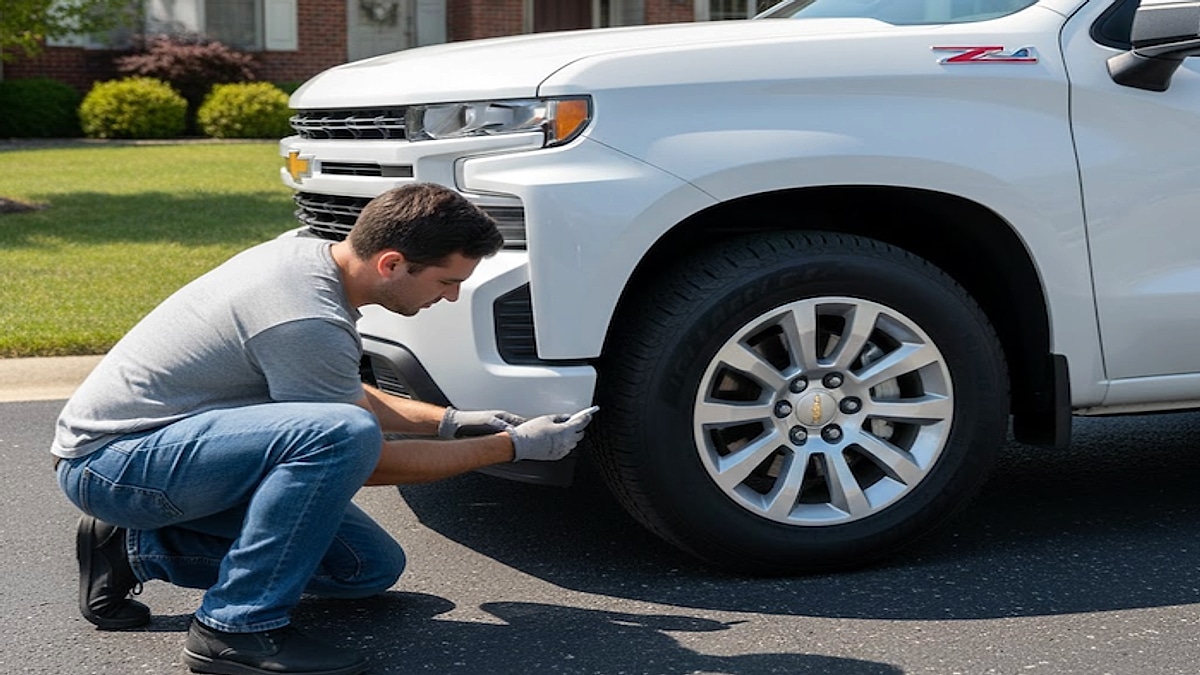
- Mark Your Tires: Use a small dab of paint, a grease pen, or even a specific scuff on the sidewall of the front-left tire. If it’s still on the front-left after the "rotation," the job wasn't done.
- Request the Video: If you suspect "mechanical ghosting," ask the service manager to review the bay footage. Most modern shops keep these records for 30 days.
- Check the Lug Nuts: Look for fresh tool marks or "disturbed" dust on the wheels. In Jason’s case, the tech actually touched the lugs but did not move the wheel.
- The "Expert Verification": Always request a multi-point inspection sheet that includes specific tread-depth measurements for all four corners. If all four depths are identical, be suspicious.
I’ve spent decades documenting these struggles, including my deep dive into why some Silverado owners are ditching the dealership entirely for independent shops. It all comes down to the relationship between the owner and the wrench.
Protect Yourself From Mechanical Ghosting"
Jason Lowell’s experience is a stark reminder that even the most advanced 2025 Silverado is only as reliable as the person servicing it. By using the "chalk trick" and requiring video verification, you can protect your truck from the costly effects of mechanical ghosting and ensure your maintenance dollars are actually being put to work.
It's Your Turn: Have you ever caught a dealership cutting corners on your truck, or do you use a secret trick like Jason’s to verify your repairs? I want to hear about your experiences with service transparency. Does this story make you want to start marking your tires before your next visit? Please leave a comment in the red “Add new comment” link below and join the conversation.
About The Author
Denis Flierl is a 14-year Senior Reporter at Torque News and a member of the Rocky Mountain Automotive Press (RMAP) with 30+ years of industry experience. Based in Parker, Colorado, Denis leverages the Rockies' high-altitude terrain as a rigorous testing ground to provide "boots-on-the-ground" analysis for readers across the Rocky Mountain region, California EV corridors, the Northeast, Texas truck markets, and Midwest agricultural zones. A former professional test driver and consultant for Ford, GM, Ram, Toyota, and Tesla, he delivers data-backed insights on reliability and market shifts. Denis cuts through the noise to provide national audiences with the real-world reporting today’s landscape demands. Connect with Denis: Find him on LinkedIn, X @DenisFlierl, @WorldsCoolestRides, Facebook, and Instagram.
Photo credit: Denis Flierl via Gemini
Set Torque News as Preferred Source on Google
Follow us today...