
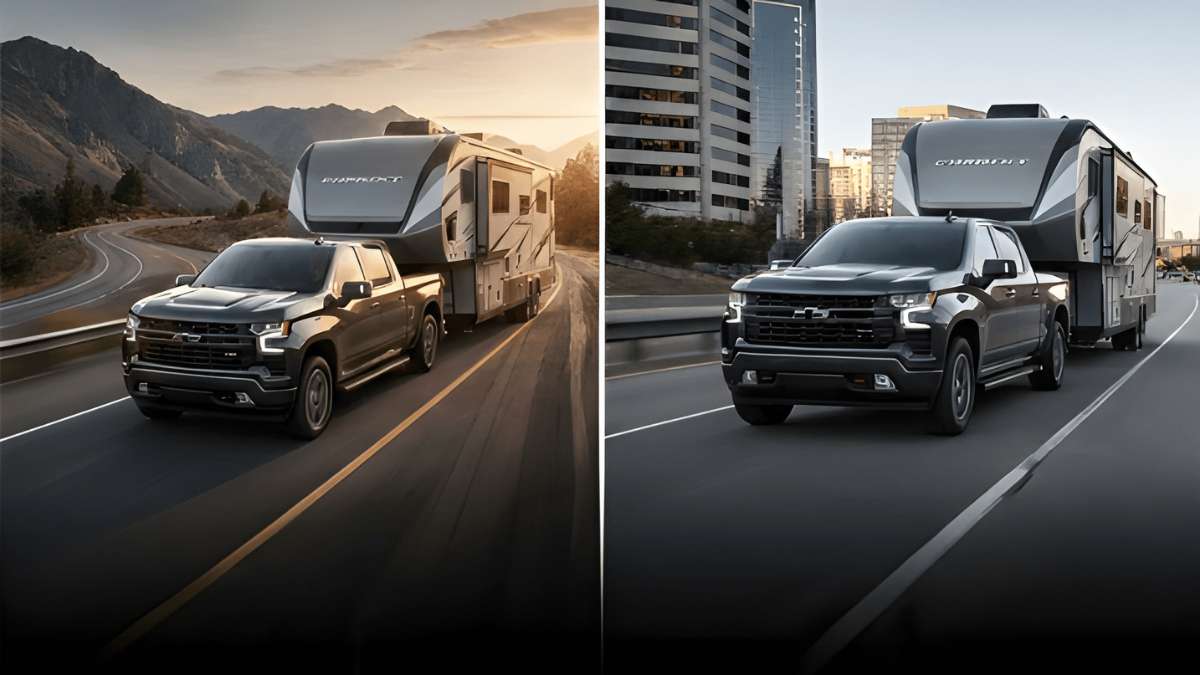

One driver’s "plastic truck" nightmare reveals a polarizing truth: no amount of high-tech turbocharging can replicate the visceral, heavy-duty soul of a classic American V8.
In my research on Chevy reliability and owner satisfaction, I found a recent post in a Facebook community of Silverado enthusiasts where Seth King highlighted growing concerns about the "artificial" feel of modern downsized engines and the loss of the rugged, natural toughness that truck owners expect.
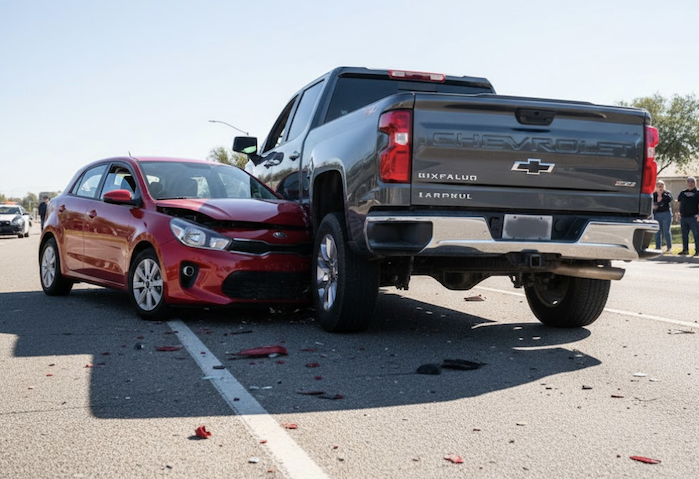
Seth says, “Well, after my 2020 Chevy Silverado 5.3L getting rear-ended by a 3,000-pound Kia Rio at 30 mph and almost totaling out my plastic truck, twisting the frame and breaking a bunch of [stuff], the dealer gave me this as a loaner. Whoever says the turbo 4-cylinder is great is lying to themselves, or they've never driven a V8. The comparison is that the truck doesn’t feel very tough. The sounds and feel, compared to a V8, just aren’t as satisfying. You understand what I’m tryin to say? It’s artificial and not a natural feeling.”
From My View
As a senior reporter with 30 years of experience covering the automotive beat from my home base here in Parker, Colorado, I have seen every engine trend come and go. People often ask me, "Who are these small-displacement turbo engines actually for?" They are designed for the EPA and for fleet managers looking to shave a few cents off their fuel bills, but as Seth's story proves, they often miss the mark for veteran truck owners.
How did we get to a place where a 2.7L four-cylinder is the standard for a full-size rig? It is all about the "on-paper" numbers. On a spec sheet, the 2.7L TurboMax produces an impressive 430 lb-ft of torque, which exceeds the 383 lb-ft of the 5.3L V8. But as I've noted in my previous reporting, torque numbers don't always tell the full story of real-world durability.
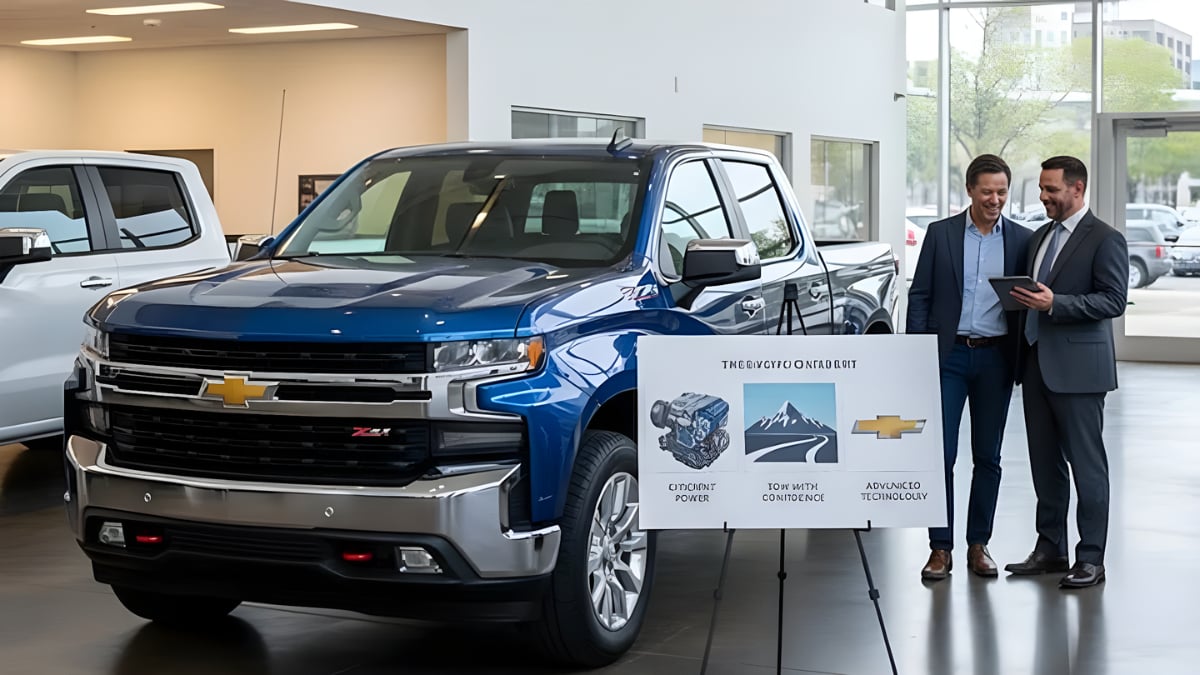
The why behind the owner's frustration is simple: "V8 Soul." You can pump all the synthetic engine noise you want through the Bose speakers, but you cannot replicate the rotational mass and low-end rumble of eight cylinders firing in sequence. When Seth says his truck feels "plastic" and "artificial," he is touching on a visceral truth that many manufacturers are trying to engineer away.
My Take
I want to pause on the most shocking part of Seth's quote: a 3,000lb Kia Rio twisting the frame of a half-ton Silverado at only 30 mph. For 30 years, I’ve tracked how trucks have transitioned to high-strength, thin-gauge steel to save weight. While this protects the driver, it often means the truck is "one and done" in a medium-speed collision.
One industry expert at Timothy Abeel & Associates notes that while the 2.7L is a "balancing act of efficiency," real-world owners often find flaws in these relatively new designs under pressure. When a compact car's frame twists in an impact, it makes the owner feel like the "toughness" they paid for was just a facade.
In My Experience..
Driving a 2.7L TurboMax at high altitudes, such as driving up through the Eisenhour Tunnel, often reveals "turbo lag" you simply don't get with the naturally aspirated 5.3L.
The 2.7L uses a unique "tri-power" valvetrain, but its complexity adds potential failure points that veteran mechanics remain wary of.
In my 30 years in the auto industry, I’ve found that "perceived toughness" is just as important to resale value as actual towing capacity.
Filed Observations From Owner Communities
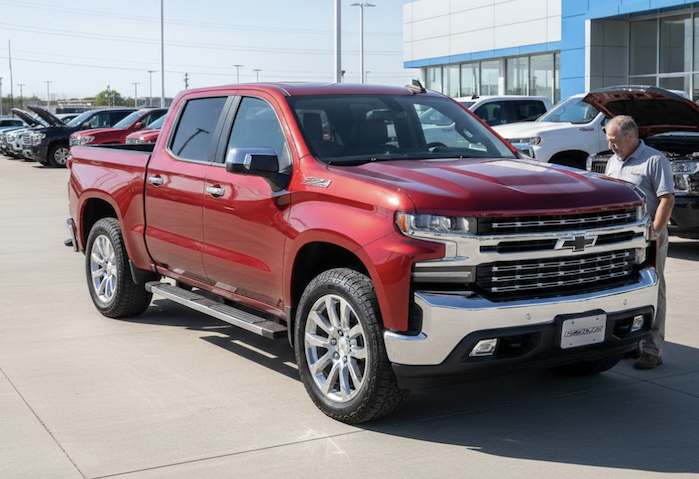
The sentiment Seth shared is echoed across the web. I spent some time digging through the latest discussions to see if this was an isolated incident. One user on Reddit noted the severity of the situation for those who work their trucks hard, stating, "Nobody's ever bought a 5.3/6.2 and thought 'damn, I wish I got a 4-cylinder truck'". They mentioned that even with a slight fuel economy gain, the trade-off in "peace of mind" isn't worth it.
Another owner highlighted the specific sensory gap, mentioning, "I do miss the 'rumble' of a V8, but that's literally about it", though they admitted they weren't confident the "4 banger" could handle heavy hauling over the long haul. This aligns with my own analysis of how the 2.7L TurboMax handles Colorado's steep grades.
Key Takeaways for My Readers
- Torque isn't everything: The 2.7L has more "peak" torque, but the 5.3L V8 has a more predictable power delivery.
- Resale Value: Historically, V8 trucks hold their value significantly better than small-displacement alternatives.
- The "Plastic" Factor: Modern crumple zones save lives but can lead to "total loss" designations for what appear to be minor accidents.
- The Sound of Science: If you are a traditionalist, no amount of "TurboMax" branding will replace the natural aspiration of a V8.
My Recommendations
If you find yourself in Seth’s shoes, forced to choose between a repair and a new truck, here is my seasoned advice. First, if you do most of your driving in high-altitude areas like Parker, don't ignore the "feel." A truck that feels "strained" will lead to driver fatigue. Second, look at the long-term data. I have previously investigated how the Silverado's 8-speed transmission pairs with the 2.7L, and while it has improved, it still lacks the refinement of the 10-speed found in the V8 models.
Furthermore, even experts at Auto Fanatics agree that while modern tech is dependable, newer models with the 5.3L V8 are particularly praised for their reliability once features like Active Fuel Management are taken into account. This is a crucial distinction for anyone planning to keep their truck for 200,000 miles or more.
I’ve also covered the top issues facing 2026 Silverado buyers to help you navigate these dealer loaner situations with your eyes wide open. You have to be your own advocate when the dealer tells you a 4-cylinder is "just as good."
In The End: There is no replacement for displacement
At the end of the day, a truck is more than a tool; it is a partner. Seth King’s experience reminds us that while engineering can improve fuel economy and emissions, it has yet to address the "natural feel" and rugged confidence that have defined the American pickup for a century. If you are a V8 loyalist, stick to your guns. There is no replacement for displacement, no matter what the marketing says.
It’s Your Turn
I want to hear from the truck community on this one. When you are behind the wheel, does the "artificial" sound of a piped-in engine note ruin the experience for you, or are the high torque numbers of the TurboMax enough to win you over? Have you ever felt that modern "plastic truck" vulnerability after a minor fender bender?
Share your story in the red “Add new comment” link below, and let’s get the conversation started.
About The Author
Denis Flierl is a 14-year Senior Reporter at Torque News and a member of the Rocky Mountain Automotive Press (RMAP) with 30+ years of industry experience. Based in Parker, Colorado, Denis leverages the Rockies' high-altitude terrain as a rigorous testing ground to provide "boots-on-the-ground" analysis for readers across the Rocky Mountain region, California EV corridors, the Northeast, Texas truck markets, and Midwest agricultural zones. A former professional test driver and consultant for Ford, GM, Ram, Toyota, and Tesla, he delivers data-backed insights on reliability and market shifts. Denis cuts through the noise to provide national audiences with the real-world reporting today’s landscape demands. Connect with Denis: Find him on LinkedIn, X @DenisFlierl, @WorldsCoolestRides, Facebook, and Instagram.
Photo credit: Denis Flierl via Seth King
Set Torque News as Preferred Source on Google
Follow us today...




Comments
At 52 years old, I had a…
Permalink
At 52 years old, I had a 2009 F150 Platinum with 430,000 kms (engine replaced at 250k). I decided I'd better buy a new truck so I had something not on the edge of miled out rolling into the hope of retirement.
Trucks have increased significantly over the past decade and so I set myself on the best of the lowest spec trucks possible. The Silverado 2.7l came in at a big discount compared to anything else. So far, it's been fantastic. I've had new 5.3l GMC and a rental Tundra 3.5ltt and I liked them both, but they're both a huge jump in cost compared with what I bought.
The problem is, North America auto industry has lobbied to keep the "affordable" models out of the market. So this is the best we can do for now.
Beating the shit outta some…
Permalink
In reply to At 52 years old, I had a… by Mountain Goat (not verified)
I’m not sure putting a high-boost turbo on a small 4-cylinder engine and putting it in a truck is the most reliable approach. Sounds like you'll be looking for another new truck way sooner than you should be. But I could be wrong. I haven't yet but maybe
After owning Chevy’s most of…
Permalink
After owning Chevy’s most of my life, except 1 disaster in 2016, when I stooped low and bought a Ford Fusion, which in 3 years of recalls…I couldn’t take it anymore! Traded it in for a 2019 Malibu which my wife loves! I purchased my 2005 Silverado with a 5.3 Z engine for pulling power, not Ethanol, and tow package. Fantastic truck! Pulled 3 different campers over the years. A 20’,a35’ and a 25’ camper. The truck pulled all of them perfectly. I’ve owned it over 21 years and the engine is one of the best parts it the truck! 5.3z ID. This truck has never given me any engine problems( and I have put it to the tests!) and I’m about to roll over 200,000 miles. I did have a new transmission installed at 175,000 miles, but that was because of a mistake I made towing a 35’ 9300# trailer. The engine has performed perfectly ! Long live the 5.3 V8 if GM knows what they are doing, It can not be duplicated with any 4 banger, no matter how many turbos you hang on it!
Had a new GMC Sierra that…
Permalink
Had a new GMC Sierra that needed valve replacement in under 15000 miles under warranty. Bought a travel trailer 3500 lbs, which the 5.3 didn’t like! Had to install air bags in the rear for 400 lbs tongue weight. Pulling the trailer the engine required high engine speed to deal with the load. Disappointing.
Traded for a diesel 2500, all the pulling power you would ever need. Problem was the steering didn’t have the ability to navigate camping spots and you must have two lanes clear to take a right turn w/o a trailer. Sold them both. Now driving a canyon 2.7 turbo, it pulls my ski boat at highway speeds. Kills gas mileage but then I get 22 mpg all the time. It’s a joy to drive, but the time may come when GM starts selling its new V8s, then I’ll be interested again
Seems no manufacturer is…
Permalink
Seems no manufacturer is making a full size truck with a dependable V-8. The cylinder deactivation in the 5.3 is a definite no go for me. Love my Tundra with the 5.7 with 290K. Why Toyota? They messed up. Everything else I have ever owned was "under powered", 4 and 6 cylinders. Also said i didn't want a Turbomax. Well, took one for a ride and now I own a Trail Boss with a Turbomax. Yes, cost was a major reason. I guess I will see how it goes. 5.3's before the deactivation mess were great engines the wife has an 2002 with +340K on it. Not worried about taking it anywhere.