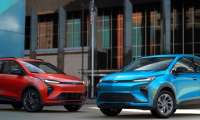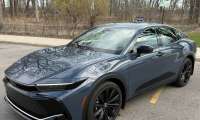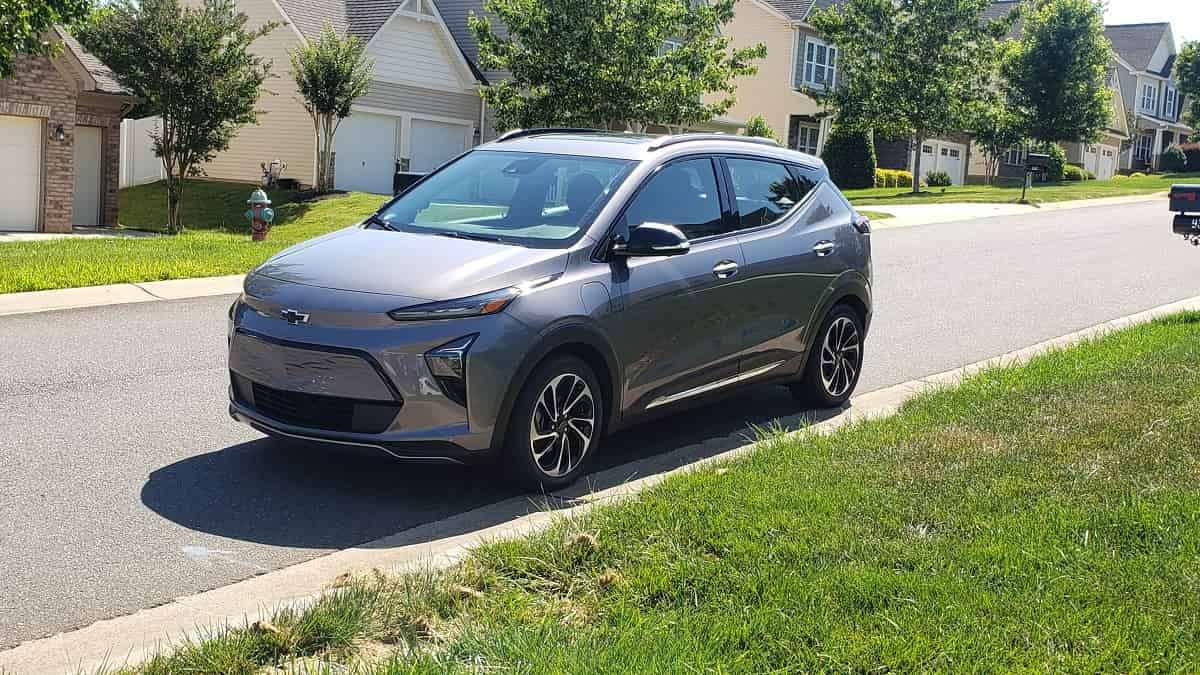

If you have ever owned a Chevy Volt, a Spark EV, or the original Bolt, you probably felt a sense of pride reading that headline. The Bolt is returning, and not just as another electric car in GM’s lineup, but as a symbol of unfinished business. It is a story of loyalty, practicality, and nostalgia that goes far deeper than specs and software.
Torque News reader Bill captured that emotion perfectly when he commented under Rob’s article quoted above:
"I am glad the Bolt is coming back, although it seems that, like many others, every extra feature will require a monthly subscription. GM seemed ahead of the curve decades ago looking at the many concept vehicles they built before the EV1 made its mark. The Bolt, to me, is an excellent vehicle, not just as a Primary but especially as 2nd family vehicle to run errands, driving kids to their school and activities, and great for retired people. The Bolt, like the Volt, met the needs people are finally figuring out now. Me, my Spark EV is a very efficient little EV with 0-60 times of 80s muscle cars and hot hatches, and very efficient. Also, I think GM gave up on the Brightdrop vans too early. Anyway, hopefully I'll be able to move up to a new Bolt."
Bill’s comment matters because it captures what many long-time EV drivers feel but rarely say aloud. It tells us that loyalty to the Chevy Bolt EV still exists, that EV nostalgia is powerful, and that performance is not just about top speed. It is about real-world drivability and trust in a brand that once led the electric car revolution.
Bill’s voice represents the practical car-buyer who has seen the industry evolve from curiosity to commitment. He remembers the days when GM was ahead of the curve, when the EV1 and Volt hinted at a future the world was not yet ready for. Now that future has arrived, but the same car-buyers who believed early on are asking GM not to lose sight of what made the Bolt so loved in the first place.
Why This Comment Resonates
There is something refreshingly authentic about Bill’s tone. He is not a fan defending GM out of blind loyalty. He is a long-time EV owner who recognizes both the triumph and the frustration of GM’s electric journey. His Spark EV comparison is especially powerful. It reminds us that cars like the Spark and the Bolt delivered joy in unexpected ways. The Spark EV’s instant torque gave it 0–60 times similar to 1980s hot hatches, and that still surprises people today. If you have not read it yet, see our recent discussion about whether the Chevy Spark EV is still worth it in 2025 and the surprising truth many owners reveal.

Bill also reminds us that GM was building concept vehicles before the EV1, when electric propulsion was a dream, not a market. That context matters because it highlights a theme of rediscovery. GM did not just make a mistake by pausing the Bolt program. It paused a connection with its loyal EV community — a group that saw something in those early cars worth preserving.
The Subscription Dilemma and Why It Worries Loyal Car-Buyers
Bill’s first sentence hits another key point: subscription fatigue. The new generation of car-buyers does not want to rent features they once owned. The idea that heated seats, remote start, or driving modes could cost monthly fees feels wrong to people who grew up paying once for the full car.
This concern is real, especially for buyers drawn to affordable EVs. The Chevy Bolt EV return is supposed to represent value and practicality, yet if its infotainment and comfort features require ongoing payments, that value erodes quickly. Bill’s frustration mirrors what we hear in other owner stories, including one driver who said, “My 2017 Chevrolet Bolt EV Premier is one of the best purchases I have ever made”. Those buyers are not asking for luxury; they are asking for integrity in how value is delivered.
Performance Is Not Just About Numbers
When Bill compared his Spark EV’s acceleration to that of 1980s muscle cars, he touched on something deeper. Performance in EVs is not about top speed or track times. It is about responsiveness, confidence, and fun. The Bolt and Spark EV achieved that balance beautifully. They were cars that felt alive at city speeds and inspiring in daily commutes.
This is why nostalgia plays such a big role here. Nostalgia is not just sentimental—it is tied to driving experience. The original Bolt offered a sense of connection to the road that some newer EVs have lost while chasing autonomous technology or oversized touchscreens. For many car-buyers, the Bolt was the right size—not just physically, but philosophically.
If you read stories like “Discovering a unique sense of freedom in my electric journey”, you see this emotional link appear again and again. EVs like the Bolt and the Spark created a quiet independence—a new kind of freedom that made driving simple again.
What Bill’s Perspective Tells GM
Bill’s closing line—“Hopefully I’ll be able to move up to a new Bolt”—should resonate deeply with GM executives. That is not just a wish. It is a promise waiting to be honored. It means there are loyal car-buyers ready to return if GM delivers a Bolt that stays true to its roots: affordable, fun to drive, and genuinely electric in spirit.
GM has a rare chance to rebuild trust with early adopters who never left. To do that, it must listen to voices like Bill’s. These car-buyers are not asking for radical innovation. They are asking for continuity—for GM to remember that it already built cars people loved. The question is whether the new Bolt will reflect that lesson.
Do you agree with Bill that the Chevy Bolt EV met the needs people are only figuring out now?
Would you buy the new Bolt if GM includes subscriptions for key features?
Share your thoughts below. Tell us whether GM’s decision to bring back the Bolt renews your faith or feels like another experiment in progress. Your stories will help define what the next generation of electric cars should really stand for.
Armen Hareyan is the founder and Editor-in-Chief of Torque News. He founded TorqueNews.com in 2010, which since then has been publishing expert news and analysis about the automotive industry. He can be reached at Torque News Twitter, Linkedin, and Youtube. He has more than a decade of expertise in the automotive industry with a special interest in Tesla and electric vehicles.
Images by Armen Hareyan and by Peter Broster, licensed under CC BY 2.0. Source: Wikipedia.
Set Torque News as Preferred Source on Google
Follow us today...