
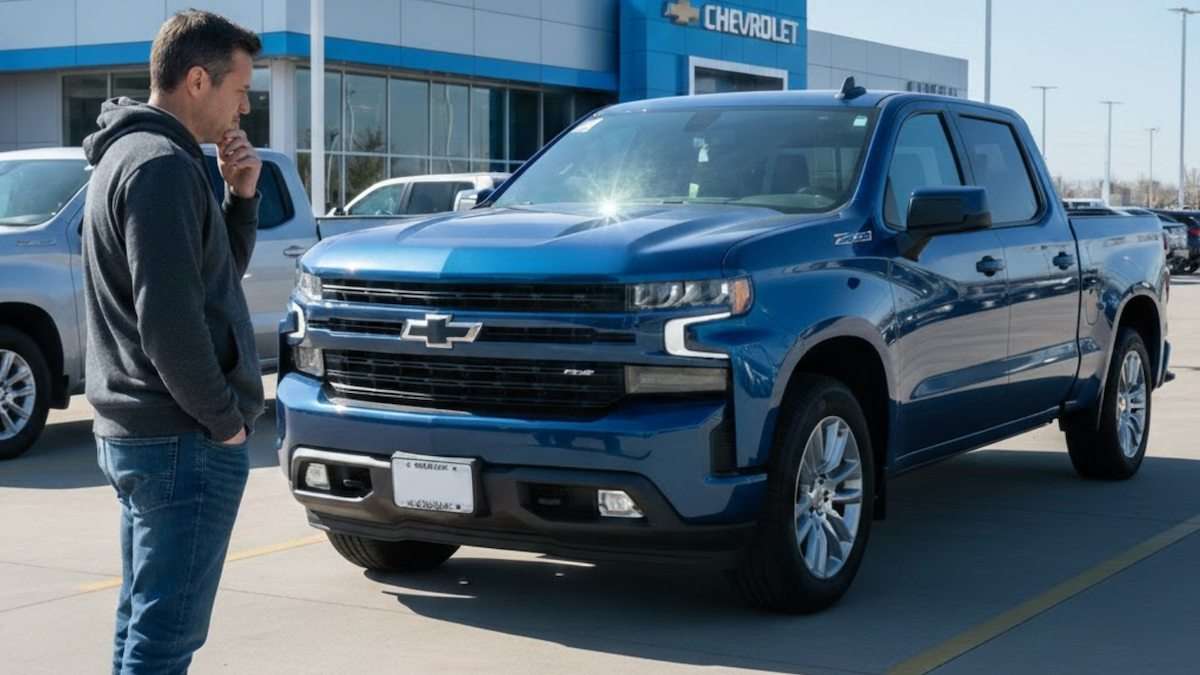

One loyal Chevy Silverado owner’s search for a new truck just hit a mechanical wall, forcing a "reliability vs. power" choice that every GM fan fears.
Imagine standing on the dealership lot, eyeing a shimmering new 2026 Silverado, but the ghost of your 2020 model’s vibrating floorboards and "ticking" engine lingers in your mind. You want the raw, traditional power of a V8, yet the mechanical gamble of collapsing lifters feels like playing Russian roulette with your bank account. For a longtime Chevy loyalist, the choice between an "adequate" turbocharged four-cylinder and a potentially self-destructing V8 isn't just a purchase, it is a crisis of faith.
In a recent post shared in a Facebook community for Chevy Silverado and GMC Sierra owners, Carl Ziegler highlighted growing concerns about GM’s powertrain reliability and asked whether the 2.7L TurboMax is a safer bet than the 5.3L V8.
He says, “I drove a 2026 Chevy Silverado yesterday with the 2.7L TurboMax 4 cylinder. It would do what I need it to do. Are there any issues anyone is experiencing? I would like the 5.3, but the cam/lifter issues and 10-speed trans woes are a concern.”
The Great Silverado Dilemma: Reliability vs. The V8 Soul
As a senior reporter with over 30 years in the trenches of the automotive industry, I have seen engines come and go, but the current state of the full-size truck market is unlike anything I’ve witnessed. For decades, the small-block Chevy V8 was the gold standard of dependability. Today, I’m talking to owners who are genuinely afraid of their own trucks.
This 2020 Silverado owner is the perfect example of the modern GM enthusiast caught between a rock and a hard place. He wants the 5.3L V8 because, let’s be honest, there is no replacement for displacement when it comes to the sound and feel of a truck. However, the shadow of Dynamic Fuel Management (DFM) and the catastrophic lifter failures associated with it has turned a dream truck into a potential nightmare.
I've Seen This Before
The anxiety is well-founded, as many 2020+ trucks are arriving from the factory with lifter issues within the first 20,000 miles, making the decision to stick with the V8 a risky proposition. You can read more about these documented failures in this comprehensive guide by Rohnert Park Transmission. In my own experience covering these vehicles, I have noted that the Active Fuel Management (AFM) and DFM systems wreak havoc on lifters while simultaneously making the transmission hunt for gears as cylinders cycle on and off. It is a complex engineering dance that often leads to a very expensive trip to the service department.
The TurboMax Alternative: Is It Enough?
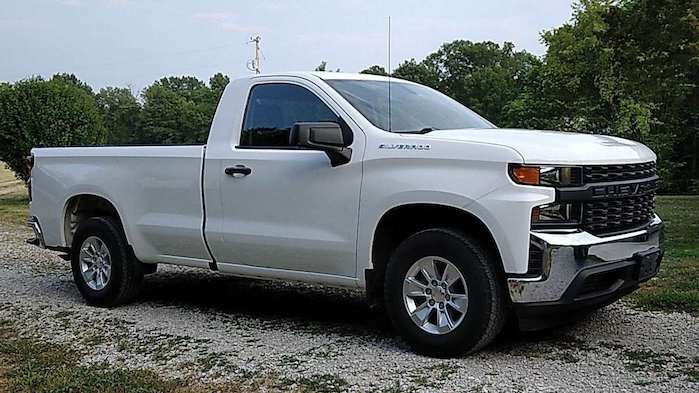
So, our owner looks at the 2026 2.7L TurboMax. On paper, the torque figures are impressive; 430 lb-ft is nothing to sneeze at. During his test drive, he found it "adequate." But "adequate" is a tough pill to swallow when you are used to the rumble of a V8. Furthermore, the 2.7L brings its own set of baggage, primarily the 8-speed transmission. While the engine itself is built with diesel-like internals, the transmission remains a point of contention. Expert reports show that drivers describe harsh shifting, delayed engagement, or a shaking sensation at cruising speeds, often caused by torque converter and valve body defects. You can dive deeper into these transmission reliability concerns at Morgan & Morgan.
When I examine the 2026 lineup, I see a manufacturer trying to balance government-mandated efficiency with consumer demand for power. I have reported previously that the 8L90 and 10L80 transmissions have drawn significant complaints and even recall actions due to these persistent shudders and "hard clunks." For the 2020 owner looking to upgrade, it feels like choosing between an engine that might eat its own valvetrain or a transmission that might forget how to shift on the highway. It is a tough spot for anyone, especially when you are dropping $60,000 or more on a new rig.
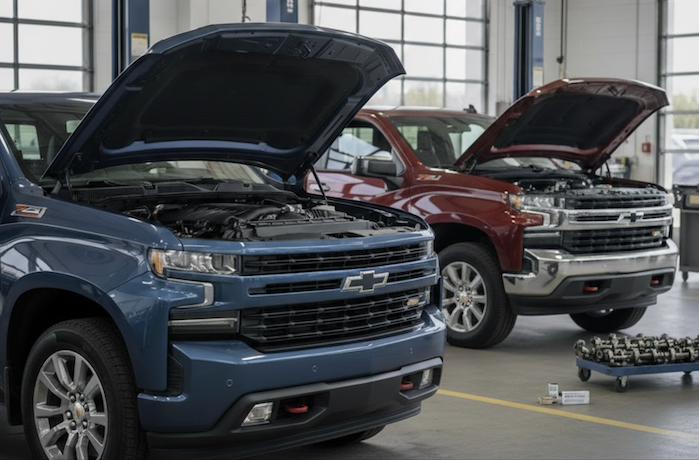
One unique insight I can offer is to pay attention to the "thermal mapping" of these new engines. The 2.7L TurboMax runs significantly hotter than the old naturally aspirated blocks because of the turbocharger's location and the higher compression ratios required to generate that torque. This heat is the enemy of transmission fluid. If you choose the four-cylinder for its lack of lifter issues, you must be twice as diligent about your cooling system.
Many owners don't realize that the transmission shares a cooling loop that can be taxed during heavy towing in the summer months. My advice is to install an aftermarket transmission temperature gauge if your trim level doesn't include a digital readout in the cluster. Knowing your temps can prevent a $7,000 rebuild before it starts. This level of proactive ownership is what separates those who reach 200,000 miles from those who end up on the back of a flatbed at 60,000 miles.
A Breach of Trust
Beyond the mechanical fears, there is an emotional weight to this decision. When you spend thirty years in the automotive field, you learn that truck owners don't just buy a tool; they buy a partner for their business and family adventures. Seeing a loyalist hesitate to pull the trigger on a 2026 model because of a decade-long struggle with lifter tech is heartbreaking. It signifies a breach of trust between the manufacturer and the consumer.
To enhance your search, I recommend checking the door jamb for the production date. Some technicians suggest that "Tuesday through Thursday" trucks those built mid-week might see better quality control, though that remains a bit of industry folklore. What isn't folklore is the need for an oil analysis. If you own a 5.3L, I strongly advise sending a sample to a lab like Blackstone. They can spot early signs of metal wear from lifters before you hear that dreaded "tick-tick-tick" while idling at a stoplight.
What Silverado Owners Are Saying
The community is vocal about these trade-offs, and the consensus is far from unanimous. One user on Reddit noted the severity of the situation, stating, "The 5.3 is the way to go unless you buy a truck to just buy a truck... you have to beat the piss out of it to get performance of a V8," which you can read in the full discussion here.
On the other side of the fence, another owner highlighted the new design's vulnerability, noting, "The 2.7 actually makes more torque way earlier in the power band than the 5.3," but conceded that the 8-speed transmission pairing remains the biggest legit complaint.
Key Takeaways for Silverado Buyers
- V8 Owners: If you choose the 5.3L or 6.2L engine, consider installing an AFM/DFM disabler or a mechanical delete kit once the warranty expires to save your lifters.
- TurboMax Seekers: The 2.7L is a torque monster but lacks the "soul" of a V8; prioritize regular 5,000-mile oil changes to protect the turbo.
- Transmission Health: Regardless of the engine, insist on a transmission fluid exchange every 30,000 to 45,000 miles to mitigate the dreaded GM shudder.
- The 2026 Outlook: GM is aware of these issues, but until a fundamental redesign of the lifter and valve body is implemented, preventive maintenance is your best friend.
Keep a "Repair Fund" or an Extended Warranty Tucked Away
The 2026 Chevy Silverado remains a top-tier truck in terms of capability and tech, but the mechanical crossroads facing owners today is real. Whether you opt for the high-tech 2.7L TurboMax or the traditional 5.3L V8, you are entering a partnership that requires vigilant maintenance and an awareness of GM's recent hardware struggles. My advice? Trust your gut on the test drive, but keep a "repair fund" or a solid extended warranty tucked away just in case those lifters or that torque converter decide to go on strike.
Tell Us What You Think: Are you sticking with the V8 despite the lifter risks, or has the TurboMax won you over with its low-end torque? Let us know in the red Add Comments below.
Next Up: If you are worried about your current truck, check out my recent report on why your 2020-2024 Silverado might be shuddering and what the dealer isn't telling you about the "permanent" fix.
Denis Flierl is a Senior Reporter at Torque News with over 30 years of hands-on experience in the automotive industry. Having served as a professional test driver and industry consultant for major automakers such as Chevrolet, Ford, Toyota, Honda, and Tesla, Denis provides a "boots-on-the-ground" perspective that goes beyond standard reporting. Since joining Torque News in 2012, he has specialized in cutting through market noise to deliver data-backed analysis and real-world owner stories. His work focuses on navigating the transition to EVs and the shifting automotive market.
Have a tip or question for Denis? > Engage with him directly on LinkedIn for industry analysis, or follow his latest updates on X @DenisFlierl and @WorldsCoolestRides. You can also find his latest car features on Facebook and Instagram.
Photo credit: Denis Flierl via Carl Ziegler
Set Torque News as Preferred Source on Google
Follow us today...






Comments
Both 5.3 and 6.2 beat the 2…
Permalink
Both 5.3 and 6.2 beat the 2.7 at mpg's real world highway speed and working use. Lots of city stop-and-go mpg is the reason to get one. But any hybridization on n/a engines would beat that. So I hope that's a next gen option with resolved lifter/crank/trans disasters.