
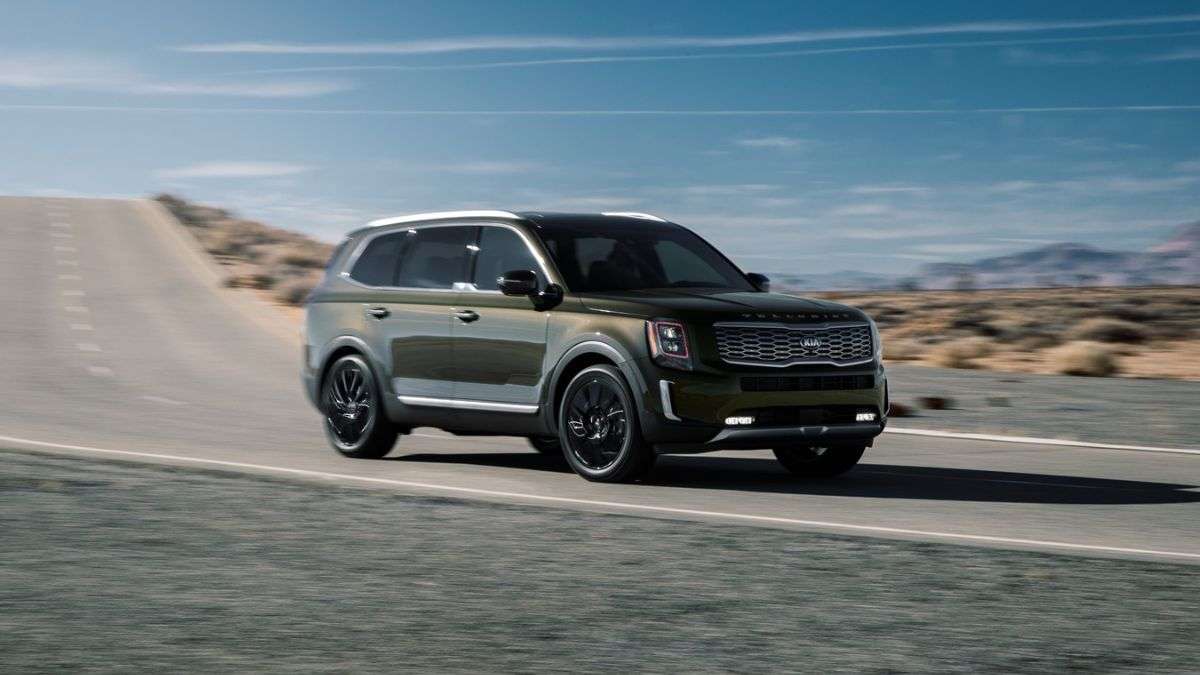

Many consumers view mid-size family SUVs as reliable vehicles for extended periods of time. They don't merely provide enjoyable rides and attractive styling, as buyers typically expect their cars to be able to endure years of daily commutes, lengthy road trips, and various seasonal changes without creating long term stress related to owning the vehicle. As more high mileage units reach their final stages of use, many owners are now questioning if the reliability of these types of vehicles continue to hold true over time. That's especially true for Kia more specifically.
That's the concern I came across in a detailed post in the “KIA Telluride Complaints Group” on Facebook from Brad Mac today, whose experience with his wife’s 2020 Kia Telluride highlights how quickly confidence in a vehicle can erode once reliability questions begin stacking up.
Brad wrote, “Well, I'm new to the group but I think I found the right group. My wife has a 2020 Kia Telluride at 112k miles and it's the biggest POS I've ever seen as a vehicle. Scrolling through some of the posts on here, it looks like we have the same issues. I noticed the 3.8L engine consumes oil like it's nothing. Every 5k miles, I ended up putting in a thicker viscosity oil additive to reduce the oil consumption.
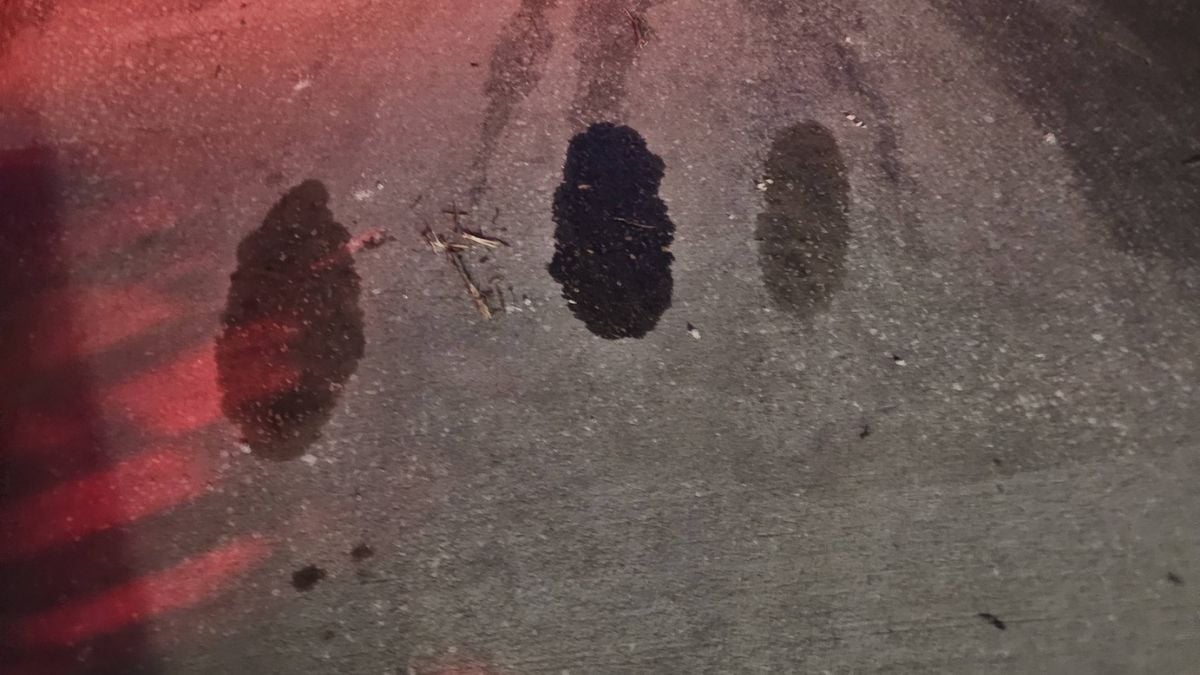
Just when I thought I solved the issue, I started noticing oil stains in the driveway after a massive cold front came through where my wife's SUV is. Well, when I looked under the hood, I saw a lot of oil residue coming from the oil filter housing. Doing the research, Kia, in their infinite wisdom, decided to make the part out of plastic which can fail over time due to changing weather conditions. How stupid do they have to be to make a component out of plastic?
Anyways, I ordered a metal one and I’m praying this will fix it. I'm so tired of this vehicle, and I wish we could trade it in but she's upside-down loan wise on it and I absolutely refuse to get into another Kia. In fear of this thing not lasting another 30-50k, I ended up starting a monthly subscription from CarShield as an extended warranty on the powertrain and transmission, so it doesn't turn out to be one big paperweight. I've started telling friends and family to stay far away from Kia. They may look nice, but they are nothing but trouble.”
When Oil Consumption and Material Choices Collide Over Time
The primary reason for Brad's concern about his Telluride is the combination of two factors that are often interdependent: oil use by the engine and component wear. In addition to regular oil use as an engine ages, Brad believes that his Telluride's 3.8-liter V6 has a tendency to consume more oil than most people would anticipate for an owner to have to monitor. However, what's even more concerning is that the excessive oil consumption had masked another issue, which was not apparent until the vehicle was exposed to cold temperatures.
When an engine is exposed to cold weather, seals may contract and plastic components can be stressed. The excessive oil residue that Brad found around the oil filter housing was indicative of a more serious problem. Because of the plastic component, the housing may warp or crack due to the stresses of high temperature cycling and fluctuating temperatures over time.
Many owners find this type of discovery particularly disturbing for several reasons. First, it's not presented as a singular catastrophic event. Second, the vehicle experiences a series of seemingly minor problems that continually erode trust. Brad chose to install a metal oil filter housing as a proactive measure to replace the original plastic unit. This is reflective of an increasing number of owners who believe that they need to "out-engineer" their vehicle in order to establish a sense of security regarding potential reliability concerns.
A Pattern That Some Owners Say Goes Beyond One Vehicle
Beyond the physical or mechanical aspects, Brad's story demonstrates how reliability problems can quickly turn into financial ones. Because Brad is "upside down" on his car loan, he has fewer options now that he lost trust in the reliability of his vehicle. It was this pressure from being uncertain about the future of the car that prompted Brad to buy extended warranties on the engine and transmission as much for protection as for peace of mind. It's a defensive move many owners make when they feel the long-term outlook of their vehicle has become uncertain. Stories like this are not isolated either. We have seen similar concerns surface from other Telluride owners dealing with serious engine-related problems, especially when repeated failures leave owners frustrated with how manufacturers respond once the warranty clock starts ticking.
Brad’s experience also feeds into a broader conversation about whether early Telluride models are more prone to long-term issues than initially believed. While many owners report positive experiences, others describe a pattern of repeated failures that extend beyond normal wear and tear, including reports of safety-related incidents tied to mechanical problems owners say they were not previously warned about, such as a Telluride that completely burned to the ground after a recall issue went unnoticed.
What stands out in these accounts is not just the severity of the issues, but how unprepared owners often feel when they arise. Vehicles that are marketed as reliable family haulers carry a higher expectation of transparency, especially when known problem areas emerge over time.
What Other Owners Are Saying
Brad’s post quickly drew responses from other Telluride owners, many of whom shared experiences that reinforced his concerns, though from slightly different angles.
David Fateman offered a cautionary note based on his own ownership experience, saying, “Our 2020 Telluride was awesome after Kia finally replaced the engine. Stay away from the early Tellurides.”
His comment reflects a common theme among owners who say the vehicle performed well only after major components were replaced, raising questions about how much disruption owners should reasonably expect during the lifespan of a vehicle.
Misty Chybrzynski Woody shared a far more extensive list of issues, writing, “I’m on my third oil housing unit, second engine, third alternator, second starter, and second headlight assembly unit. Same thing with the upside-down loan. These people really are like ‘come in, we’ll get you in a new car and combine the loans.’ I would never ever buy another car from them! The bad part is customer service and accountability! I had to nearly fight everyone to get the stuff fixed!”
Her experience highlights how repeated repairs can erode trust not just in the vehicle, but in the support, structure meant to resolve those problems.
William Farr focused on another recurring frustration, saying, “The worst thing about it is the dealership mechanics say there's nothing wrong with it or it's your fault. I got so fed up I've lost about $18,000.”
That sense of dismissal can be as damaging as the mechanical issues themselves, especially when owners feel their concerns are being minimized rather than investigated.
Taken together, these comments paint a picture of ownership experiences that vary widely but share a common thread of owners feeling trapped between ongoing problems and limited options for resolution. Even seemingly minor issues can become tipping points when confidence is already shaken, as seen in other Telluride-related complaints involving unresolved passenger seat failures that owners say dealers dismissed as normal.
My Thoughts on This Case
I believe what is most compelling about Brad's experience is not just the plastic oil filter housing, nor his vehicle's excessive oil consumption, but the rapid shift from routine maintenance to continuous watchfulness. Today's vehicles are more complicated than those of past decades and, although savings through less expensive materials and design efficiency may be quantifiable, they can create an unappealing perception when they fail at some point years after purchase.
On a larger scale, stories such as this emphasize that longevity and reliability are ultimately more important than an initial impression. While many were praising Hyundai/Kia for the Telluride's appearance, feature content, and value, true ownership is based upon cold morning starts, miles driven, and how manufacturers respond to issues as they develop. If owners need to proactively replace parts and/or purchase extended warranties to provide themselves with some measure of security, it's something that manufacturers should take seriously, regardless of who the car maker might be.
Key Takeaways
- Monitor oil levels consistently, especially on higher-mileage vehicles where consumption may increase gradually.
- Pay attention to material choices in critical engine components if failures are reported common. Plastic parts may be more susceptible to long-term wear and temperature changes.
- Factor long-term ownership costs into purchase decisions, not just initial value or warranty coverage.
- Document all issues early and thoroughly, as patterns matter when seeking support or escalation.
Tell Us Your Story
Have you experienced oil consumption or unexpected component failures with your vehicle as it aged?
And if you own or previously owned a Kia Telluride, did your long-term experience live up to what you expected when you first bought it?
Don't hesitate to share your thoughts in our comments below.
Aram Krajekian is a young automotive journalist bringing a fresh perspective to his coverage of the evolving automotive landscape. Follow Aram on X and LinkedIn for daily news coverage about cars.
Image sources: Kia’s gallery and the “KIA Telluride Complaints Group” Facebook group.
Set Torque News as Preferred Source on Google
Follow us today...



Comments
Thank you for writing this…
Permalink
Thank you for writing this article. Especially since other mainstream, trusted car reports are singing the praises of the Telluride-since day 1, ignoring the horror stories of those of us who been through these unfortunate experiences just because we purchased a highly recommended family vehicle. I’ll try to be as brief as possible laying out my own experience as a Telluride 2020 EX owner.
*Bought the car 12/30/2019- brand new/dealer demo car (2020) with 36 mi. 72 mo loan. Dealer only had it a month.
Came with a tow pkg, leather seats all around, roof racks, sunroof and all the things that model comes with.
*Beautiful, spacious, luxury interior. (Issue #1) However, after a couple months noticed the shocks were horrible, felt even the tiniest bump with a jolt, no matter where in the car you were sitting. Every other car I was in then and now had better shocks. Called dealer, had me bring it in-couldn’t get me in before 3 wks. After their “look-over” which took 10 mins they concluded shocks were fine. Maybe look into better tires they told me?! The car had less than 1k miles- I wasn’t buying new tires - it came w new Cooper Tires. * have bought 2 full sets of tires since- shocks still horrible
(KIAs solution) “Live with it”
*(issue #2) around year 1: electric failure- every light on dash on then everything went down on the dash-while driving 5 miles away to my mothers. Called KIA at my moms they said they’ll try to get me in in 2 days. I had to use the car for work the next days, so what do I do? They said ok late tomorrow after work bring it in?!?! I came out to leave mom’s - car wouldn’t start/no electrical- tried several more times-nothing. Called KIA, they agreed to send a tow -waited 2 hrs.
(KIA solution): Bad alternator-Replaced alternator, free due to warranty. Unfortunately, they had my car for 2 wks., no loaner, and I had to call daily for an update on when they were going to fix it cause I had to piece together rides to work, kids events, etc.
*(issue #3): 12 hrs after getting my car back from alternator replacement, I discover rear passenger side window wouldn’t stay closed- leaving a 1 in. Gap. Tried multiple times- not closing. Called KIA, I said maybe electrical issue wasn’t totally fixed, due to window issue. They couldn’t look at it again for over a month!! I pleaded that it was Spring, rain, even snow was predicted in upstate NY- what do I do now?! “Plastic bag and duct tape.” Unreal. For a month I drove a 1 yr old car around w plastic and duct tape- patience was thinning…
(KIAs solution): blamed me - that I “must have removed the door panel” or tampered with it in some way because they found a screw in the bottom, inside?! For real? I was now upset. It takes a special tool to remove that panel- I found after Googling it. They charged me $42+ labor= $105 for a “new screw” - refused to pay for it. I told them it was likely the bad shocks that knocked it loose!!!
(Issue #4): Battery dies yr 2- I replaced it myself, after having a mechanic- not the dealership look at it- he did not charge me for consult
(Issue #5): yr. 4ish - car shorting out again- back to dealership-a week later due to they had no openings.
(KIA solution): Cause was faulty back up camera sensor- replaced and charged me $1,100 for the new one+labor ( after having my car 2 weeks- no loaner). Refused to pay, as they told me it was a faulty camera. The service manager told me they made a mistake charging me, yet still sent me the bill for it - every mo for 6 months. Called them each month- said don’t worry about it!
*which brings me to the next, devastating (issue #6): early 2025, noticed unusual oil consumption, which got increasingly worse. Called dealership ( under new ownership, records didn’t transfer!!) Always changed oil sooner than recommended and have every receipt. Said I need an oil consumption test- couldn’t evaluate for that til early July! In the middle of June 2025, I had my oil changed, same place I always go to, told them about the oil issue. They said the oil wasn’t leaking but was gumming up around the engine and don’t drive it far til KIA sees it-it might make it a few more weeks!! They changed the oil, filter, etc $75 (my husband put 2 quarts the day before and 2 quarts in two days before that-that’s how bad it was getting). Called KIA related the info. Nothing they can do to get me in sooner. Next day, I go to start it- loud clanking, engine likely going to seize. Call KIA again. Ask for a tow to the dealership- so it’s there-nothing they can do they were backed up putting engines in. Nope- tow is my problem. Or advised to call other KIA dealerships around. Call 2 others 1 hr away and 1.5 hrs away-booked solid til Sept!!!
(KIA solution): July 10th appt stays. My husband drove it down- cause the tow would have been over $100, my son following, as it sounded like it was going to blown any time. I’ll give the very short version- July 10th came - called dealership, can’t look at til end of July. That went by, can’t look at it until Aug. then Oct., then November… that went by, car still sitting outside dealership, after numerous calls, begging for a loaner- couldn’t accept a new job after leaving my old one, due to no car. We only have 1 car. My husband had recently retired. Late Dec2025 they finally run a diagnostic, for $155, conclude I need a new engine for $11,000 as my car was at 118,000 mi- out of warranty!! I still have to pay insurance and my car loan- which has been suspended until I get a new engine. No car for 7+ mos!!! I have argued, begged for them to ask KIA corp. for a goodwill engine. Nope. Took $2000 off - now it’s 9,000. I would have been done paying my cat off this month -March 2026. But I’ll be upside down on it, my car is sitting outside all winter at KIA, who said they are going to charge me $75/day if I don’t get it out if there or get a new engine. I tried every angle I can to get my car fixed, but I cannot afford $9,000. I have no job. No vehicle. I had to cancel summer plans and went no where. It’s at an impasse. I’m trying to get them to buy it back, but they aren’t answering me about it. I’ve owned 10 cars new and used never had an engine blow. Too bad it’s happening too much to other Telluride owners around the 110,000 ish mi. Thanks for listening!