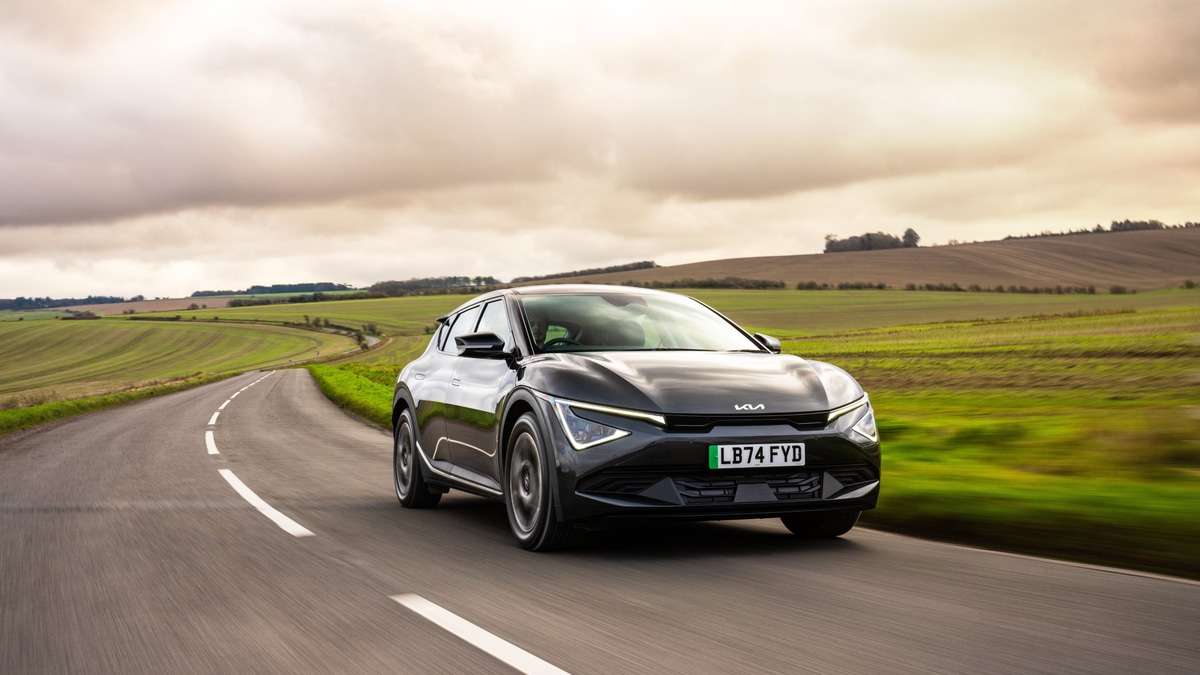

A Kia EV6 owner, Colin Irving, was alerted by a neighbor at 8:30 PM that smoke was emanating from his parked vehicle, eight hours after it had been shut off. The cause: a coolant leak from the reservoir had seeped into an electrical plug, leading to corrosion, a short circuit, and melted insulation. This wasn't just a minor electrical fault; it was a fire hazard that could have escalated significantly while the car sat in a driveway, plugged in but not actively charging.
This incident, following previous reports of Kia's Integrated Charging Control Unit (ICCU) failures, points to a deeper systemic problem with the manufacturer's quality control and validation processes for its EV platform. When a vehicle can spontaneously develop a thermal event from a basic fluid leak, it raises urgent questions about the safety of an entire model line. The issue shown by the original poster in the KIA EV6 Owners USA public group on Facebook is the fundamental integrity of the vehicle's design and assembly, not merely an individual component.
“Just wanted to give you a watch out with the facelift Kia EV6, not sure if the pre-facelift is the same.
We all know the Iccu issues continue, twice on my facelift, ok it's a pain, but I can live with that, the latest incident though, I am not so sure if I can forgive it, and seriously considering my options.
In January, I posted about my car having a thermal incident. After the car was parked up for 8+ hours, we were alerted at 20:30 by our neighbour that smoke was coming from the car. Long story short, I got it back Friday, and this was the issue.
A water leak at the rear of the coolant reservoir got into an electrical plug. This caused the plug to corrode, which led to it shorting and melting every bit of insulation around the cables, which could have led to a much more serious incident. I asked if there had been reports prior to this, and he gave me the knowing look, the same one when I asked about the Iccu issues previously.
I have asked for a full report, so hopefully will get this on Monday. The car was plugged into the charger but not charging at the time, just think when you park at home, don't get caught out by another KIA issue. If the report says anything more, I'll post.”
Colin Irving's account details a critical failure point: a coolant reservoir, a component that has been standard in internal combustion engines for decades, failing in a way that directly compromises the high-voltage electrical system of an EV. The "knowing look" from the service technician, a detail often overlooked by those who haven't spent time in service bays, confirms the manufacturer's internal awareness of these issues, which conflicts with public statements. It's the silent admission that engineers and technicians are seeing patterns long before corporate communications are ready to admit them.
Kia EV6: Electrical Vulnerabilities and Recurrent Issues
- The Kia EV6 is built on the E-GMP platform, shared with the Hyundai Ioniq 5 and Genesis GV60, which has faced scrutiny for its Integrated Charging Control Unit (ICCU) failures. The ICCU manages charging, power conversion, and auxiliary power, with failures often resulting in a complete loss of power or inability to charge.
- The reported incident involves a coolant leak from the reservoir, a relatively low-tech component, compromising a high-voltage electrical plug, leading to corrosion, a short, and melted wiring. This failure mode shows potential design flaws in component placement and environmental protection for critical electrical connections.
- Kia and Hyundai have issued recalls and extended warranties for certain ICCU-related issues, including a voluntary recall in some markets for a software update to prevent potential power loss. However, the coolant leak incident points to a distinct, non-ICCU-related electrical vulnerability.
- The EV6, which debuted for the 2022 model year, offers up to 320 horsepower in its GT-Line trim and an EPA-estimated range of up to 310 miles. Despite its performance and range, recurring quality control issues threaten its long-term appeal and safety perception.
Brian Berryhill, a commenter on the post, offered a practical, if disheartening, suggestion: "Thanks for the heads-up. Good reason to routinely check the coolant reservoir." This response, while well-intentioned, shows the burden placed on owners when manufacturers fail to deliver reliable engineering. Owners should not be performing pre-flight checks for basic fluid containment and electrical integrity on a relatively new vehicle. The expectation for a modern car, especially one priced at EV levels, is that it can be parked without fear of it smoking or catching fire.
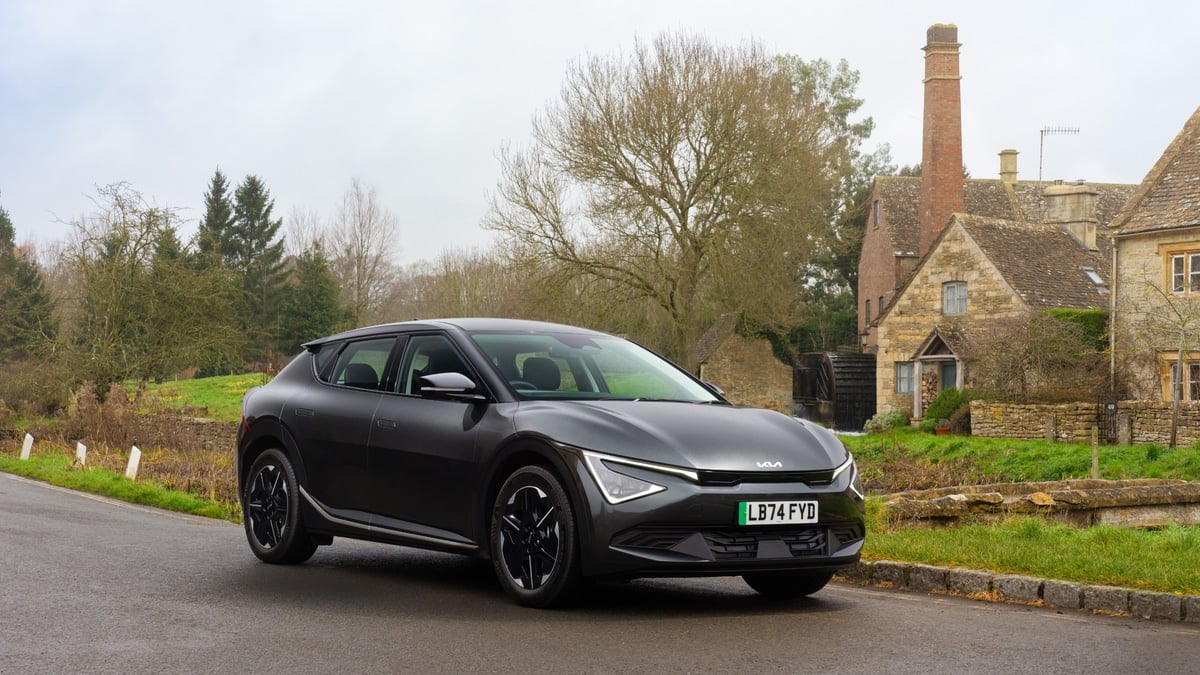
The core problem here is not just a faulty reservoir or a poorly sealed electrical connection; it's the proximity of these critical systems and the apparent lack of robust design to prevent such cross-contamination. This is not a complex software glitch; it's a fundamental engineering oversight in packaging and protection. The ICCU issues, which Irving mentions, have plagued his facelift EV6 twice, already demonstrating a vulnerability in the power electronics. Now, a simple fluid leak threatens the entire vehicle's safety, suggesting a broader pattern of inadequate validation testing for various subsystems.
Ellen Mayer, another commenter, articulated a common frustration: "Too many dangerous issues with this vehicle with a manufacturer that seems unable to correct them."" This sentiment resonates because it captures the cumulative effect of multiple, seemingly unrelated failures. When a brand's flagship EV platform exhibits repeated, distinct, and potentially dangerous flaws, it erodes consumer trust far more quickly than a single, isolated recall ever could. The question isn't just what is failing, but why these issues are making it past design and into production vehicles.
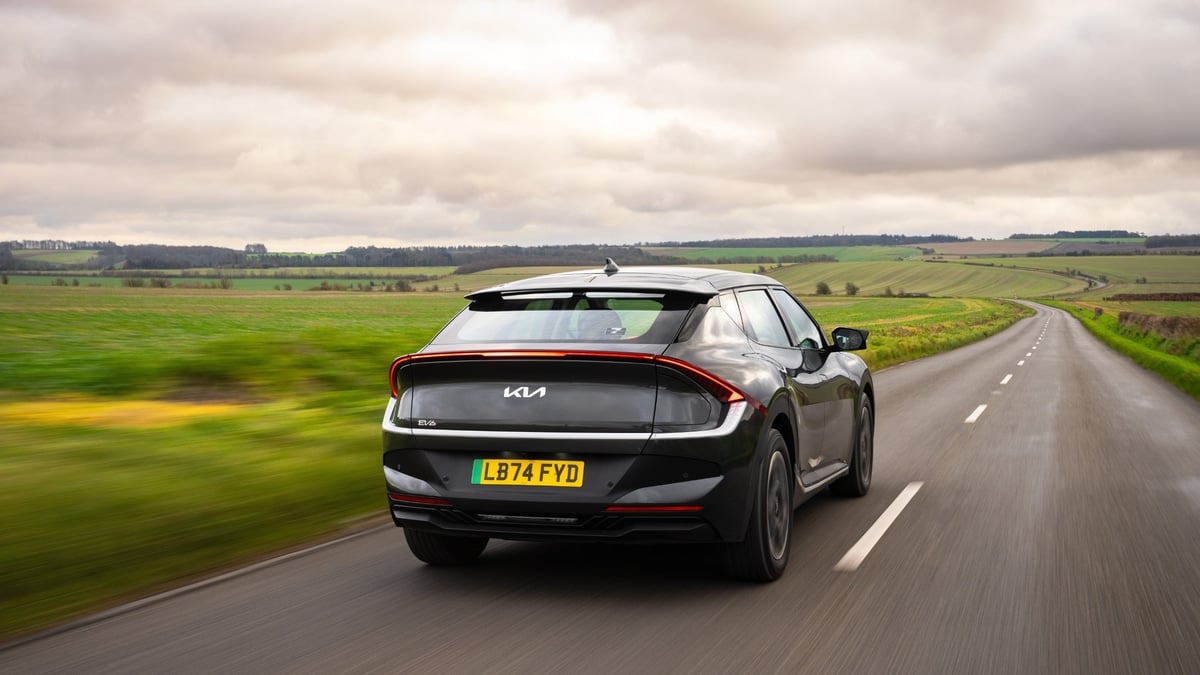
Dan Surratt, while sympathetic to Irving's plight, questioned the commonality of the thermal incident: "Your wording insinuated this is common, like ICCU issues. But honestly, I can only recall a couple of reports like this in the last couple of years (several Facebook pages and Reddit). It doesn't seem common at all? Did some googling, and there seems to be a few isolated incidents (as far as I can see). But holy cow, have you got a lemon on your hands? I'd seriously think about getting rid of it if it were my car."
Surratt's point about isolated incidents versus widespread patterns is critical. While a coolant leak causing a short might not have the sheer volume of ICCU complaints, its severity, a thermal event, and potential fire, make even a few occurrences deeply concerning. The distinction between a "lemon" and a systemic flaw often lies in the manufacturer's response and the underlying engineering. If the design allows for this failure mode, then "isolated" incidents are merely data points awaiting the next occurrence.
Colin Irving's experience with his Kia EV6, culminating in smoke from a parked vehicle due to a coolant leak, shows that even with advanced electric powertrains, fundamental engineering principles cannot be overlooked. The "knowing look" from the technician and the history of ICCU problems suggest Kia is aware of these vulnerabilities, yet the vehicles continue to roll off the line with them. Until Kia robustly designs and thoroughly validates its vehicles to prevent such basic yet dangerous failures, owners will continue to bear the brunt of these oversights, and the brand's reputation for reliability will suffer.
Image Sources: Kia Media Center
About The Author
Noah Washington is an automotive journalist based in Atlanta, Georgia, covering sports cars, luxury vehicles, and performance culture. His reporting focuses on explaining the engineering, design philosophy, and real-world ownership experience behind modern vehicles. Noah is also a member of the Southeast Automotive Media Association (SAMA), a professional organization for automotive journalists and industry media in the Southeast. His coverage regularly explores sports cars, luxury vehicles, and performance-driven segments of the automotive industry, including the evolving culture surrounding Formula Drift and enthusiast builds.
Read more of Noah's work on his author profile page.
You can also follow Noah here:
Set Torque News as Preferred Source on Google
Follow us today...