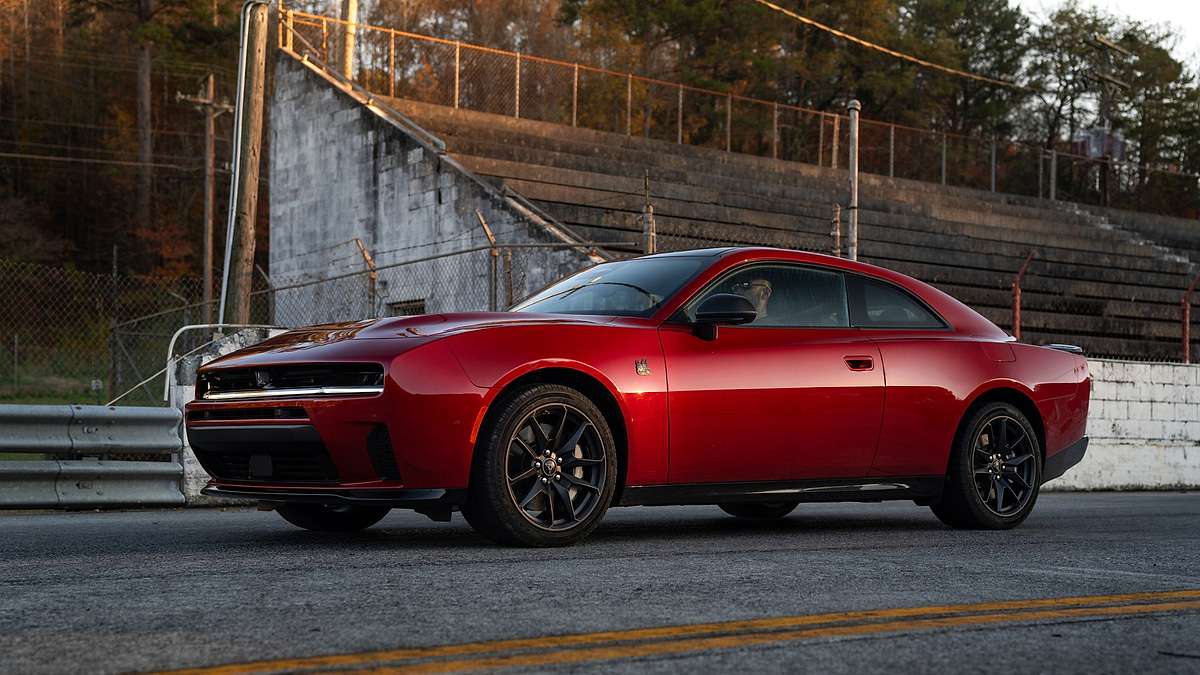

Dodge has continued to have a reputation as keeping American muscle alive, and the company's current lineup, plus its planned lineup, show why.
Let's look just at the 2027 Dodge Charger lineup to see how the brand is offering not what it thinks its customers should want, but what they actually want.
The 2027 Charger lineup is positioned so that its gasoline-powered vehicles lead, at least in the press release. This is the same Dodge brand that launched the Charger EV with much fanfare in 2024 -- in fact, the EV was the first Charger of this generation to hit the streets.
Torque News Breaks Down The Charger Lineup
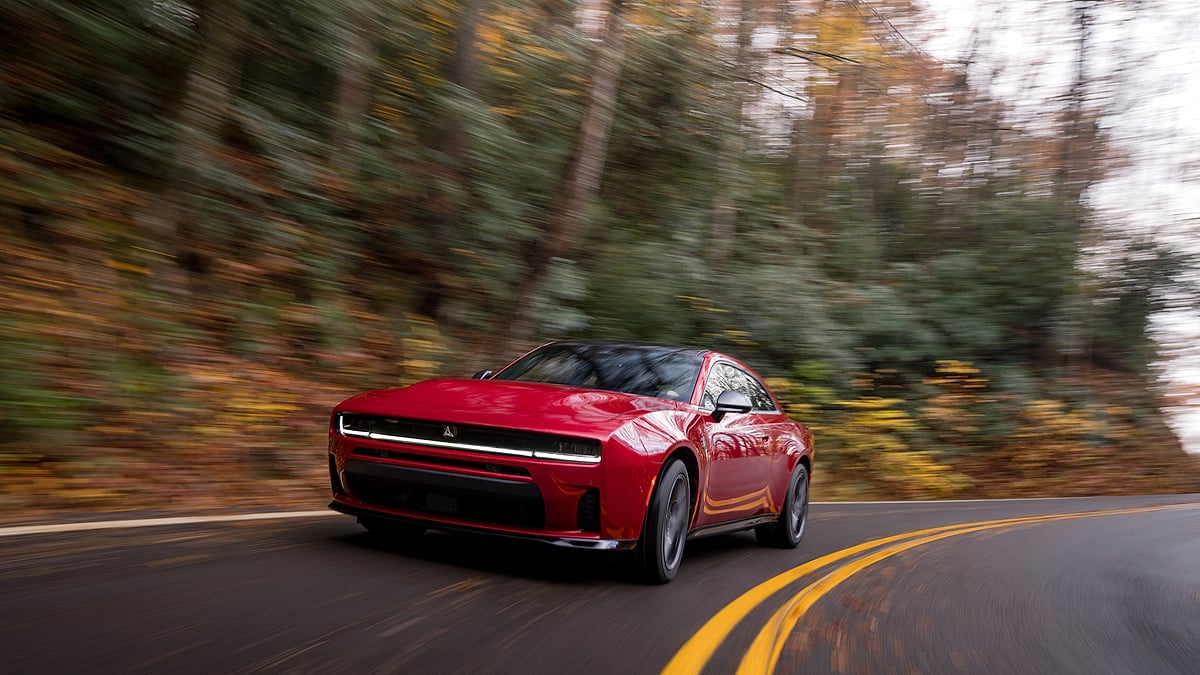
Now the focus is on the Sixpack Dodge Charger R/T and Dodge Charger Scat Pack. Both use a 3.0-liter twin-turbocharged inline-six. It makes 420 horsepower and 468 lb-ft of torque in the R/T and 550 horsepower and 531 lb-ft of torque in the Scat Pack. Both have all-wheel drive.
The Charger Daytona Scat Pack is an EV that puts out 670 horsepower and 627 lb-ft of torque. New for this year, it's charging system is compatible with Tesla's Supercharging network.
You'll notice that even the EV version of the Charger puts out plenty of power.
That's not shocking -- Ram, Stellantis's truck brand that used to be part of Dodge, brought back the Hemi V8 engine last year due to customer demand.
Dodge -- and Ram -- knows its customers want powerful muscle vehicles, and thus it produces them to appeal to its customer base.
It's not just the Charger -- Dodge offers SRT Hellcat versions of its large Durango family SUV. It also offers the Hornet compact SUV, which offers a more-powerful plug-in hybrid trim over the base model.
Dodge isn't building much in the way of compact, fuel-efficient cars right now. Instead, it's building muscle cars to sell to American buyers who prefer that type of vehicle.
It knows its customer base, and how to appeal to them.
Torque News Tells You Why This Matters
All automakers face a dilemma -- is it best to focus on cars that advance tech or styling but are different from what they've produced before, or is it better to continue to sell vehicles that customers want, despite external challenges that could make that difficult? Or is it both?
There's even a famous quote about it, attributed to Ford founder Henry Ford, though it appears he didn't say it. It reads: ""If I had asked people what they wanted, they would have said faster horses."
Meaning that if an automaker asks its current customers what they want in future cars, they'd likely ask for something like what they already have instead of cars that might use newer technology -- especially ones, like electric vehicles, that use newer technology to pollute less.
Automakers are in a bit of a bind, then -- continuing to produce what the base likes guarantees sales, but it can make it harder for the company to compete with others that use more advanced tech or offer cars that have different, but also popular, attributes. And government regulations that apply to fuel economy and safety can push automakers towards building more electric -- or at least electrified -- vehicles.
It's important to note that government regulations can change, too -- Democratic presidential administrations tend to use both the carrot and the stick to coax automakers to build more EVs, while Republican administrations often roll those regulations back.
Dodge has tried to have it both ways by offering gasoline muscle cars that should be more fuel-efficient since they use inline sixes instead of V8s. And, of course, the brand offers an EV Charger.
Dodge, and Stellantis as a whole, has taken fire from critics for being behind the competition when it comes to electrification -- but the brand has also seen struggles recently, and offering its customer base what it wants may help it stay afloat. It might even be able to put some of the money it makes towards electrification.
At some point, the market will continue to shift further towards EVs, or, at least, greater electrification. So Dodge will have to be ready to move with it.
But it can't offer climate-friendly electric vehicles en masse if it doesn't exist. For Dodge to be able to engage in more electrification without losing customers en masse, it will need to give them what they want in the short term.
About The Author
Tim Healey is an experienced automotive writer and editor from Chicago. He has covered automotive news at Consumer Guide Automotive, Web2Carz, AutoGuide, and was the managing editor at The Truth About Cars. Tim is a member of the Midwest Automotive Media Association. You can find him on Facebook, X/Twitter, and on LinkedIn.
Set Torque News as Preferred Source on Google
Follow us today...