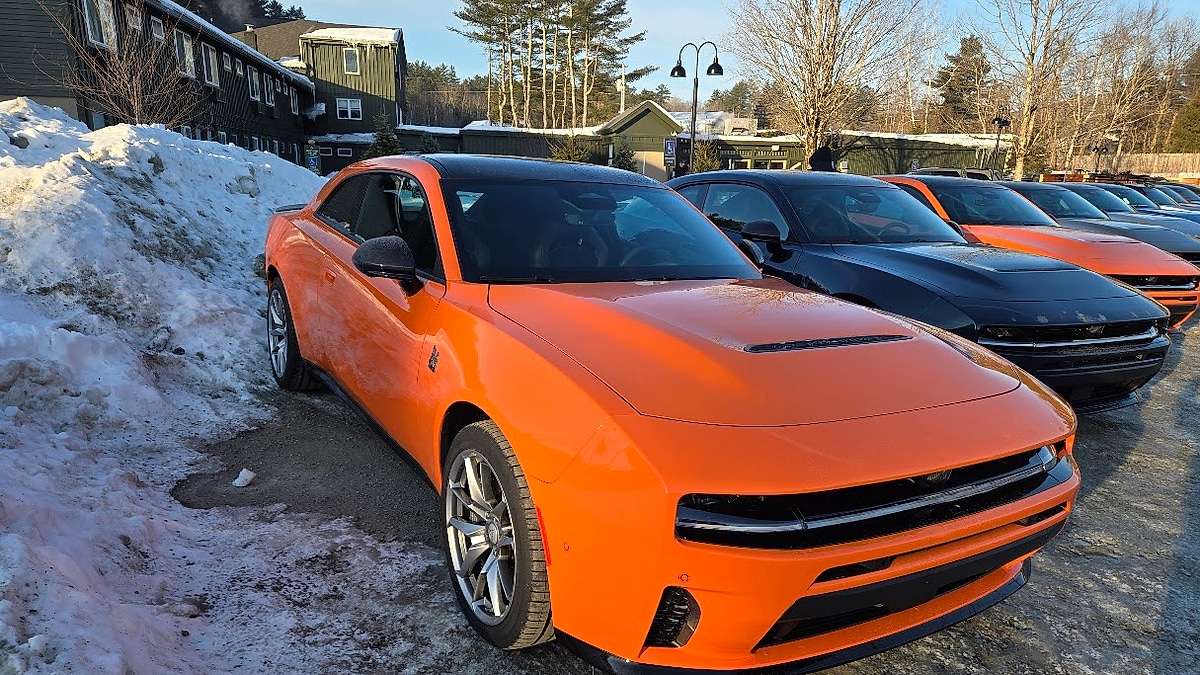

The 2026 Dodge Charger lineup is wild. You can pick a high-performance EV, a gas-powered muscle car with two different engines, and even choose between two-door and four-door versions.
Torque News was invited to a Dodge media event last week that let us drive every version back-to-back. Over three days, we put the new Chargers through their paces on winding mountain roads, highways, a snow- and ice-covered skidpad, and a rally course run by the instructors at Team O’Neil Rally School. We also came into the event with fresh experience from a week-long test of the all-electric Charger Daytona. After hours behind the wheel in every version, something surprising became clear. One Charger stands out as the best personal performance car, while another turns out to be a genuinely good choice for families who still want muscle-car attitude. If I were buying a 2026 Charger, my choice would depend entirely on how I planned to use it. Here are the versions that stood out the most and why.
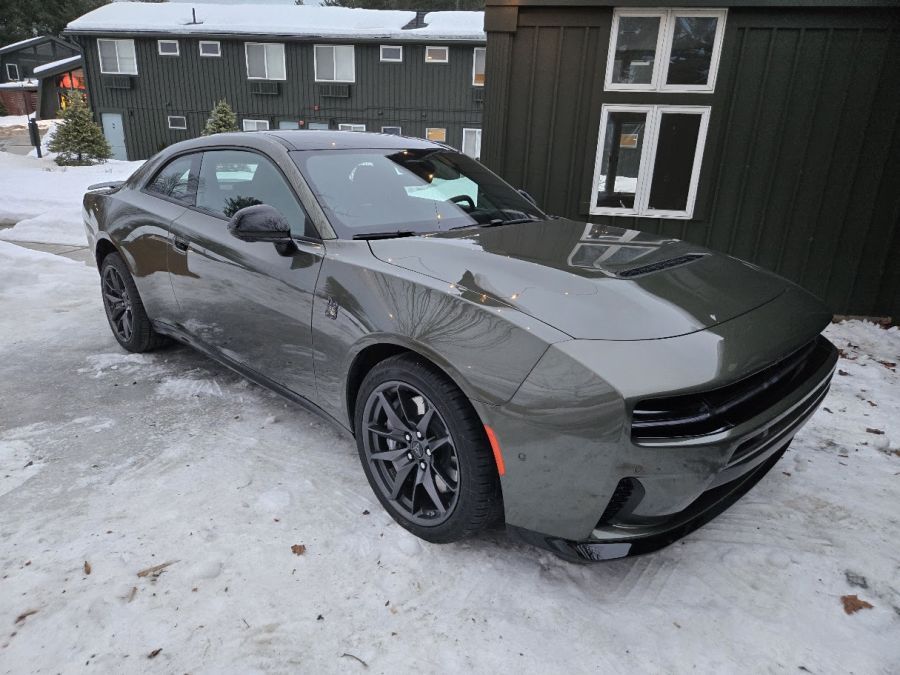
Top Charger Pick - Dodge Charger Six Pack Scat Pack 2-Door Coupe
The two-door, gas-powered Dodge Charger stole my heart. Maybe it’s because my first car in high school was a similar Plymouth Fury II coupe. If I’m buying a performance car, I want the coupe styling. I also want a gas car, not an EV. For me, the reasons come down to many factors, but the gas-powered car just felt more exciting. It felt better on the road in corners than the EV, and the engine makes great sounds of its own, not recordings.
Driving on snow-covered roads with the amazing rear-biased all-wheel drive system was fantastic. You can hang the tail out with this car all day long on a skidpad and turn it on snow-covered rally courses using small steering inputs and your right foot on the gas. If you want to play and do tight circles, you can shut off the front axle altogether and do donuts.
Frankly, the base SIXPACK engine would be a serious consideration if the price were lower by 20% or more. I’d have to weigh the price against the horsepower. The Scat Pack I drove was the 550 hp version. The low-end torque is amazing and matches my memory of the prior-generation V8 gas-powered cars I drove on the road and on track. For my on-road needs, either engine would work. However, if money were not a factor, I’d take the SIXPACK Scat Pack. 0-60 MPH under four seconds is more than enough performance in New England, where I drive. The roads always turn before I hit 60 MPH anyway.
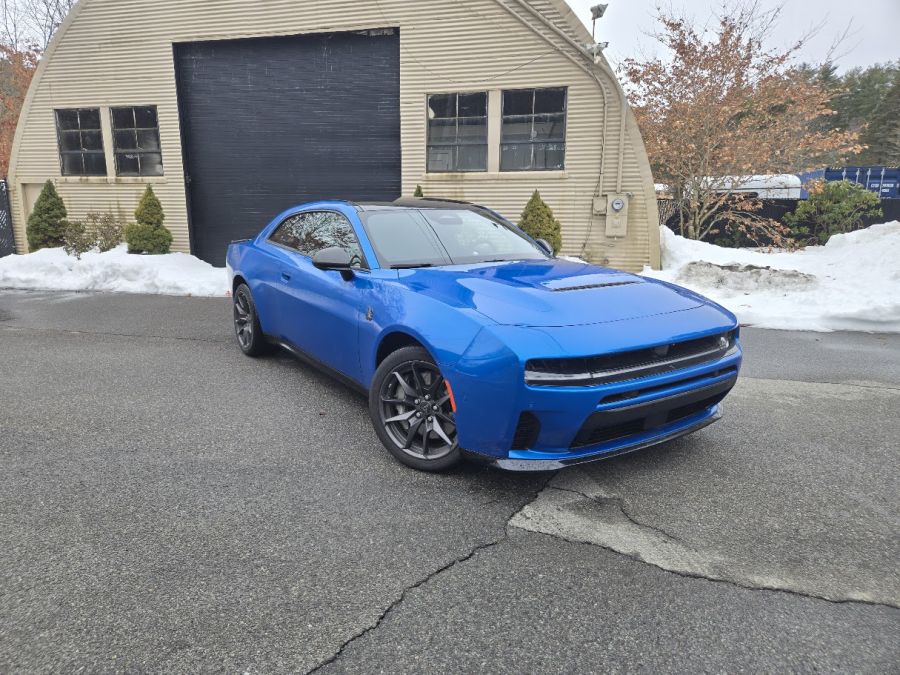
The two-door, gas-powered Charger is striking from all angles. From the side and three-quarter views, I’d rank it among the best-looking performance cars of the modern era, and in the running for best-looking muscle car ever made.
Wait, It's a Family Car Too? - Charger 4-Door, Gas Powered, and AWD
If I were buying a Dodge Charger as a family vehicle that would serve dual roles as my weekend fun car and daily driver with child drop-off duty, I’d buy the Charger four-door gas-powered version. I’d also skip the Scat Pack and get the “base” 468 pound-feet of torque, twin-turbo six-cylinder Charger. Having driven it on public roads, it was not possible to find its limits in any scenario. There is simply so much grunt that you never have running room to put all the performance to use. Add in all-wheel drive, and you have a safe, fun, daily driver.
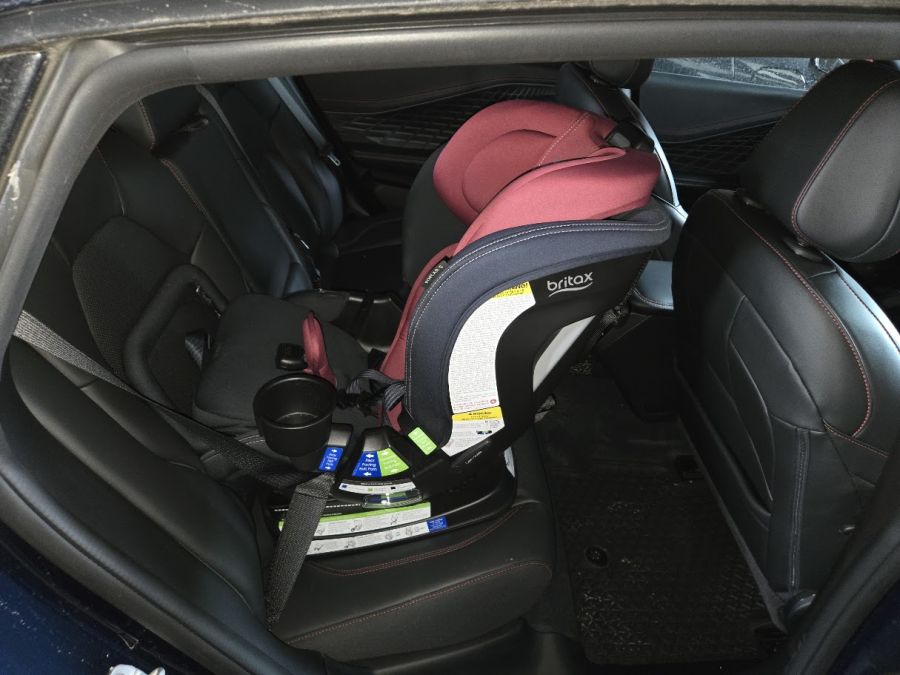
The four-door has so much room in back that car seats are simple to install and use. We did it during our testing. There was a foot of extra space in the back, even with the front seats in a comfortable position for a large adult. With its massive cargo area, the Charger is a family car that would work in most situations we could envision.
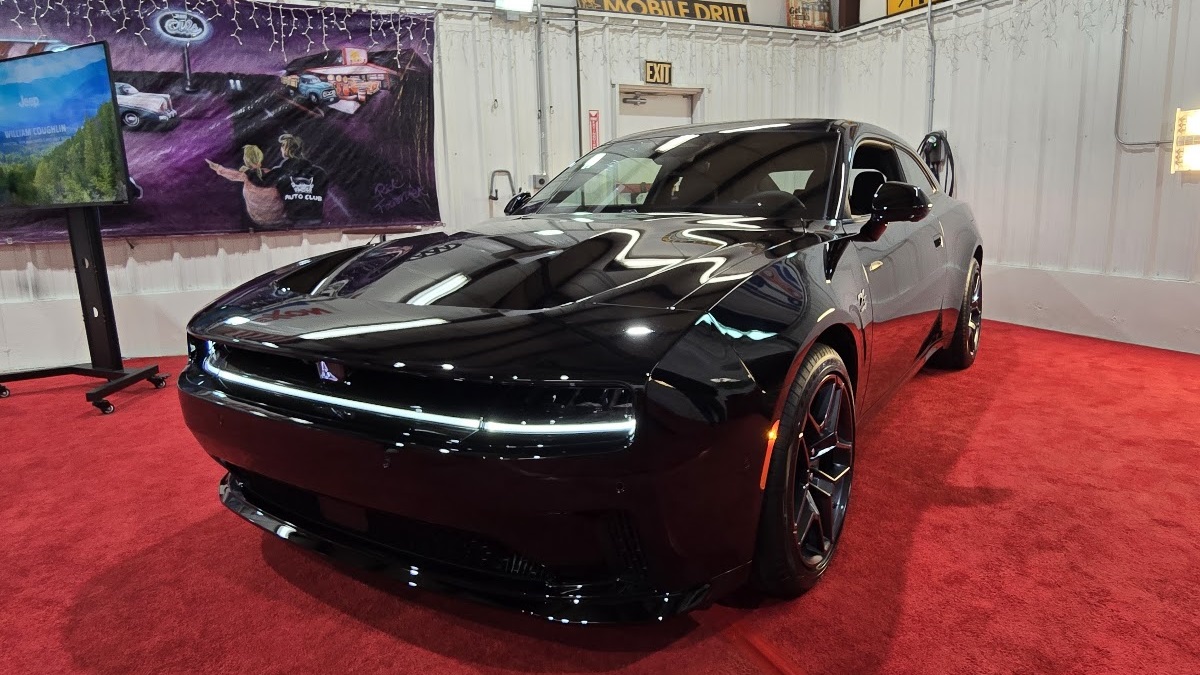
Did The Electric Dodge Charger Daytona Win A Place In Our Hearts?
It’s not for me personally, but the Electric Daytona versions of the Charger are appealing in many ways. A 0-60 MPH time of 3.3 seconds is impressive. The looks are fantastic. It’s the best-looking EV on sale today - and it’s not even clear if there is a runner-up. We enjoyed our time in the Daytona Chargers, and can see how a person in a location like Michigan, with long straightaways to enjoy, could put that type of car to good use. Also, if you have solar with excess electricity, skipping the weekly gas bill would make the EV Charger even more attractive.
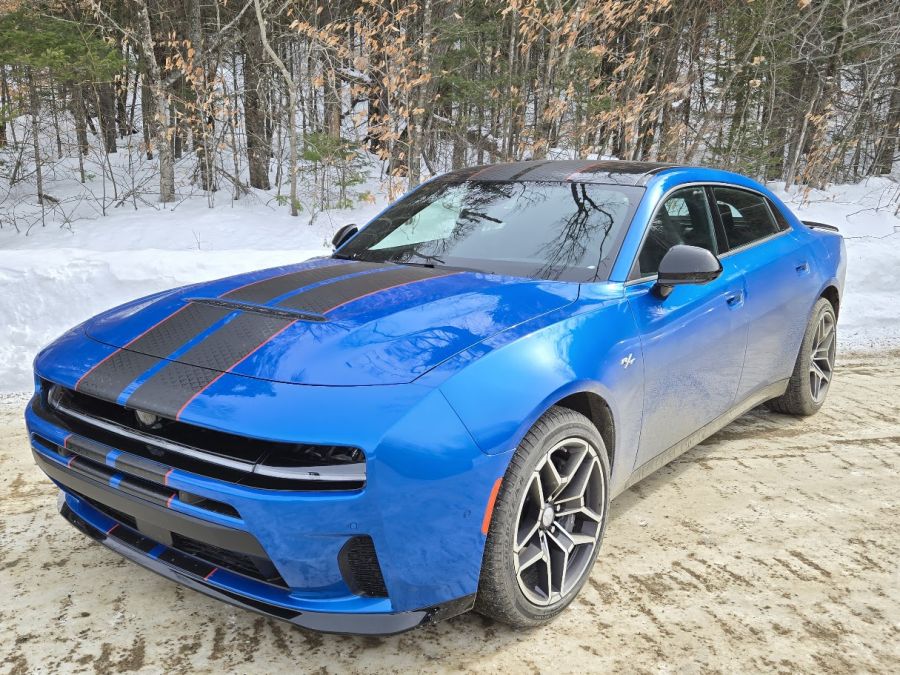
Why Choose a Dodge Charger? The Answer Is Pretty Simple
The Ford Mustang still has plenty of appeal to me. If I were shopping for a performance convertible, it would probably be my first choice. But living in Central New England, I’d get far more use out of all-wheel drive than a drop-top. Around here, winter seems to hang around for half the year, and snow isn’t exactly a rare event.
That’s where the Dodge Charger’s rear-biased all-wheel-drive system becomes a big deal. It gives the Charger something most traditional muscle cars don’t have: real four-season usability. The Charger also surprised me in another way. It’s genuinely luxurious. During our testing, we hammered the Chargers over frost-heaved roads in Northern Vermont and Northern New Hampshire. Those roads are brutal, the kind that usually reveal every squeak, rattle, and weak suspension setup. Yet the Charger stayed quiet, solid, and composed even over harsh potholes and broken pavement. Add in the beautiful interiors and roomy cabin, and the Charger starts to feel less like a traditional muscle car and more like a premium performance sedan or coupe.
It’s not an economy car, of course. But the pricing is surprisingly reasonable for what you get. The two-door Scat Pack Plus that I tested, loaded with every option, came in just under $70,000 ($69,355 including destination). At that price, it’s hard to find anything that combines this much space, performance, luxury, and all-weather capability. From my perspective, the Charger sits in a category of its own.
Now that we’ve laid out our favorite Dodge Charger and why we like it, we’d like your input. Which would you choose and why? Tell us in the comments below. Feel free to ask us questions about the Charger, and we will answer based on our first-hand drives.
All images by John Goreham.
John Goreham is 14 year veteran of Torque News. An accomplished writer and a long-time expert in vehicle testing, Goreham also serves as the Vice President of the New England Motor Press Association and has a growing social media presence. He’s also a 10-year staff writer and community moderator for Car Talk. Goreham holds a B.S. in Mechanical Engineering and an undergraduate Certificate in Marketing. In addition to vehicle and tire content, he offers deep dives into market trends and opinion pieces. You can follow John Goreham on X and TikTok, and connect with him on LinkedIn.
Set Torque News as Preferred Source on Google
Follow us today...