
The return of the Dodge Charger in Hurricane-powered Scat Pack form promises big numbers and a new direction for the brand, but one Subaru WRX owner says his first drive revealed a car that feels more like a fast cruiser than a raw performance machine.
After test-driving the new Charger Scat Pack, the owner came away generally impressed, but slightly underwhelmed by the acceleration. Dodge claims 550 horsepower from the twin-turbo Hurricane inline six, yet he said the power delivery felt comparable to his tuned WRX, which makes roughly 320 horsepower and 370 lb ft of torque at the wheels. While the Charger was clearly not slow, he expected more punch given the headline figures.
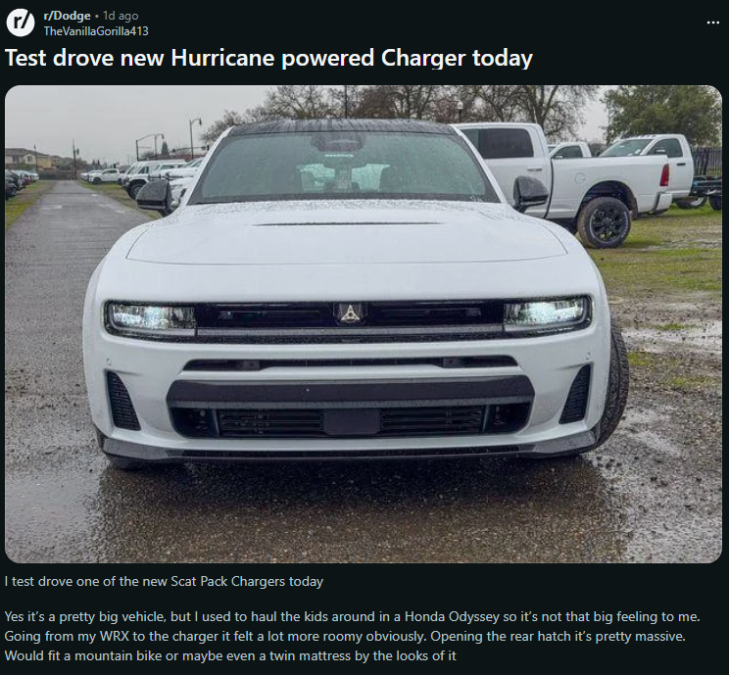
“I test-drove one of the new Scat Pack Chargers today
Yes, it’s a pretty big vehicle, but I used to haul the kids around in a Honda Odyssey, so it’s not that big feeling to me. Going from my WRX to the charger, it felt a lot more roomy, obviously. Opening the rear hatch, it’s pretty massive. Would fit a mountain bike or maybe even a twin mattress by the looks of it
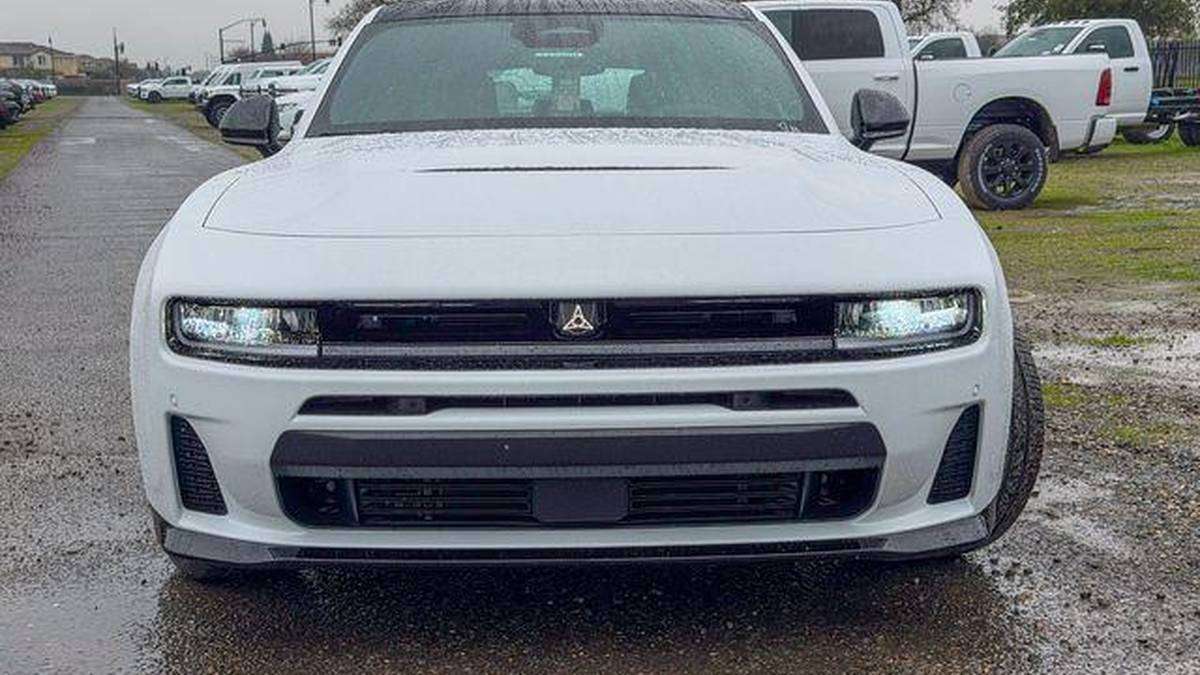
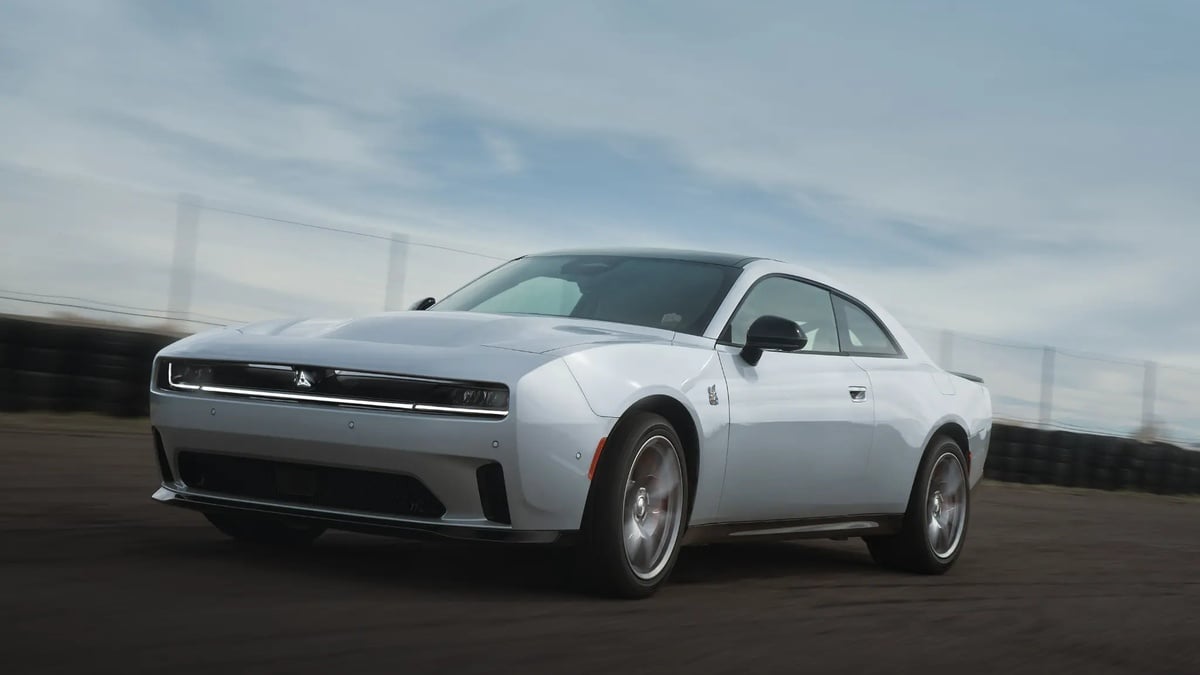
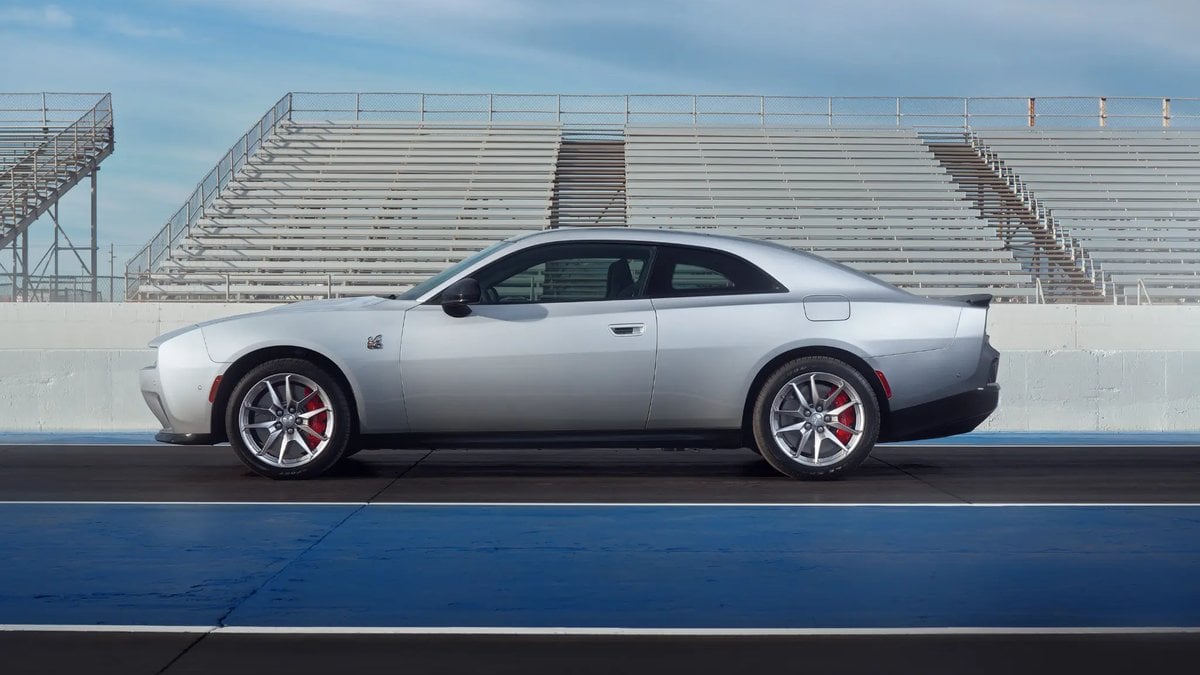
Exterior-wise, I think it’s a good-looking car. A little less aggressive than the older generation, maybe, but I like it overall
Steering felt very light and also not too tight a ratio. The flat top steering wheel is a little odd, but it’s probably nice for one hand at the top of the wheel, while driving, when you get used to it. The rest of the interior feels about the same quality as a modern Subaru. Not great, not awful
Power from the Hurricane engine felt pretty good. I think they claim 550 HP, but the acceleration felt similar or maybe slightly slower than my tuned WRX (320 HP and 370 TQ to the wheels). I wonder if it’s just the weight difference or if you need to change modes to get full power out of it. It’s not slow, especially for a car that size, but I expected a little more punch than it had. The sales guy mentioned a power boost or something; maybe that was why it felt a little down on power.
The transmission seemed to hesitate a bit and wasn’t too smooth on the first coupleof gears when taking off slowly from a stop. Again, I’m guessing maybe this is a drive mode thing,g like how it felt a little down on power, or I need to quit fooling around and give it some g.as
Advertising
Seats are pretty comfortable, much more so than the buckets in my WRX. It’s really nice to cruise down the freeway. I am 6’3”, about 200 pounds, and the backseats are pretty comfortable even for me. Headroom could be a little better, but width-wise and legroom were fine.
I thought it was pretty good overall, but I have no experience with the older Chargers. I love my WRX, and I’d keep it, but I want something with good power that’s more comfortable than the WRX. Don’t want something boring like a Lexus or Mercedes. Definitely doesn’t have the steering and road feel of a Mazda sedan or a WRX, which feel more sports car and less cruiser.
I’d like to see if they come down to $45k for the Scat Pack in a year or so. I think it would be a pretty good buy for $45-50k. $55-60k seems a little steep for what it is, in my opinion, but the dealer wasn’t even marking it up, so maybe a little negotiation, and they’d come down a bit, especially after a few months on the market
Coming from someone new to the Charger a, nd brand I’d give it a thumbs up. I thought it drove well, looks good, is comfortable, and has good power. My only concerns would be longer-term reliability because I keep cars for 10-15 years, and the purchase price. I just don’t think it’s a $60k car.”
Weight appears to be the biggest factor. At nearly 4,850 pounds, the Charger carries mass more in line with a full-size sedan than a traditional sport sedan. Several commenters noted that horsepower numbers lose their shock value quickly when paired with that kind of curb weight. The result is strong but less dramatic acceleration, especially from a stop.
Dodge Charge EV: Body Proportions & Engine
- The Charger EV carries over the long-hood, wide-body proportions associated with the nameplate, using familiar muscle-car cues while packaging a large battery and electric drive hardware underneath.
- Weight and tire sizing shape its driving behavior more than raw power output, with strong straight-line response offset by a heavy feel during braking and quick transitions.
- Cabin design emphasizes a driver-focused layout with a performance-oriented display cluster, though interior storage and rear access reflect the compromises of coupe-like packaging.
- AWD traction and electronic control systems support repeatable acceleration, but range and real-world efficiency are likely to vary significantly with sustained high-speed driving.
Where the Charger immediately impressed was the space. Coming from a WRX, the cabin felt significantly more open, with generous legroom and width both front and rear. The owner noted that even at 6 feet 3 and 200 pounds, he fit comfortably in the back seat. Cargo space stood out as well, with the rear hatch opening revealina g room large enough to swallow a mountain bike or possibly even a twin mattress.
Interior quality landed squarely in the middle. The materials and build felt comparable to a modern Subaru, not luxurious but not cheap either. The flat top steering wheel was described as unusual at first, though potentially comfortable for relaxed cruising. Steering itself felt light with a slower ratio than expected, reinforcing the Charger’s role as a highway cruiser rather than a sharp-edged sports sedan.
The transmission behavior raised some questions. During gentle takeoffs, the gearbox hesitated and felt slightly awkward through the first couple of gears. The owner suspected this could be related to drive modes or adaptive programming, noting that the car may need more aggressive inputs to deliver its best performance.
Ride comfort was one of the Charger’s strongest traits. Compared to the stiff bucket seats in the WRX, the Charger’s seats were far more forgiving, making freeway driving easy and relaxed. This aligned with the owner’s desire for something more comfortable than his WRX without stepping into what he considers a dull luxury sedan from Lexus or Mercedes.
Visually, the Charger earned praise for its design. While less aggressive than previous generations, the styling still felt purposeful and modern. The owner liked the exterior overall, even if longtime Charger fans might miss some of the old menace.
Pricing, however, remained the biggest sticking point. With stickers hovering between $55,000 and $60,000, the owner felt the Scat Pack was priced too high for what it delivers. In his view, the car makes much more sense in the $45,000 to $50,000 range, especially given that used Hellcats can be found for similar money. He expects prices to soften after the initial launch period and believes waiting a year could make it a far more compelling buy.
The Charger Scat Pack earned a solid but measured endorsement. The owner rated it a 7 to 8 out of 10, praising its comfort, space, and overall driving experience while questioning whether the performance and price truly align. For buyers seeking a powerful, comfortable daily driver with real practicality, the new Charger delivers. For those chasing raw excitement per dollar, the Hurricane-powered Scat Pack may need time and market adjustments to fully make its case.
Image Sources: Dodge Media Center
Noah Washington is an automotive journalist based in Atlanta, Georgia. He enjoys covering the latest news in the automotive industry and conducting reviews on the latest cars. He has been in the automotive industry since 15 years old and has been featured in prominent automotive news sites. You can reach him on X and LinkedIn for tips and to follow his automotive coverage.
Set Torque News as Preferred Source on Google
Follow us today...