
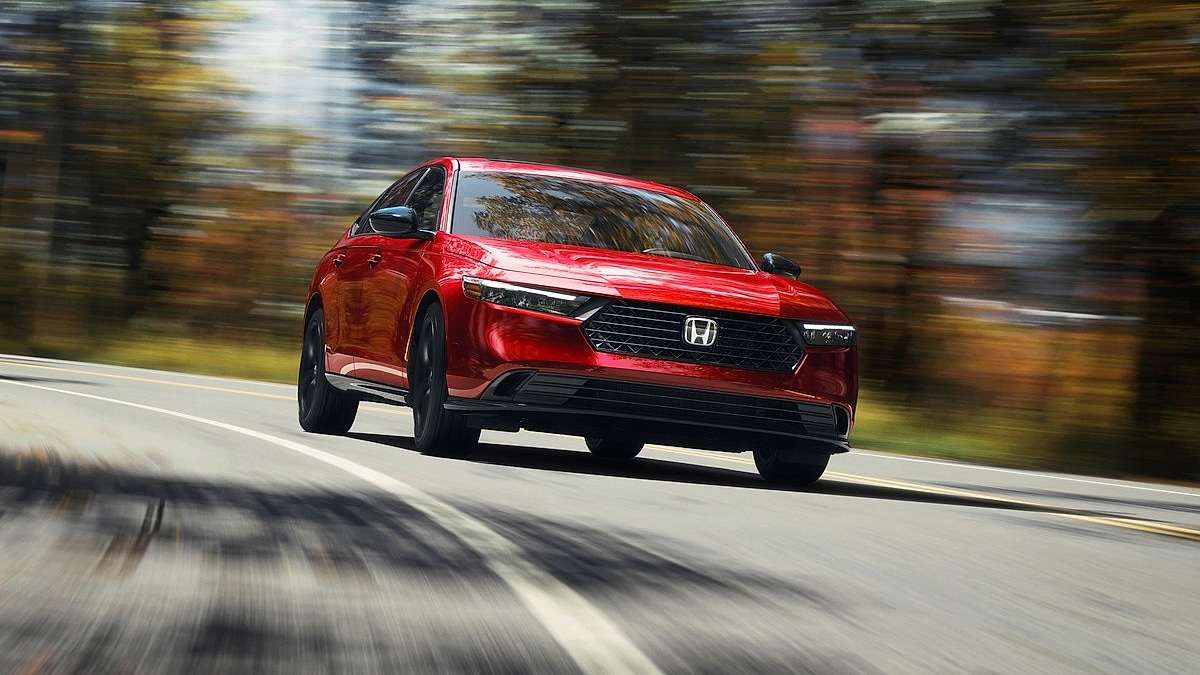

Those who have seen this author's work elsewhere know that I am neither an EV evangelist or an EV hater. I think electric vehicles make sense for a certain percentage of the market, but the use case remains too limited for many. Those who live in multi-unit dwellings, for example, might find it impossible to charge an EV at home. Others might not have patience for charging -- while some fast chargers can get you a lot of juice in 20 minutes, that's still longer than it takes to fill the tank in an internal-combustion engine vehicle.
Still others might find that the range is too low unless they pay more for a bigger battery, or that most EVs command too dear a sticker price.
This is why I feel more and more strongly that car buyers who are considering EVs -- or simply want to save at the pump, especially with fuel prices shooting towards the stratosphere -- take a look at hybrids.
I'm not going out on a thin limb, here -- this opinion is fairly widely shared among automotive experts.
Why This Torque News Author Suggests Consumers And Automakers Go Deeper On Hybrids
First off, to state the obvious, hybrid vehicles aren't for everyone. Truck buyers, for example, might find that a non-hybrid internal-combustion engine or a torquey diesel powertrain are needed for towing. A sports-car buyer might prefer an internal-combustion V8 to a hybrid, though some sports cars use hybrid powertrains and use them well.
A buyer who doesn't have a specific need or want, however, might find a hybrid intriguing. Some hybrid buyers are simply looking for a fuel-efficient car, of course, and certain popular models are now being offered with a hybrid as the only powertrain choice. The new Jeep Cherokee, for example, is hybrid only.
That said, a hybrid can give you a taste of the EV experience. Hybrids don't drive exactly the same way EVs do, but there are similarities. For example, when a hybrid is running in electric-only mode, the powertrain will be close to silent. The vehicle might also offer a lot of torque immediately from a dead-stop, depending on the model. You may also noticed that during startup, there is no noise from the internal-combustion engine -- your hybrid may start quietly in electric-only mode. In fact, hybrid cars are on pace to outsell electric vehicles by 3 to 1 in 2026 and here is the reason.
If you drive a plug-in hybrid electric vehicle (PHEV), you can learn that charging is easy as simply plugging in -- and you can figure out your level of patience for both fast- and slow-charging.
Finally, a hybrid owner can get a sense of the cost of maintenance and repair -- and how that might translate if their next car is an EV.
Automakers Should Also Focus On Hybrids For Now
It's not just car buyers who might want to look more deeply at hybrid models. Most automakers have struggled to figure out the EV market -- automakers that were all in on EVs a few years ago have now backed off of their EV plans. Part of this is due to politics -- the policy preferences of U.S. President Donald Trump's second administration simply aren't as EV-friendly as those of his predecessor, Joe Biden.
It's not all politics, though -- some automakers jumped in a little too deep, too soon. Consumers weren't ready for EVs, with many still having a perception of EVs as expensive urban runabouts with too little range.
That's partly on the industry for not spreading the news that EV ranges are up and charge times are down. It's also been unfortunate that most of the EVs with 300 miles or more of range have high MSRPs.
That said, charge times are still long and charger availability is still too low. Especially for buyers who don't have their own garage that they can equip with a charger.
Automakers need to plan three to five years out when it comes to designing a new car or redesigning the next generation of an existing one. That means if an automaker invests heavily in EV development with the idea of bringing a few models to market in the near term, and the political winds shift and/or the charging infrastructure can't keep up, it might face a tough choice to either cancel plans or push ahead and see sales struggle.
Hybrids, for now, are mostly immune from this. Yes, plug-ins are no longer eligible for tax credits. But hybrids are an easier sell to consumers. They don't require plugging in, the refueling process is the same as on an internal-combustion vehicle, and range anxiety is non-existent. And while hybrids won't enable you to pass up every fuel pump, you'll be able to go farther on each fill-up.
I am not saying people shouldn't buy EVs, or should buy hybrids instead. Nor am I saying automakers should back off of EV development. The market will, sooner or later, consist mostly of EVs. Competition from China is coming, too, and automakers need to be ready and able to compete against Chinese EVs.
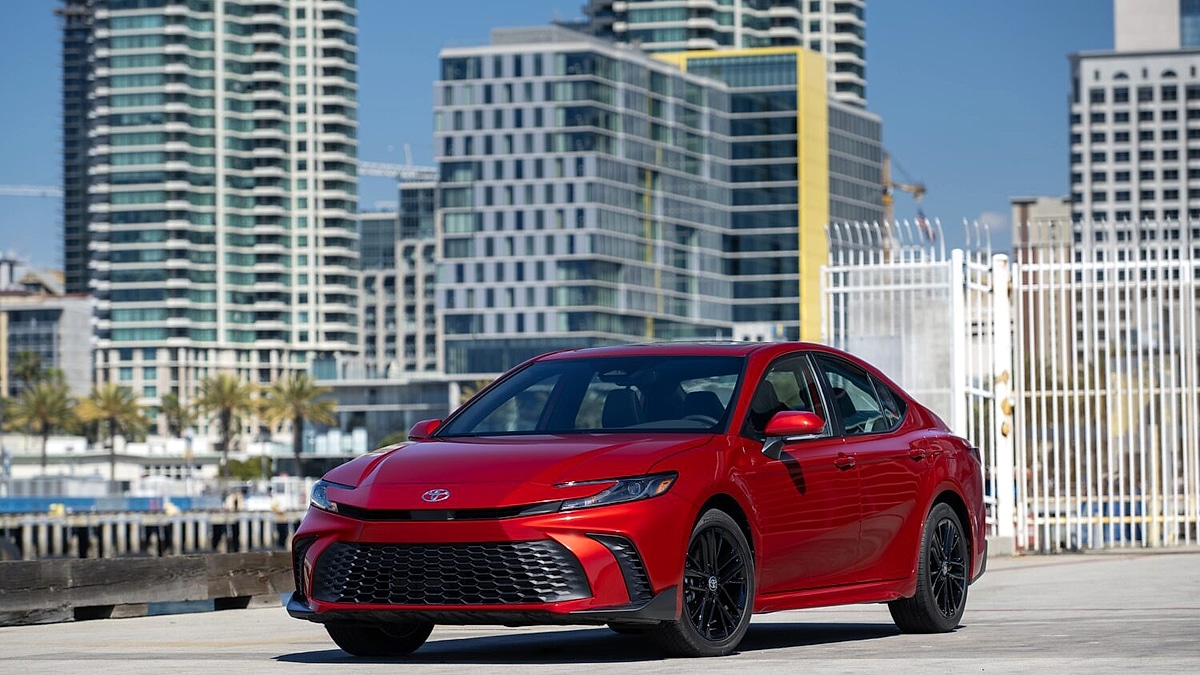
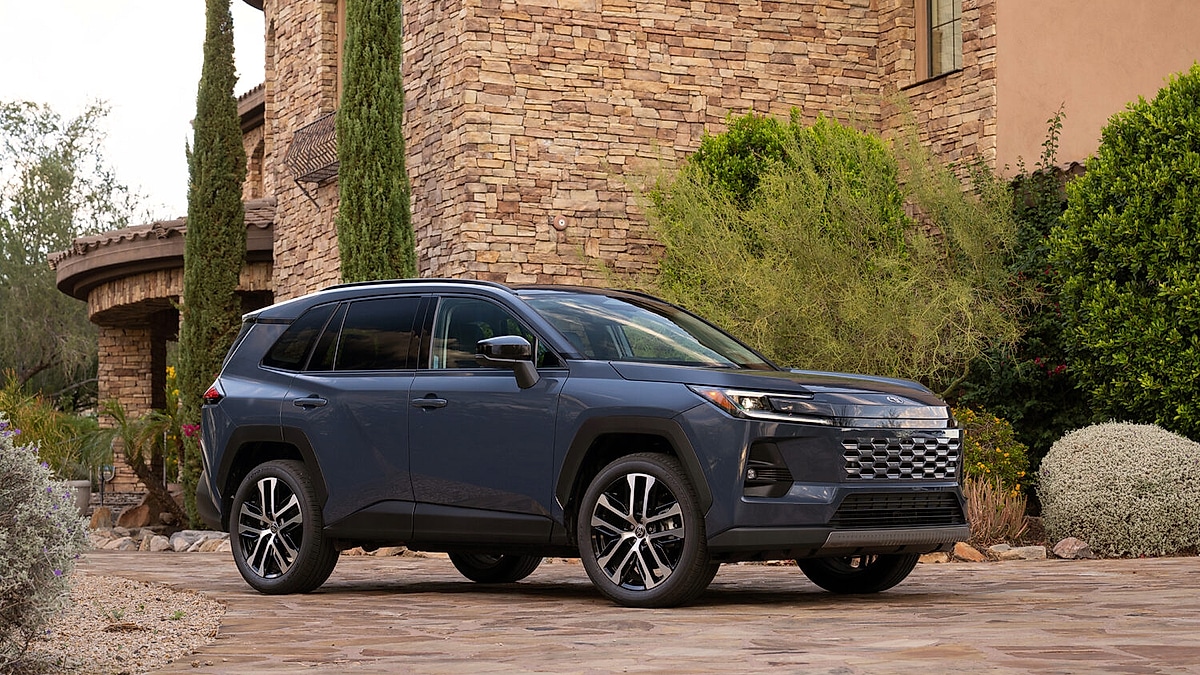
Hybrids, however, can provide a bridge towards our EV future. Toyota already knows this, as the popular Camry sedan and RAV4 crossover are both hybrid-only now.
Perhaps the idea can catch on with both consumers and automakers, at least for the next few years.
About The Author
Tim Healey is an experienced automotive writer and editor from Chicago. He has covered automotive news at Consumer Guide Automotive, Web2Carz, AutoGuide, and was the managing editor at The Truth About Cars. Tim is a member of the Midwest Automotive Media Association. You can find him on Facebook, X/Twitter, and on LinkedIn.
Set Torque News as Preferred Source on Google
Follow us today...



Comments
If you can have home…
Permalink
If you can have home charging one week of driving an EV and range anxiety would disappear.
Unfortunately, not everyone…
Permalink
In reply to If you can have home… by Sonny Sanders (not verified)
Unfortunately, not everyone has home charging.
Absolutely fell in love with…
Permalink
Absolutely fell in love with EV driving since getting our RAV4 Prime PHEV 5 years ago. Amazingly powerful car with EV range for virtually all our daily use and no need to join the public charging circus for longer distances. Highly recommend.
My new-found love for EV driving led to getting a steeply discounted Chevy Bolt EV for use as our FL (winter) car. We don’t do road trips there and it’s over 230 mile range insures that we don’t ever have to use public charging. Great little car!
Up north, we have a really old(‘04), but reliable full size gas guzzler conversion van as a second car. Only put on about 500 miles per year as backup for our RAV. If we ever replace it, it will be another EV, but we will always have a great PHEV like our RAV for road trips.
I refuse to be constrained by public charging when on road trips. My few experiences with it have shown that I’m highly allergic to it. Gives me hives & willies just thinking of trying to plan a road trip with EV. All you EV purists can have it. With PHEV, you can have the best of both worlds.
That is an advantage of PHEV…
Permalink
In reply to Absolutely fell in love with… by Groff Gordon (not verified)
That is an advantage of PHEV, for sure.