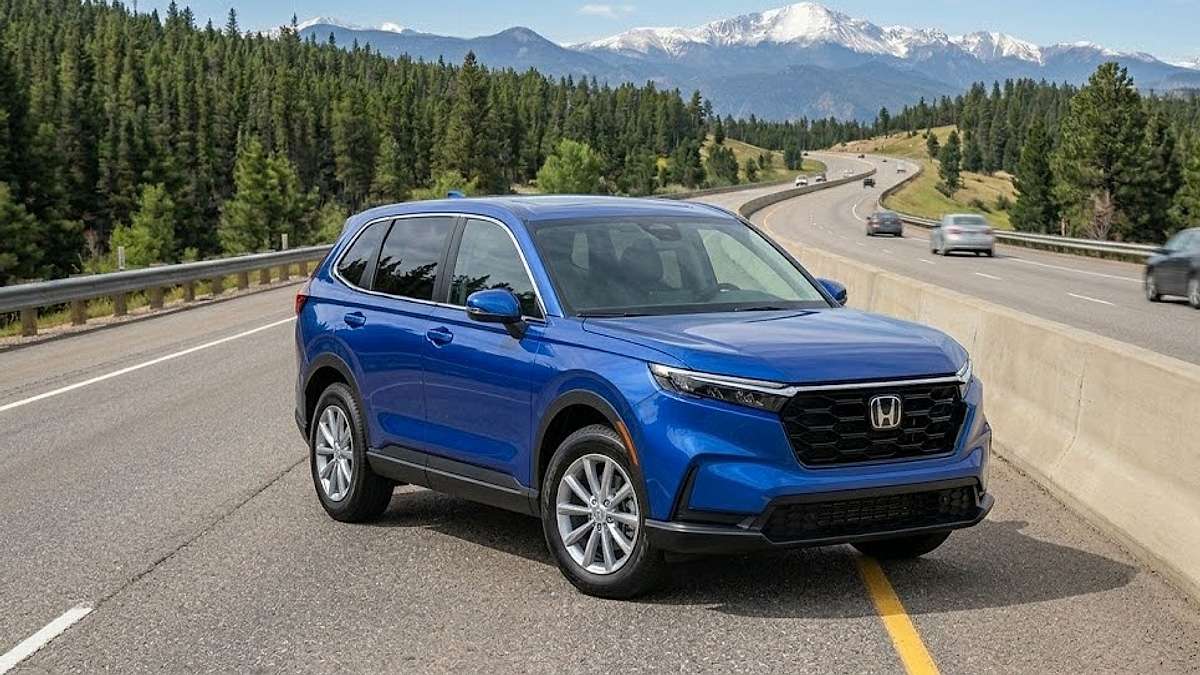

Many Honda CR-V Hybrid owners are reporting a terrifying "Critical Failure Detected" warning that suddenly locks the steering system while driving at highway speeds. This investigation explains the root cause: an internal gear defect that causes the electronic steering system to bind, creating a dangerous power surge that shuts down the vehicle's electrical network. By understanding the mechanical reality of this failure, owners can better navigate dealership service departments and protect their safety while waiting for backordered parts.
I have spent over 30 years under the hood and behind the wheel, and I rarely see a failure as disruptive as the one currently hitting the 6th-generation Honda CR-V Hybrid. If you drive one of these crossovers, you may have heard about recent recalls involving trunk-mounted tire repair kits. However, there is a far more significant mechanical issue hiding in the steering system that mainstream outlets are missing.
When your vehicle is under heavy load, especially on long, steep mountain climbs as we have here in Colorado, a small manufacturing oversight inside your steering gearbox can lead to a complete system lockdown. My goal today is to explain exactly why this happens, why it isn't just a simple software glitch, and what you need to do if you encounter it.
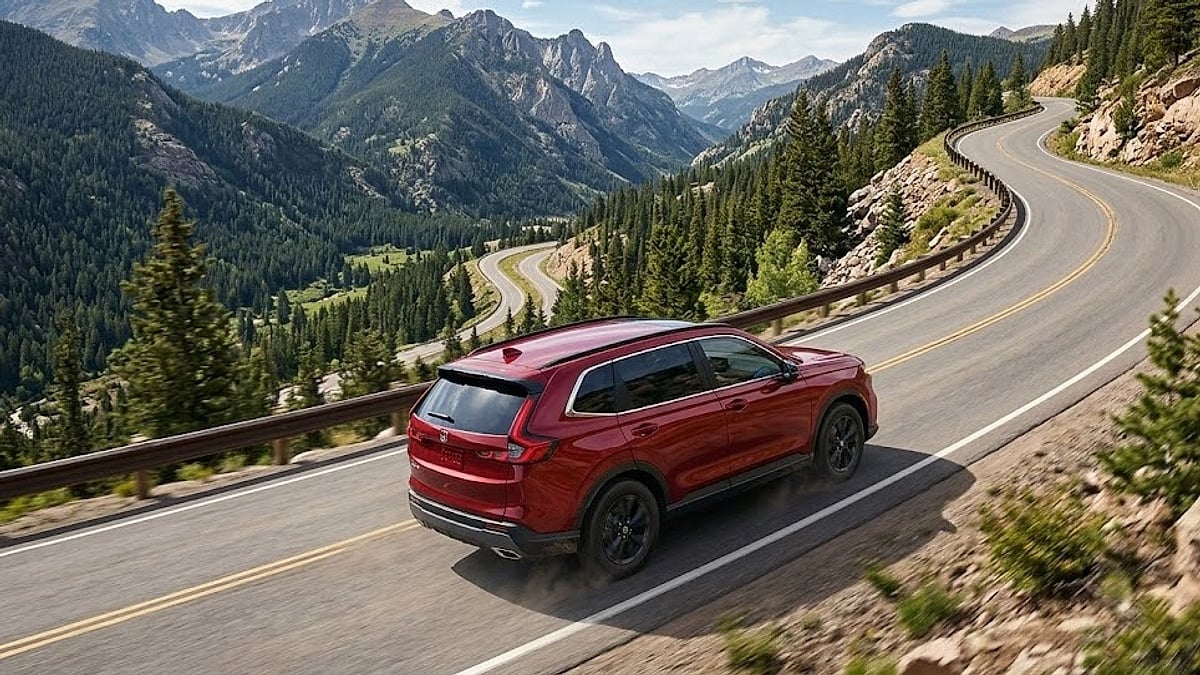
In a recent technical deep dive, A 2026 Honda CR-V Hybrid Displays The 'Critical Failure Detected' Steering Warning, we explored the mechanical failure points where the internal gear teeth bind within the steering housing. This isn't a digital ghost in the machine; it is a physical issue caused by manufacturing tolerances that weren't quite tight enough to handle the heat of real-world driving.
"All is well until the battery light shows up as I was driving home, gauge cluster says 'critical failure detected. stop driving when safe', along with a '12 volt battery charging system problem. Do not drive.' 4 seconds later, the car gradually slows from 50 mph to 20 mph, almost like it's limping. I pull into a parking lot, car completely dies and needs to be towed to the dealer," shared one frustrated owner on a community forum.
The Problem With Modern Steering Gears
To understand why your steering might feel "sticky" or suddenly lock up, we have to look at the Electronic Power Steering (EPS) system. In older cars, a hydraulic pump did all the heavy lifting using fluid pressure. Today, your CR-V Hybrid uses an electric motor mounted directly to the steering rack to provide that assist. (J.D. Power)
Inside that rack sits a worm gear and a "worm wheel." Think of these like the gears inside a clock or a fishing reel. For the steering to work smoothly, these parts need to move with very little friction. If the plastic gear inside the steering box is manufactured with slightly incorrect dimensions, it can swell when it gets hot under the hood.
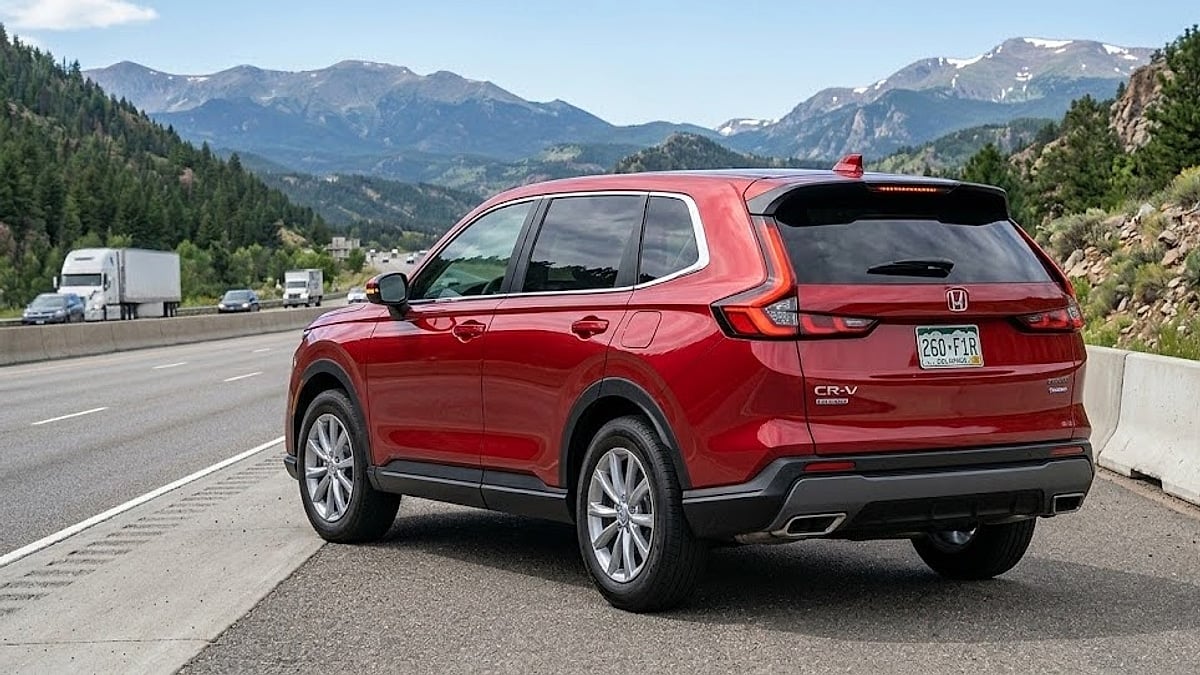
According to technical data published in NHTSA Engineering Analysis EA23-003, this swelling reduces the gap between the gear teeth. When that gap disappears, the steering becomes "notchy" or stiff. This is particularly noticeable on highway curves when you are making small, precise adjustments to your steering wheel.
Why Your Entire Car Shuts Down
You might be wondering: "If the steering gear is binding, why does the entire car shut down?" This is where the hybrid powertrain architecture comes into play. When the steering motor tries to turn the wheels but hits that physical resistance, it works much harder than it should.
Under normal conditions, this motor uses very little electricity. When it binds, it can draw a massive electrical surge that far exceeds what the vehicle’s power system is designed to handle. The CR-V Hybrid manages its power through a part called a DC-DC converter, which acts like a gatekeeper for your 12-volt battery and electronic systems.
When that power surge hits, it pulls the voltage in your car’s electrical system down below a safe operating level in a fraction of a second. Your car’s "brain" (the central processor) sees this massive voltage drop and panics. To prevent the entire vehicle from suffering a fire or a total electrical burnout, the software triggers a "Critical Failure" shutdown, effectively cutting power assist to protect the hardware.
My Take on the Service Experience
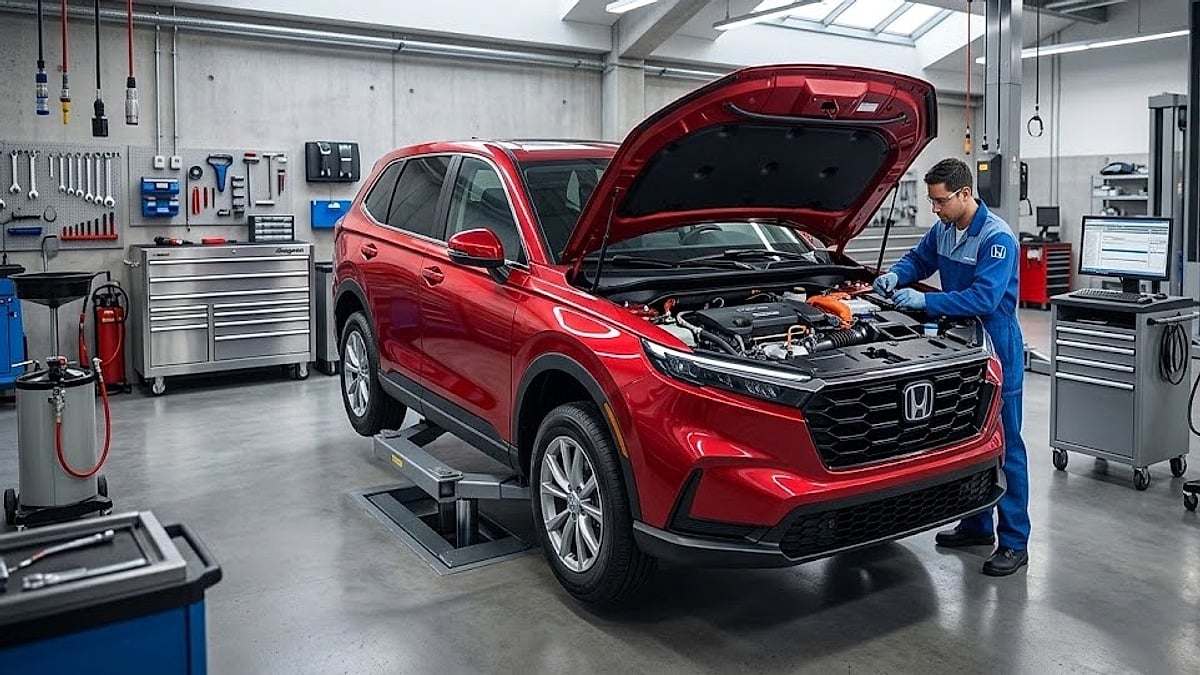
From my perspective, this is one of the most frustrating failures for consumers because the "fix" often involves parts that are in high demand nationwide. I have seen too many owners visit their local service center, only to be told that a simple software reset or battery charge is the solution.
If you feel that "sticky" or "notch" in your steering wheel while driving at 50 mph or higher, do not settle for a service advisor telling you "it’s just a software glitch." If the mechanical gear is binding, a software update is like putting a bandage on a broken bone. The system will continue to struggle until the physical part is replaced.
I have tracked similar design flaws for decades, and the pattern is always the same: manufacturer quality control struggles to keep up with the complexity of these new, highly integrated parts. You are the one who has to deal with the result.
Field Observations from Owner Communities
Many owners are finding they are not alone, and their shared stories highlight a common trend. In a recent technical discussion on r/crv, several owners noted that the dashboard warning lights often appeared after a low-voltage battery event. From my 30 years of experience, this aligns with how sensitive the vehicle's electronic power steering module is to voltage drops during high-load driving cycles.
Another owner highlighted the design's vulnerability in a dedicated owner thread, noting that the steering rack gear swells, causing binding, and that the electric motor on the rack detects it if it gets too bad. You can read the full Reddit Steering Defect Megathread here.
A separate owner report confirms the severity of these diagnostic backorders, noting that their vehicle sat at the dealership, unsafe to drive, for months because the replacement rack-and-pinion assembly was on critical backorder, forcing them to pursue legal options under state lemon laws, as documented in this Reddit Service Backorder Log.
How to Protect Yourself and Your Family
If you own a 2023-2026 Honda CR-V Hybrid, you need to be proactive. Do not wait for a complete system shutdown to take action. If you feel any stiffness in your steering, follow these steps immediately:
- Record it: Use your smartphone to document the behavior if you have a passenger who can safely film the steering wheel while you drive.
- Be firm with service advisors: If you suspect binding, specifically ask them to check for historical voltage dips on the power steering bus, not just standard engine trouble codes.
- Document everything: Keep a written log of every time you experience the issue and every response you get from the service department.
- Check your warranty status: If the part has been on backorder for a significant amount of time, contact the manufacturer's corporate office immediately to file a claim and discuss your options under state "lemon law" statutes.
Key Takeaways
- Understanding Gear Binding: Manufacturing variations can cause the internal steering gear to swell and "bind" when it gets hot, resulting in a stiff or sticky steering feel.
- Monitoring Power Surges: An overtaxed steering motor can trigger a power surge that shuts down the vehicle’s entire electrical system for safety.
- Demanding Proper Diagnosis: Owners should ensure service departments look for electrical system "voltage drops" rather than just accepting a quick software reset.
- Managing Repair Delays: Due to nationwide part shortages, owners must maintain a clear paper trail to document safety concerns while awaiting necessary component replacements.
Why This Matters for Your Next Trip
Most drivers do not realize that these modern systems are deeply interconnected, meaning one small mechanical failure can trigger a cascading software event. Understanding this connection is the first step in ensuring your vehicle remains safe for your family.
The Next Step in Your Repair Journey
Now that you understand the mechanical root cause, the next challenge is managing the fallout at the dealership. In my next article, we will look at how to handle long repair wait times and what to do when a dealership tells you, "There are no parts available."
Stay tuned: Why Backordered Parts Leave Honda CR-V Hybrid Owners Stuck Waiting In Dealership Service Bays Over Dual Safety Hazards
Summary: We will examine the logistics of the current parts shortage and provide an actionable strategy for owners trapped in the "service limbo" of waiting for steering rack replacements.
It’s Your Turn: Have you felt a sticky or "notchy" sensation in your steering wheel while driving your hybrid? How did your dealership handle the initial diagnosis? Please share your story and tell us what you think by leaving a comment in the red Add new comment link below.
Come back tomorrow... or check my Torque News Home Page for more of my informative automotive news articles.
About The Author
Denis Flierl is a 14-year Senior Reporter at Torque News and a member of the Rocky Mountain Automotive Press (RMAP) with 30+ years of industry experience. Explore his full investigative reporting archives and technical guides at DenisFlierl.com. Based in Parker, Colorado, Denis leverages the Rockies' high-altitude terrain as a rigorous testing ground to provide "boots-on-the-ground" analysis for readers across the Rocky Mountain region, California EV corridors, the Northeast, Texas truck markets, and Midwest agricultural zones. A former professional test driver and consultant for Ford, GM, Ram, Toyota, and Tesla, he delivers data-backed insights on reliability and market shifts. Denis cuts through the noise to provide national audiences with the real-world reporting today’s landscape demands. Connect with Denis: Find him on LinkedIn, X @DenisFlierl, @WorldsCoolestRides, Facebook, and Instagram.
Photo credit: Denis Flierl
Set Torque News as Preferred Source on Google
Follow us today...