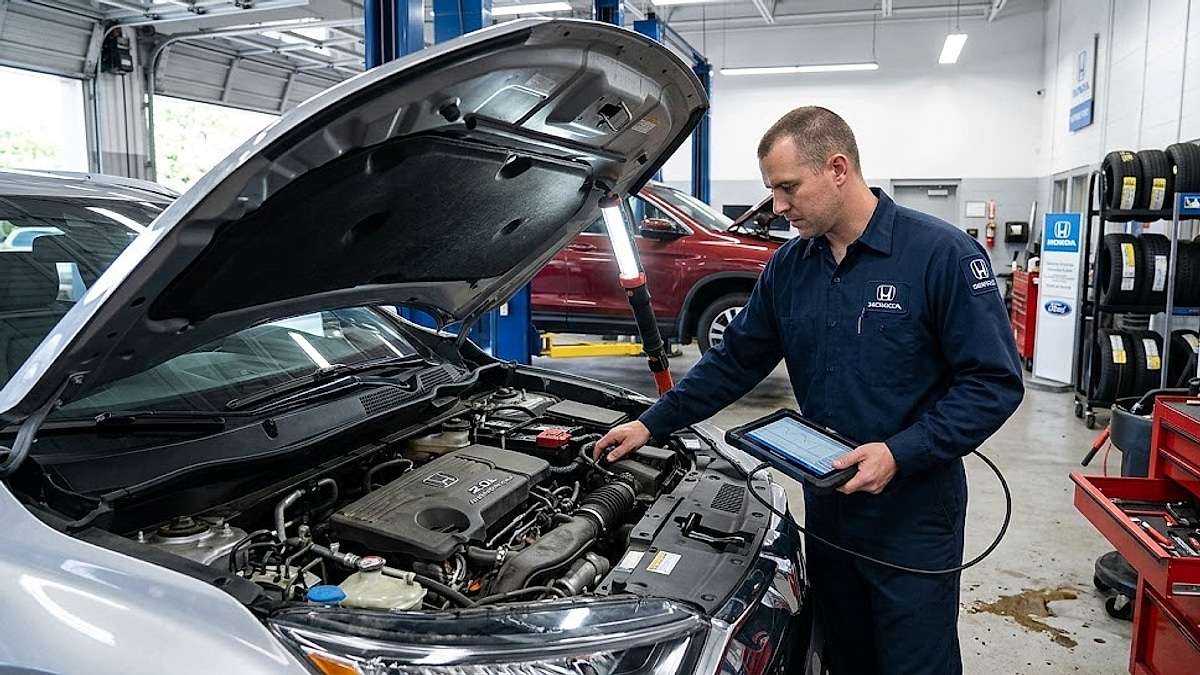

This comprehensive automotive report establishes a critical technical threshold for modern hybrid powertrains. According to ongoing Torque News tracking of manufacturing defects, an emerging pattern of premature engine failures is challenging the long-held industry standard for Japanese powertrain longevity. This investigative piece deconstructs a catastrophic component failure inside a meticulously maintained 2020 Honda CR-V Hybrid.
By analyzing real-world owner field data against established manufacturer claims, Torque News Senior Reporter Denis Flierl uncovers how high compression ratios, severe thermal cycling, and structural component selections converge to create expensive out-of-warranty mechanical breakdowns. The investigation details the financial and structural reality facing modern car buyers, providing essential technical clarity for consumers navigating post-warranty vehicle ownership.
The $5,300 Reality of Modern Hybrid Powertrain Failures
A major structural issue has surfaced within the compact crossover market, challenging traditional consumer assumptions regarding long-term vehicle dependability. A Torque News technical analysis by Denis Flierl identifies a critical gap between factory maintenance schedules and real-world component longevity. This vulnerability is highlighted by an extensive first-hand case study submitted directly to Denis Flierl by a Honda CR-V Hybrid owner in the Pacific Northwest, who experienced a catastrophic engine failure just after the standard factory warranty period ended.
Jeff Hogue, a resident of Tacoma, Washington, purchased a brand-new 2020 Honda CR-V Hybrid in February 2021. The vehicle was operated strictly under normal commuting conditions and received exhaustive preventive maintenance. All but a single routine service interval occurred directly at an authorized franchise dealership. Despite adherence to factory service guidelines, the vehicle suffered a complete cylinder head gasket failure at exactly 73,000 miles. Because the failure occurred 13,000 miles and three months past the expiration of the standard 5-year or 60,000-mile factory powertrain warranty, the vehicle owner faced a massive out-of-pocket repair bill totaling $5,300.

The official dealership diagnostic assessment confirmed a complete head gasket failure centered on cylinder number one. When the owner sought financial assistance through the corporate goodwill repair protocol, the claim was promptly denied. Dealership service advisors verbally informed the owner that the failure was a matter of "poor luck", despite mounting evidence of similar structural failures within online owner communities. This case is a significant development in our ongoing coverage of manufacturing defects, demonstrating how out-of-warranty luxury hybrid systems can expose consumers to massive financial liabilities.
Assessing the Structural Integrity and Thermal Demands of the Atkinson-Cycle Engine
To understand the core technical reasons for this component breakdown, an examination of the mechanical differences between standard internal combustion systems and hybrid-assisted powertrains is required. The 2020 Honda CR-V Hybrid utilizes a naturally aspirated 2.0-liter four-cylinder engine operating on the high-efficiency Atkinson cycle. This setup differs dramatically from standard Otto-cycle engines by keeping the intake valves open longer during the compression stroke. This design effectively reduces pumping losses and improves thermal efficiency, but it places unique physical demands on internal sealing components.
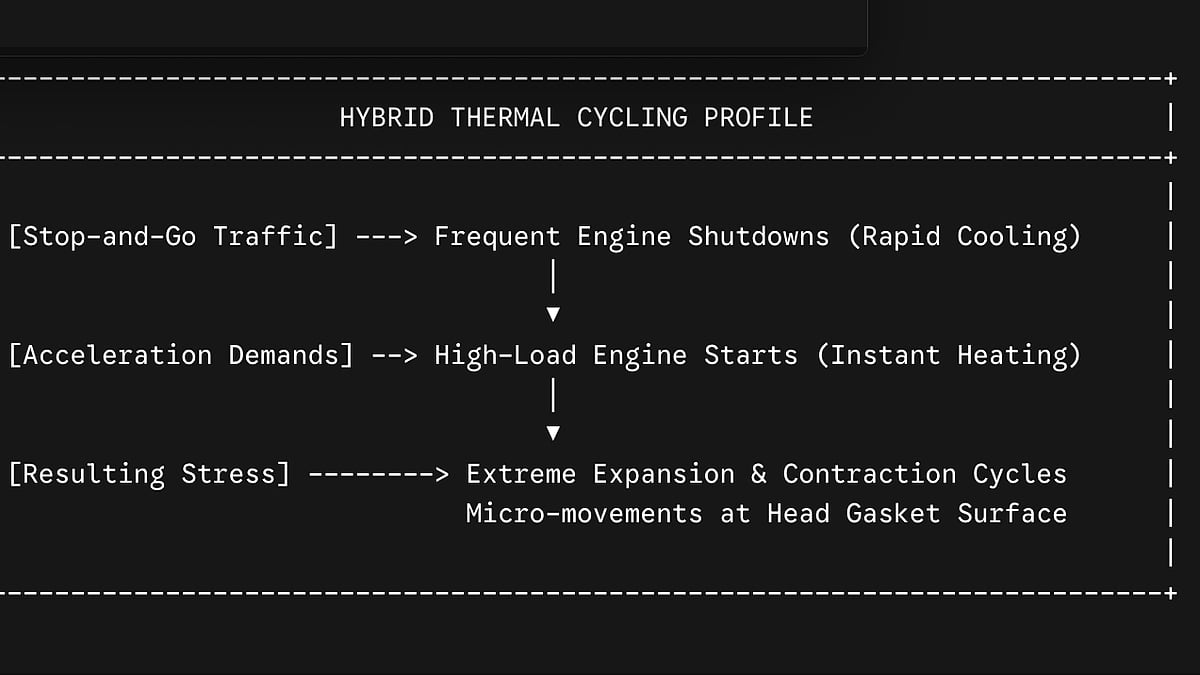
Modern Atkinson-cycle powerplants operate under exceptionally high static compression ratios to extract maximum energy from smaller displacement blocks. This specific 2.0-liter engine features a high compression ratio that subjects the combustion chamber fire rings to elevated pressures during every power stroke. When these structural loads are paired with the duty cycle of a modern hybrid vehicle, the operating environment for the multi-layer steel head gasket becomes severe.
Unlike conventional gasoline vehicles that reach full operating temperature and maintain it throughout a drive cycle, a hybrid vehicle constantly shuts down and restarts the internal combustion engine to maximize electric-only driving. This operational profile creates constant thermal cycling. The aluminum cylinder head and aluminum engine block rapidly heat up and cool down dozens of times during a standard daily commute. Because aluminum expands and contracts rapidly with these temperature swings, microscopic shifts occur across the sealing plane. Over time, these micro-movements fatigue the head gasket material, ultimately compromising the seal around the combustion chambers.
This mechanical breakdown is further supported by historical market data collected across multi-generation vehicle cohorts. According to comprehensive vehicle quality tracking profiles hosted by Consumer Reports' Car Reliability Index, early variants of modern downsized engines have regularly shown vulnerabilities in cylinder head sealing when subjected to prolonged real-world use.

Furthermore, data published within the NHTSA Vehicle Defect Database indicates that early direct-injection designs often experience localized thermal spikes around specific cylinders. These hot spots impose uneven physical loads on the engine block, increasing the likelihood of localized head gasket distortion.
Evaluating Factory Maintenance Schedules Against Real-World Wear Patterns
In our continuous coverage of Japanese vehicle reliability, Torque News Senior Reporter Denis Flierl has uncovered an unresolved dispute regarding the adequacy of factory-recommended oil drain intervals. During the diagnostic teardown of Jeff's 2020 Honda CR-V Hybrid, the dealership service technician privately advised the vehicle owner to significantly shorten his oil change intervals, well below the standard recommendations calculated by the vehicle's onboard Maintenance Minder system. This creates a challenging contradiction for consumers: completing maintenance exactly as directed by the vehicle manufacturer may still accelerate internal component wear under challenging environmental conditions.
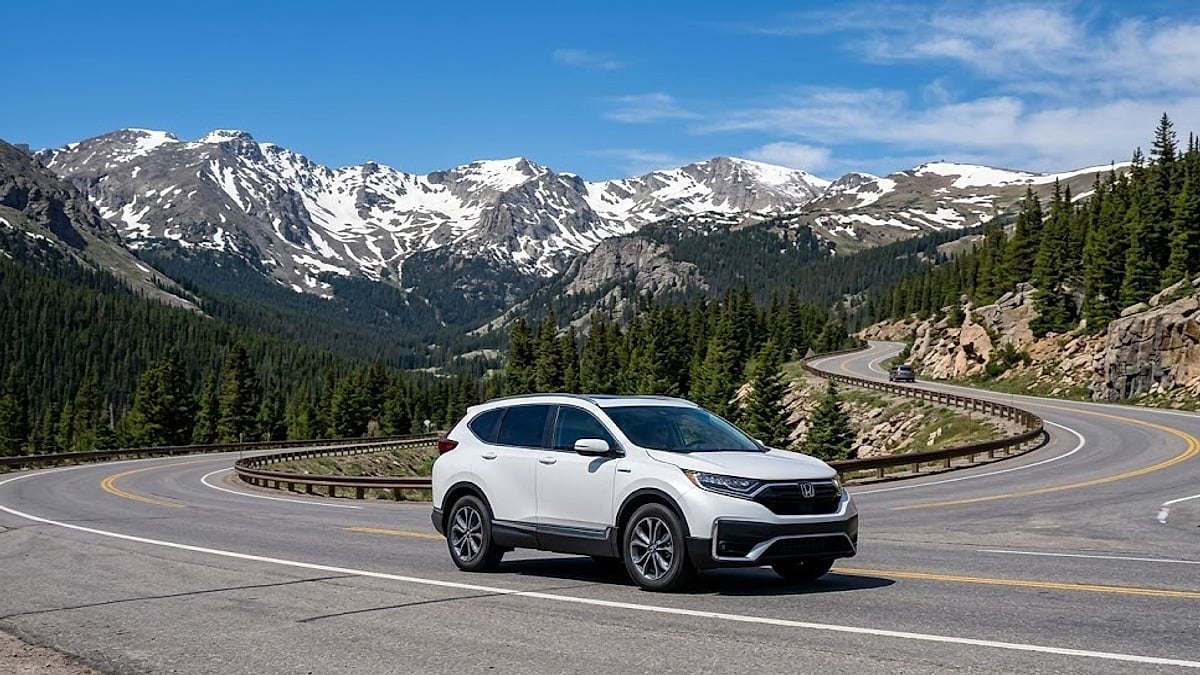
This maintenance challenge is magnified for drivers operating in severe climates, such as the high-altitude mountain corridors of Colorado and Washington. When driving up steep mountain passes like Vail Pass or the Eisenhower Tunnel approach, a hybrid powertrain demands maximum output from its internal combustion engine while operating under reduced atmospheric pressure. Under these high-load scenarios, the engine experiences severe thermal stress.
If an owner follows an extended drain interval of 10,000 miles, the engine oil can suffer from fuel dilution and thermal breakdown. This degraded oil loses its ability to effectively draw heat away from the upper cylinder deck. The resulting localized hot spots around cylinder number one can cause thin sections of the cylinder head casting to warp slightly, leading to premature head gasket failure.
Tracking Head Gasket Failures Across Generation-Specific Hybrid Platforms
The emergence of these head gasket issues is not completely isolated to a single model year or trim level. Authoritative automotive journalism in prior coverage highlights that unexpected hybrid failures are emerging on the 2.0-liter Atkinson-cycle platform. In a previously documented report on these mid-mileage powertrain breakdowns, an identical failure pattern was confirmed: an owner experienced a sudden cylinder head gasket breach at an early mileage interval, as detailed in the extensive Torque News 2023 Honda CR-V Hybrid Mechanical Failure Report.
The historical context of these compact crossover powerplants shows a clear evolutionary path of sealing vulnerabilities. The structural challenges observed in earlier 1.5-liter turbocharged powerplants appear to have carried over into the engineering architecture of the larger 2.0-liter naturally aspirated hybrid engines. This structural overlap is documented thoroughly within the comprehensive technical archive of the Torque News Honda Turbo Powertrain Durability Analysis. Both engine families share similar multi-layer steel gasket compositions and cylinder head bolt torque specifications, which may explain why similar failure modes are appearing across distinct engine displacements.
Key Takeaways
- Document every fluid service with the original dealership repair orders to maintain leverage in corporate goodwill assistance requests.
- Monitor the engine coolant expansion tank weekly for any unexplained drop in fluid levels or signs of dark oil contamination.
- Shorten internal combustion engine oil change intervals down to 5,000 miles if your regular commute involves high-altitude driving or extreme stop-and-go traffic.
- Evaluate the financial utility of an exclusionary extended powertrain warranty if you intend to operate a modern hybrid crossover past the 60,000-mile factory limit.
The Next Question: Why Does Cylinder One Fail First?
With the majority of documented head gasket failures on this hybrid engine platform occurring specifically at cylinder number one, the next logical question is: what specific engineering or layout factor causes this cylinder to bear the brunt of thermal stress? The answer lies within the design of the engine's cooling jacket and the routing of the exhaust gas recirculation system.
Cylinder number one is located closest to the water pump inlet, meaning it receives the first burst of cold coolant entering the block. This positioning subjects that specific cylinder bay to the most severe thermal shock when the engine abruptly starts under load. The resulting sharp temperature differential between the inside of the combustion chamber and the outside water jacket stresses the head gasket fire ring far more severely than the more uniform heat profiles seen around cylinders two and three.
Deconstructing Corporate Goodwill Policies and Dealership Realities
A frustrating aspect of Jeff's experience is the complete denial of financial relief through the corporate goodwill repair program. While dealership technicians often express personal empathy for a major component failure that occurs just past the warranty window, the structural review process is governed by strict corporate targets. Operational field data indicate that regional service managers are evaluated on metrics that reward keeping warranty expenditures below specific monthly budgets. Consequently, consumers who choose not to buy extended service contracts are often left entirely responsible for expensive out-of-pocket repairs, regardless of how closely they followed the official maintenance guidelines.
Tell Us What You Think
Have you experienced unexpected coolant loss, rough morning starts, or an expensive head gasket repair bill on your modern hybrid crossover? Let us know about your experience with dealership service departments and corporate warranty coverage by dropping a comment using the red "Add new comment" link below.
What’s Next for Hybrid Owners?
Check out Denis Flierl's follow-up article titled: How Independent Techs Permanently Fix Honda 2.0L Hybrid Head Gasket Failures Without Using Factory Parts
While dealerships blame "bad luck" and hand owners massive out-of-pocket bills for premature out-of-warranty engine failures, independent master technicians are taking a completely different approach. They are proving that the recurring cylinder 1 head gasket breach in modern Atkinson-cycle hybrid engines is a structural thermal-cycling issue that can be solved permanently without using standard factory replacement hardware.
By bypassing the dealership and adopting strategic, real-world mechanical upgrades, we are shifting toward permanent, independent fixes. This practical action plan breaks down the exact heavy-duty aftermarket components, specialized clamping fasteners, and altered preventive maintenance protocols that independent specialty shops use to fix the vehicle right the first time, ensuring long-term powertrain reliability without the corporate markup.
About The Author
Denis Flierl is a 14-year Senior Reporter at Torque News and a member of the Rocky Mountain Automotive Press (RMAP) with 30+ years of industry experience. Explore his full investigative reporting archives and technical guides at DenisFlierl.com. Based in Parker, Colorado, Denis leverages the Rockies' high-altitude terrain as a rigorous testing ground to provide "boots-on-the-ground" analysis for readers across the Rocky Mountain region, California EV corridors, the Northeast, Texas truck markets, and Midwest agricultural zones. A former professional test driver and consultant for Ford, GM, Ram, Toyota, and Tesla, he delivers data-backed insights on reliability and market shifts. Denis cuts through the noise to provide national audiences with the real-world reporting today’s landscape demands. Connect with Denis: Find him on LinkedIn, X @DenisFlierl, @WorldsCoolestRides, Facebook, and Instagram.
Photo credit: Denis Flierl
Set Torque News as Preferred Source on Google
Follow us today...