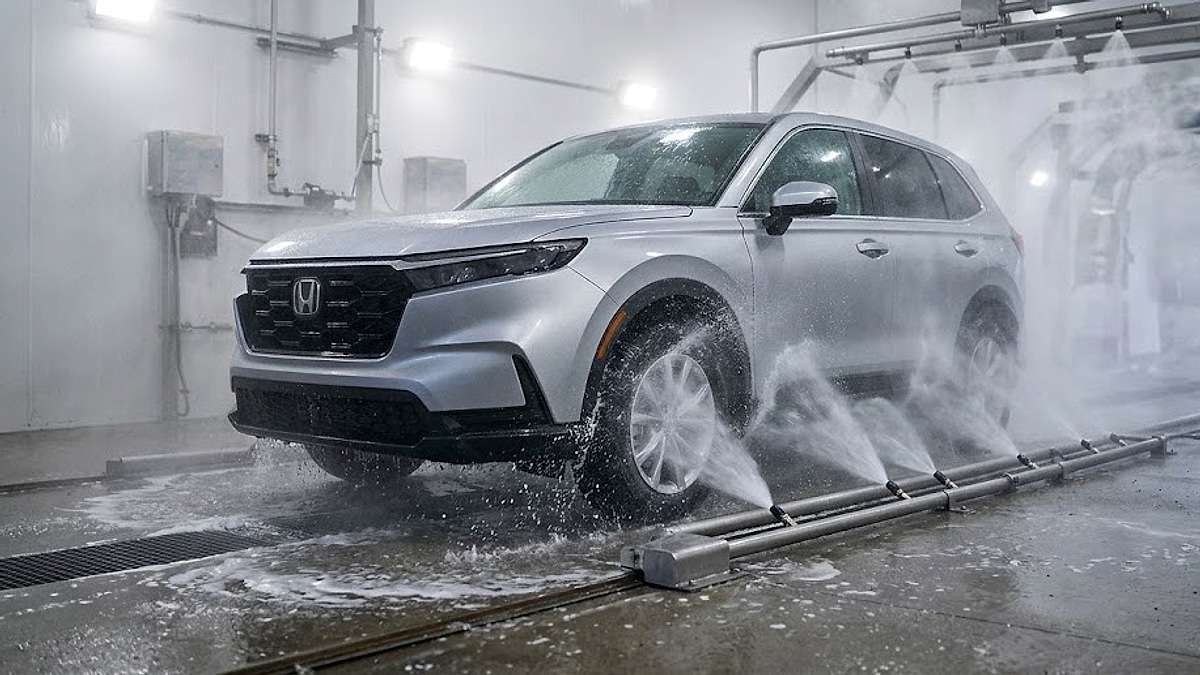

Taking your family crossover through a routine automated wash to clean off weekend road grime is considered basic vehicle maintenance.
However, a growing number of 6th-generation Honda CR-V owners are discovering that a standard car wash can cause the emissions system to fail completely.
According to a technical diagnostic analysis by FoxwellDiag, undeterred moisture exposure frequently triggers immediate system faults because "undercarriage exposure to salt and moisture frequently causes intermittent electrical faults that mimic a stuck valve condition."
When a pristine, low-mileage crossover flashes a bright orange "Emissions System Problem" warning across the digital dashboard, drivers naturally head to the local dealership expecting a quick warranty fix.
Instead, service managers across the country are turning owners away, leaving them stuck with a surprise out-of-pocket repair bill that hovers right around $2,000.
As a detailed Rohnert Park Transmission EVAP Diagnostic Report confirms, severe underbody liquid contamination can cause a "cracked or damaged EVAP charcoal canister," which routinely forces consumers to pay for expensive, out-of-warranty repairs.
This second article ties directly into a critical consumer alert, in which I exposed how a local dealership officially denied factory warranty coverage, claiming that high-pressure water from a car wash had physically penetrated and destroyed the charcoal filter.
In my separate ongoing investigative series about the Honda CR-V, I highlighted that a few things frustrate a new owner more than hidden system nuances, making it vital for consumers to track how unshielded components handle daily driving hazards.
The Shared Facebook Account That Shocked Crossover Owners
The true scope of the vulnerability exploded across social media when a Florida owner shared how an afternoon spent detailing their vehicle ended in an electronic nightmare.
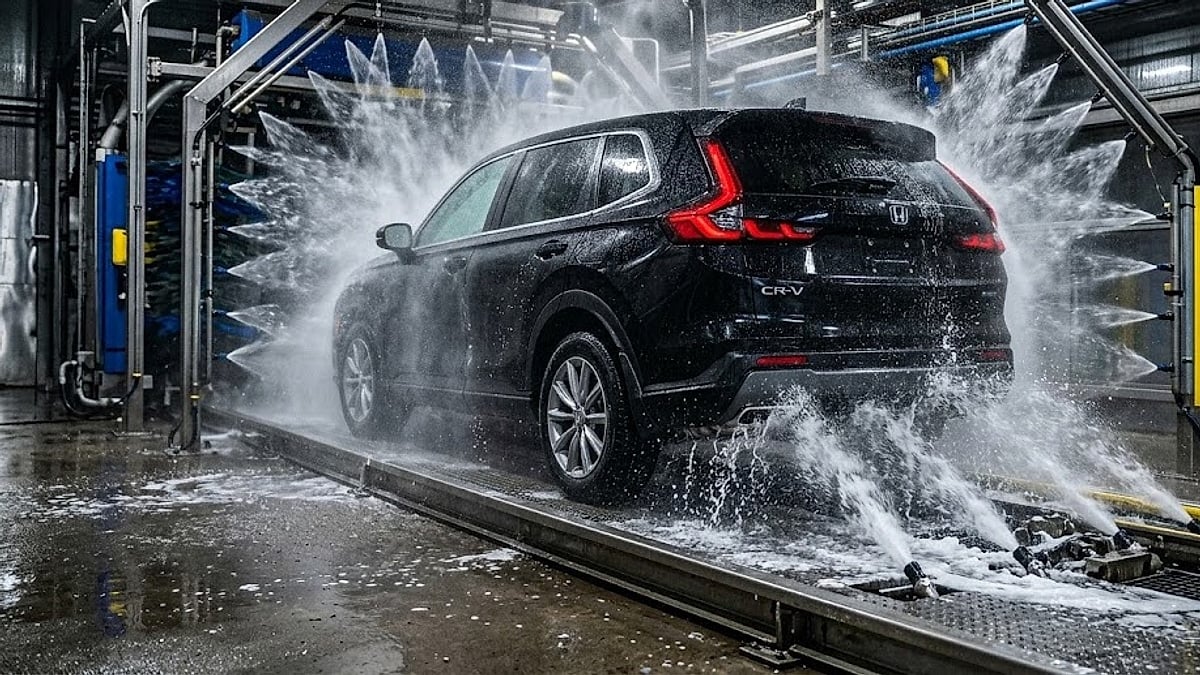
"After using an air gun to dry the lower rear area of the vehicle during a routine wash, an 'Emissions System Problem' warning immediately illuminated on the dashboard. The local dealership claimed that high-pressure water from washing the vehicle had physically penetrated and destroyed the charcoal canister, providing a repair estimate of $2,000 for parts, labor, and tax."
What makes this issue so alarming is that corporate customer service portals are standing firmly behind the dealerships, officially categorizing water intrusion as an "outside environmental influence" rather than a factory defect.
The Hidden Underbody Vulnerability Behind the Rear Wheel
While mainstream automotive media outlets have overlooked the mechanical cause, the real issue comes down to the physical packaging of the newest CR-V undercarriage.
Historically, automotive engineers tucked the evaporative emissions (EVAP) charcoal canister deep inside inner structural frame rails or directly on top of the fuel tank, where water could never touch it.
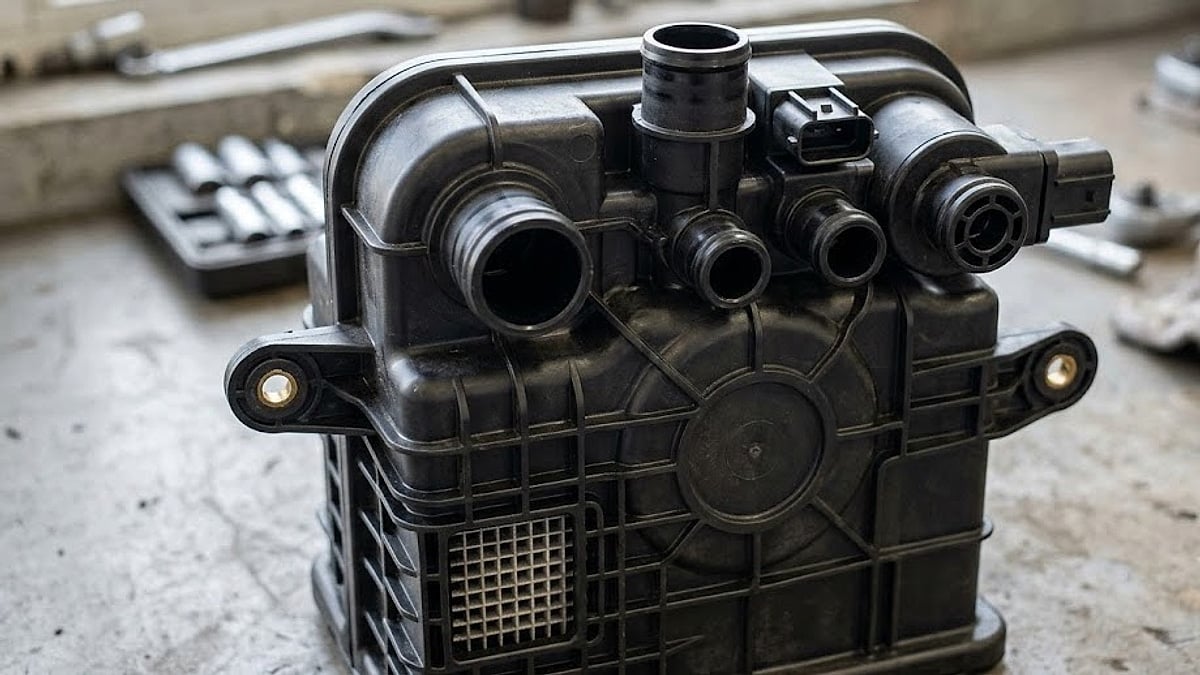
On the 6th-generation CR-V, however, the fresh-air intake vent line drops low into the underbody area directly behind the rear wheel well, leaving it completely unprotected from high-velocity liquid spray.
Why Routine Rainstorms Are Mimicking Car Wash Failures
This isn't an isolated problem restricted to high-pressure detailing bays; the exact same mechanical breakdown is hitting drivers who simply commute in the rain.
Independent mechanic data reveals that the charcoal canister can become completely full of water after normal highway driving, a physical impossibility unless the vehicle's underbody design acts like a funnel for road spray.
Our institutional tracking shows that when major manufacturers encounter these early-stage design flaws, dealership service departments are routinely instructed to blame the consumer to protect corporate bottom lines.
When a manufacturer uses unshielded underbody locations for sensitive electronic or emissions hardware, the consumer ends up paying the price for the brand's packaging oversights.
How to Wash Your CR-V Without Triggering a Dashboard Nightmare
Until the National Highway Traffic Safety Administration (NHTSA) steps in to force a formal Technical Service Bulletin (TSB) or a full recall, protecting your crossover falls entirely on you.
If you drive a 2023 or newer model, you must treat the lower driver-side rear bumper area as a strict no-fly zone for high-pressure moisture.
When visiting a commercial car wash, completely skip the premium packages that include a high-pressure "underbody blast," which forces water directly up into the open emissions vent line.
If you prefer detailing your vehicle at home, never direct a high-pressure spray wand or a high-velocity leaf blower into the open gaps behind the rear wheels.
Keeping your daily driver clean should be a source of pride, not a $2,000 game of financial Russian roulette that results in a denied warranty claim.
How About You? Have you ever had a dealership deny a legitimate warranty claim by blaming an outside environmental influence?
Tell us what you think in the comments section below by clicking the red "Add new comment" link!
Come back tomorrow… or check my Torque News Home Page for more of my informative Honda CR-V news articles.
About The Author
Denis Flierl is a 14-year Senior Reporter at Torque News and a member of the Rocky Mountain Automotive Press (RMAP) with 30+ years of industry experience. Explore his full investigative reporting archives and technical guides at DenisFlierl.com.
Based in Parker, Colorado, Denis leverages the Rockies' high-altitude terrain as a rigorous testing ground to provide "boots-on-the-ground" analysis for readers across the Rocky Mountain region, California EV corridors, the Northeast, Texas truck markets, and Midwest agricultural zones.
A former professional test driver and consultant for Ford, GM, Ram, Toyota, and Tesla, he delivers data-backed insights on reliability and market shifts. Denis cuts through the noise to provide national audiences with the real-world reporting today’s landscape demands.
Connect with Denis: Find him on LinkedIn, X @DenisFlierl, @WorldsCoolestRides, Facebook, and Instagram.
Photo credit: Denis Flierl
Set Torque News as Preferred Source on Google
Follow us today...