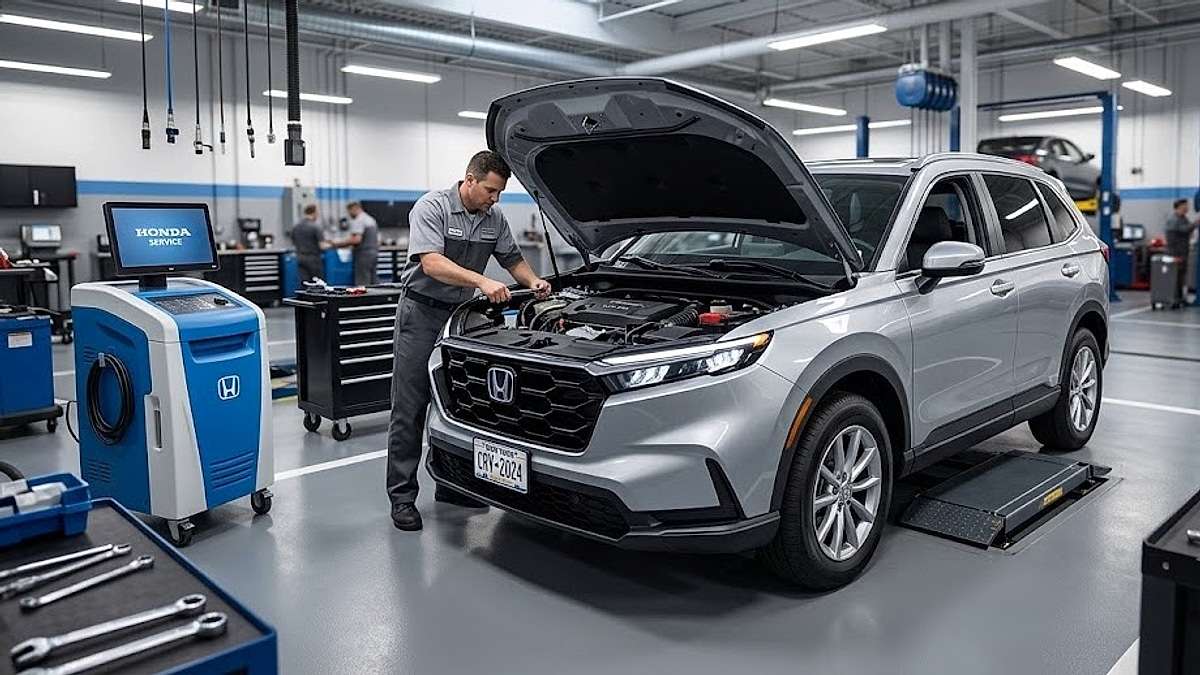

Imagine buying a brand-new vehicle, keeping it pristine, and then finding out that washing it voids your powertrain safety net.
That is exactly the reality facing a subset of sixth-generation SUV owners who are discovering that standard road moisture is triggering massive disputes with dealerships.
A recent case out of Florida highlights a hidden design vulnerability that leaves owners holding the bag for emissions failures that manufacturers claim are consumer-inflicted.
When A Simple Car Wash Triggers A Dashboard Nightmare
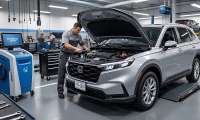
Nga Braswell from Orlando, Florida, recently shared an alarming experience on the Honda CRV Community Facebook page regarding a used 2024 Honda CR-V purchased with just 29,596 miles on the odometer.
After using an air gun to dry the lower rear area of the vehicle during a routine wash, an "Emissions System Problem" warning immediately illuminated on the dashboard.
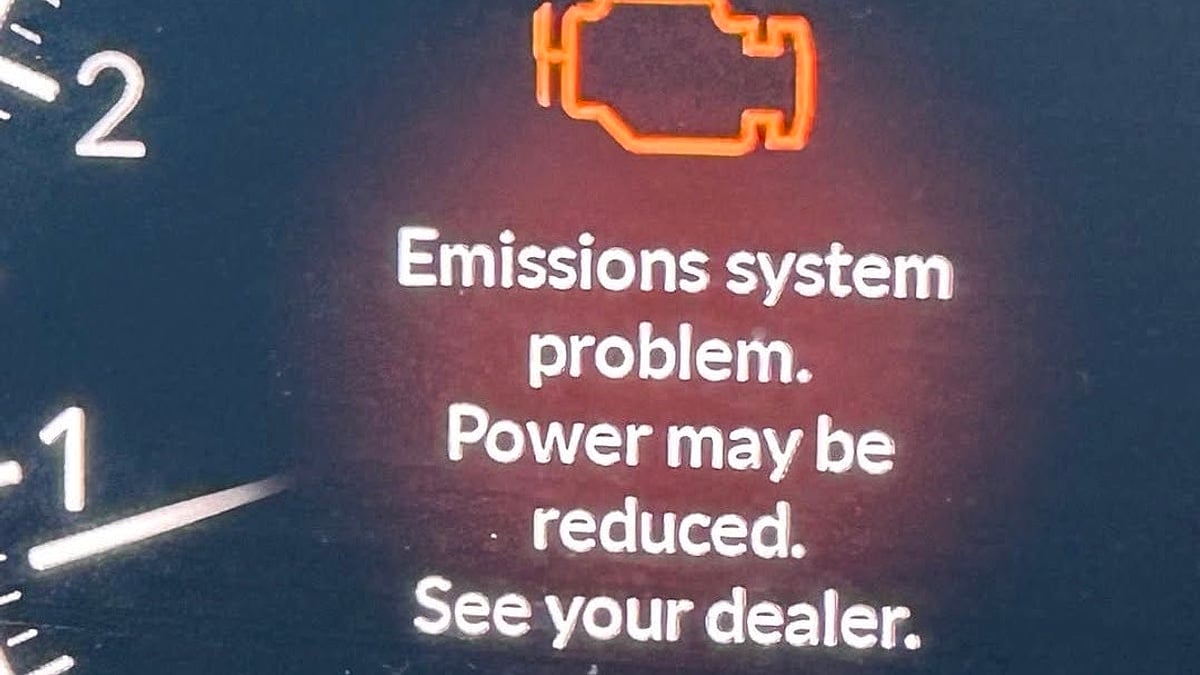
The local dealership initially reset the system, but just two months later, the exact same warning returned with a vengeance.
This time, service advisors claimed that high-pressure water from washing the vehicle had physically penetrated and destroyed the charcoal canister, and provided a repair estimate of $2,000 for parts, labor, and tax.
Even worse, corporate customer service backed the dealership, completely refusing to cover the replacement under the factory warranty by labeling it "outside environmental influence."
The Hidden Vulnerability Plaguing Modern SUV Undercarriages
To understand how a car wash can cause a massive electronic fault, you have to look at where modern automotive packaging places critical emissions hardware.
The evaporative emissions (EVAP) system is entirely closed to prevent raw fuel vapors from escaping into the open air.
Historically, automotive engineers tucked the charcoal canister and its accompanying fresh-air vent valves deep inside inner fender wells or directly on top of the fuel tank structure, where water could never reach.
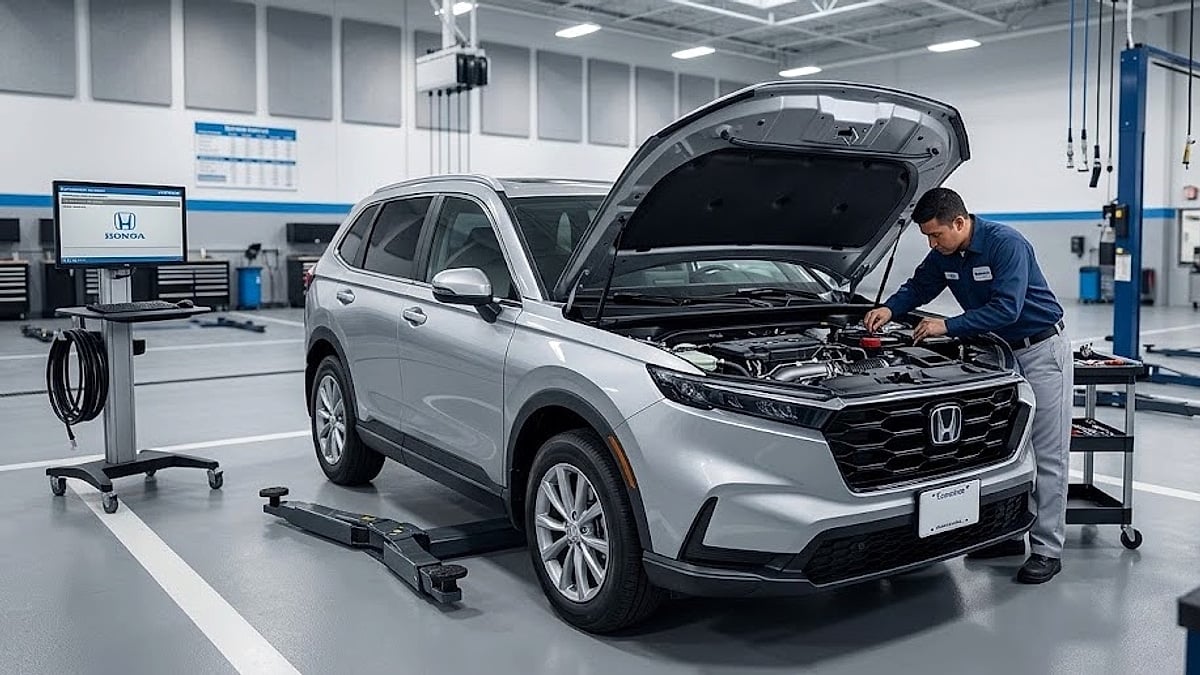
On the latest generation of compact crossovers, however, assembly-line efficiency dictates that the entire EVAP assembly sits in a plastic tray directly underneath the rear cargo floor.
This placement leaves the fresh-air intake vent lines shockingly close to the open road surface, relying entirely on minimal plastic underbody shields to deflect incoming water.
When a high-pressure car wash nozzle or a high-velocity detailing air gun blasts the lower rear bumper area, it can easily force liquid past these deflectors and straight into the system's breathing tubes.
Why The "Environmental Damage" Defense Is Mechanically Unreasonable
Dealership service departments are trained to look for any excuse to classify a repair as non-warrantable, often defaulting to "outside influence" the moment water is detected inside an electrical component.
Yet a passenger vehicle is fundamentally expected to operate in torrential rainstorms, navigate flooded suburban streets, and endure routine undercarriage spray at commercial wash bays.
If an unshielded emissions line is positioned in a way that allows standard water spray to bypass the protective barriers and soak a charcoal filter like a sponge, that represents an engineering oversight rather than driver negligence.
Forcing a customer to pay $2,000 to correct a system that cannot handle a routine detail completely distorts the concept of a new vehicle bumper-to-bumper warranty.
Charcoal canisters are filled with activated carbon pellets designed to trap liquid fuel vapors, but when liquid water enters the intake vent, the carbon clumps together and permanently chokes the system's airflow.
Once this breathing restriction occurs, the vehicle's computer registers an EVAP monitoring fault, turning the dashboard into a Christmas tree of warning lights and disabling standard remote-start features.
The Three-Step Blueprint To Reverse A Dealership Warranty Denial
If a service department tries to stick you with a multi-thousand-dollar bill for an underbody emissions failure, you should never accept the first rejection at the service desk.
1. First, immediately demand the exact Diagnostic Trouble Codes (DTCs) retrieved from your vehicle's engine control module, specifically looking for codes such as P0456 or P04F0, which indicate EVAP system flow restrictions.
2. Second, instruct the shop foreman to put the vehicle up on a lift and take clear photos of the lower shields to prove that no physical impact or off-road damage cracked the plastic trays.
If the underbody plastic is completely intact, with no scrapes or fractures, it indicates the component failed under normal driving conditions without any external impact.
3. Finally, bypass the dealership completely by opening a formal dispute case directly with the manufacturer's regional customer service manager, clearly stating that the vehicle failed during standard consumer care.
How To Protect Your Undercarriage Equipment Until A Permanent Fix Arrives
Until an official technical service bulletin or an updated shielding design is issued to better protect the rear underbelly of these popular family haulers, the burden of protection falls on the owner.
- When visiting commercial car washes, opt for standard rinse cycles rather than premium underbody blasts that target the rear axle area with extreme pressure.
- If you enjoy detailing your vehicle at home, treat the lower rear bumper and the space behind the rear wheels with extreme caution, keeping pressure washers at least three feet away from the body panels.
- Never use compressed air or high-powered leaf blowers directly beneath the rear trunk floor, as the air pressure can push existing water droplets straight through the vent valves.
Washing your car should never result in a $2,000 mechanical penalty, and it is time for manufacturers to acknowledge that component placement can create an unfair financial trap for their customers.
What Would You Do? Have you ever been stuck with a massive repair bill because a dealership blamed standard car washes or weather for a part failure? Tell us your story and leave a comment in the red “Add new comment” link below!
Come back tomorrow… or check my Torque News Home Page for more of my informative Honda CR-V automotive news articles.
About The Author
Denis Flierl is a 14-year Senior Reporter at Torque News and a member of the Rocky Mountain Automotive Press (RMAP) with 30+ years of industry experience. Explore his full investigative reporting archives and technical guides at DenisFlierl.com.
Based in Parker, Colorado, Denis leverages the Rockies' high-altitude terrain as a rigorous testing ground to provide "boots-on-the-ground" analysis for readers across the Rocky Mountain region, California EV corridors, the Northeast, Texas truck markets, and Midwest agricultural zones.
A former professional test driver and consultant for Ford, GM, Ram, Toyota, and Tesla, he delivers data-backed insights on reliability and market shifts. Denis cuts through the noise to provide national audiences with the real-world reporting today’s landscape demands.
Connect with Denis: Find him on LinkedIn, X @DenisFlierl, @WorldsCoolestRides, Facebook, and Instagram.
Photo credit: Denis Flierl via Nga Braswell
Set Torque News as Preferred Source on Google
Follow us today...