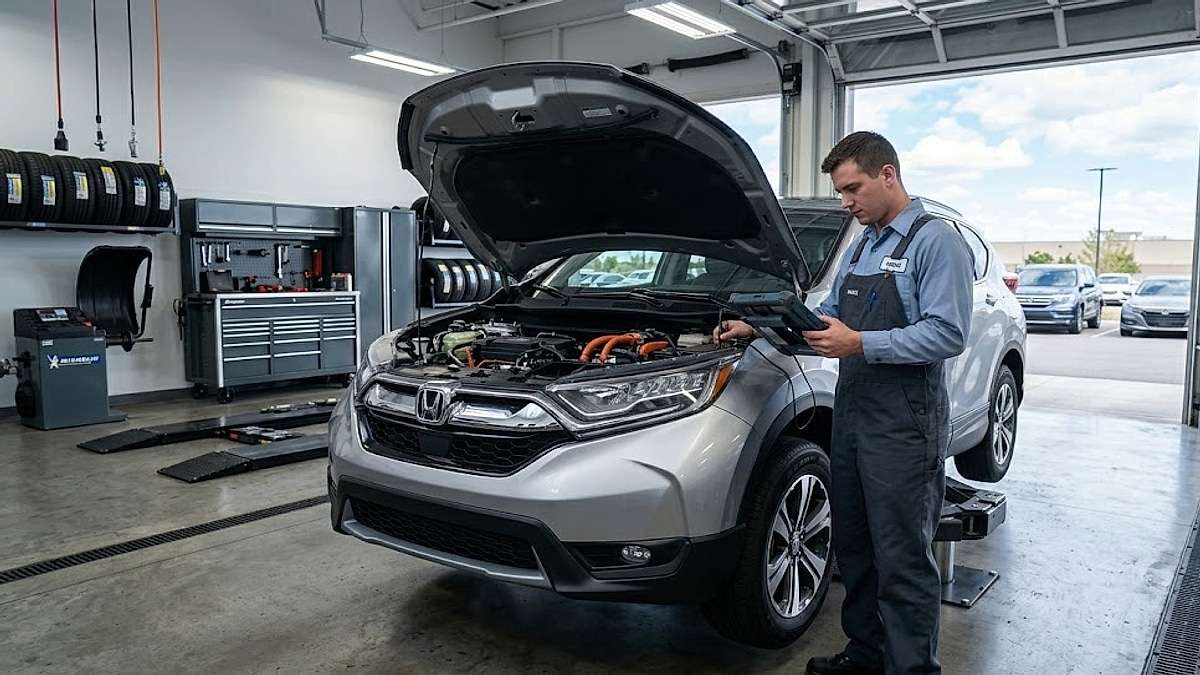

As the modern automotive landscape shifts increasingly toward hybrid powertrains, vehicle owners are discovering that traditional factory service recommendations do not always guarantee long-term component survival. According to ongoing Torque News by Denis Flierl, tracking of manufacturing defects and severe thermal loading profiles, combined with factory fastening choices, has created an epidemic of mid-mileage multi-layer steel sealing failures. This investigation provides a detailed technical guide to how independent repair facilities successfully fix these issues permanently.
By utilizing heavy-duty aftermarket components and adjusting fluid service intervals, independent specialists are resolving the underlying mechanical flaws that factory repair procedures overlook. This actionable report serves as a technical resource for consumers seeking to preserve vehicle longevity and avoid the high costs associated with standard dealership repairs.
The Strategic Aftermarket Fix for Modern Hybrid Sealing Integrity
In our primary coverage tracking high-dollar crossover component failures, Torque News documented how an out-of-warranty consumer was burdened with a massive $5,300 bill for a blown head gasket at 73,000 miles. This case study highlights a broader trend affecting high-compression powertrains across the country. Technical analysis by Denis Flierl identifies a critical gap between factory maintenance schedules and real-world component longevity.
When a dealership technician removes a compromised factory head gasket, the standard corporate policy dictates that it be replaced with the exact same factory-stamped part number and torque-to-yield hardware. This repair strategy fails to address the underlying physical stress caused by intense hybrid thermal cycling.
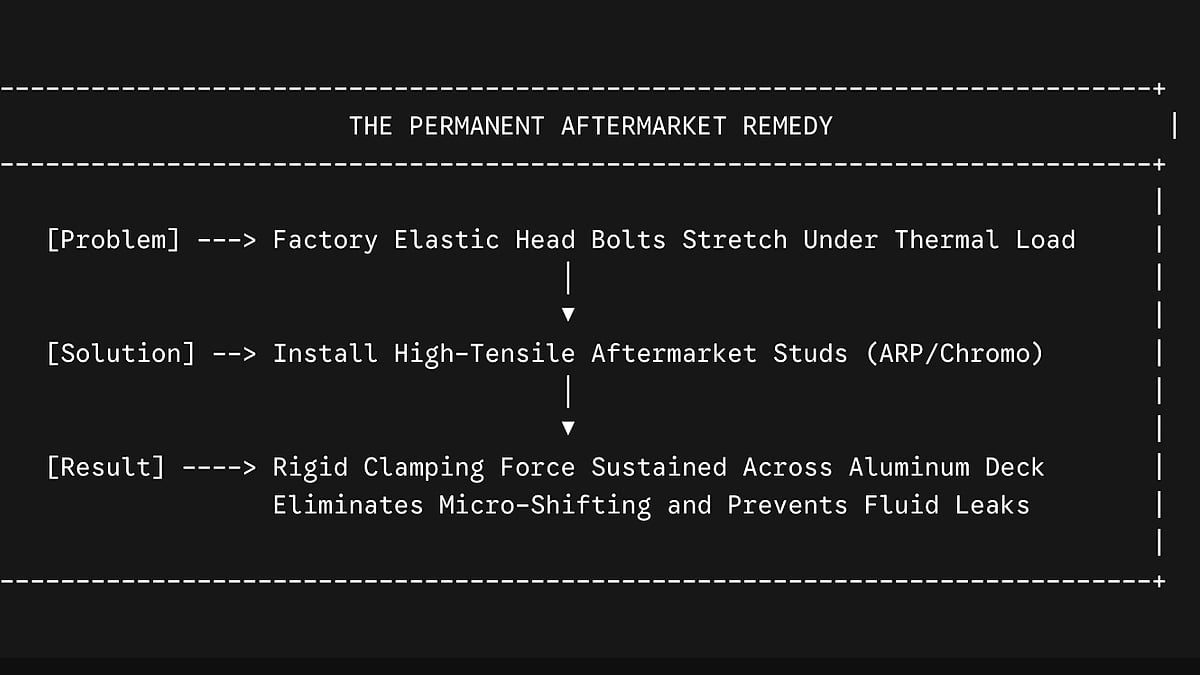
Independent repair shops are taking a more effective approach by treating this issue as a structural design flaw that requires upgraded hardware. Rather than relying on standard factory parts, independent technicians use high-tensile aftermarket head studs made from premium chrome-moly alloys.
Unlike factory torque-to-yield bolts, which stretch permanently when installed, heavy-duty aftermarket studs provide an unyielding clamping force. This modification completely prevents the microscopic shifting that occurs between the aluminum cylinder head and engine block during rapid hybrid heat cycles, eliminating the root cause of the gasket failure.
Addressing Structural Fatigue Caused by Modern High-Compression Operations
In our continuous coverage of Honda reliability, Torque News Senior Reporter Denis Flierl has uncovered an unresolved dispute regarding the physical demands placed on modern downsized powertrains. The 2.0-liter Atkinson-cycle hybrid engine operates under high static compression to maximize fuel efficiency. This design choice results in elevated combustion chamber pressures that continuously stress the engine's internal seals.

According to vehicle history data compiled by the NHTSA Defect Portal, early direct-injection engine layouts frequently exhibit localized thermal spikes near the center of the combustion chambers. These temperature imbalances place unequal physical stress on the factory head gasket, leading to early failure.
Furthermore, long-term testing data tracked by the Consumer Reports Powertrain Index indicates that high-efficiency aluminum engines are more susceptible to sealing fatigue when driven through extreme seasonal temperature changes. When a hybrid system constantly cycles the gasoline engine on and open road commuting off, the aluminum block undergoes continuous expansion and contraction.
Under these conditions, standard factory head bolts expand at a different rate than the aluminum casting does, reducing the critical clamping force over time. Upgrading to rigid aftermarket studs solves this issue, ensuring the cylinder head remains firmly attached to the engine block under all operating conditions.

Technical Insights on Preemptive Multi-Layer Gasket Upgrades
When an independent shop repairs an Atkinson-cycle engine, they typically install an upgraded multi-layer steel gasket featuring advanced Viton rubber outer coatings. These specialized aftermarket coatings are designed to absorb micro-movements across the mating surfaces far more effectively than standard production materials.
This technical solution is discussed extensively within our technical archive on mid-mileage crossover breakdowns, which is covered in detail in Denis Flierl's 2023 Honda CR-V Hybrid Mechanical Failure Report.
Independent mechanics emphasize that combining these upgraded sealing materials with high-tensile fasteners creates a much more durable engine assembly. This long-term solution is further examined in the investigative Torque News Honda Turbo Powertrain Durability Analysis, which highlights how rigid fastening methods can prevent expensive, repetitive repairs.
Environmental Stress and the Colorado High-Altitude Factor
The physical stress placed on modern hybrid engine seals increases significantly when vehicles are driven through challenging, high-altitude regions. Operating a hybrid crossover along steep Colorado mountain corridors, such as the high-elevation approaches around Parker and the Denver metro basin, demands sustained maximum power from the internal combustion engine. Because the air is thinner at higher elevations, the hybrid powertrain must rev higher and run longer to maintain highway speeds up steep inclines.

This operational demand results in extreme heat inside the engine bay. If the engine oil is diluted with unburnt fuel due to extended factory-recommended oil drain intervals, the lubricant loses its ability to effectively carry heat away from the cylinder walls. The resulting hot spots cause localized warping along the thin aluminum deck areas of the engine block. Shifting to an independent shop's repair approach helps protect vehicles driven through these harsh environmental conditions, giving owners peace of mind when tackling mountain passes.
Actionable Steps for Out-of-Warranty Vehicle Owners
- Shorten internal combustion engine oil changes down to a strict 5,000-mile interval to minimize fuel dilution and maximize heat dissipation inside the cylinder block.
- Test the vehicle's engine coolant every 20,000 miles with chemical diagnostic strips to detect early combustion gas contamination before a full structural failure occurs.
- Request high-tensile aftermarket fasteners rather than factory replacement parts if an independent shop must perform a cylinder head teardown procedure.
- Flush the hybrid system's cooling network with high-grade alternative fluids that offer superior thermal transfer properties across aluminum cooling jackets.
Field Observations From Specialized Independent Technicians
Enthusiast platforms and independent service forums contain numerous reports from technicians who regularly repair these high-compression engines. These professionals emphasize that using premium aftermarket components is the most reliable way to prevent recurring sealing failures.
On the technical sub-platform r/MechanicAdvice, an independent shop foreman shared his experience repairing these downsized engines: "We stopped installing factory head bolts on these compact hybrid blocks entirely. Moving to heavy-duty studs is the only way to ensure the cylinder head stays flat over another 100,000 miles."
This professional observation, available in the public Reddit Hybrid Powertrain Repair Thread, confirms that rigid aftermarket fastening methods are highly effective. From my 30 years of automotive industry experience, this field data demonstrates that solving a recurring mechanical issue requires upgrading the underlying hardware rather than simply replacing broken factory parts.
Another master technician highlighted the importance of using premium sealing materials on modern engines: "The factory multi-layer steel gaskets are simply too thin to handle the constant thermal shifting of stop-and-go hybrid use. An aftermarket gasket with a thicker sealing bead is mandatory for a lasting repair."
This recommendation, found in the Reddit Independent Asian Import Specialist Forum, aligns with basic thermodynamic principles. Increasing the thickness and elasticity of the gasket material allows the engine to handle rapid temperature changes without developing fluid leaks, providing a reliable fix for vehicle owners.
How Can Owners Detect Early Gas Intrusion from Combustion?
When dealing with a potential engine sealing issue, the next logical question for an owner is: What specific diagnostic tool can identify a failing head gasket before it causes complete engine failure? The most accurate method is performing a chemical block test on the engine cooling system. This inexpensive test draws air from the radiator expansion tank through a specialized blue detector fluid.
If trace amounts of combustion gases leak past the head gasket fire ring, the blue liquid will react chemically and turn bright yellow. This early warning allows owners to address the issue before cylinder misfires occur, protecting the engine block from permanent thermal warping.
Final Technical Assessment
The emergence of premature engine sealing issues on high-efficiency hybrid platforms highlights the importance of proactive maintenance and hardware upgrades. While vehicle manufacturers often downplay these out-of-warranty failures as isolated incidents of bad luck, independent repair shops have developed practical, reliable fixes using heavy-duty aftermarket components. By upgrading to rigid head studs and shortening fluid service intervals, owners can protect their vehicles from expensive breakdowns and ensure long-term dependability on the road.
How About You?
Have you ever turned to an independent repair shop to install upgraded aftermarket components after a dealership denied a factory warranty claim? Let us know how your independent repair experience compares to dealership service by leaving a comment using the red "Add new comment" link below.
About The Author
Denis Flierl is a 14-year Senior Reporter at Torque News and a member of the Rocky Mountain Automotive Press (RMAP) with 30+ years of industry experience. Explore his full investigative reporting archives and technical guides at DenisFlierl.com. Based in Parker, Colorado, Denis leverages the Rockies' high-altitude terrain as a rigorous testing ground to provide "boots-on-the-ground" analysis for readers across the Rocky Mountain region, California EV corridors, the Northeast, Texas truck markets, and Midwest agricultural zones. A former professional test driver and consultant for Ford, GM, Ram, Toyota, and Tesla, he delivers data-backed insights on reliability and market shifts. Denis cuts through the noise to provide national audiences with the real-world reporting today’s landscape demands. Connect with Denis: Find him on LinkedIn, X @DenisFlierl, @WorldsCoolestRides, Facebook, and Instagram.
Photo credit: Denis Flierl
Set Torque News as Preferred Source on Google
Follow us today...