
1) Gas prices. 2) Affordability. 3) Handling. 4) Key brands killed off weak sedan models. These are the four reasons that sedans are presently seeing positive growth in vehicle deliveries. What we found most interesting is that hybrid powertrains seem to be a key factor in which sedans survived and which are doing well right now.
Background on Sedans Springing Back to Relevance
Sedans have been posting up ever-greater delivery numbers over the past six months or so. This trend was first noted back in late 2025, and with the recent spike in energy prices, it seems to have accelerated. We spoke with Toyota spokesperson Zachary Reed, who told Torque News:
Toyota sedans continue to resonate with drivers, and we’re pleased to see strong sales so far in 2026. This trend has been there over the past few years, with the 100% hybrid Camry as an example of that success. We’ve stayed committed to building sedans that people trust and enjoy every day, and that commitment continues to have great appeal.
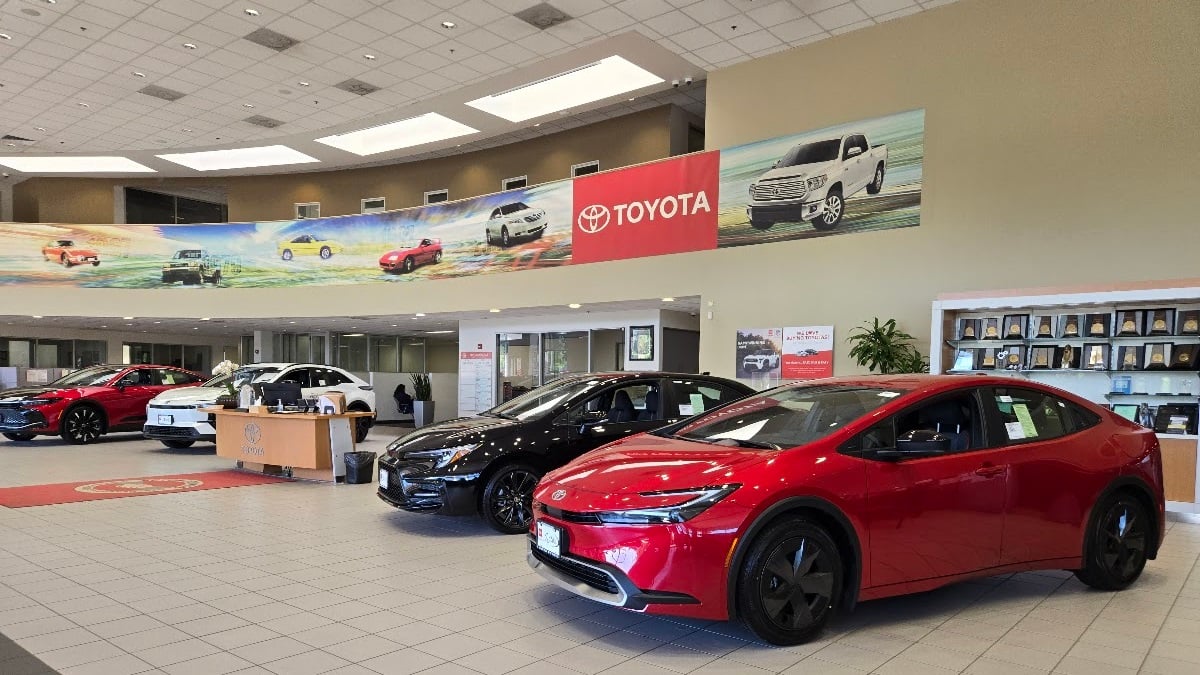
Toyota Is Clearly Pushing Sedans
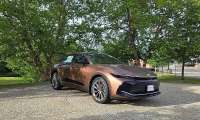
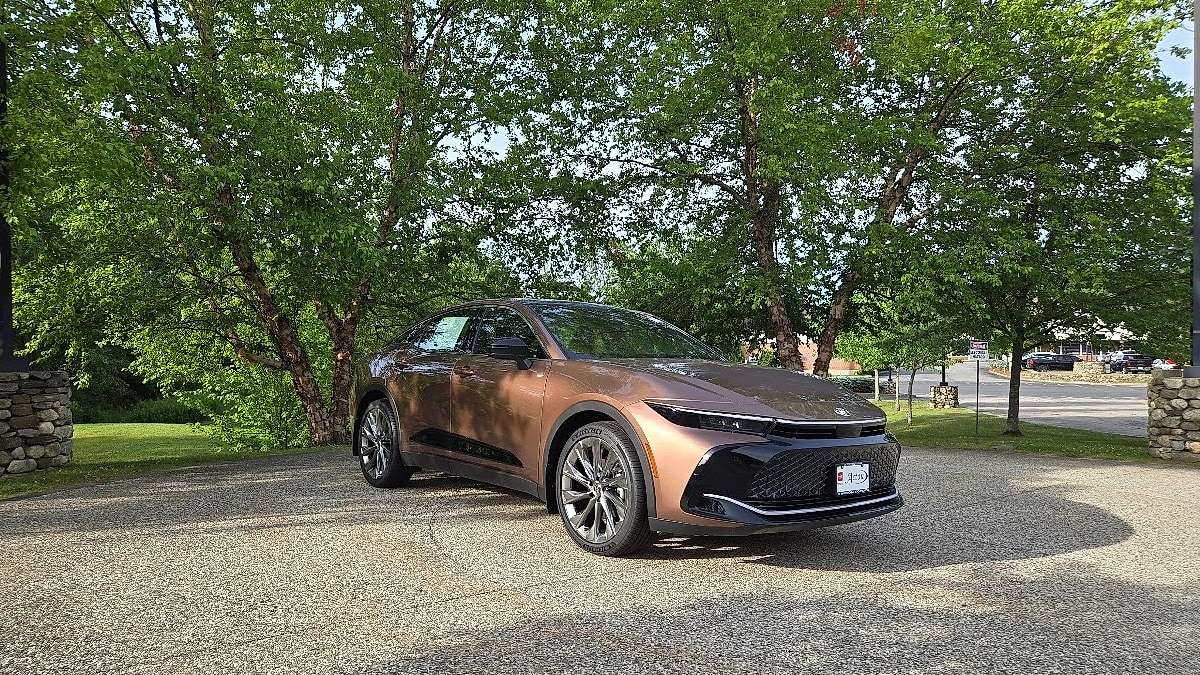
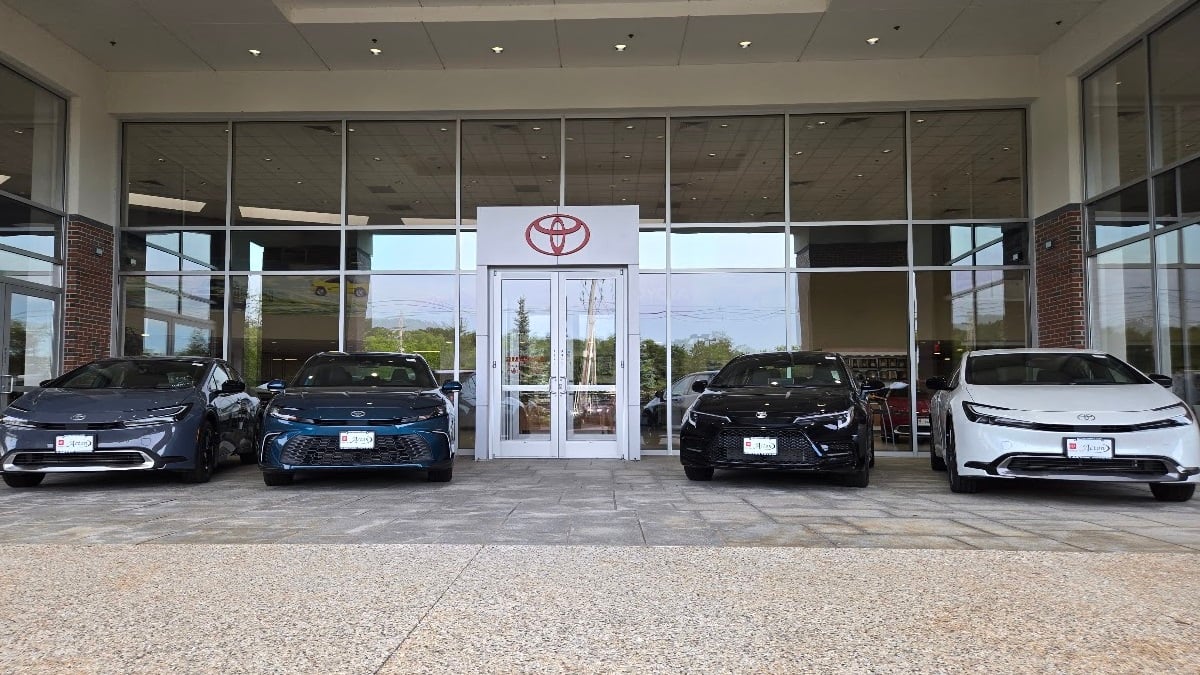
This week, we visited a Metro West Boston Toyota dealer for service and noticed something unusual in the large, bright showroom. Every model on display in the showroom was a car. Outside, the dealer has a circular viewing area to highlight a special model. Again, a sedan on display. Finally, at the entry door, there is space for two vehicles on each side as shoppers enter the main door. You guessed it, all four-door cars. This is no accident. Toyota is clearly promoting its sedan lineup.
Killing off half the Options Tends to Help the Surviving Models
Let’s start with the last reason that sedans seem to be making a big comeback. Ford says it killed its sedans off to make room in its limited budget for other models. Chevy killed off its sedans after letting the Malibu live on past its best-by date in rental and municipal fleets. Volkswagen’s sedan-heavy lineup has faded into history in America over the past few years. The Passat, Arteon, and CC are all long gone. Nissan killed off its largest and smallest sedans over the past couple of years, and the Altima is now a compressed model line on borrowed time with fewer available trims.
Toyota, Honda, and Hyundai Lead the Way In Modern Sedans
By taking the Taurus, Fusion, Malibu, Impala, Maxima, Versa, and Passat off the gameboard, the remaining sedan brands were left with the sedan shopper all to themselves. So, when the automotive media reports that the Crown, Camry, Corolla, Sonata, Elantra, Accord, and Civic are seeing increases in delivery numbers, nobody should assume that means “sedans are roaring back.” Of course, their deliveries increased; the alternatives are gone.
Now, let’s face the reality. The sedans from Toyota, Honda, and Hyundai were the best you could buy before the legacy brands killed off their poorly matched models. It wasn’t just about “making room” or “cost-basis” issues. The Accord, Camry, and Sonata were and remain the best three daily-driver sedans in their size and price range, and the Corolla, Civic, and Elantra are the best in their size category. The Toyota Crown is a great sedan and is in a league of its own. So, if we can be blunt, the other sedans leaving were less a case of capitulation than of conquest.
The Common Sedan Thread - Hybrids
If you know the surviving sedan product line we’ve listed, you may already have realized that every one of them is either a hybrid-only model or a sedan that can come as a hybrid. In much of America, these sedans offer the best cost-per-mile for energy vehicle you can buy. In areas where gas is moderately priced or cheap, hybrid sedans beat EV sedans. Or, should we say, sedan, since only the Model 3 really matters when discussing EV sedans. Where energy prices are moderate for both gas and electricity, hybrids have a very competitive cost of energy.
Low-slung sedans don’t have to push as much wind when they drive, and tend to be lighter than crossovers and SUVs. Add a hybrid system to recapture brake energy, and the formula produces impressive efficiency results.
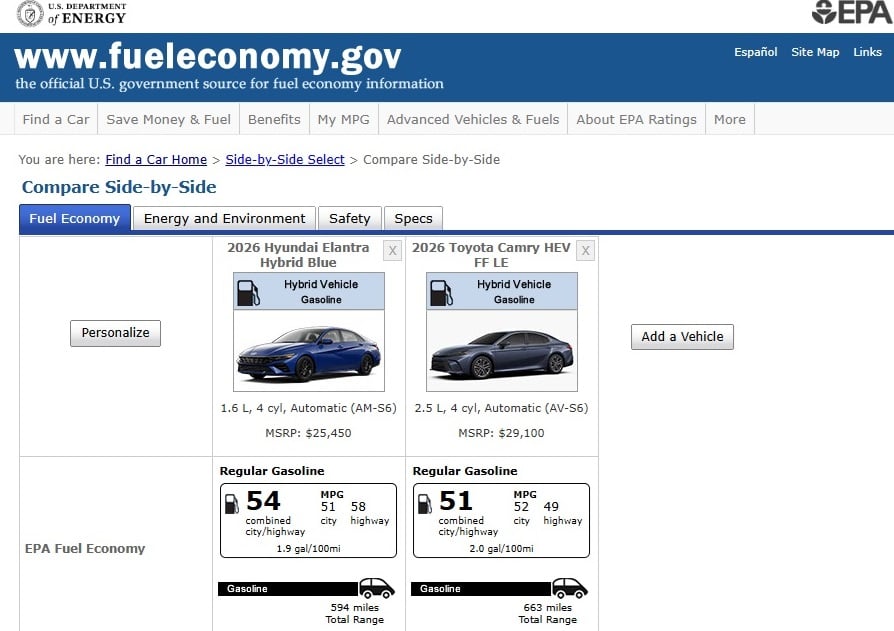
If you are not familiar with the crazy numbers that hybrid sedans can put up, let’s look at the Hyundai Elantra and the Toyota Camry. The Elantra posts an insane 58 MPG on the highway. The Camry earns a 52 MPG City rating. Both use the cheapest gas you can buy. The Elantra’s range is 594 miles, and the Camry’s range is 663 miles. Each can be refueled from virtually empty to completely full in about 87 seconds. We timed it. If you want a green vehicle for commuting that is easy to live with, these two are hard to beat.
Hybrid Sedan Affordability Crushes EV Affordability
In addition to having lower MSRPs than crossovers and SUVs, hybrid sedans offer lower insurance costs. Insurify reported in a recent study that “The average annual cost of insuring an EV is $3,159, about 42% ($941 annually) higher than insuring a gas-powered car ($2,218).” Furthermore, the report listed the Tesla Model 3 EV as having a whopping average annual insurance cost of $4,489.
In a recent iSeeCars report listing the vehicles with the best resale value, the Civic was number five overall on the list with a five-year depreciation of just 22.9%. The Corolla Hybrid had a depreciation of 30.1%. By contrast, the average SUV has a 44.9% depreciation, and the average EV a whopping 57.2% depreciation.
Driving Pleasure
While we have avoided the costly sports sedan class in our story and stuck to affordable, high-volume daily drivers, we can tell you from experience that sedans are more fun in turns and stop shorter. Since sedans are lighter, if the powertrain is the same, they are quicker than five-passenger crossovers and SUVs. Having a lower center of gravity and less mass lends itself to driving enjoyment, and it’s hard to top sedans in these categories. Toss in a high-torque hybrid powertrain, and an affordable sedan can be very satisfying to drive.
When you see the headlines about Toyota, Honda, and Hyundai sedan deliveries climbing, know that the common thread is hybrids. Every sedan survivor on that list is either hybrid-only or available as one, and in most of the country, a hybrid sedan delivers the lowest cost per mile you can buy, with the Elantra's 58 highway MPG and the Camry's 52 city MPG as proof. Add lower MSRPs, cheaper insurance, and better resale value than crossovers or EVs, and the hybrid sedan sells itself. It helps that the weaker rivals are gone, but that only cleared the chaff from the wheat. What keeps these sedans selling is that they sip the cheapest fuel, cost less to own, and still out-handle the taller, heavier alternatives. The sedan didn't claw its way back from the grave. The efficient ones simply made themselves too dominant to ignore.
About the Author:
John Goreham is a 14-year veteran of Torque News. An accomplished writer and a long-time expert in vehicle testing, Goreham also serves as the Vice President of the New England Motor Press Association and has a growing social media presence. He’s also a 10-year staff writer and community moderator for Car Talk. Goreham holds a B.S. in Mechanical Engineering and an undergraduate Certificate in Marketing. In addition to vehicle and tire content, he offers deep dives into market trends and opinion pieces. You can follow John Goreham on X and TikTok, and connect with him on LinkedIn.
Images by John Goreham. Camry and Elantra fuel economy data courtesy of EPA.
Set Torque News as Preferred Source on Google
Follow us today...