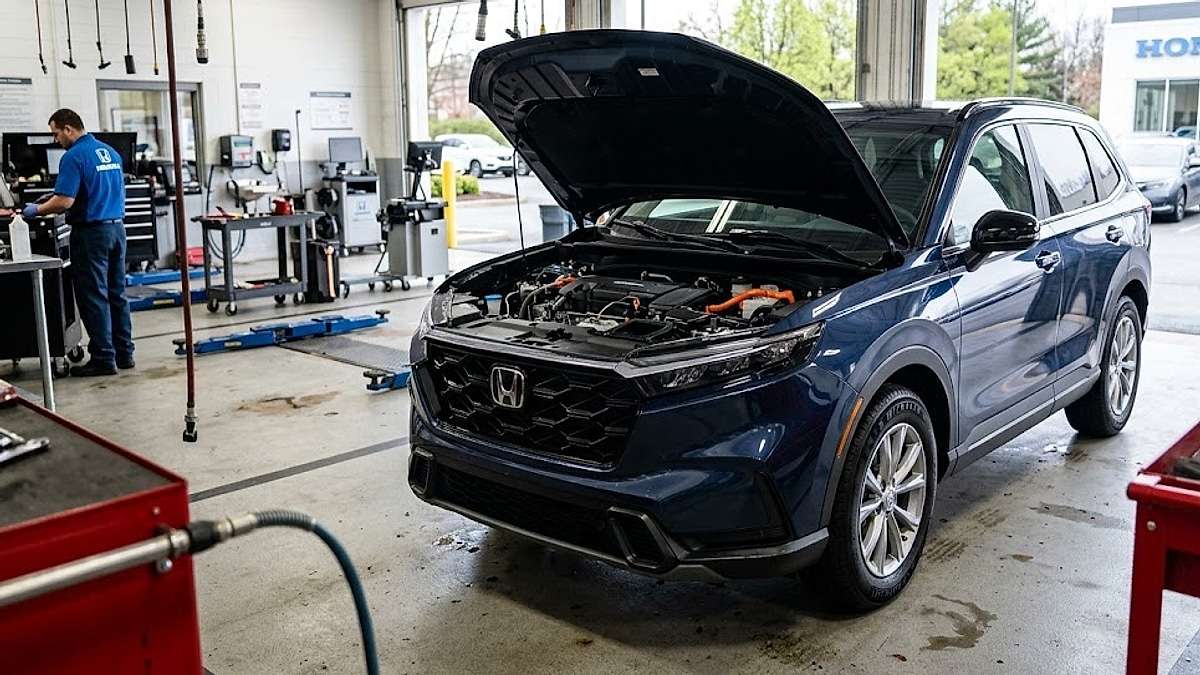

This consumer investigation breaks down the logistical and legal fallout, leaving thousands of 6th-generation Honda CR-V Hybrid owners stranded in dealership service bays. While regional operating conditions like high-altitude mountain ascents trigger underlying mechanical binding, component supply chain shortages mean physical steering racks remain on critical backorder.
This action plan equips owners with an explicit documentation framework to bypass temporary dealership code resets, leverage state lemon laws, and safely navigate concurrent cargo-area recalls.
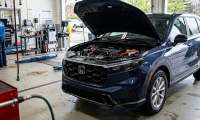
Dealership service logs show that service advisors are clearing "Critical Failure Detected" codes with simple 12-volt battery resets rather than replacing the physical steering gear. This temporary software patch guarantees that the steering system will bind again once the internal gearbox components reach operating temperature. As a senior reporter tracking long-term product reliability, I see a clear gap between dealerships' verbal assurances and documented automotive safety.
In my technical anchor investigation, Why Your Honda CR-V Hybrid Steering Can Suddenly Lock Up On The Highway And How To Fix It, I explored the mechanical failure points where internal gear teeth swell and overtax the vehicle’s electrical bus. Today, we are shifting our focus to the practical consumer action plan you need to protect your safety and your financial investment.
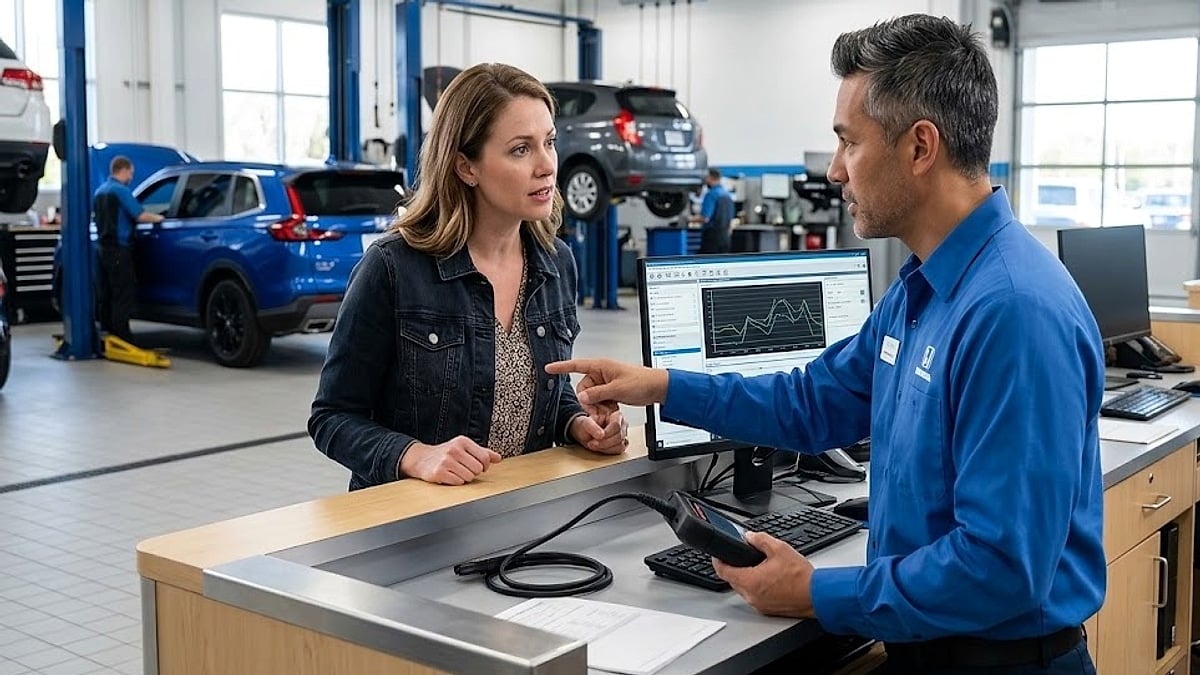
"The dealer told me they just needed to reset the computer and change the 12V battery because it threw a generic communication code," shared one crossover owner on an online support forum. "Two days later, the steering wheel went completely stiff on the highway again while my family was in the car, and now they say the steering rack is on backorder for at least eight weeks."
The Dealership Friction Point and the 45 MPH Reset Trap
Based on my 30 years of mechanical experience, the real danger with this manufacturing defect isn't the vehicle itself, but navigating a service department that misdiagnoses mechanical failures as electrical glitches. When engine-bay heat causes the internal plastic worm wheel in the steering gearbox to expand, it creates a distinct physical binding or "sticky" sensation at speeds above 45 mph.
Because this is a mechanical tolerance failure rather than an electronic one, diagnostic scanners won't show a component code, but will instead reveal a cascade of low-voltage communication faults triggered by the steering motor's massive current draw. To avoid expensive, labor-intensive warranty-steering rack replacements, service centers frequently try to clear the codes, install a fresh 12V battery, and falsely claim that a software glitch solved the issue.
You must flatly reject this explanation because clearing a computer code cannot fix a physically swollen plastic gear tooth; once the gearbox reaches operational temperatures on the road, the mechanical binding will inevitably return, overtax your electrical system, and trigger a dangerous highway limp-mode lockdown.
The Dual-Threat Quality Narrative Hit
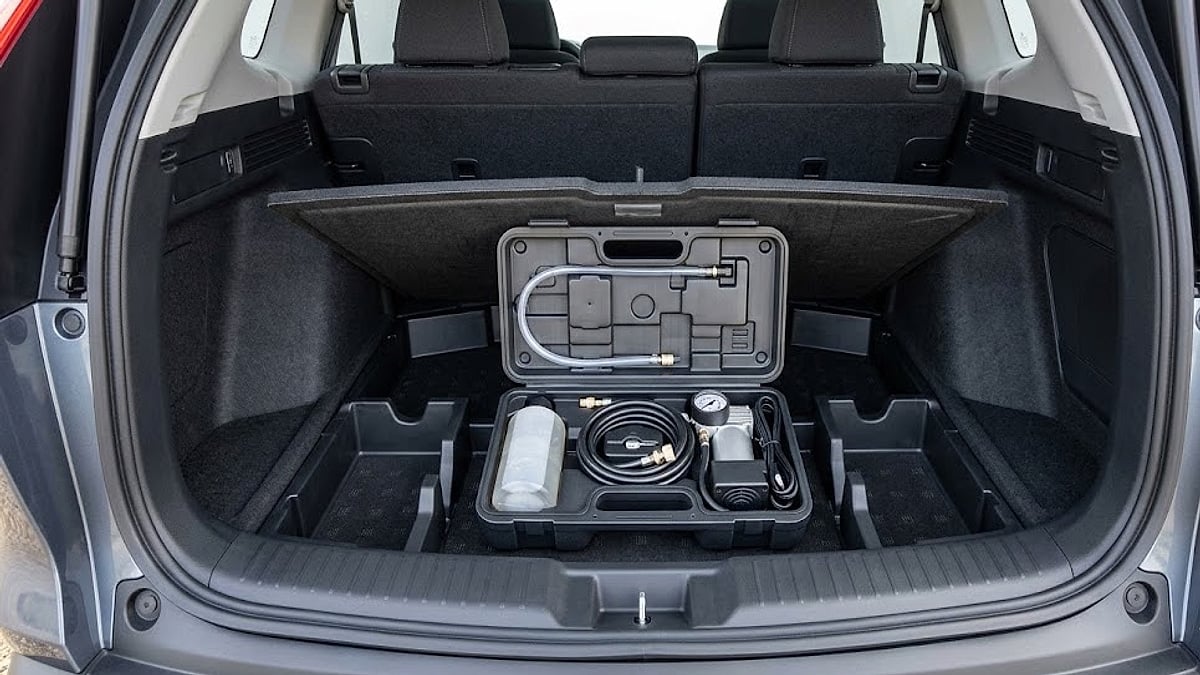
Compounding this mechanical crisis is a fresh safety hazard right in the cargo area. On June 11, 2026, American Honda issued a massive voluntary safety action covering over 1 million vehicles, including 2023 through 2026 model-year CR-V Hybrids, due to defective factory tire repair kits. This safety campaign highlights a systemic drop in Tier-1 component quality control that modern hybrid buyers are forced to deal with firsthand.
According to the official federal filings in NHTSA Safety Campaign 26V366000, the design of the emergency tire sealant bottle included an unnecessary one-way fluid valve that fails to account for normal operational pressure. Worse, the supplier improperly adjusted the built-in relief valves during factory assembly, preventing excess pressure from escaping.
Not a Scene You Want To Experience
If you attempt to use the kit during a roadside flat, pressure builds rapidly inside the plastic canister until the bottle cap violently detaches. This turns a standard roadside trunk accessory into a dangerous projectile capable of causing significant personal injury to users or bystanders.
This means current CR-V Hybrid owners are caught in a dual-threat safety loop: they are driving a vehicle vulnerable to sudden high-speed steering shutdowns, while carrying an emergency tire kit in the trunk that could literally explode if they get a flat tire.
High-Altitude Stresses and Rocky Mountain Field Data
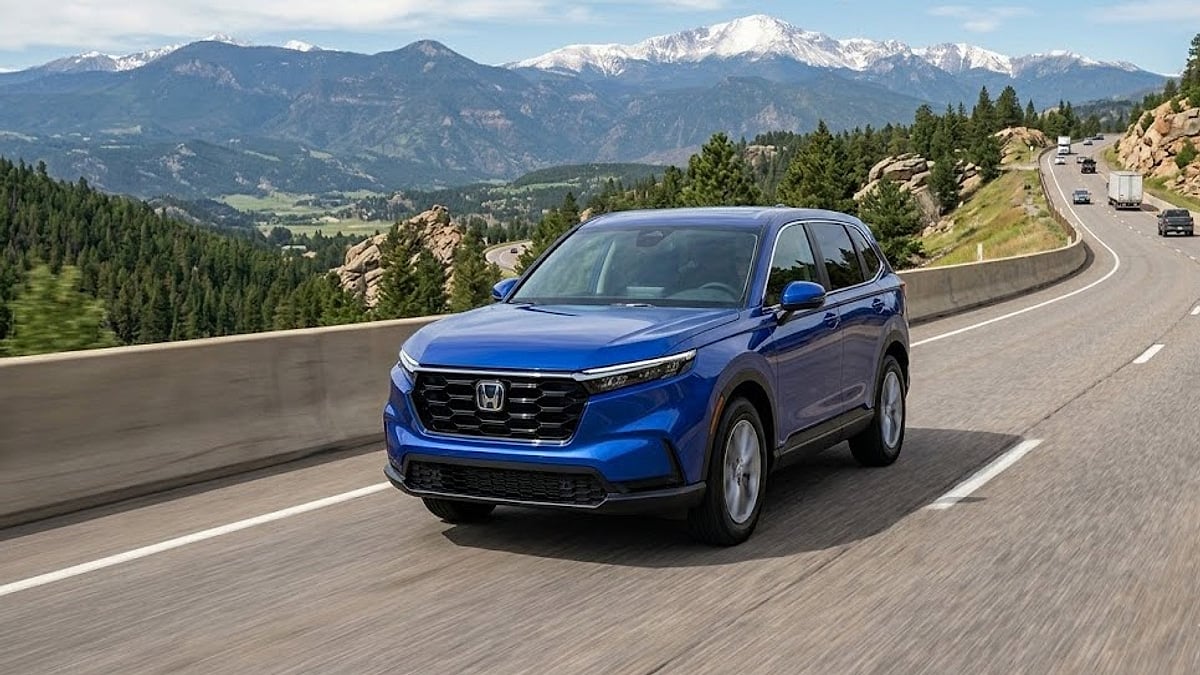
Our regional data show that these interconnected failures peak during specific seasonal driving windows. Here in Colorado, high-altitude highway sections like Floyd Hill and the approach to the Eisenhower Tunnel force the hybrid powertrain into a sustained, direct-drive state to maintain speed against the grade. This continuous high-load operation spikes underhood temperatures far faster than flatland commuting does.
When you combine a 90-degree summer day with a 6% highway incline, the steering gear experiences extreme thermal heat soak, causing the internal components to expand and bind. If you experience a flat tire under these high-altitude conditions, you are forced to pull onto a narrow mountain shoulder and use a tire kit already hot from the climb, which multiplies the risk of an internal pressure failure.
From My View
When a manufacturer places a critical safety component, like a CR-V Hybrid steering rack, on national backorder, service managers often downplay the safety concern, managing loaner fleets and minimizing open repair orders to protect corporate metrics rather than your safety.
If you experience steering stiffness or a "Critical Failure" dash light, you must establish a clear paper trail from day one and refuse verbal promises that the car is safe to drive. Should the dealership deny a loaner vehicle, immediately demand that a shop manager sign a written safety diagnosis, assuming liability for the unrepaired steering system.
Forcing this legal accountability almost always compels the dealership to immediately locate a loaner car or escalate your parts order to a "Critical Vehicle Off Road" priority status.
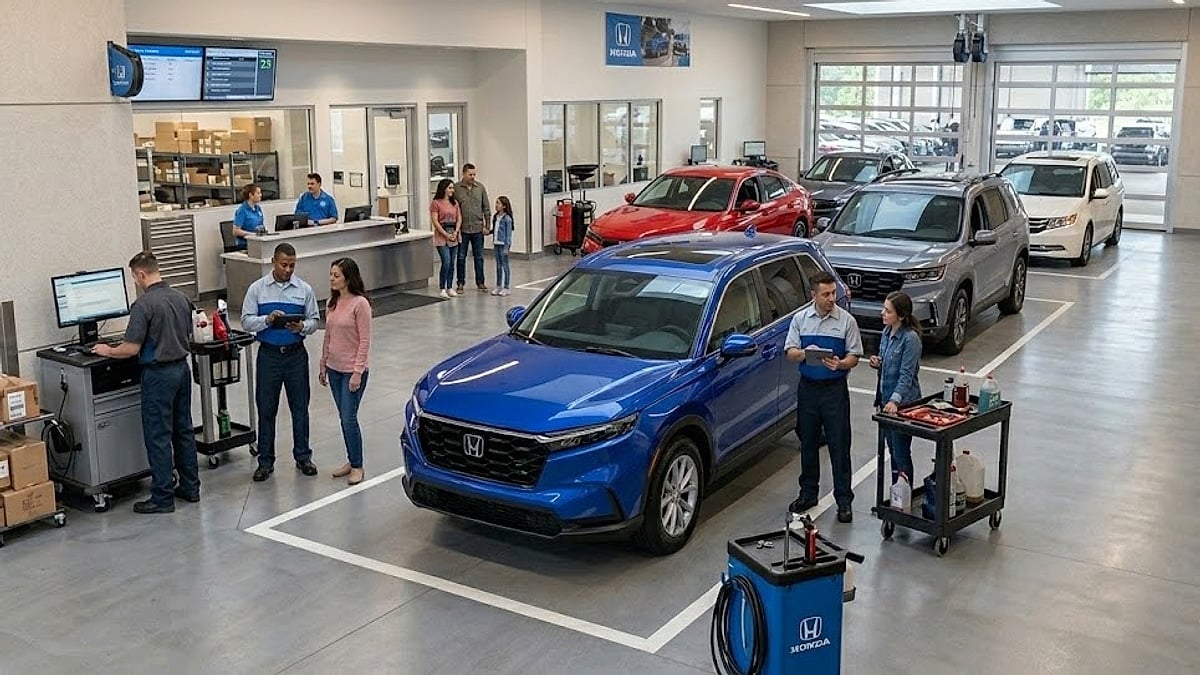
The Paper Trail Protection Action Plan
If you suspect your hybrid crossover is experiencing internal steering gear binding, use this exact step-by-step framework to protect your legal and financial rights under state statutory lemon laws:
- Request a complete printout of the diagnostic health check from the OBD-II scan tool, ensuring that all low-voltage communication fault codes are explicitly printed on your customer copy of the repair order.
- Mandate that the technician notes include a physical verification of steering wheel rotation resistance, specifically ensuring that the words "steering gear binding" or "notchy steering feel" are recorded in the permanent vehicle history log.
- Track the exact number of cumulative calendar days your vehicle sits in the shop or on the dealership lot awaiting backordered parts, as most state lemon laws trigger an automatic buyback once a vehicle is out of service for 30 total days.
- Instruct the service department to formally log a "Critical Part Restriction Escalation" with the manufacturer's regional parts distribution center to move your vehicle to the front of the component replacement queue.
Key Takeaways
- Reject Soft Fixes: Refuse simple computer code resets or 12V battery replacements if you are experiencing a physical, mechanical stickiness in your steering wheel above 45 mph.
- Track Open Days: Document every calendar day your vehicle remains out of service due to backordered parts to build a valid legal foundation for a statutory lemon law claim.
- Isolate Tire Kits: Avoid using the trunk-mounted emergency tire sealant bottle until a certified technician has formally replaced the defective pressure relief valves.
Honda Newsroom - Force Official Signatures: Compel service management to provide written, signed vehicle safety statements if they deny you a replacement loaner car due to backordered components.
What is the Next Logical Question?
What should an owner do if the dealership confirms their steering rack is backordered but refuses to provide a complimentary corporate loaner car? When a critical safety component faces a national supply shortage, the manufacturer allocates a specific budget for third-party rental-vehicle reimbursements. Owners must know how to bypass local service advisors and contact regional factory case managers directly to unlock these alternative transportation funds.
Navigating Corporate Case Escalation
My upcoming consumer guide will provide the exact contact directories and escalation scripts needed to initiate a formal case review with corporate customer care teams. We will show you how to turn a standard dealership backorder delay into an expedited vehicle replacement priority.
How About You? Has your local dealership tried to clear your dashboard warning lights with a basic battery change instead of ordering a physical steering rack? Tell us what you think and share your service department experiences by leaving a comment in the red Add new comment link below.
Come back tomorrow… or check my Torque News Home Page for more of my informative automotive news articles.
About The Author
Denis Flierl is a 14-year Senior Reporter at Torque News and a member of the Rocky Mountain Automotive Press (RMAP) with 30+ years of industry experience. Explore his full investigative reporting archives and technical guides at DenisFlierl.com. Based in Parker, Colorado, Denis leverages the Rockies' high-altitude terrain as a rigorous testing ground to provide "boots-on-the-ground" analysis for readers across the Rocky Mountain region, California EV corridors, the Northeast, Texas truck markets, and Midwest agricultural zones. A former professional test driver and consultant for Ford, GM, Ram, Toyota, and Tesla, he delivers data-backed insights on reliability and market shifts. Denis cuts through the noise to provide national audiences with the real-world reporting today’s landscape demands. Connect with Denis: Find him on LinkedIn, X @DenisFlierl, @WorldsCoolestRides, Facebook, and Instagram.
Photo credit: Denis Flierl
Set Torque News as Preferred Source on Google
Follow us today...