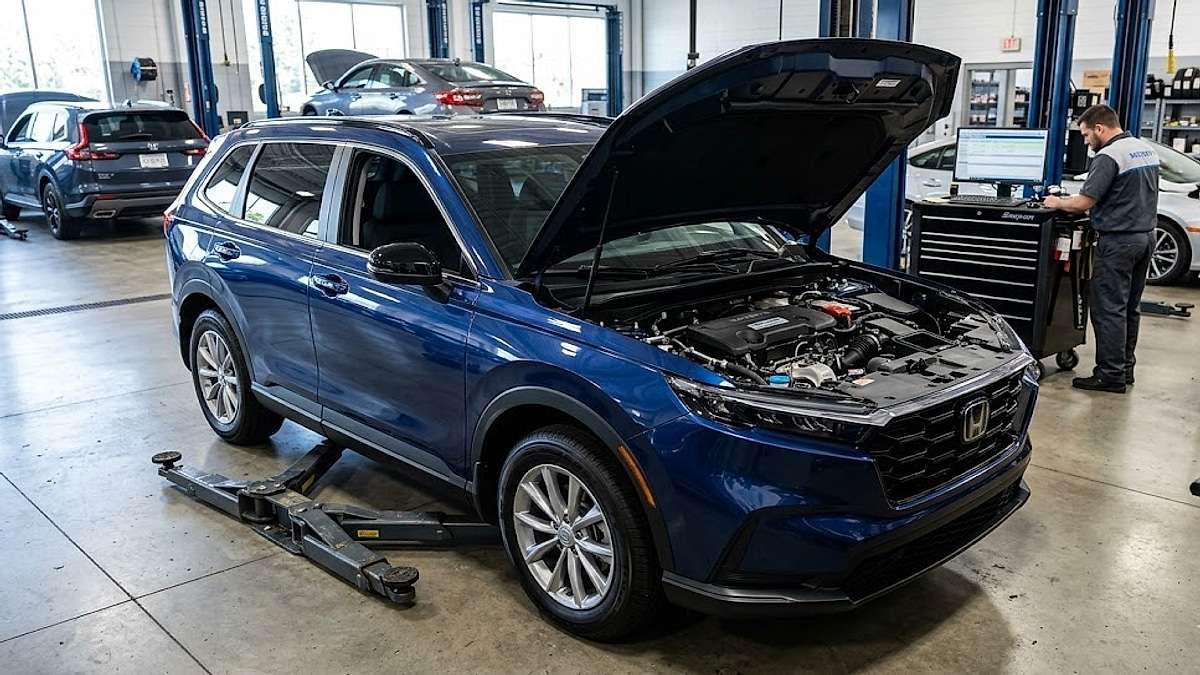

An investigative analysis by Torque News reveals that cascading dashboard alerts on the 6th-generation Honda CR-V Hybrid platform indicate a major technical vulnerability under heavy load. A high-voltage draw during incline driving can cause an extreme current demand on the Electronic Power Steering system.
This spike triggers an immediate voltage drop across the local controller area network bus, causing the vehicle control modules to panic and drop into a protective failsafe mode. This breakdown reveals a clear gap between factory validation parameters and real-world high-stress conditions.
According to ongoing Torque News by Denis Flierl tracking of manufacturing defects, a severe technical vulnerability has surfaced within the 6th-generation Honda CR-V Hybrid powertrain and chassis control interface. Brand-new crossover vehicles are exhibiting catastrophic dashboard communication errors that completely disable primary driver assist networks under high-load driving conditions.
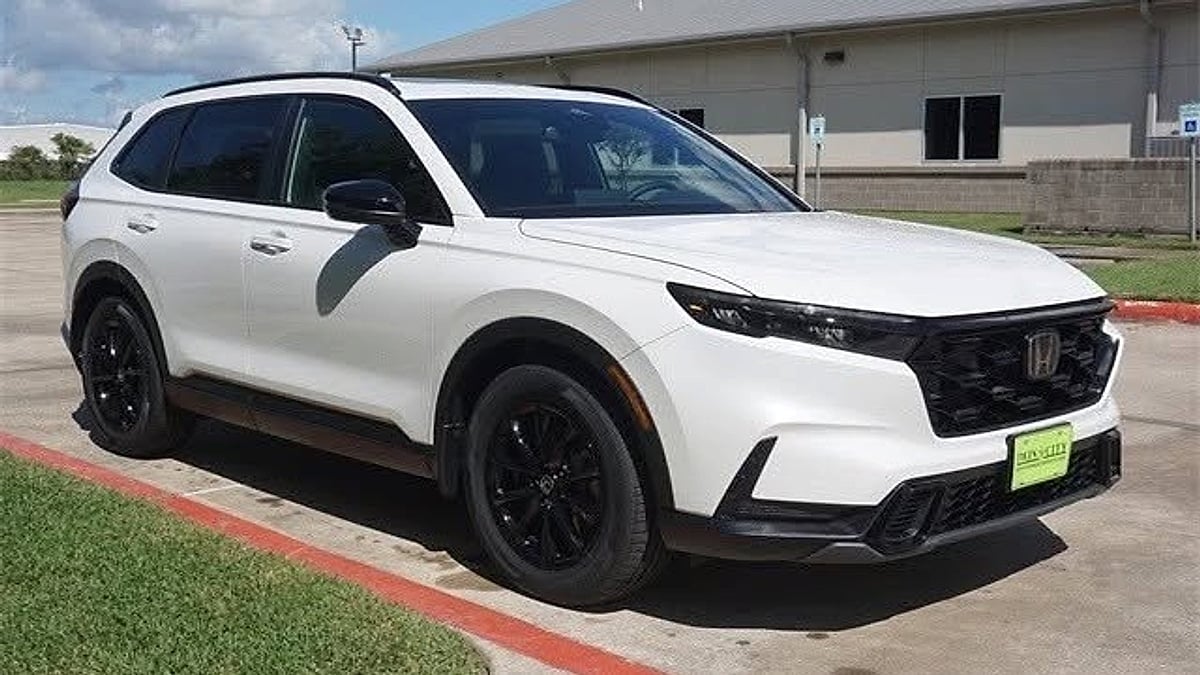
We identify a critical gap between factory maintenance schedules and real-world component longevity. This problem manifests as an immediate, cascading electronics failure that drops the vehicle into a hazardous limp-home operation mode.
In our continuous coverage of Honda reliability, Senior Reporter Denis Flierl, with 30 years of experience, has uncovered an unresolved dispute regarding how the hybrid drivetrain interacts with the Electronic Power Steering assembly.
The underlying issue centers on localized voltage drops that overwhelm the vehicle controller area network bus when navigating sustained highway inclines. When the powertrain transitions into elevated-torque phases, the electrical architecture fails to maintain a stable operating voltage across individual electronic control units. This power reduction causes critical safety components to misinterpret temporary electrical strain as a permanent hardware failure.
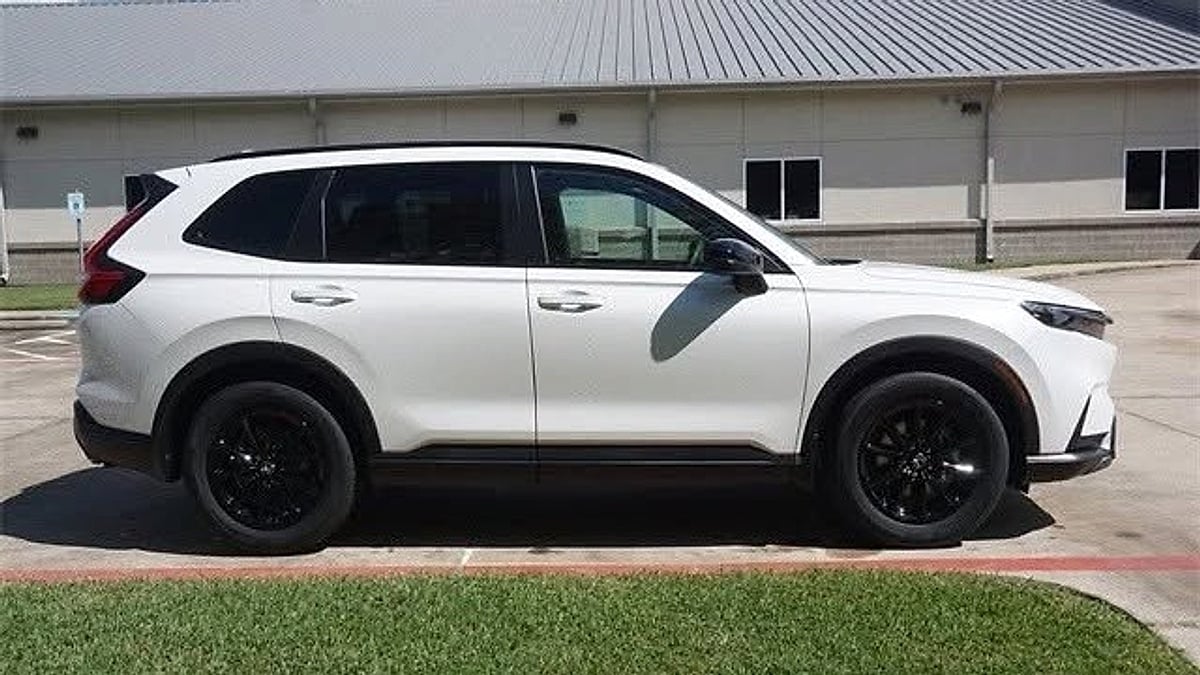
The mechanical failure came to light through firsthand operational data shared within owner networks. Luis Villa from Texas posted on the Honda CR-V 2023-2026 Discussion Club - 6th Generation Facebook page to detail a sudden system breakdown during a highway trip. He noted that he chose the 2026 Honda CR-V Hybrid Sport without realizing it had fewer upgrades compared to the 2025 model year.
Luis says the vehicle began to stutter while traveling uphill on a bridge at just 13,000 miles, which was immediately followed by multiple warning alerts on the instrument cluster. The primary display flashed a Critical Failure Detected alert instructing him to stop driving when safe, while a secondary warning indicated a Power Steering Problem with reduced assist.
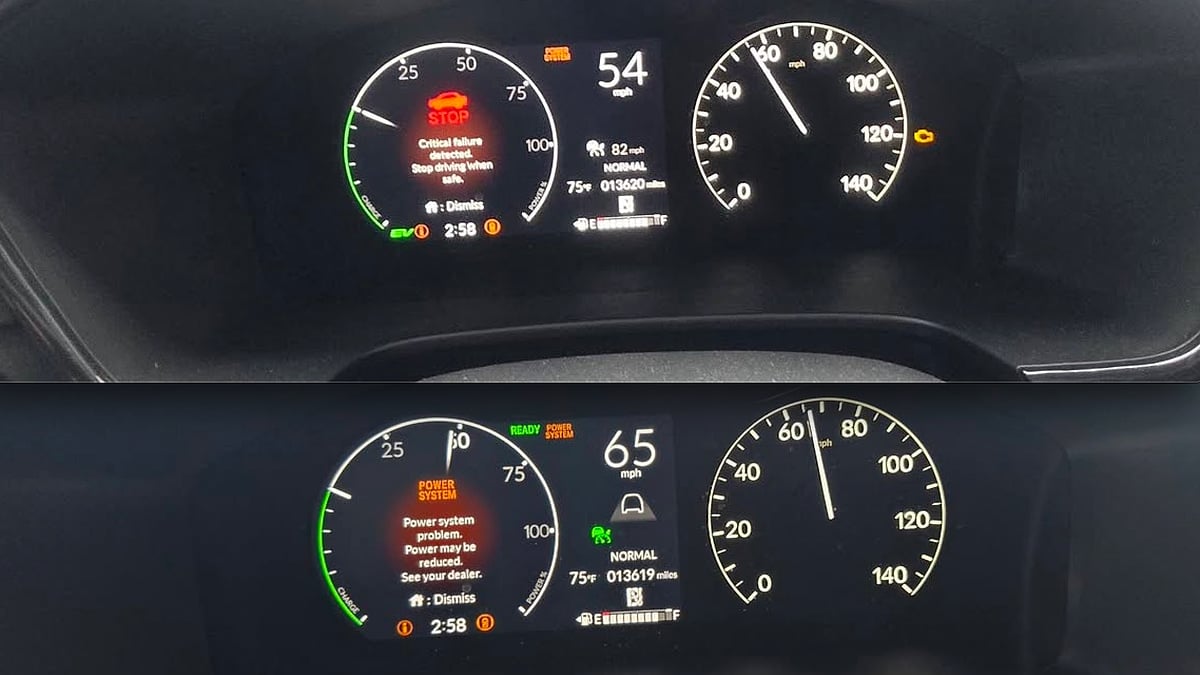
The owner expressed deep frustration over facing these severe mechanical failures on a brand-new vehicle well before reaching typical service milestones, comparing the experience to past reliability issues with European luxury brands.
Technical Root Cause Analysis of the Cascading Electronics Error
Under NHTSA Recall 24V-744, the 6th-generation Honda CR-V’s steering gearbox contains an improperly manufactured internal worm wheel that swells in response to environmental heat and moisture, stripping away grease and compounding internal friction against an excessive spring preload.
When a driver makes sudden steering adjustments under heavy load, such as when the hybrid system shifts to a high-load, direct-drive state on steep inclines, the rack-mounted Electronic Power Steering (EPS) motor must work significantly harder to overcome this severe mechanical drag.
This forced resistance causes the EPS motor to draw massive current from the shared low-voltage network, overwhelming the heavily loaded DC-DC converter and pulling the 12-volt chassis network below a critical 10-volt threshold for a fraction of a second.
Connecting Mechanical Friction to Component Voltage Drops
This localized voltage drop causes the primary chassis control module to lose communication with the steering processor instantly, generating a hard fault code and illuminating multiple dashboard warning lights. To protect internal components from this perceived major failure, the main computer triggers an immediate protective shutdown of all power assistance, forcing drivers to suddenly navigate traffic with a heavy, manual rack-and-pinion setup.
This systemic intersection of mechanical stress and electrical vulnerability mirrors broader engineering patterns across the manufacturer's lineup, much like the Honda hybrid head gasket issues analyzed by Denis Flierl, where high thermal and mechanical loads trigger premature component failures.

Regional Environmental Factors and High-Altitude Vulnerabilities
When driven through demanding, high-altitude mountain corridors, hybrid powertrains face extreme thermal and mechanical loads as the internal combustion engine runs at high RPMs and pulls maximum energy from the battery pack to maintain highway speeds. Negotiating tight, elevated curves under these conditions raises under-hood temperatures, which thins steering gear grease and increases internal friction in the steering rack.
To overcome this severe physical resistance, the electric steering motor draws excessive current that can easily overwhelm a hot, heavily stressed DC-DC converter, ultimately triggering a sudden low-voltage event. These rigorous operational boundaries expose how pushing components to their absolute limits leaves zero margin for error when facing real-world challenges.
This delicate balance between tight engineering tolerances and sudden mechanical breakdown mirrors vulnerabilities in other industries, such as the Torque News investigation into Toyota Tundra engine debris, which illustrates how minor production defects can trigger catastrophic, real-world component failures under everyday driving conditions.
Step-by-Step Consumer Action Plan
- If your vehicle experiences a sudden reduction in power steering assist accompanied by dashboard warnings, grip the steering wheel firmly with both hands, carefully guide the vehicle out of traffic to a safe area, and bring it to a complete stop.
- Once stopped, turn the vehicle completely off, wait two full minutes for the onboard computers to power down, restart the engine, and take clear photos of the instrument cluster if the error messages remain active.
- Next, contact an authorized dealership service department immediately to schedule an urgent diagnostic appointment, and explicitly state that the vehicle experienced a critical steering failure at highway speeds.
- Finally, when collecting the vehicle, demand a detailed, printed copy of the repair order that specifies all diagnostic fault codes, electrical test measurements, and parts replaced.
- Retain these records in a secure file to preserve your warranty rights, track the repair timeline, and establish a paper trail for future consumer protection or safety claims.
Key Takeaways
- Identify early dashboard warnings by documenting any cascading error messages that appear together during highway operation.
- Monitor the physical feel of your steering wheel for any subtle stickiness or increased resistance when driving through long curves.
Verify whether your vehicle's identification number is included in active safety recalls covering defective steering gear assemblies. - Maintain a complete file of all dealership service visits, diagnostic printouts, and component replacement receipts for future reference.
Field Observations from Owner Communities
Real-world feedback from owner forums confirms that these sudden electronics and steering failures are becoming increasingly common across the country. In a recent technical discussion on r/crv, an owner reported that the steering wheel would suddenly tighten up and feel sticky when driving on the highway at speeds above 45 miles per hour.
From my 30 years of experience, this behavior matches how an electric steering system reacts when internal mechanical components swell and bind up under the hood heat, as discussed in the full discussion on the Reddit CR-V Sticky Steering Thread.
Another owner on a separate automotive forum highlighted the severe safety risks associated with this component defect, noting that the steering wheel can momentarily lock up or resist driver input when making minor lane adjustments on the highway.
This safety concern aligns perfectly with official manufacturing findings detailed in the automotive industry analysts' Wards Auto Honda Steering Gear Defect Report, which explained that production flaws inside the gearbox housing can cause extreme friction that overwhelms the steering assist system.
Unresolved Engineering Questions
What long-term impact will these recurring low-voltage drop events have on the sensitive secondary control modules across the rest of the vehicle's electrical network? While replacing a binding steering rack fixes the immediate mechanical friction issue, the sudden electrical surges and voltage drops could be causing hidden wear on nearby electronic components. Time will tell if these vehicles experience an increase in unrelated electronic component failures as they accumulate more miles and age.
Final Verdict: The combination of electrical dropouts and mechanical binding within the power steering assembly represents a significant engineering challenge for modern hybrid crossovers. Resolving this issue requires a careful approach that combines precise factory recall updates with thorough electrical diagnostic work at the dealership level.
How About You? Have you noticed a sticky feel in your steering wheel or had a sudden warning light pop up on your dashboard while driving your hybrid crossover? Tell us what you think and share your experience by leaving a comment in the red Add new comment link below.
What’s Next in Our Honda CR-V Series
In our upcoming follow-up consumer report, we will look at the practical steps owners can take when dealing with backordered steering parts and unresponsive dealership service departments. The next article, titled A 2026 Honda CR-V Hybrid Displays The 'Critical Failure Detected' Steering Warning - Why Backordered Parts and Diagnosis Won’t Be Easy, will offer an in-depth guide on negotiating for a replacement vehicle, tracking regional parts availability, and using consumer protection laws to resolve ongoing service disputes.
Come back tomorrow, or check our Torque News Home Page for more of Denis Flierl's interesting automotive news articles.
About The Author
Denis Flierl is a 14-year Senior Reporter at Torque News and a member of the Rocky Mountain Automotive Press (RMAP) with 30+ years of industry experience. Explore his full investigative reporting archives and technical guides at DenisFlierl.com. Based in Parker, Colorado, Denis leverages the Rockies' high-altitude terrain as a rigorous testing ground to provide "boots-on-the-ground" analysis for readers across the Rocky Mountain region, California EV corridors, the Northeast, Texas truck markets, and Midwest agricultural zones. A former professional test driver and consultant for Ford, GM, Ram, Toyota, and Tesla, he delivers data-backed insights on reliability and market shifts. Denis cuts through the noise to provide national audiences with the real-world reporting today’s landscape demands. Connect with Denis: Find him on LinkedIn, X @DenisFlierl, @WorldsCoolestRides, Facebook, and Instagram.
Photo credit: Denis Flierl via Luis Villa
Set Torque News as Preferred Source on Google
Follow us today...