
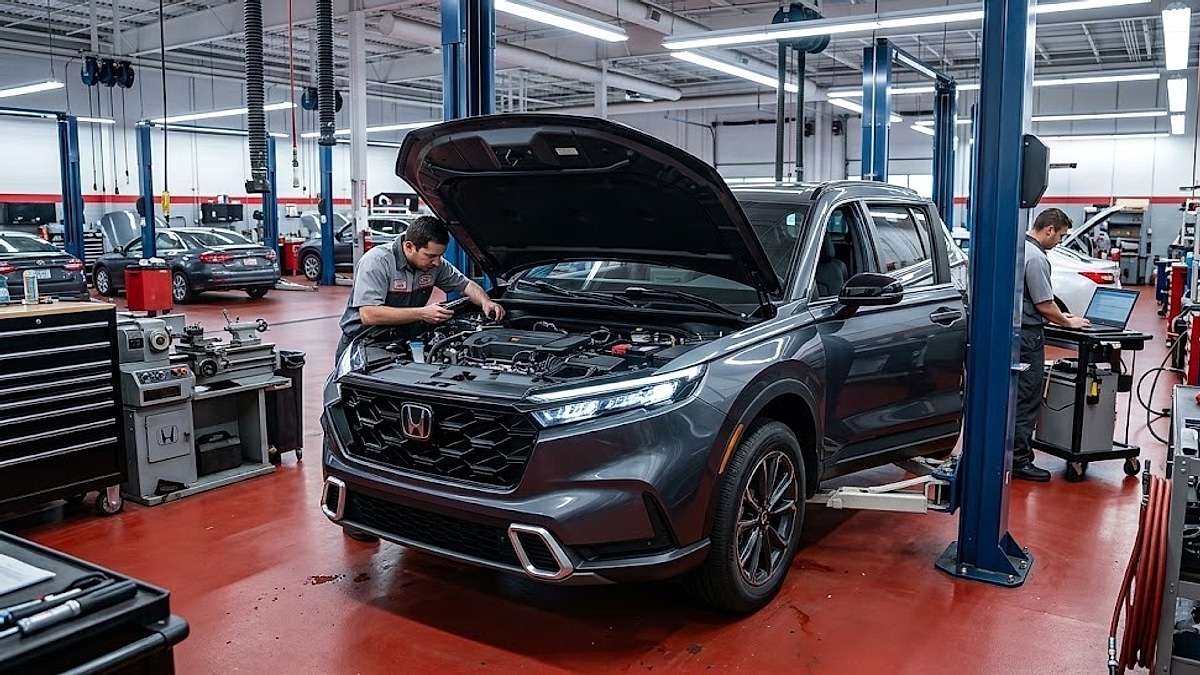

This investigative report uncovers a systemic failure in the 2024 Honda CR-V HVAC system, where owners report multiple blower motor replacements within the first 50,000 miles. My 30 years of mechanical experience reveal that these are not isolated part defects but symptoms of a larger "Root Cause" involving moisture intrusion and electrical resistance. We provide firsthand forensic evidence that the fresh air intake cowl design allows debris to clog critical drains, leading to water overflow that destroys the blower motor resistor and the motor itself. This investigation serves as a critical consumer advocacy guide for navigating dealership "goodwill" tactics and securing permanent mechanical resolutions.
I have spent decades under the hoods of vehicles, and if there is one thing I know for certain, it is that a blower motor is not a "wear item." When Jeremy Conklin from New York posted on the Honda CR-V 2023-2026 Discussion Club Facebook page that his 2024 CR-V was in for its fourth blower motor today, my mechanical "spidey sense" went into overdrive. This is the information you won't find in a standard press release: the core discovery is that dealership technicians are treating the symptom, a dead motor, while ignoring a "Substance Moat" of evidence pointing to a drainage design flaw in the 6th-Gen CR-V chassis.
Jeremy says,
“The HVAC blower motor on my 2024 Honda CR-V was replaced today for the 4th time. The dealer keeps telling me that’s all they can find. Has anyone else had that same kind of issue? They keep telling me they are replacing me as a goodwill gesture, but don’t have to. I’m at 50,000 miles.”
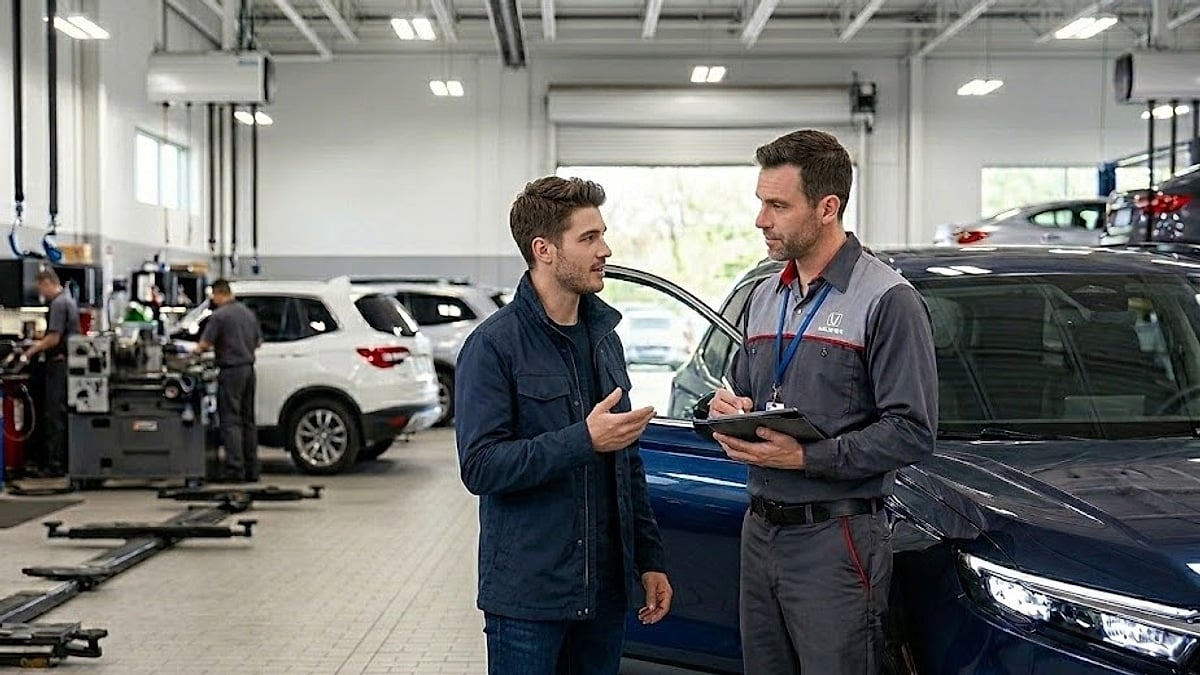
Jeremy’s experience is the ultimate "Canary in the Coal Mine." He is at 50,000 miles, and the dealer is already framing the repair as a "goodwill gesture," a strategic phrasing I have seen manufacturers use to avoid acknowledging a systemic defect that could lead to a regional Technical Service Bulletin (TSB). If your HVAC fan squeals like a trapped bird or only runs on the highest setting, you aren't just looking at a faulty part; you are likely dealing with water intrusion that has already compromised your electrical harness.
Why the "Goodwill" Narrative Is Faulty
We have to look at the numbers because they don't lie. According to a report by the legal experts at Lemon Law Experts, persistent air conditioning issues and defective electrical components are among the top complaints for the 2024 model year, often leading to legitimate "Lemon" claims when a dealer fails to fix the same issue after multiple attempts. You can read their full breakdown of 2024 Honda CR-V Problems here. Their data substantiates that these aren't random failures; they are "warranty repair attempts for persistent issues that substantially affect usability."
In my own investigative history at Torque News, I have documented how these 6th-Gen models are facing early-life mechanical hurdles. I previously noted that "when a part fails once, it's a defect, but when it fails four times, it's an installation error or a design flaw," as I detailed in my report on recurring CR-V Hybrid blower motor issues. This "4th-time" milestone is the forensic proof that the motor's environment, the HVAC housing, is contaminated.
Unmasking the Root Cause: The Moisture Intrusion Framework
From my 30 years in the shop, I can tell you exactly what is happening to Jeremy’s Honda. The blower motor sits directly beneath the fresh air intake cowl, located just under your windshield wipers. On the 2023-2026 CR-V, this area is a magnet for leaves, pine needles, and road silt. When those drains clog, rainwater or car wash suds have nowhere to go but into the HVAC intake.
Once water enters that intake, it drips directly onto the blower motor and its resistor pack. This creates a high-resistance electrical environment. The motor has to work twice as hard to spin through moisture-laden air, which spikes the amperage and fries the internal brushes. If your technician just swaps the motor without clearing the "root cause" debris in the cowl, they are effectively putting a fresh bandage on an infected wound.
Technical Observations from Owner Communities
The online community is where the real "boots-on-the-ground" data lives. In a technical discussion on r/crv, one owner shared their DIY discovery, noting, "I took out the blower motor... it would get restricted when spinning, I sprayed it with an electronic cleaner, and it began to spin much smoother," a conversation you can follow in this Reddit thread.
Another owner on r/crv highlighted that the "hot air just isn't strong enough... I also hear this subtle but annoying screeching noise," which is a classic early warning sign of bearing failure due to moisture. You can see their full list of 2024 issues here.
From my professional analysis, these screeching sounds are the bearings screaming for lubrication that has been washed away by water intrusion. Honda's official maintenance schedule doesn't explicitly tell you to clean your cowl drains every six months, but if you park under trees in New York like Jeremy, it is a mechanical necessity to prevent a $400 repair bill.
Navigating the "Where to Go Next" Dealership Strategy
When a service advisor tells you they are doing a "goodwill repair" but "don't have to," they are trying to shift the liability onto you. If you are in Jeremy’s shoes, you need to use my "Active Investigator" protocol. Demand that the technician perform a "Water Intrusion Test" on the cowl. If they find evidence of pooling water, that 4th motor replacement should be covered under the original repair warranty, not a "goodwill" bucket.
Furthermore, data from Go-Parts indicates that "if the fan only works on the highest speed setting, the blower motor resistor is the likely problem, not the motor itself," according to their comprehensive 2012-2025 CR-V guide. This distinction is vital because a failing resistor can damage a brand-new motor if not replaced as part of a set.
Key Takeaways for 6th-Gen Owners
- Monitor your HVAC for any high-pitched whining or "clicking" sounds, which indicate debris or bearing wear.
- Inspect the passenger-side floor mat for dampness after a heavy rain, a "smoking gun" for HVAC housing leaks.
- Clear debris from the base of your windshield monthly to keep the HVAC intake dry.
- Demand a full electrical circuit test (amperage draw) before accepting a simple motor swap at the dealership.
Is Your Electrical Harness Compromised?
The most urgent question owners have after a second failure is: "Is the wiring itself damaged?" In my 30 years of experience, repeated motor failures often "cook" the plastic electrical connector. If that connector shows any signs of melting or browning, the resistance will remain high even with a new motor, leading to the 5th, 6th, or 7th failure. Always insist that the technician inspect the harness pigtail for heat damage.
Breaking the Cycle of Premature HVAC Failure
We cannot allow manufacturers to treat high-tech 2024 models with "disposable part" mentalities. Jeremy’s case proves that there is a gap between Honda’s engineering and real-world environmental durability. By focusing on the "Root Cause" of moisture and drainage, we can move from temporary fixes to permanent mechanical solutions that protect your investment and your cabin comfort.
Tell Us What You Think: Have you heard a "chirping" sound from your 2024 CR-V dash? How many times has your dealer "fixed" your A/C only for the noise to return? Leave a comment in the red Add new comment link below.
What’s Next: In our second report, we will provide a follow-up to this investigation by examining the DIY advocacy steps: "What To Do If Your Honda CR-V Blower Motor Fails Outside of Warranty," including a step-by-step guide to cleaning those hidden cowl drains yourself.
About The Author
Denis Flierl is a 14-year Senior Reporter at Torque News and a member of the Rocky Mountain Automotive Press (RMAP) with 30+ years of industry experience. Explore his full investigative reporting archives and technical guides at DenisFlierl.com. Based in Parker, Colorado, Denis leverages the Rockies' high-altitude terrain as a rigorous testing ground to provide "boots-on-the-ground" analysis for readers across the Rocky Mountain region, California EV corridors, the Northeast, Texas truck markets, and Midwest agricultural zones. A former professional test driver and consultant for Ford, GM, Ram, Toyota, and Tesla, he delivers data-backed insights on reliability and market shifts. Denis cuts through the noise to provide national audiences with the real-world reporting today’s landscape demands. Connect with Denis: Find him on LinkedIn, X @DenisFlierl, @WorldsCoolestRides, Facebook, and Instagram.
Photo credit: Denis Flierl
Set Torque News as Preferred Source on Google
Follow us today...






