
This action-oriented consumer advocacy report serves as a follow-up to our technical investigative anchor, "Root Cause Analysis: Why 6th-Gen Honda CR-V HVAC Blower Motors Are Failing Prematurely." While our first report identified the moisture intrusion design flaw, this guide provides the immediate next steps for owners facing out-of-pocket repair costs.
Out-of-Warranty Honda CR-V Blower Motor Failure: A Consumer Advocacy Action Plan
If you are staring at a $600 estimate from a dealer because your 2024 Honda CR-V's HVAC fan has quit after the 36,000-mile mark, you are likely feeling the same frustration as the owners we profiled in our initial investigation into recurring 6th-Gen blower motor failures. In my 30 years of automotive consulting, I have seen that the "warranty" is often just a suggestion when a part has a documented history of premature failure. This is your practical roadmap to ensuring you don't pay for Honda’s design oversight.

The "Goodwill" Negotiation: Your First Line of Defense
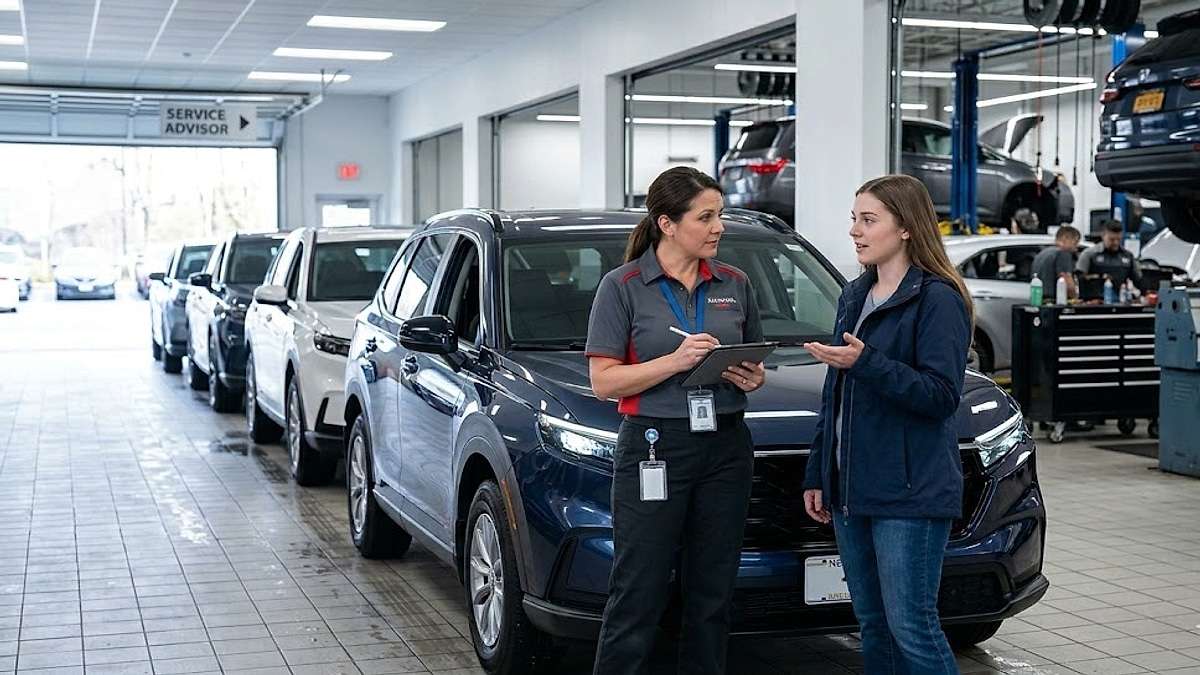
When your blower motor fails at 40,000 or 50,000 miles, the service advisor will likely tell you that you are "out of coverage." However, because this issue is becoming a frequent topic in 6th-Gen CR-V circles, you have leverage. A "Goodwill Adjustment" is a secret pot of money every service manager has for loyal customers or for parts that shouldn't have failed yet.
To win this negotiation, do not ask for a discount; ask for a "Case Escalation." Mention that you are aware of the moisture intrusion issues documented by investigative reporters. If the dealer refuses, your next step is to call American Honda’s Customer Service line and open a formal case. Remind them that a blower motor is expected to last 100,000 miles, and a failure at 50,000 miles constitutes a "premature mechanical deficiency."
Why Colorado and New York Owners Are at Higher Risk
In my local testing grounds in Parker, Colorado, we see a specific environmental factor that accelerates these failures. The high-altitude freeze-thaw cycles in the Rockies can cause ice buildup in the cowl area, cracking the plastic drain baffles. When that ice melts, it flows directly into the HVAC intake. Similarly, New York owners like Jeremy Conklin deal with heavy seasonal debris and road salt that clogs the drainage "scuppers."

If you live in these regions, your argument to the manufacturer is even stronger. These are "Environmental Stress Failures" that the vehicle should have been engineered to withstand. I have previously discussed how the high-altitude Rocky Mountain terrain serves as the ultimate filter for identifying these weak points before they become the subject of national recalls.
The "Cowl-Clear" DIY Protocol: Preventing the Next Failure
If you decide to pay for the repair or do it yourself, you must address the root cause; otherwise, you will have to replace the motor again in 12 months.
- Pop the Hood and Locate the Cowl: At the base of the windshield, there is a plastic screen.
- The Debris Trap: Use a shop vac to remove every leaf, twig, and pine needle.
- Water Flow Test: Pour a cup of water into the corner of the cowl. If it doesn't immediately exit behind the front wheel well, your drains are clogged.
- Clear the Scuppers: Use a flexible weed-eater line to gently snake the drain tubes.
By ensuring water can escape the vehicle's body as intended, you remove the moist environment that fries the blower motor resistor. This simple 10-minute maintenance task is the only way to avoid the "4-replacement cycle" Jeremy Conklin experienced.

Lemon Law and the "Reasonable Number of Attempts"
For owners like Jeremy, who have had the motor replaced four times, the "Out of Warranty" status might actually be irrelevant. If your first failure occurred within the warranty period and the dealer failed to fix the "Root Cause," the repair is technically still an open warranty issue.
I recommend keeping every single service record. In many states, a "Reasonable Number of Attempts" is three. If you are on your fourth motor, you may have a "Lemon" on your hands, regardless of your current mileage. Consulting a consumer-advocate lawyer specializing in automotive electrical defects is a high-authority move that can result in a vehicle buyback or a significant cash settlement.
Final Practical Takeaways
- Document Everything: Save every receipt, even for "Goodwill" repairs, as they serve as evidence for future class-action participation.
- Check the Resistor: Never replace a blower motor without also replacing the blower motor resistor; a "half-fix" is a guaranteed path to a repeat failure.
- Monitor Humidity: If your windows fog up excessively in winter, your HVAC housing likely has standing water.
- Join the Conversation: Stay active in owner forums to see if a formal TSB (Technical Service Bulletin) has been issued for your specific VIN.
Conclusion: Toward a Permanent HVAC Solution
The failure of a 2024 Honda CR-V blower motor outside of warranty is more than a financial nuisance; it is a mechanical signal that the vehicle's drainage system requires owner intervention. By combining dealership advocacy with proactive "Cowl-Clear" maintenance, you can break the cycle of repeated failures and enjoy a reliable cabin environment. We are committed to tracking this issue until a permanent manufacturing fix is announced.
How About You? Have you been asked to pay for a repair that you feel should have been covered by a recall? Have you cleared your cowl drains only to find a forest's worth of debris? Tell us what you think and leave a comment using the red "Add new comment" link below.
About The Author
Denis Flierl is a 14-year Senior Reporter at Torque News and a member of the Rocky Mountain Automotive Press (RMAP) with 30+ years of industry experience. Explore his full investigative reporting archives and technical guides at DenisFlierl.com. Based in Parker, Colorado, Denis leverages the Rockies' high-altitude terrain as a rigorous testing ground to provide "boots-on-the-ground" analysis for readers across the Rocky Mountain region, California EV corridors, the Northeast, Texas truck markets, and Midwest agricultural zones. A former professional test driver and consultant for Ford, GM, Ram, Toyota, and Tesla, he delivers data-backed insights on reliability and market shifts. Denis cuts through the noise to provide national audiences with the real-world reporting today’s landscape demands. Connect with Denis: Find him on LinkedIn, X @DenisFlierl, @WorldsCoolestRides, Facebook, and Instagram.
Photo credit: Denis Flierl
Set Torque News as Preferred Source on Google
Follow us today...