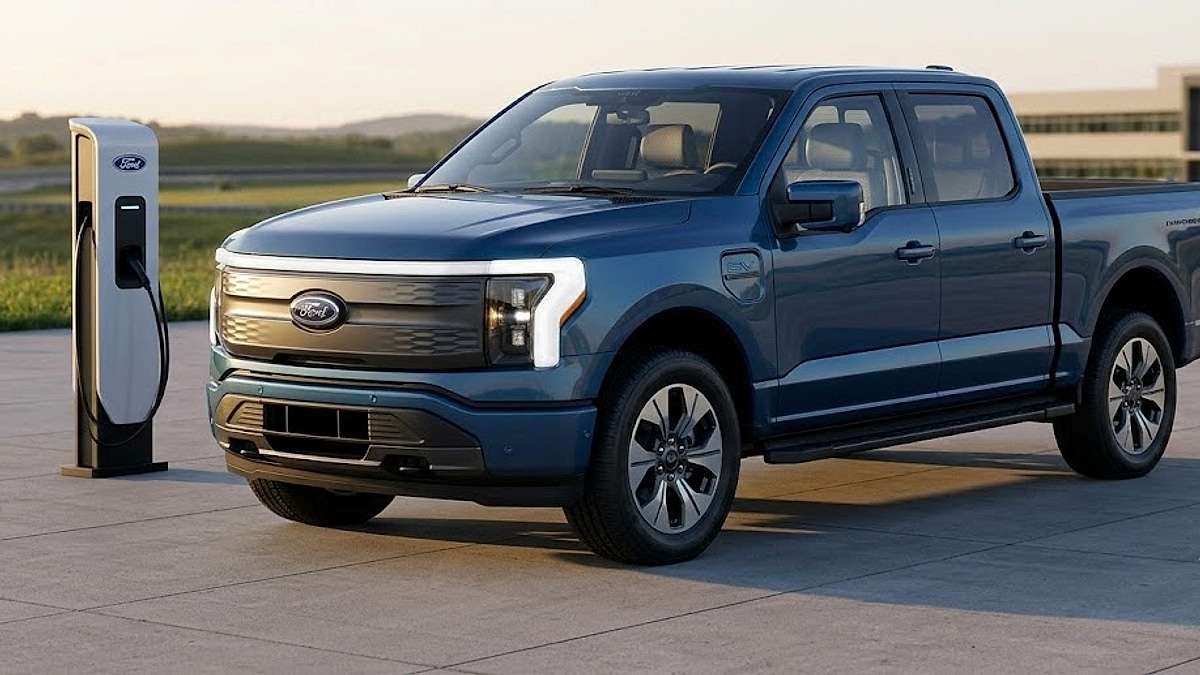

The California Skunkworks Breakthrough
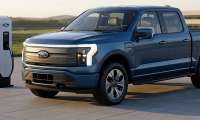
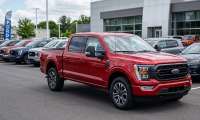
Ford’s secret skunkworks team in Long Beach, California, is pulling off what looks like a modern manufacturing miracle.
By ditching traditional high-strength steel stampings in favor of massive front and rear aluminum "unicastings," the Blue Oval is aiming to deliver a midsize electric pickup with a starting price tag of just $30,000.
It sounds like the ultimate consumer win.
You get a sleek, highly efficient EV truck for the price of a mid-tier gas crossover, while Ford slashes its factory assembly costs to compete directly with low-cost overseas rivals.
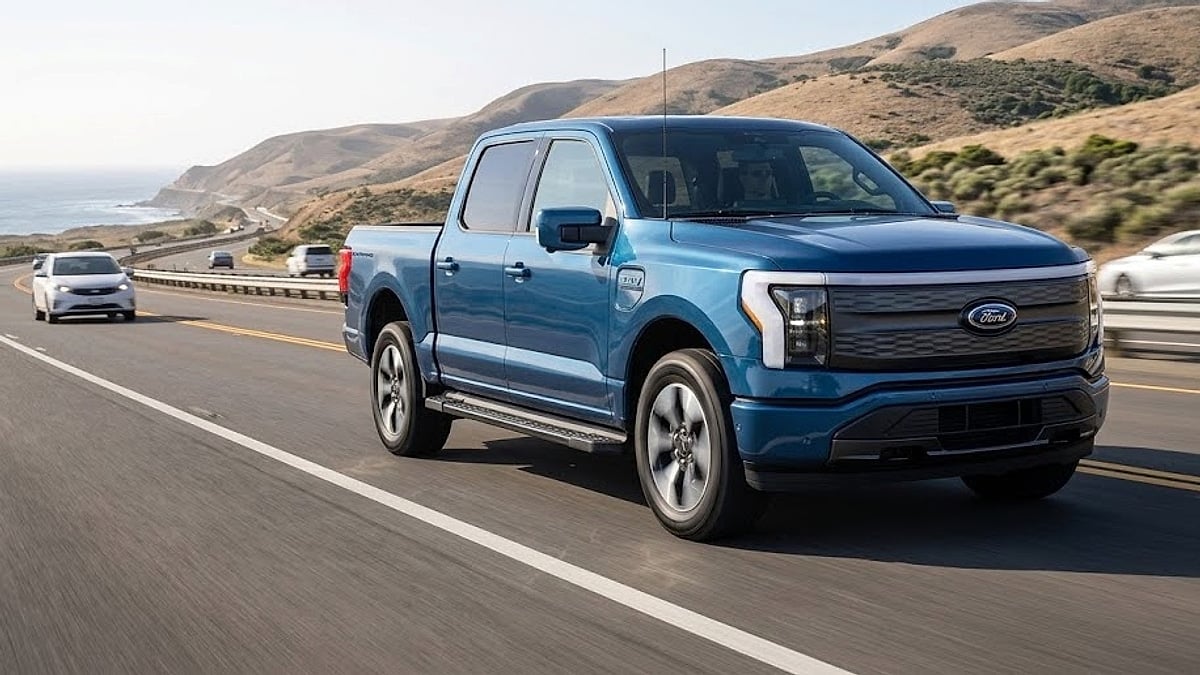
Why the Media Is Buying the Hype
Mainstream automotive outlets are already celebrating the strategy.
They point to Ford’s claims that replacing 146 separate stamped steel parts with two gigantic cast aluminum subframes will shorten assembly lines, cut weight by 27%, and democratize electric trucks.
What those celebratory headlines aren't telling you, however, is what happens when this "manufacturing marvel" meets real-world traffic.
The dirty secret of low-cost unicasting is simple: what saves Ford millions on the factory floor threatens to turn low-speed fender benders into financial disasters for owners.
The Quiet Panic in Collision Shops
Behind closed doors, insurance actuaries and collision repair networks are quietly calculating the real cost of living with giant cast aluminum structures.
The math suggests that the money you save on the sticker price could be swiftly devoured by your monthly insurance premium.
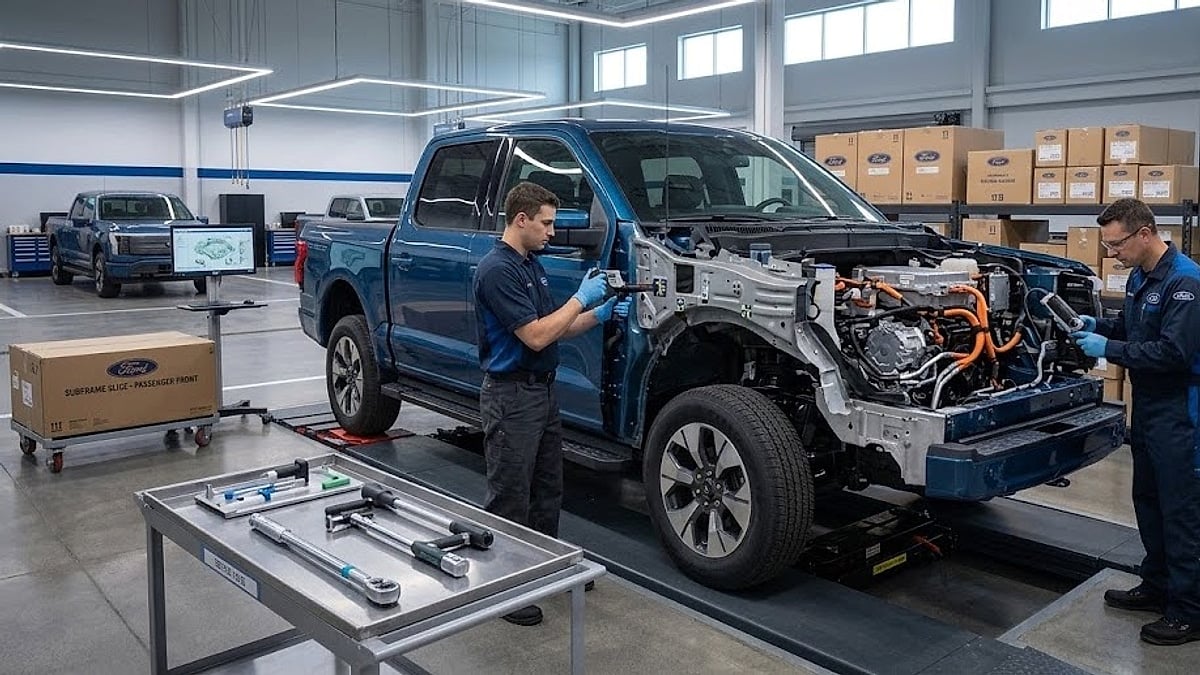
To understand why, you have to look at the harsh structural reality of cast aluminum.
Traditional truck frames and unibody structures are made of layered, stamped steel.
When a driver backs into a pole or gets rear-ended at a red light, body shop technicians can pull steel components back into alignment on a frame rack, section out damaged rails, or spot-weld replacement brackets.
The Brittle Reality of Cast Aluminum
Cast aluminum doesn't work that way.
It is rigid, brittle, and incredibly sensitive to stress fractures.
If a low-speed impact puts a microscopic crack into a structural unicast section, you cannot simply heat it up and weld it back together without destroying its structural integrity.
A minor impact to a tow hook or lower control arm mount can send shockwaves directly into the primary casting.
If that single component is compromised, the entire structural core of the vehicle is compromised.
Ford’s "Cutline" Solution on Paper
Ford knows this concern is top-of-mind for consumers and insurers alike.
To get ahead of the backlash, Ford executives are boasting that they have engineered "predefined cut zones" directly into their unicastings.
They claim that instead of replacing a whole subframe, body shops will literally follow factory "dotted lines," cut out the broken piece with a saw, and install a service replacement part using rivets, structural adhesive, and bolts.
On paper, it sounds like a brilliant solution.
High Labor Rates and Tooling Traps
In the high-stakes world of commercial collision repair, however, independent shop owners are far less optimistic.
Cutting into a primary load-bearing structural casting requires extreme precision, expensive specialized tooling, and certified technician training.
If a technician cuts a few millimeters off the factory line or fails to properly prep the adhesive joint, the structural crash energy path is permanently ruined.
Most independent body shops in North America aren't equipped to perform aerospace-grade structural bonding on a daily basis.
That creates a massive bottleneck.
Minor Wrecks, Total Loss Payouts
Owners involved in minor accidents will be forced to take their trucks exclusively to specialized, brand-certified collision centers charging $150 to $250 an hour for labor.
Even if the part itself is replaceable, the labor hours required to measure, cut, glue, rivet, and recalibrate a unicast subframe will send repair bills soaring past $10,000 for standard fender benders.
That is where the insurance trap closes in.
Insurance underwriters don't care how cheap a vehicle was to manufacture; they only care about its total loss threshold.
If a vehicle worth $30,000 incurs a $12,000 repair bill after a 12-mph parking lot impact, the insurer will write it off as a total loss.
The True Cost of "Budget" Ownership
When insurance companies see a vehicle model getting totaled over minor, everyday collisions, they immediately adjust their risk algorithms.
They pass those massive total loss payouts directly back to the vehicle owner in the form of inflated comprehensive and collision premiums.
We have already seen this exact scenario play out with early gigacast EVs and aluminum-intensive trucks.
Owners of budget-focused electric vehicles frequently express shock when their monthly auto insurance quotes turn out to be higher than their monthly car payments.
A buyer might secure a manageable $450 monthly financing payment on Ford's $30,000 EV truck, only to be hit with a $350 monthly insurance bill.
That completely erases the fuel and maintenance savings that drove them to buy an electric pickup in the first place.
A Factory Win, a Consumer Liability
It is a classic industry bait-and-switch, even if it isn't intentional.
Ford gets to headline a $30,000 sticker price to satisfy Wall Street and attract cost-conscious retail buyers. The consumer gets a low barrier to entry at the dealership.
The structural repair liability, however, is quietly shifted off the manufacturer's balance sheet and placed directly onto the owner's monthly budget.
Ford’s Long Beach team undeniably deserves credit for inventing clever ways to strip thousands of dollars out of manufacturing costs.
Their engineering focus on parts-reduction and rapid assembly speed is a genuine technological achievement. Before you celebrate the arrival of the sub-$30,000 electric pickup, look closely at the fine print.
Until the collision repair industry proves it can fix sliced aluminum castings cheaply and reliably, Ford’s manufacturing marvel could easily turn into an insurance nightmare.
How About You? Would you risk buying a $30,000 EV truck with cast aluminum subframes knowing a minor parking lot fender bender could trigger sky-high insurance rates or write the vehicle off entirely? Tell us what you think and leave a comment in the red “Add new comment” link below!
There’s More Coming… Also check out my Torque News Home Page for more of my informative Ford truck news articles.
About The Author
Denis Flierl is a 14-year Senior Reporter at Torque News and a member of the Rocky Mountain Automotive Press (RMAP) with 30+ years of industry experience. Explore his full investigative reporting archives and technical guides at DenisFlierl.com.
Based in Parker, Colorado, Denis leverages the Rockies' high-altitude terrain as a rigorous testing ground to provide "boots-on-the-ground" analysis for readers across the Rocky Mountain region, California EV corridors, the Northeast, Texas truck markets, and Midwest agricultural zones.
A former professional test driver and consultant for Ford, GM, Ram, Toyota, and Tesla, he delivers data-backed insights on reliability and market shifts. Denis cuts through the noise to provide national audiences with the real-world reporting today’s landscape demands.
Connect with Denis: Find him on LinkedIn, X @DenisFlierl, @WorldsCoolestRides, Facebook, and Instagram.
Photo credit: Denis Flierl
Set Torque News as Preferred Source on Google
Follow us today...