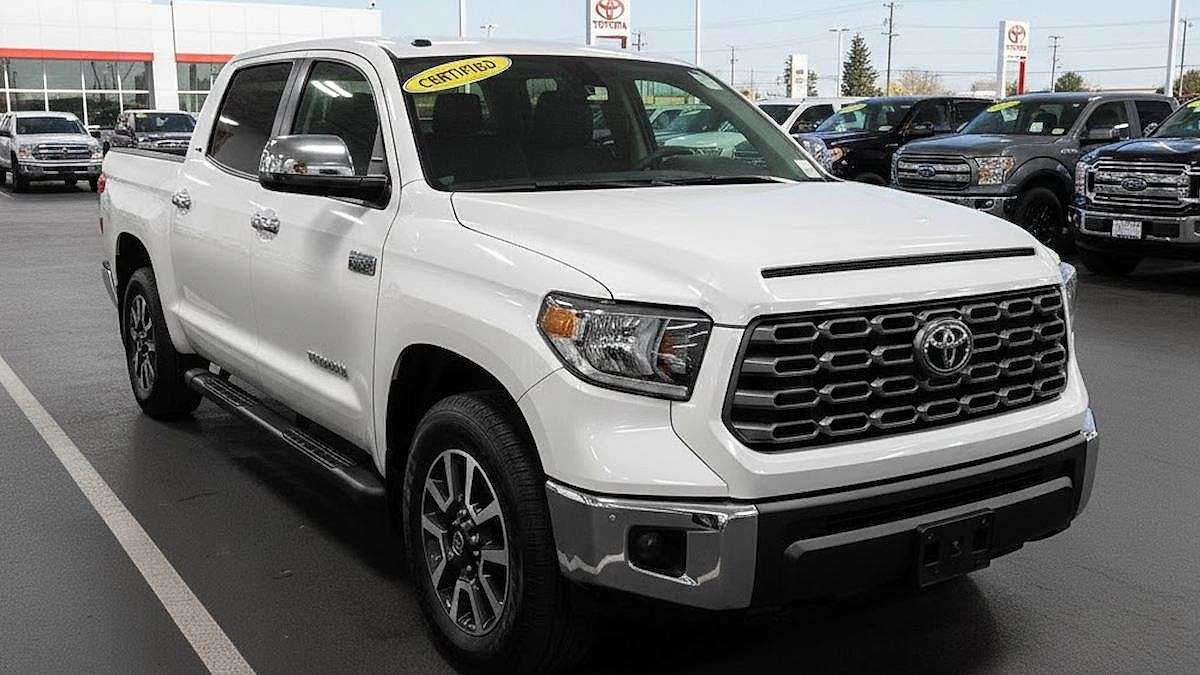

A Toyota Tundra buyer finally tracked down a deep discount on a late-model pickup, only to realize the "deal of a lifetime" might actually be a $30,000 engine failure waiting to happen. During my recent analysis of Toyota reliability trends, I discovered a post in a prominent Facebook community for Tundra enthusiasts where Curiousguy52 from Colorado voiced the exact dilemma facing thousands of Tundra shoppers today:
“I am thinking about buying a used 2023–2025 Toyota Tundra. I can get a good deal on a recall truck, but are engine issues still a problem? I’m a longtime Toyota fan, but I’m nervous.”
From My View
As a senior reporter who has spent 30 years in the trenches on the dealer service side, I can tell you that "nervous" is an understatement for most Toyota loyalists right now. We are currently navigating a massive shift in the truck reliability landscape. For decades, a Tundra was a "buy-it-and-forget-it" machine. But as I’ve been investigating lately, the transition to the 3.4L V35A twin-turbo V6 has been anything but smooth.
To answer the Who, How, and Why of this crisis: Who is affected? It began with 2022-2023 models, but the net has now widened. How is it happening? While Toyota initially pointed to "machining debris" from the Huntsville plant, we are now seeing failures in engines that were supposedly cleared or even replaced. Why is this happening? Beyond the debris, a growing chorus of technicians points to a fundamental struggle between ultra-thin oil specifications and high-load bearing tolerances.
In one of my previous deep dives, I explored how owners were dealing with the first wave of engine stalls and the early frustration that grew as the recall lists expanded.
My Take
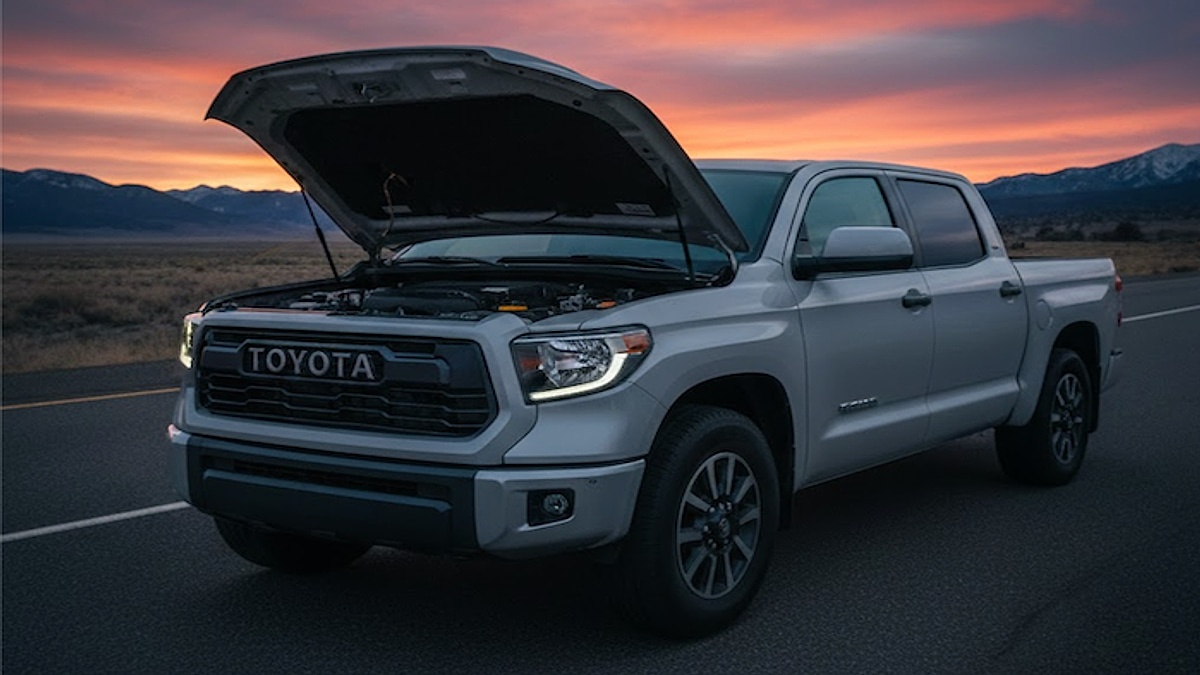
My 30 years of experience tells me that when a recall for 100,000 trucks expands to include another 127,000 units (under the new 25TA14 and 25TB14 filings), the problem is no longer "contained." If you are looking at a used 2023-2025 Tundra, you are looking at a vehicle that might be part of the most significant reliability crisis in Toyota’s modern history.
What really spooks me and should concern you are the reports of 4 PSI oil pressure at warm idle. I’ve spoken to masters in the field who believe this "low-pressure" mapping is pushing the limits of engine safety. If that oil film breaks down, the main bearings are the first to go. A verified expert at Pickup Truck + SUV Talk noted that while Toyota regains reliability crowns in some segments, the 2022 Tundra still holds the worst reliability score due to these catastrophic failures.
I previously wrote about the financial implications for Tundra owners when the manufacturer’s "goodwill" runs out and the reality of a $30,000 repair bill sets in.
Advice For Tundra Buyers
1. The 4 PSI Danger Zone: Modern engines are designed to run lean and thin for fuel economy, but a 4 PSI reading at warm idle leaves almost zero margin for error if debris or high heat is present.
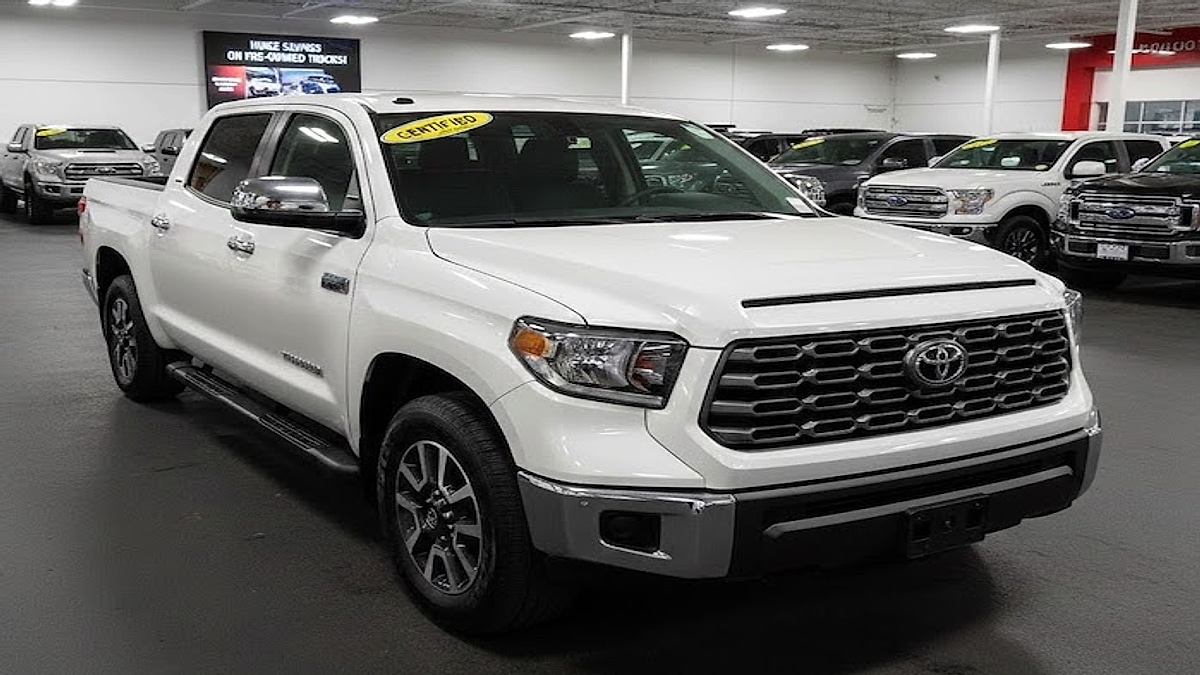
2. The "Recall Truck" Discount: Dealers are often aggressive with pricing on units that have had engine swaps. While tempting, remember that a replacement engine carries only a 12-month/unlimited-mile warranty for the repair itself.
3. i-FORCE MAX Exclusion: Interestingly, the Hybrid models are largely excluded from the recall because Toyota claims they have "motive power" to pull over safely if the gas engine fails. However, the internal components remain the same.
Key Takeaways
- Check the VIN: Do not buy any 2022-2025 Tundra without running the VIN through Toyota’s official recall portal.
- Demand Service Records: Look for frequent oil changes. These engines do not tolerate the 10,000-mile intervals that Toyota traditionally recommends.
- Listen for the "Knock": If a used truck has a rhythmic tapping or rough idle, walk away immediately.
What Tundra Owners Are Saying
The community sentiment is raw. On Reddit, the fear of being stranded is a recurring theme. One user on Reddit noted the severity of the situation, stating, "The failure happened while driving... it left my family and me stranded on the side of the road for hours... being stranded with young kids like that isn't something I can risk again," which highlights how mechanical trust is easily shattered.
Another owner highlighted the financial gamble of keeping a third-generation truck, mentioning, "The engines are $30k+ to replace outside warranty, and that's too much of a gamble for me, given the replacement only comes with a 1-year / 12k mile warranty," found in this Reddit thread regarding a replacement engine that failed shortly after the recall work.
I’ve also tracked the long-term reliability of the Toyota powertrain to help buyers decide if the new V6 is truly a worthy successor to the legendary 5.7L V8.
Beyond the forums, automotive teardown experts are exposing the technical reality. A report from LiveNOW from FOX confirmed that the National Highway Traffic Safety Administration expanded the recall to 126,691 vehicles because manufacturing debris might contaminate the engine and cause main bearings to fail. This is the "smoking gun" that proves the "longtime fan" has every right to be nervous.
The Bottom Line Is Simple
The 2023-2025 Toyota Tundra is a powerhouse, but the V35A engine is currently under trial. If you are a buyer like Curiousguy52, my advice as a 30-year veteran is to wait for the 2026 models to prove that the manufacturing "debris" and "oil pressure" issues are truly in the rearview mirror, or ensure any used purchase has a bulletproof, documented service history and a very long warranty.
Have You Changed Your Mind?
Are you a longtime Toyota fan nervous about the new V35A engine, or have you already experienced the dreaded 4 PSI drop in oil pressure in your 2023–2025 Tundra? I want to hear your story. Has the latest recall expansion changed your mind about buying a new Toyota truck? Please leave your thoughts and join the conversation in the red “Add new comment” link below.
About The Author
Denis Flierl is a 14-year Senior Reporter at Torque News and a member of the Rocky Mountain Automotive Press (RMAP) with 30+ years of industry experience. Based in Parker, Colorado, Denis leverages the Rockies' high-altitude terrain as a rigorous testing ground to provide "boots-on-the-ground" analysis for readers across the Rocky Mountain region, California EV corridors, the Northeast, Texas truck markets, and Midwest agricultural zones. A former professional test driver and consultant for Ford, GM, Ram, Toyota, and Tesla, he delivers data-backed insights on reliability and market shifts. Denis cuts through the noise to provide national audiences with the real-world reporting today’s landscape demands. Connect with Denis: Find him on LinkedIn, X @DenisFlierl, @WorldsCoolestRides, Facebook, and Instagram.
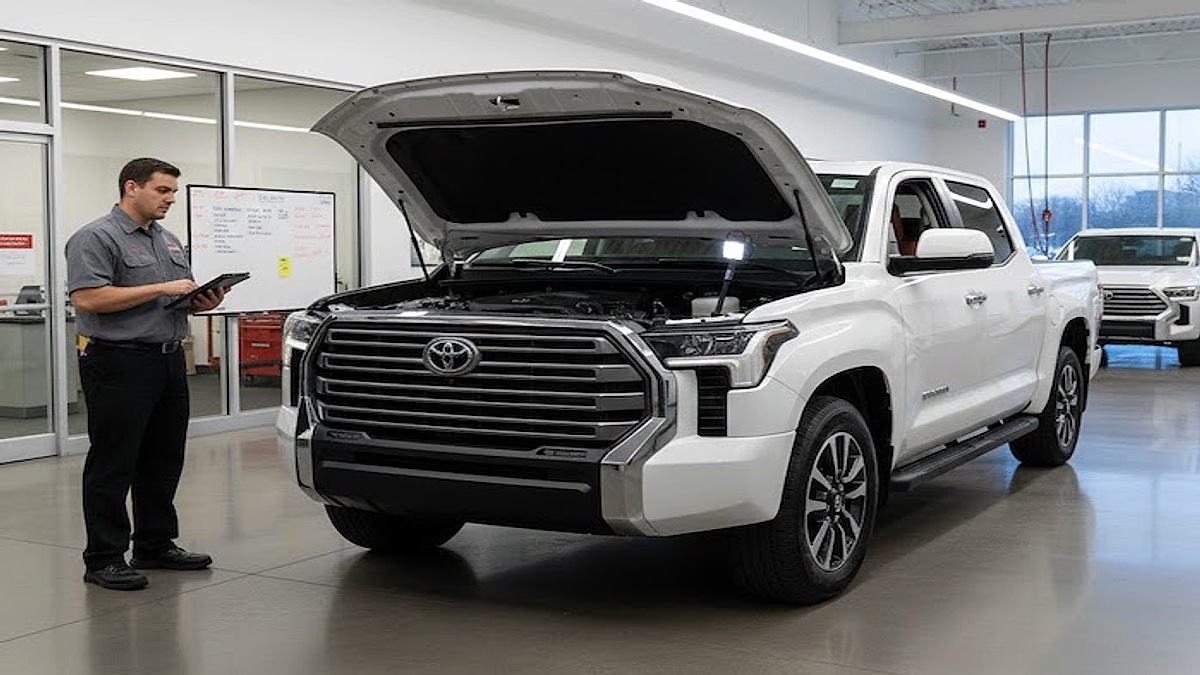
Photo credit: Denis Flierl via Gemini
Set Torque News as Preferred Source on Google
Follow us today...