
If you think your first "free" Tundra service includes an oil change, you might be surprised.
In my research on Toyota reliability, I found a recent post shared in a Facebook community of Tundra enthusiasts where Hung Chi Bui from California highlighted growing concerns about the i-FORCE V6 break-in period and the hidden risks of sticking to official service intervals.
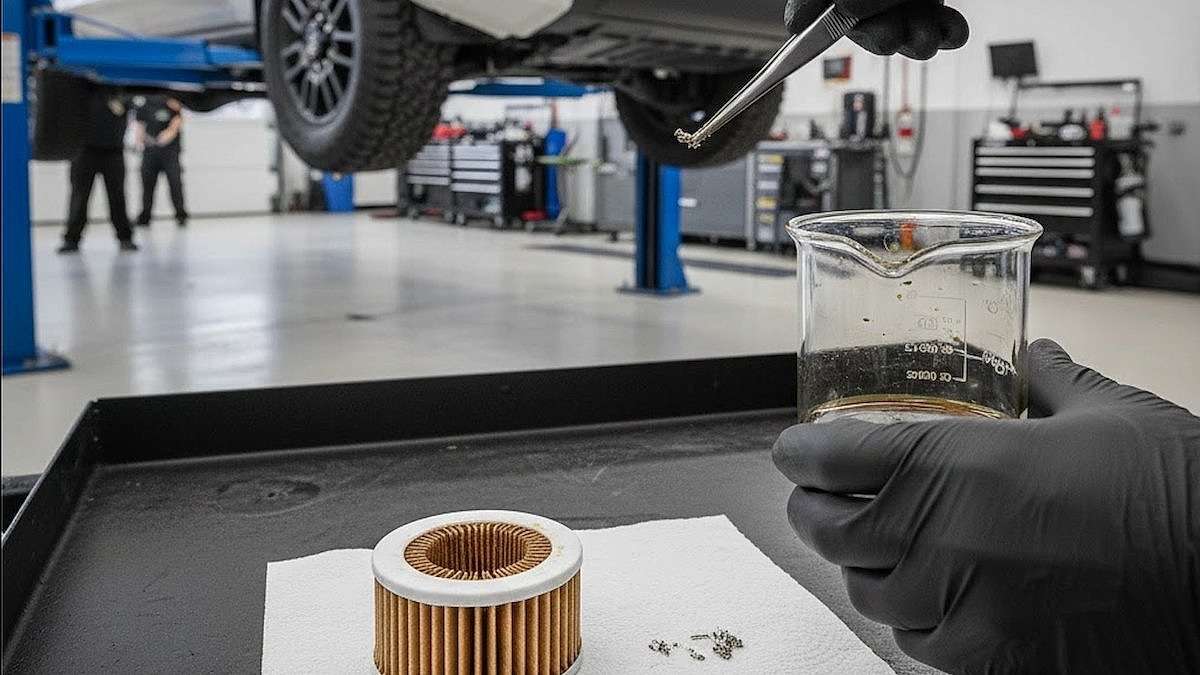
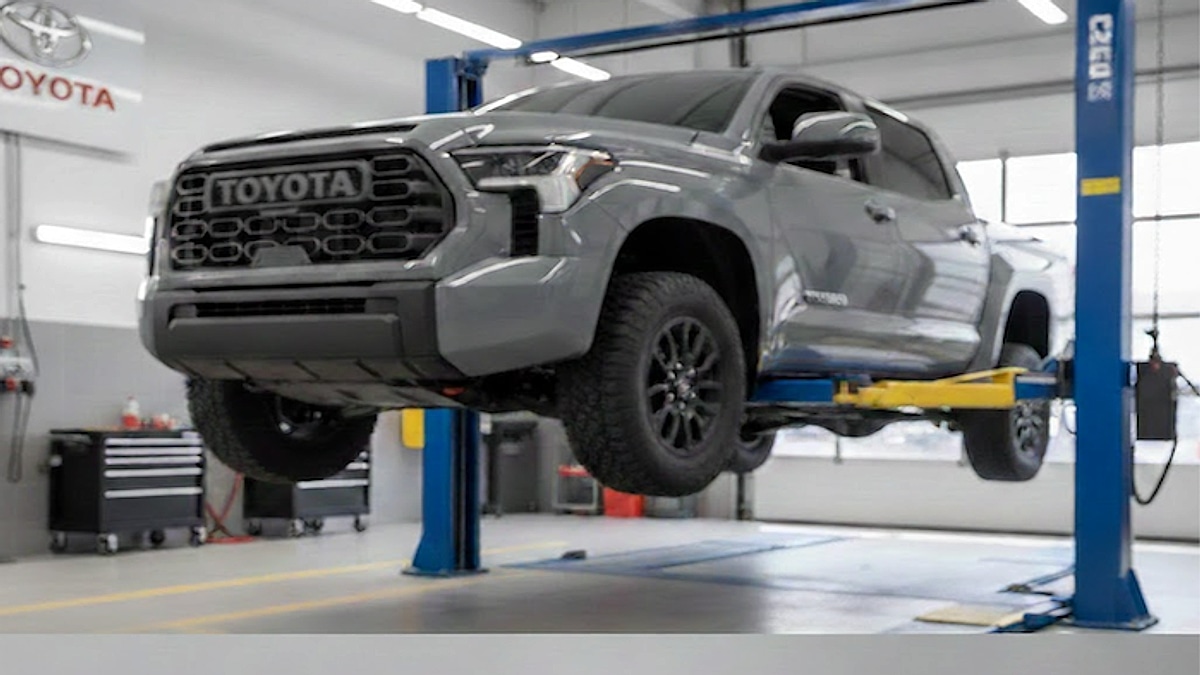
Hung Chi Bui says: "Brought my 2026 Toyota Tundra TRD PRO in for her first Toyota Care service, but apparently, Toyota doesn't change your oil at 5k miles, only the basic stuff will be done. I paid for the oil change anyway. I asked to inspect the oil filter, and it contained tiny metal shavings in both the filter and the oil. Anyone else come across this?"
As a senior reporter for Torque News with over 30 years of experience delving into the nuts and bolts of the auto industry, stories like Hung Chi Bui’s grab my full attention. When a new truck owner, especially one with a coveted TRD Pro, finds metallic debris in their oil at just 5,000 miles, it’s not just a red flag; it’s a blaring siren. As a long-time Colorado resident who knows how mountain towing stresses twin-turbo systems, I know how crucial proper maintenance is. I've been tracking the i-FORCE V6's journey from day one, and a pattern is emerging that warrants a deep dive for every Tundra owner.
From My View: The 2026 Tundra's Unseen Vulnerability
Many of you may remember my earlier report, "2024 Toyota Tundra Tows 11,000 LBS And Then It Happens," which covered the real-world stresses these trucks endure, sometimes leading to unexpected issues. What Hung Chi Bui experienced, however, speaks to a different kind of stress, the internal wear and tear that happens during an engine's critical break-in period.
Who is this affecting? Primarily, it’s owners of the 2022-2026 Toyota Tundra and Sequoia models equipped with the i-FORCE V6 engine. These are dedicated truck enthusiasts who invested in a Toyota for its legendary reliability.
The official ToyotaCare plan for the 2026 Tundra typically recommends an oil change every 10,000 miles. At the 5,000-mile mark, Toyota’s complimentary service usually includes tire rotation and inspections, but not an oil and filter change. This is where the disconnect begins. I've often seen how following factory service intervals too rigidly can lead to problems, a point I covered in "Why A Toyota Mechanic Says The New Tundra And Sequoia Engine Is A Dud."
My Take: Why "Basics" Aren't Always Enough
When I hear about metal shavings in a low-mileage engine, my mind immediately jumps to the manufacturing process. The first few thousand miles are crucial for an engine to "seat" its components. During this time, microscopic metal particles can naturally shed as parts break in.
How could Toyota miss something so fundamental? The official stance is that modern engines don't require oil changes as frequently. While there's truth to that, the initial break-in period remains an exception. I found an insightful report from a recognized expert, The Car Care Nut, a certified Toyota master technician who recently advised that unless your driving is 100% highway, you should change your oil every 5,000 miles or 6 months to avoid long-term engine degradation. This aligns perfectly with what we’re seeing in Hung Chi Bui’s case.
Don't Miss This
- Initial Wear: The first 5,000 miles are the most abrasive for a new engine. Particles from manufacturing and initial component seating are shed.
- Filter Function: The oil filter's primary role is to trap particles before they damage bearings and cylinder walls.
- Preventive Maintenance: An early oil change is cheap insurance that removes contaminants and allows the engine to operate on cleaner oil, extending its life.
From Tundra to Turbocharged Concerns
This isn't an isolated incident. I recall investigating "The 2024 Toyota Tundra Recalls You May Have Missed," where manufacturing defects necessitated proactive intervention. While not directly related to oil changes, those recalls underscore the importance of vigilant ownership.
Another compelling piece of external validation comes from Untamed Motors, which has been vocal about the twin-turbo V6 transition, stating that buying a new 2026 Toyota Tundra or Sequoia is a big gamble until these bearing and debris issues are definitively resolved. This kind of expert validation from individuals working on these vehicles daily is invaluable.
I also analyzed the signs of impending engine death in my report, "Toyota Tundra Owner Says, 'Oh, No, Not Another Tundra Engine Fail, But This One Might Actually Be Helpful To Identify Signs Of Impending Doom'," where I noted that small metallic flakes in the oil are often the first sign of a spun bearing.
Community Technical Feedback
Hung Chi Bui's experience isn't just an anecdote; it's a shared concern within the community. One user on Reddit noted the severity of the situation: "Replace radiator or end up replacing tranny like me... had a small leak. Unnoticed. Then boom tranny went out on highway," as noted in the full discussion here.
Another owner highlighted the vulnerability of the new design, noting, "The radiator on these models has an isolated portion for cooling automatic transmission fluid... if it's not cooling it, bad things happen," as reported in this Reddit thread.
Key Takeaways for Tundra Owners:
- The official ToyotaCare 5,000-mile service does NOT include an oil change.
- Early engine break-in can shed microscopic metallic particles called "swarf."
- An early oil change is crucial for removing these particles and protecting the bearings.
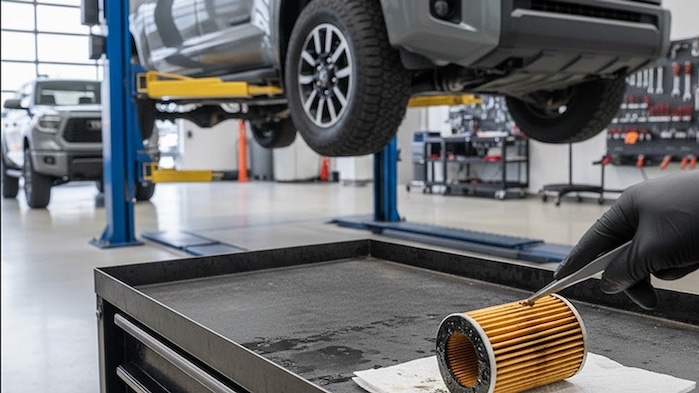
- Proactive maintenance and regular inspection of your oil filter can provide invaluable insights into your engine's health.
My Recommendations
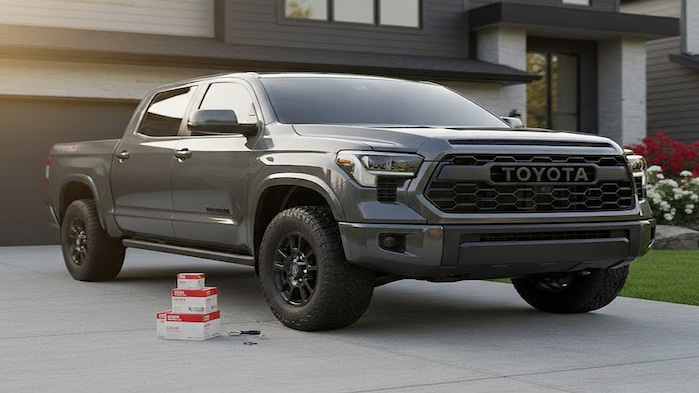
Why is it so important to take action? Because your truck is a significant investment. My strongest recommendation is to have your first oil and filter change completed between 3,000 and 5,000 miles, regardless of the ToyotaCare schedule. This will flush out those initial break-in particles. Ask your lube tech to cut open the old oil filter and inspect the filter media for metal shavings. If you find debris, document it. This visual evidence can be highly effective if you need to file a warranty claim.
It's Cheap Insurance
Hung Chi Bui’s proactive decision to have an early oil change has delivered a crucial insight for every 2026 Tundra owner. The presence of metal shavings underscores my firm belief that an early oil change, ideally between 3,000 and 5,000 miles, is essential for the long-term health of your i-FORCE V6. Don't let a "basics" service put your significant investment at risk.
How About You?
I’ve shared my perspective based on decades of covering the automotive beat, but now I want to hear from the people actually putting these trucks to work. Have you taken your 2024–2026 Tundra in for its first 5,000-mile service only to be told an oil change wasn't part of the deal? Did you pay out of pocket to get that factory oil out, and if so, did you find any "sparkles" or metal debris in your filter? Your real-world experience is exactly what this community needs to stay informed.
Leave a comment in the red “Add new comment” link below and let us know what you're seeing under the hood of your new rig.
About The Author
Denis Flierl is a 14-year Senior Reporter at Torque News and a member of the Rocky Mountain Automotive Press (RMAP) with 30+ years of industry experience. Based in Parker, Colorado, Denis leverages the Rockies' high-altitude terrain as a rigorous testing ground to provide "boots-on-the-ground" analysis for readers across the Rocky Mountain region, California EV corridors, the Northeast, Texas truck markets, and Midwest agricultural zones. A former professional test driver and consultant for Ford, GM, Ram, Toyota, and Tesla, he delivers data-backed insights on reliability and market shifts. Denis cuts through the noise to provide national audiences with the real-world reporting today’s landscape demands. Connect with Denis: Find him on LinkedIn, X @DenisFlierl, @WorldsCoolestRides, Facebook, and Instagram.
Photo credit: Denis Flierl via Hung Chi Bui
Set Torque News as Preferred Source on Google
Follow us today...