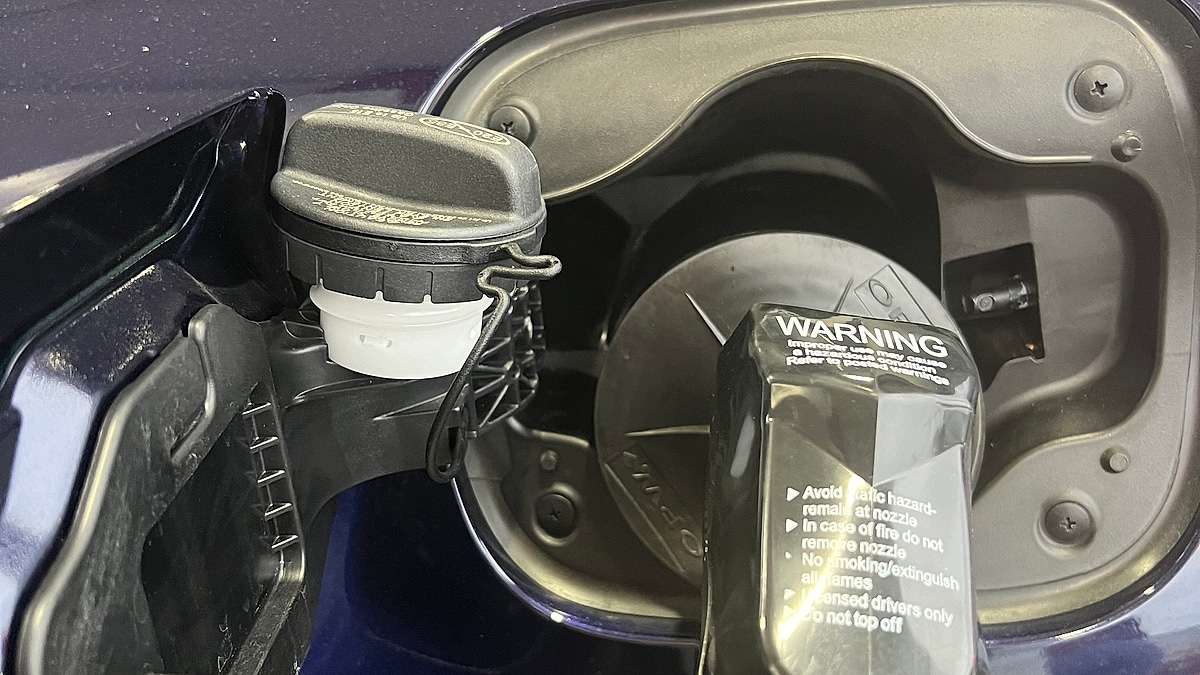

As the conflict in the Middle East continues, gas prices have begun to climb. Every motorist wants to make the most of their vehicle’s potential for best fuel economy. Our list here is based not just on engineering principles but also on real-world experience.
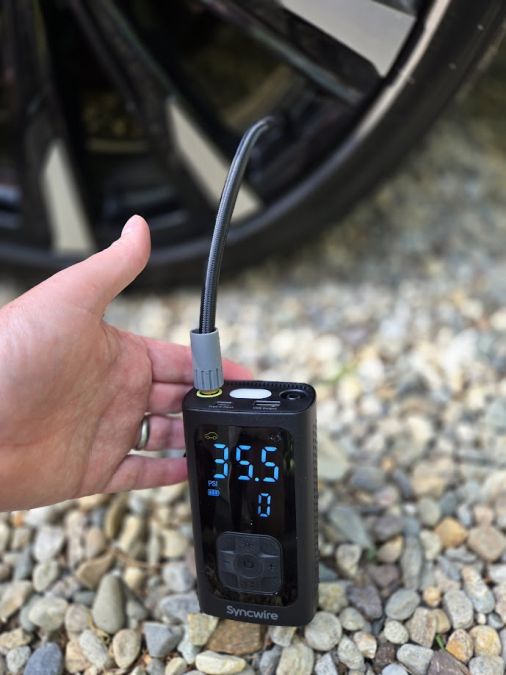
Tires - Make Sure They Are Inflated
The first thing every motorist should do when running down a checklist of best fuel economy practices is to properly inflate their tires. You can find the proper inflation level on the driver’s door jam of your vehicle. That pressure is appropriate for a “cold” car, meaning not having been driven, and inflated at the colder part of the day. Adding a couple PSI won’t hurt and can increase your fuel efficiency a bit. Be sure to re-check when temps warm up. The pressure will increase, and you should reset the pressure for summer. Overinflated tires can wear improperly.
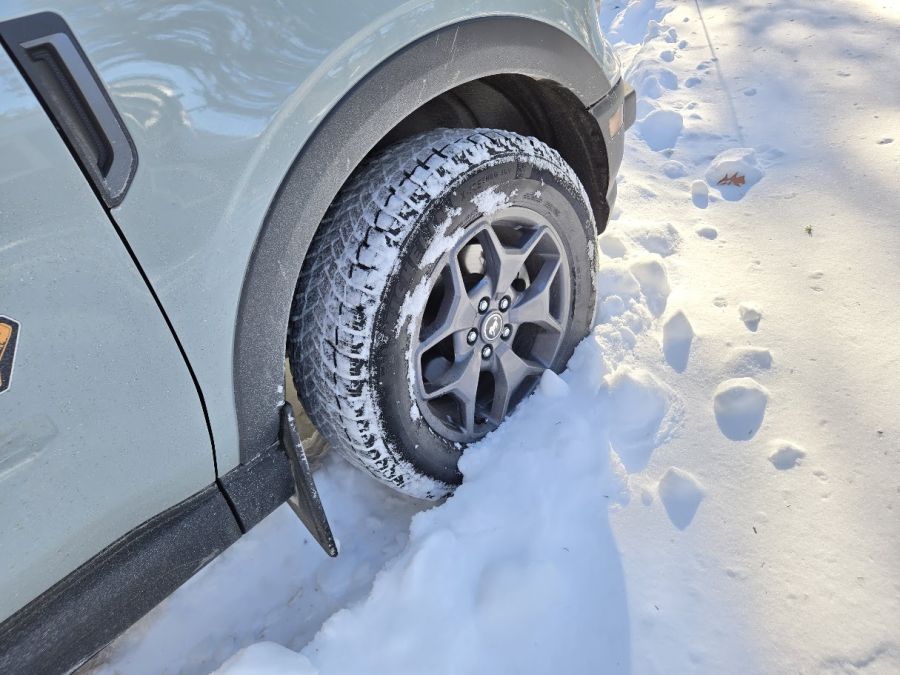
Put the Winter Tires Away for the Season
If you use winter tires, now is the time to remove them and store them for spring, summer, and fall. Winter tires generally add to the vehicle’s rolling resistance, and they also tend to be heavier than all-season and summer tires. Don't wait to remove them once the snow stops and temperatures are above freezing.
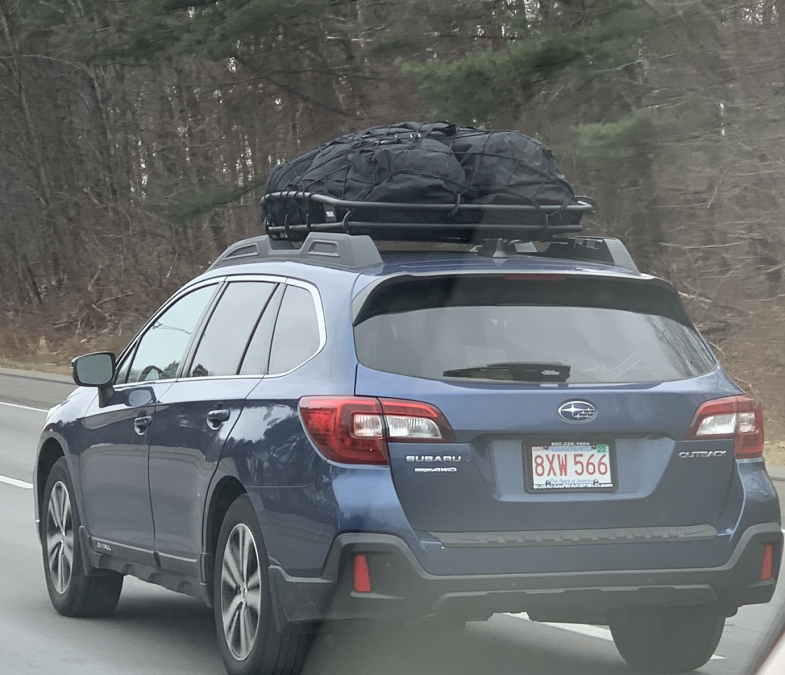
Remove Your Ski and Snowboard Roof Racks and Any Cargo Carriers
If you use any roof racks, take them off. They create drag, particularly on the highway. This drag means more fuel is needed to cover the same distance. Don't leave your roof-mounted crossbars in place, either. Take them off.
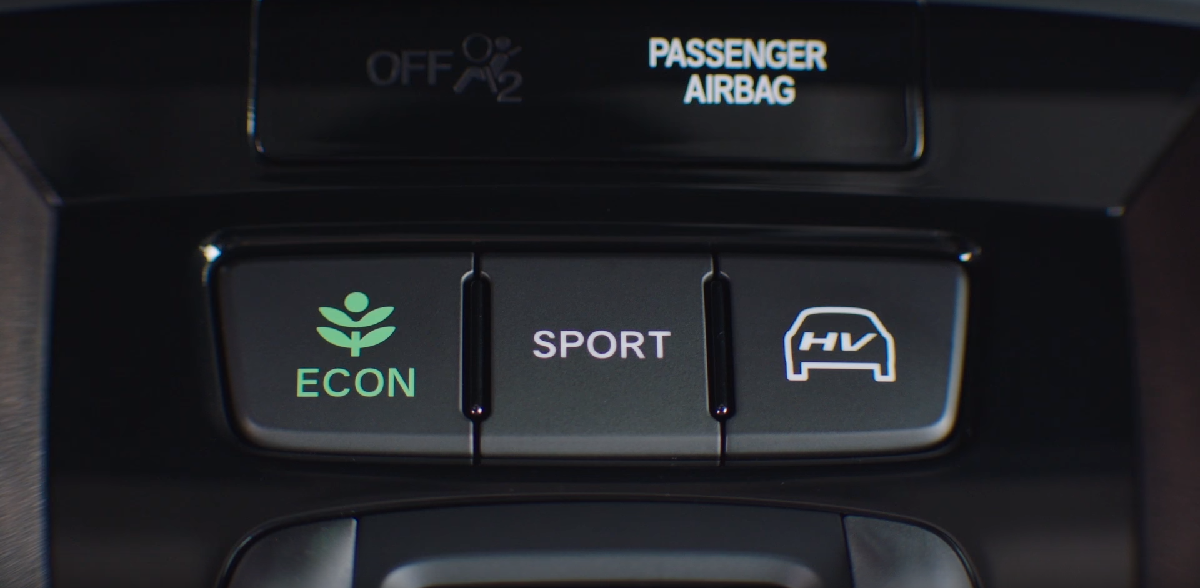
Use Econ Mode
Most vehicles have an economy drive mode. It’s there in the menus along with your sport and snow modes. Enabling Econ Mode is one of the easiest ways to save a meaningful amount of fuel. We proved that using a Ford Bronco Sport SUV. In our testing, we observed a 13% increase in fuel economy, which equated to about a 3 MPG gain.
Stop Using Sport Mode
If your car has a Sport Mode or S mode for you Subaru owners, stop using it. It uses more fuel than Normal Mode and much more than Econ Mode.
Never Use Premium Fuel Unless Your Vehicle Requires It
Nearly every mainstream vehicle sold in America can operate cleanly, safely, and efficiently using Regular fuel. Premium is an absolute waste of money. It literally does nothing for you on a normal commute or in your daily driving. If you somehow ended up with a vehicle that REQUIRES Premium fuel, our condolences. It’s a flat-out boondoggle. As proven by many independent tests, including our own test using a Ford Bronco Sport. Using Regular instead of Premium is the biggest money saver when it comes to fuel economy. You will not detect any change in performance, and you will not get better fuel economy with Premium.
Use Google Maps To Take the Most Fuel Efficient Route
One little-known and rarely spoken about feature of Google Maps, and many other active navigation systems with real-time traffic capability, is the Most Efficient Route option. Check your settings to enable it. Most folks use the Fastest Route option. Using the most fuel-efficient route can save you a lot of gas, and it does not always change the arrival time by a meaningful amount.
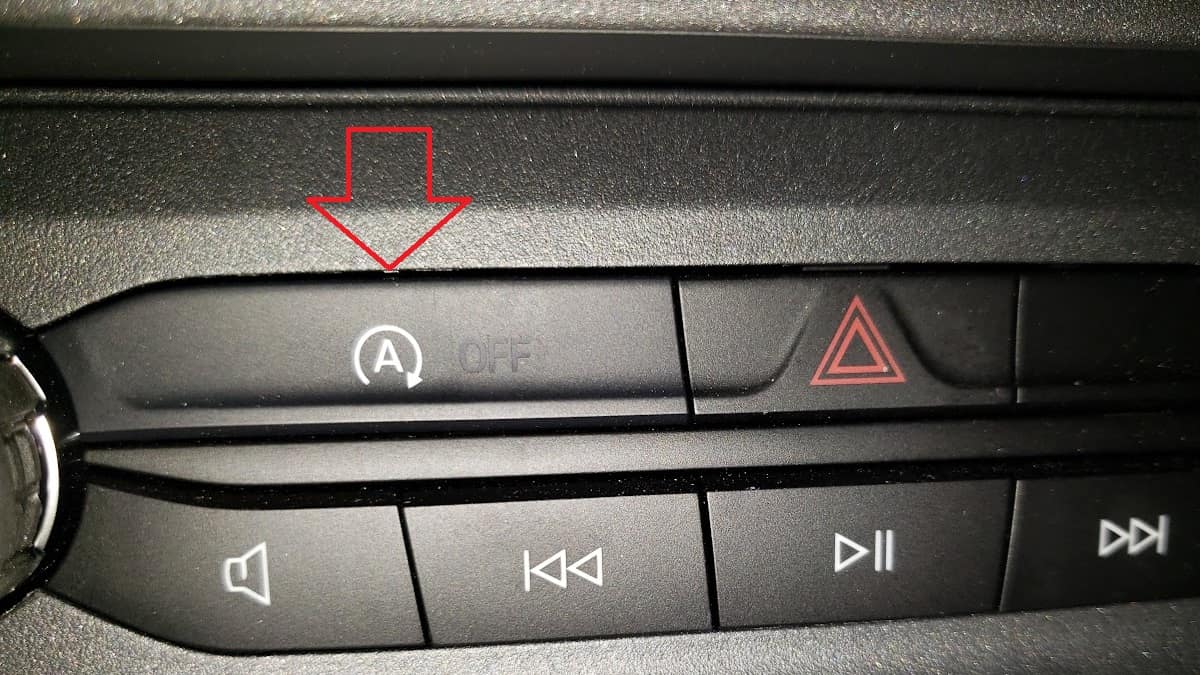
Don’t Disable Your Auto Stop-Start System
We all dislike auto start-stop, but it works. If you have the habit of disabling it, try to break that habit and live with the minor inconvenience. Burning fuel when not moving is just dumb.
Drive Calmly and Resist the Urge to Start off Abruptly
If you have a sporty vehicle, good for you! We love sporty vehicles, and we like to make the most of their strong powertrains to take off quickly from a stoplight. This is a huge waste of fuel if your goal is to save money on energy. Chill out. Let the conflict resolve itself, and then you can go back to being Speed Racer after energy prices normalize.
Lose the Junk In the Trunk
If you have a lot of stuff in your trunk that doesn't need to be there, take it out. The more mass you move the more fuel you use. If you have a pickup and add weight for rear traction, now is the time to set it aside until late fall.
We’re sure we left out a good way to save money on fuel. Please tell us your favorite method if we missed it. Our comments section is waiting.
About The Author
John Goreham is 14 year veteran of Torque News. An accomplished writer and a long-time expert in vehicle testing, Goreham also serves as the Vice President of the New England Motor Press Association and has a growing social media presence. He’s also a 10-year staff writer and community moderator for Car Talk. Goreham holds a B.S. in Mechanical Engineering and an undergraduate Certificate in Marketing. In addition to vehicle and tire content, he offers deep dives into market trends and opinion pieces. You can follow John Goreham on X and TikTok, and connect with him on LinkedIn.
Images by John Goreham
Set Torque News as Preferred Source on Google
Follow us today...