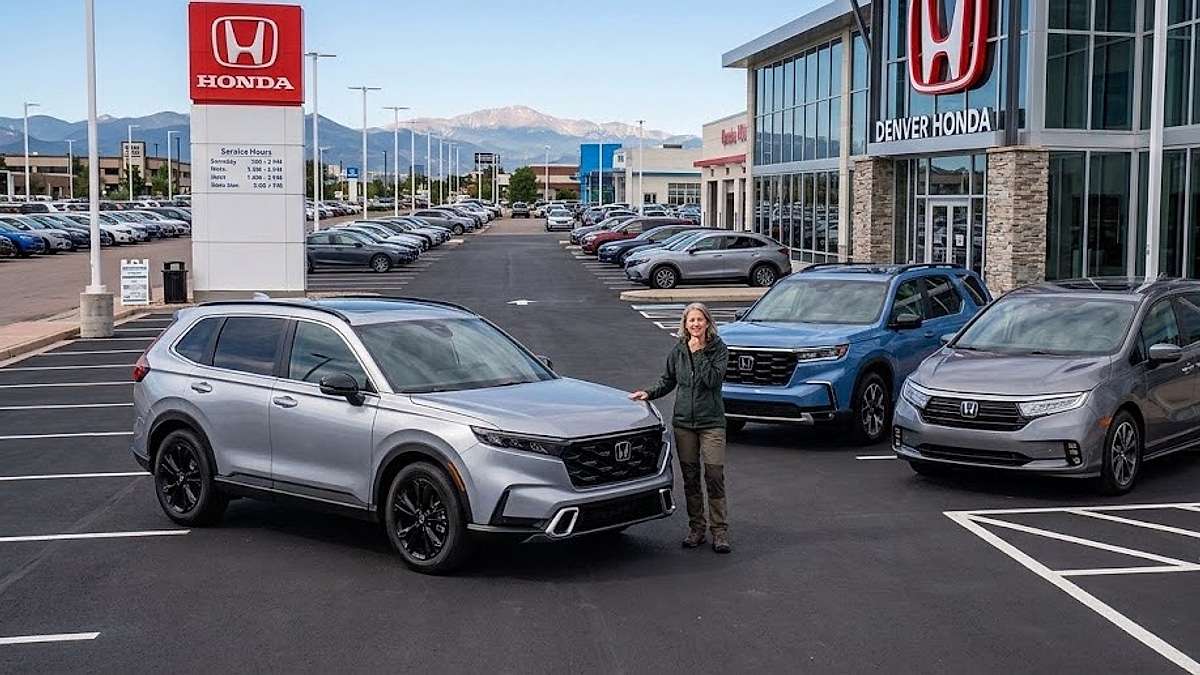

49,700 miles is all it took to break a lifetime of brand loyalty.
A 2023 Honda CR-V AWD Sport owner is preparing to ditch her compact SUV over fears of a severe engine design flaw.
The looming threat of a $4,000 out-of-warranty head gasket failure is forcing long-term fans to rethink the 1.5L Turbo entirely.
The 49,700-Mile Ticking Time Bomb
This isn't an isolated case of mechanical paranoia; it is a calculated consumer rescue mission. Across North America, owners of small-displacement, high-boost turbocharged vehicles are discovering that modern fuel economy comes with a steep structural expiration date.
According to a specialized diagnostic report from RPM Auto Center, factory diagnostic trouble codes ranging from P0300 to P0304 frequently flag the early stages of coolant leaking directly into the combustion chambers after thin multi-layer steel gaskets fail.
When these micro-breaches occur, it turns an ultra-popular family vehicle into an expensive driveway ornament.
For a parent living in remote regions, a sudden mechanical breakdown isn't just an inconvenience. It is a severe safety hazard that leaves a family stranded on lonely two-lane highways far from help.
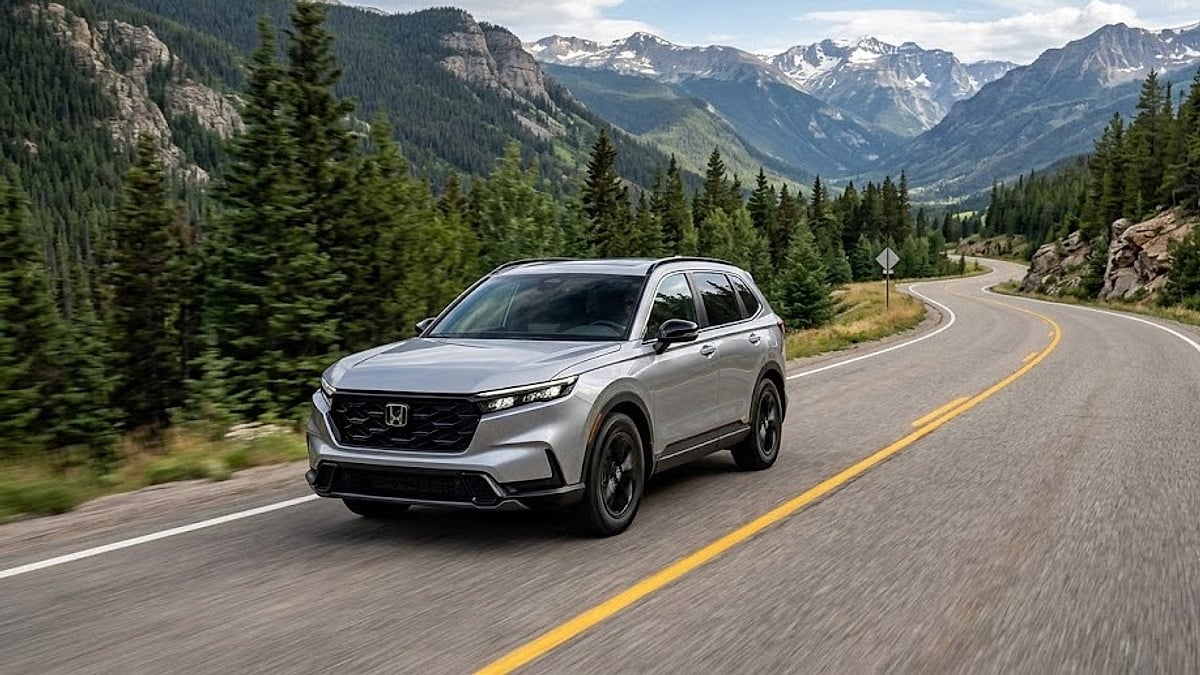
This exact anxiety has ignited intense debates across digital owner communities, where long-term drivers are realizing that the legendary reliability of past generations might not apply to modern powertrain engineering.
I have closely tracked this mechanical vulnerability throughout my career, recently documenting how a 2023 Honda CR-V Hybrid owner experienced a sudden head gasket blowout at just 65,000 miles, shattering the consumer expectation of seamless 200,000-mile dependability.
Shaking Faith In A Legendary Badge
The psychological shift from brand advocate to active seller happens the moment the factory warranty coverage begins to taper off. Take the firsthand account of Jessica Chapados, who turned to the Honda CR-V 6th Generation Discussion Club on Facebook to look for immediate answers.
“What's your opinion on the Pilot or Odyssey? My 2023 Honda CR-V AWD Sport 1.5T just hit 49,700 miles, and after seeing so many posts about head gasket issues, I'm a little on edge, not knowing when it could blow a gasket and leave my kids and me stranded. I know all vehicles have common issues, but a head gasket repair isn't cheap to do every 60,000 miles or so. Did anyone get rid of their CR-V for something else, or are they thinking about it?”
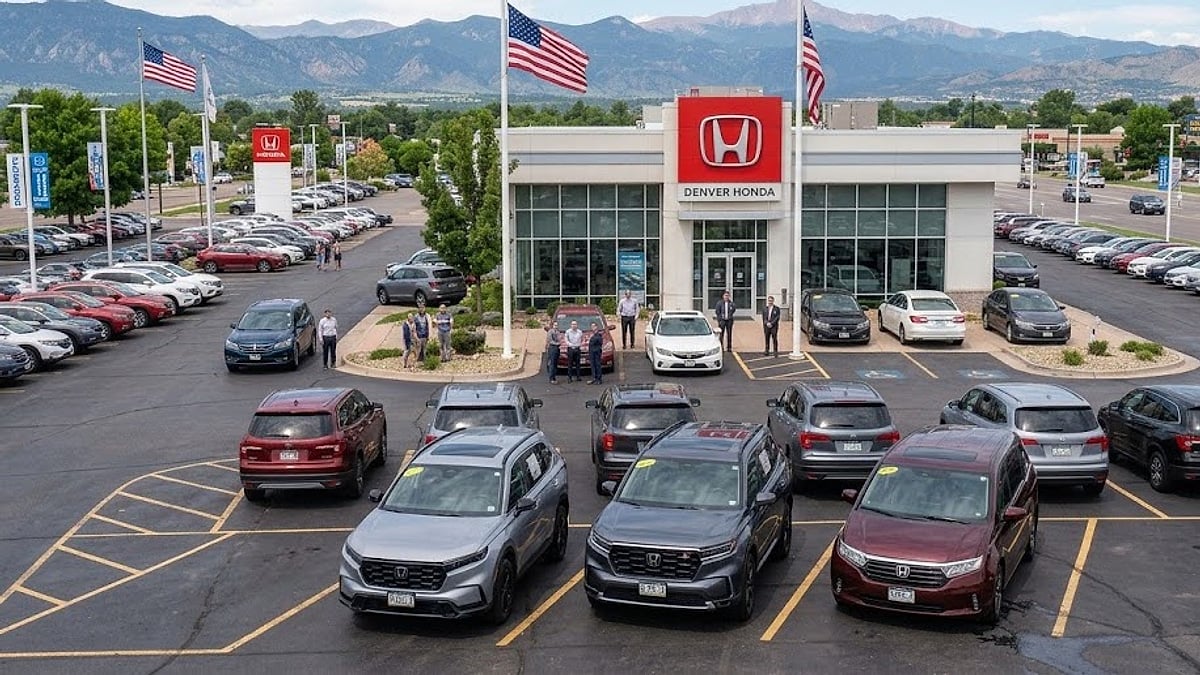
This raw consumer testimonial highlights a massive hidden issue that traditional automotive media completely ignores.
Buyers are not abandoning their vehicles because of a lack of features or poor driving dynamics. They are fleeing because the financial risk of post-warranty ownership has become entirely too high to justify.
The underlying technical reality is that small engines operating at high boost pressures experience significant thermal stress.
As outlined by the mechanical assembly specialists at Power Engines, severe thermal cycling combined with factory head bolt stretch under sustained high-load conditions directly compromises the clamping force that holds the cylinder head to the engine block deck.
This fundamental pressure differential is exactly why I previously warned readers that independent technicians are stepping away from standard Honda CR-V factory replacement hardware to permanently resolve these recurring cylinder head breaches.
The High-Altitude Thermal Stress Paradox
Living and driving in high-altitude environments like the Rocky Mountains shifts this mechanical problem into overdrive.
Here in Parker, Colorado, vehicles routinely climb steep mountain passes under sustained boost pressure while hauling heavy family cargo. When a small 1.5-liter engine is forced to work maximum overtime at 9,000 feet, the internal temperature profile spikes dramatically.
This severe operating cycle accelerates the microscopic expansion and contraction of the aluminum cylinder head against the block deck.
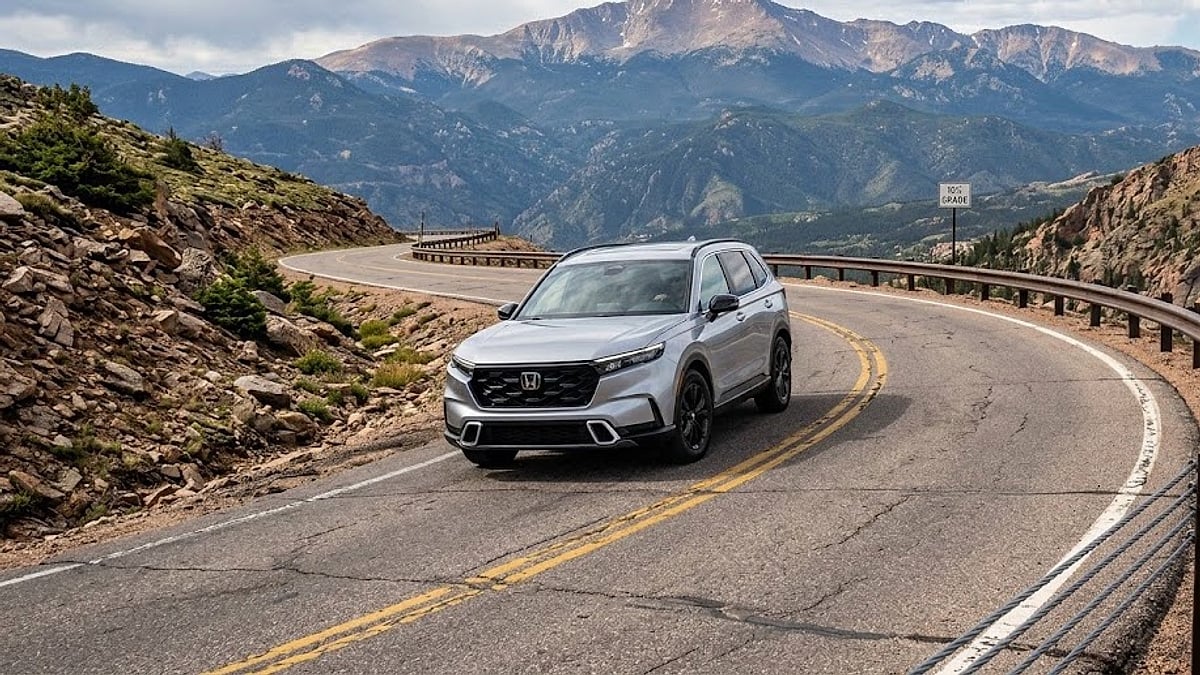
Over time, that constant motion shears the delicate fire ring seals on the factory head gasket. What works perfectly fine in flat, sea-level suburban test tracks faces a brutal structural reality check when subjected to high-altitude mountain ascents and extreme Western winter weather.
Dropping Fuel Economy To Secure Absolute Peace Of Mind
The migration toward a larger family vehicle is a calculated trade-off between fuel efficiency and mechanical longevity.
Shifting from a compact crossover to a platform powered by a naturally aspirated 3.5-liter V6 engine means accepting a noticeable drop in average miles per gallon. However, it completely eliminates the extreme cylinder pressures and high-boost thermal loads that plague small-displacement turbo engines.
The Honda Pilot and the Honda Odyssey rely on a proven, larger V6 architecture that distributes mechanical work across a much stronger engine block design.
For a parent carrying young children through rural zones, trading a few dollars at the gas pump for a bulletproof powertrain is a brilliant consumer strategy. It transforms the driving experience from a stressful countdown toward a potential breakdown into a relaxed, dependable family journey.
Choosing Between The Off-Road Family Hauler And The Ultimate People Mover
Once a buyer decides to step away from the 1.5L Turbo engine, the final choice comes down to personal utility and regional driving demands.
The three-row Honda Pilot delivers an advanced all-wheel-drive system that excels in deep winter snow and rugged mountain terrain. It provides the ground clearance needed to conquer unpredictable rural infrastructure while maintaining an exceptionally comfortable cabin for growing kids.
On the other hand, the Honda Odyssey remains the undisputed champion of pure interior utility and effortless daily cargo management.
Its low floor design makes loading strollers, groceries, and gear incredibly simple for busy parents. Both options share the legendary V6 architecture, so the ultimate choice depends on whether you value all-weather traction or maximum interior space.
Next Question: Will Switching to a V6 Completely Erase Your Post-Warranty Repair Bills?
While moving to a naturally aspirated V6 completely bypasses the high-pressure head gasket vulnerabilities of the 1.5L Turbo, it introduces separate, predictable maintenance patterns that buyers must budget for. Honda’s 3.5-liter V6 engines use a rubber timing belt instead of a lifetime timing chain, requiring a mandatory preventive replacement service every 60,000 to 100,000 miles.
Additionally, models equipped with Variable Cylinder Management (VCM) require consistent, high-quality oil changes to prevent premature wear on active engine mounts and spark plugs over the long term.
Restoring Long-Term Reliability to the Family Driveway
Trading a troubled small-displacement turbo for a proven, naturally aspirated V6 allows modern families to reclaim the worry-free vehicle ownership they originally paid for. Sacrificing a few miles per gallon is a small price to pay for an engine architecture built to survive decades of demanding highway travel.
What Would You Do? Would you keep a vehicle you love if you knew a $4,000 repair bill was lurking just past the warranty period, or would you trade it immediately for a traditional V6? Let us know your thoughts on small turbo longevity versus classic engine design, and please leave your experiences in the red "Add new comment" link below!
There’s More On the Way… Also check out my Torque News Home Page for more of my informative Honda CR-V articles.
About The Author
Denis Flierl is a 14-year Senior Reporter at Torque News and a member of the Rocky Mountain Automotive Press (RMAP) with 30+ years of industry experience. Explore his full investigative reporting archives and technical guides at DenisFlierl.com.
Based in Parker, Colorado, Denis leverages the Rockies' high-altitude terrain as a rigorous testing ground to provide "boots-on-the-ground" analysis for readers across the Rocky Mountain region, California EV corridors, the Northeast, Texas truck markets, and Midwest agricultural zones.
A former professional test driver and consultant for Ford, GM, Ram, Toyota, and Tesla, he delivers data-backed insights on reliability and market shifts. Denis cuts through the noise to provide national audiences with the real-world reporting today’s landscape demands.
Connect with Denis: Find him on LinkedIn, X @DenisFlierl, @WorldsCoolestRides, Facebook, and Instagram.
Photo credit: Denis Flierl
Set Torque News as Preferred Source on Google
Follow us today...