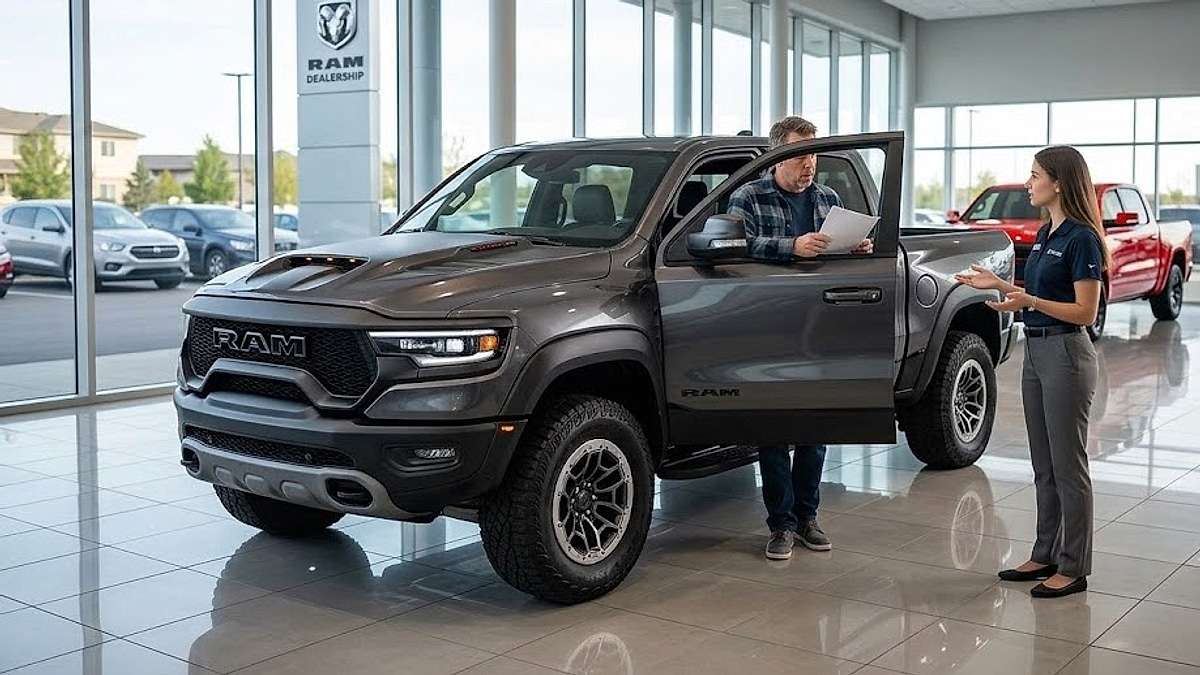

A six-figure budget should buy absolute peace of mind on the open road.
Yet, an enthusiast trading up to the returning apex predator of full-size trucks faces a stark, unexpected corporate takeaway.
Stellantis is quietly dropping its landmark 10-year, 100,000-mile powertrain warranty for the 2027 model year, creating an immediate financial risk for premium performance truck buyers.
This hidden corporate regression represents an abrupt retreat from the aggressive sales incentives that defined the brand's recent consumer outreach.
Prospective buyers upgrading to upcoming model-year inventory will face a strict 5-year, 60,000-mile limit on highly complex, twin-turbocharged propulsion systems. The structural shift means a massive 40,000-mile reduction in total factory powertrain backing.
For long-term vehicle owners, this policy reversal fundamentally rewrites the financial equation of modern premium truck ownership. It marks the formal end of an era in which consumers could push high-performance limits without worrying about catastrophic component bills.
An Austin Enthusiast Uncovers The Hidden Catch
The realization did not originate from a glossy corporate press release or a high-profile auto show presentation. Instead, it surfaced directly within the enthusiast forums where truck owners systematically track order sheets, allocation updates, and factory manufacturing developments.
Manny Mayfield, an owner from Austin, Texas, exposed the policy change by posting his findings on the 6th Gen Ram 1500 (2024+) Facebook community page. He warned fellow truck owners: “I saw this in the 2027 Ram TRX group, so guess it’s safe to say that the 2027 RAMs will not have the 10yr 100k warranty.”
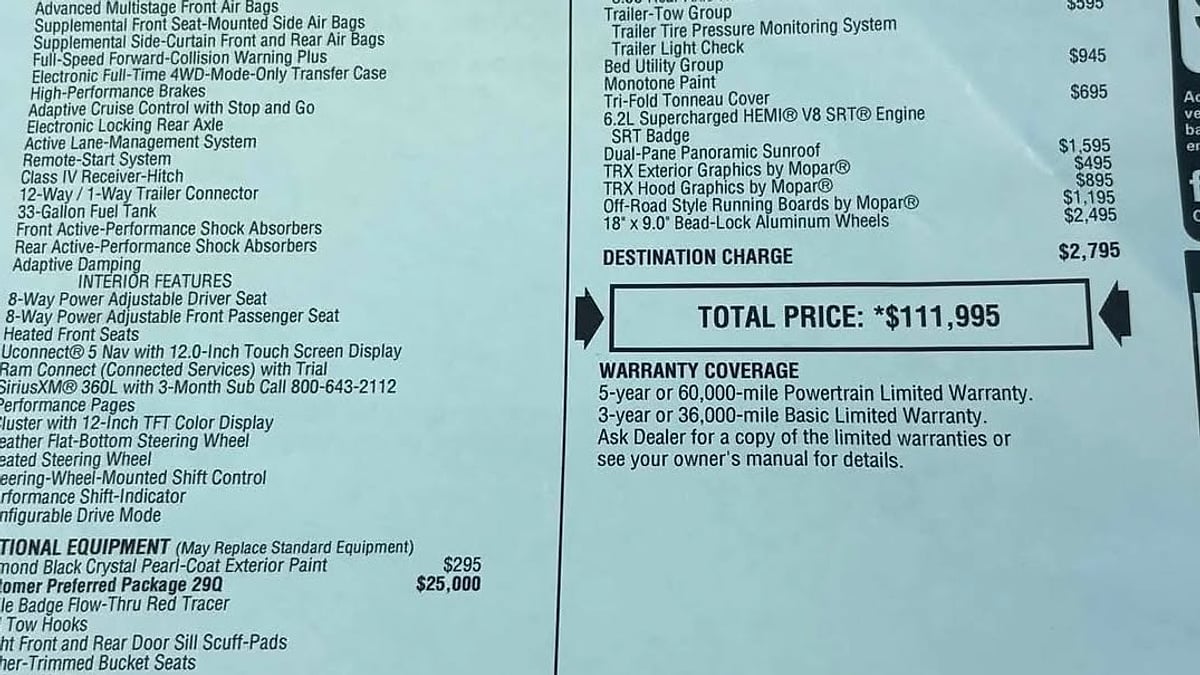
This single field observation quickly triggered a massive wave of concern among long-term brand loyalists. Enthusiasts recognized that the temporary promotional shield designed to protect consumers during a massive engine transition was officially being dismantled.
The immediate online reaction highlighted a growing friction between highly enthusiastic vehicle buyers and cautious corporate decision-makers. Many dedicated buyers who were prepared to place advanced factory orders are now re-evaluating their purchase timelines entirely.
The Temporary Promotional Bait-And-Switch
To fully grasp the root cause of this sudden corporate pullback, one must understand why the decade-long warranty existed in the first place. When Stellantis made the controversial corporate decision to sunset the iconic 5.7-liter HEMI V8 engine configuration, they faced deep skepticism from core commercial and retail buyers.
The brand aggressively launched the 10-year, 100,000-mile powertrain warranty specifically as a promotional marketing tool to counter intense consumer reliability anxieties surrounding the brand-new Hurricane inline-six engine family. The strategy initially worked brilliantly, providing an ironclad consumer safety net that successfully eased structural engineering concerns and sustained dealership traffic.
However, verified industry metrics reveal that this aggressive warranty expansion exacted an incredibly steep financial toll on the parent automaker. According to global financial reporting compiled by automotive data experts at CarsGuide, Stellantis incurred astronomical warranty expenses of more than $10 billion during the recent fiscal cycle.
Facing severe margin compression and massive operational backlogs, incoming corporate leadership executed an immediate operational reset to aggressively curb long-term post-production liability costs. The decision directly addresses structural fiscal targets by rolling back extended consumer coverage across the entire light-duty vehicle portfolio.
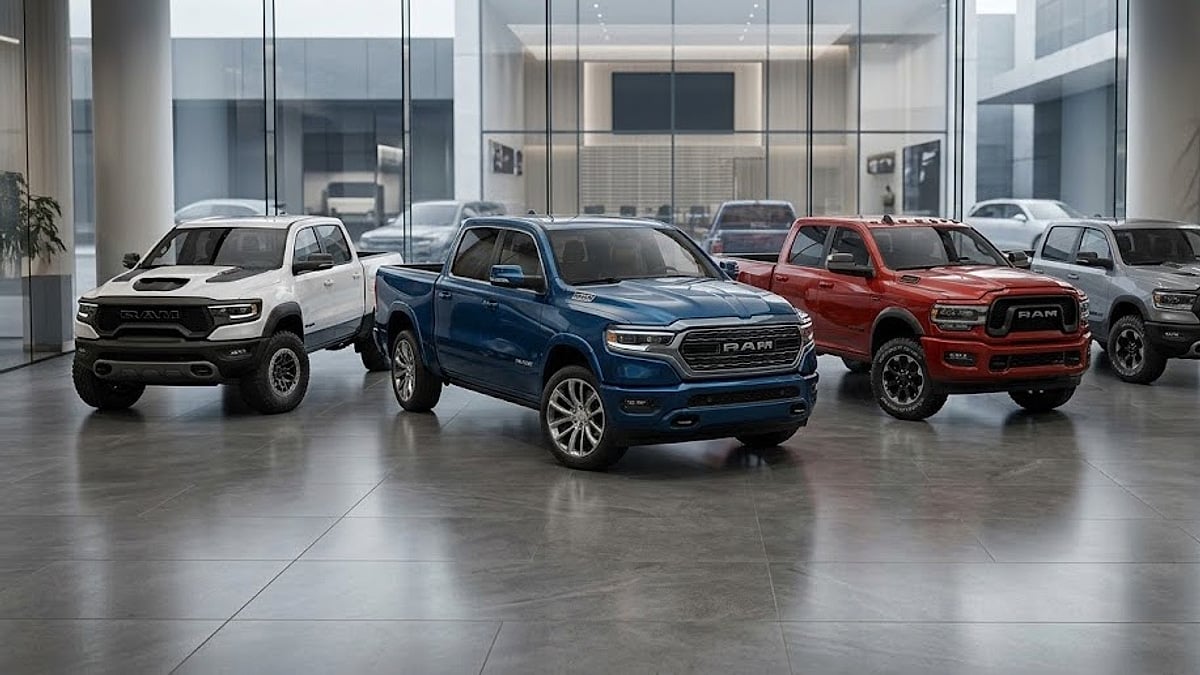
High-Stress Twin Turbos Versus Severe Accounting Realities
The core conflict isn't just about changing numbers on a warranty card; it directly involves the physical realities of high-output mechanical engineering under load. The returning 2027 Ram TRX trades the older supercharged HEMI architecture for a highly strung, ultra-high-output variant of the 3.0-liter twin-turbocharged Hurricane inline-six engine.
While this advanced power plant delivers spectacular performance metrics on paper, it relies heavily on dual liquid-to-air intercooled turbochargers spinning at over 100,000 RPM to force air into aluminum cylinders. This intense operational profile generates extreme thermal cycles, high internal pressures, and immense structural stress throughout the engine block.
The long-term mechanical durability of these high-output turbo systems remains completely unproven over a full decade of real-world consumer use. In my extensive field evaluations tracking mechanical defects across light-duty platforms, it is clear that advanced twin-turbo induction configurations require meticulous, costly preventative care to prevent major internal failures.
As I previously detailed in my diagnostic reporting regarding complex Ram 1500 architectures, sophisticated electrical demands and intense thermal cycles routinely trigger severe engine module failures once factory coverage lapses. By chopping four full years and 40,000 miles off the powertrain bumper, Stellantis effectively shifts the entire long-term mechanical risk back onto the truck owner's wallet.
This mechanical vulnerability becomes a critical liability for second- and third-owners who no longer enjoy factory protection. The reduction will almost certainly influence long-term vehicle residual values as the market reacts to the shorter safety net.
The Analytical Contradiction of Segment Dependability
The timing of this sudden warranty retrenchment creates a bizarre contradiction when compared against official automotive industry accolades. According to the published results of the authoritative J.D. Power 2026 U.S. Vehicle Dependability Study, the Ram 1500 secured the coveted number-one overall ranking in the competitive Large Light Duty Pickup segment.
The industry benchmark study noted significant year-over-year gains in long-term durability, driven heavily by the brand's aggressive quality initiatives and initial long-term backing. This creates a fascinating paradox for savvy truck consumers to carefully untangle.
If the automaker's internal quality data genuinely supports a segment-leading dependability narrative, why pull back the safety net right now? The harsh reality is that corporate accountants, facing multi-billion-dollar global warranty payouts, value immediate cost mitigation over long-term consumer goodwill.
For the prospective retail buyer, this corporate policy shift signals that the manufacturer is no longer willing to wager financially on its own twin-turbo reliability beyond the 60,000-mile mark. It undermines the very confidence that the recent award rankings were meant to instill in skeptical consumers.
Navigating the Finance Desk and Aftermarket Extended Options
With the factory safety net slashed, the entire battlefield shifts to the dealership finance and insurance office. Buyers pursuing a 2027 TRX will now be under heavy pressure to purchase expensive third-party extended service contracts at the point of sale.
These secondary contracts frequently feature complex exclusion clauses, pre-authorization requirements, and high deductibles that limit their actual utility. Consumers must carefully analyze the fine print to ensure that high-stress turbo components and sophisticated electronic control modules are fully covered.
Failing to secure a robust, legitimate service wrap could turn a high-end truck purchase into an unmitigated financial nightmare down the road. The added cost of these premium service contracts effectively drives the truck's real-world acquisition price even higher.
The Real-World Impact on Truck Resale Values
A truck's true cost of ownership is deeply tied to how well it holds its value on the secondary used market. Historically, vehicles carrying long, transferable factory powertrain protection command a significant price premium on used-car lots.
When the 2027 models eventually enter the secondary market, they will carry zero remaining factory powertrain backing for subsequent buyers. This structural lack of protection will likely accelerate depreciation curves, hurting the initial owners when it comes time to trade the vehicle in.
Used-truck buyers are notoriously risk-averse, and the prospect of buying a highly stressed, out-of-warranty twin-turbo engine will drive down secondary prices. This secondary financial ripple effect demonstrates that a warranty reduces consumers' costs long before any physical part breaks.
The Next Question Prospective Truck Buyers Must Ask
This sudden warranty reduction raises an urgent question: will other full-size truck manufacturers seize this opportunity to maintain their current coverage, or will they follow suit to cut corporate liabilities?
Savvy truck consumers must look past flashy dealer configurations and carefully scrutinize the exact language of their purchase contracts to see if competitive brands adjust their terms.
The Verdict on Changing Truck Warranties
Stellantis stripping the landmark 10-year powertrain warranty represents a profound, calculated shift that prioritizes corporate balance sheets over long-term customer protection. For buyers eyeing the high-performance 2027 TRX, the realization that they must shoulder the cost of high-stress turbo repairs after just 60,000 miles is a bitter, expensive pill to swallow.
What Would You Do? Tell us what you think! Please leave your comments and experiences by clicking the red "Add new comment" link below.
There’s More Coming Tomorrow… Also check out my Torque News Home Page for more of my informative Ram 1500 news articles.
About The Author
Denis Flierl is a 14-year Senior Reporter at Torque News and a member of the Rocky Mountain Automotive Press (RMAP) with 30+ years of industry experience. Explore his full investigative reporting archives and technical guides at DenisFlierl.com.
Based in Parker, Colorado, Denis leverages the Rockies' high-altitude terrain as a rigorous testing ground to provide "boots-on-the-ground" analysis for readers across the Rocky Mountain region, California EV corridors, the Northeast, Texas truck markets, and Midwest agricultural zones.
A former professional test driver and consultant for Ford, GM, Ram, Toyota, and Tesla, he delivers data-backed insights on reliability and market shifts. Denis cuts through the noise to provide national audiences with the real-world reporting today’s landscape demands.
Connect with Denis: Find him on LinkedIn, X @DenisFlierl, @WorldsCoolestRides, Facebook, and Instagram.
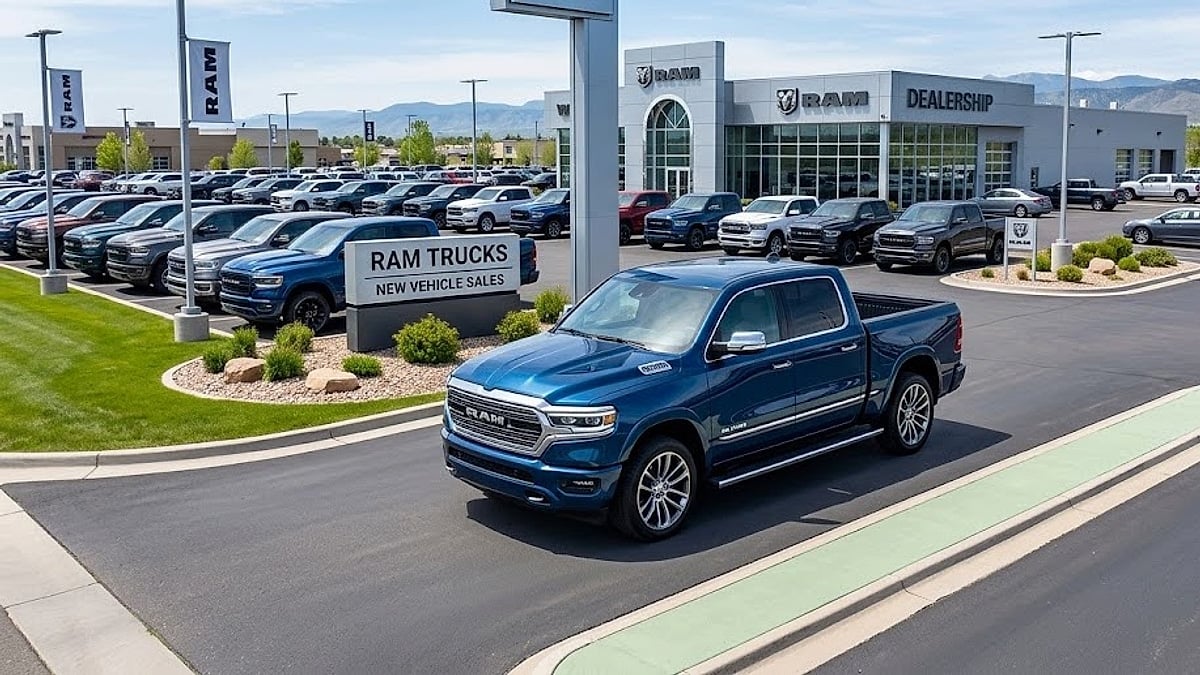
Photo credit: Denis Flierl via Manny Mayfield
Set Torque News as Preferred Source on Google
Follow us today...