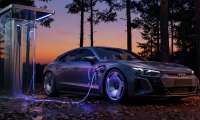

If you spend enough time analyzing the automotive sector, you begin to notice a predictable pendulum swing in consumer tastes and engineering mandates. As electric vehicles have essentially become the standard commuter appliance, you can easily spot the glaring inefficiency of the modern automotive market. It is the absolute dominance of the aerodynamically hostile SUV.
As we push deeper into the electrification era, automotive engineers are fighting a grueling battle against physics. In the internal combustion engine era, if consumers wanted a massive, boxy utility vehicle, automakers simply dropped a larger engine under the hood and bolted on a bigger gas tank. But in the EV world, batteries are profoundly heavy, highly expensive, and space-constrained. You cannot endlessly add battery cells to overcome wind resistance without ruining the vehicle's driving dynamics and pricing it out of the market. Range is the ultimate currency of the EV industry, and to maximize range, you must cheat the wind.
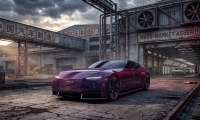
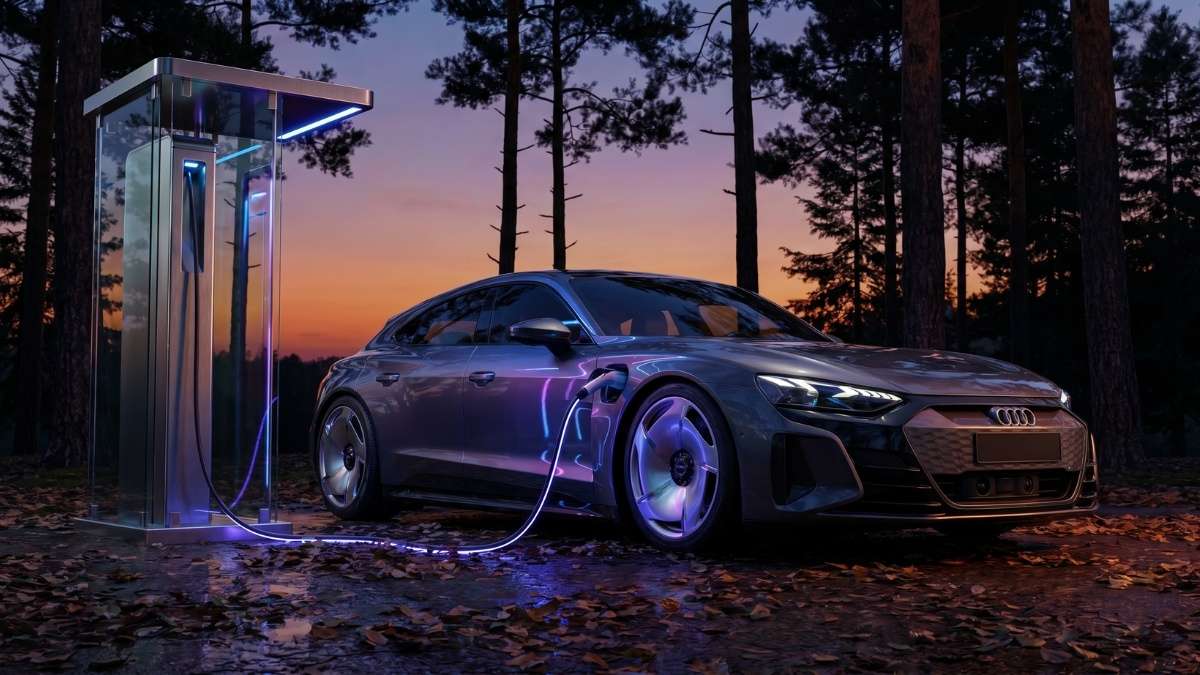
This inescapable physical reality is driving a fascinating design renaissance. Automakers are looking backward to move forward, leading to the rise of the swoopy, electric "shooting brake." This once-forgotten automotive configuration is re-emerging as the perfect compromise between the aerodynamics of a sports sedan and the cargo capacity of a crossover. But what exactly is a shooting brake, and why is it suddenly the darling of forward-thinking automotive designers?
The Origin and Evolution of the Shooting Brake
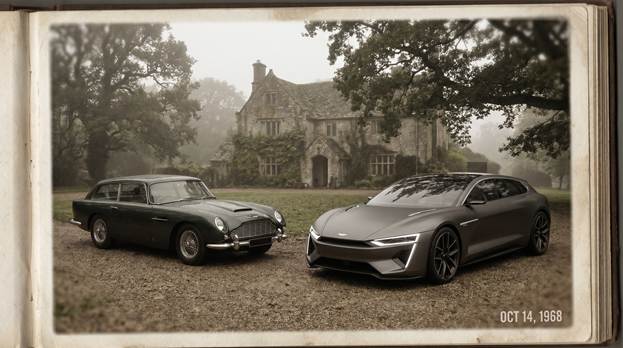
To understand the future, we have to understand the past. The term "shooting brake" originated in 19th-century Britain. A "brake" was originally a heavy carriage chassis used to break in spirited horses. Over time, these carriages were fitted with custom bodies that included longitudinal seating and storage space in the rear to carry wealthy gentlemen, their weapons, and their hunting dogs out for a "shoot." Hence, the shooting brake.
When the automotive era arrived, coachbuilders continued this tradition. In the 1960s, European aristocrats commissioned bespoke manufacturers to modify high-end sports cars - most famously the Aston Martin DB5 - into two-door estates so they could drive to the countryside without leaving their hunting dogs behind.
Over the decades, the definition softened. The legendary Volvo 1800ES of the 1970s and the polarizing BMW Z3 M Coupe (affectionately dubbed the "clown shoe") of the late 1990s cemented the modern idea of a shooting brake: a vehicle that prioritizes sleek, elongated, sports-car styling over maximum cubic utility, typically featuring a sloping roofline and a two-door (or streamlined four-door) configuration. It is the anti-minivan. It is a station wagon that went to the gym.
The Aerodynamic Imperative of the EV Era
So why is this aristocratic design making a comeback in the mid-2020s? The answer lies entirely in aerodynamic efficiency.
The total aerodynamic drag of a vehicle is calculated by multiplying its coefficient of drag ( ) by its frontal area. An SUV fundamentally fails on both metrics. It has a massive, blunt frontal area pushing through the air, and its squared-off rear creates a low-pressure wake that physically pulls the vehicle backward at highway speeds.
Electric vehicles are hyper-sensitive to this. At 70 miles per hour, the vast majority of an EV's battery energy is spent simply moving air out of the way. If you want an EV to achieve 400 miles of range without requiring an excessively heavy battery pack, the vehicle must be low to the ground and feature a teardrop-like rear profile to let the air smoothly reattach as it leaves the car.
The shooting brake is the ultimate aerodynamic hack. By extending the roofline backward but keeping it low and sloping, engineers give consumers the cargo floor space they demand for groceries, strollers, and weekend gear, while maintaining the minimal frontal area and slick of a sports sedan. It is the exact point where maximum aerodynamic efficiency intersects with acceptable daily utility.
Who is Building the Modern EV Shooting Brake?
The luxury European and aggressive Chinese automakers are leading this charge, recognizing that their premium buyers are experiencing "SUV fatigue" and want something that stands out while delivering superior electric range.
Porsche arguably kickstarted the modern EV shooting brake movement with the Taycan Sport Turismo and Cross Turismo models, proving that a long-roof EV could be a massive sales success. But the real wave is hitting the market now, targeting the mid-premium segment.
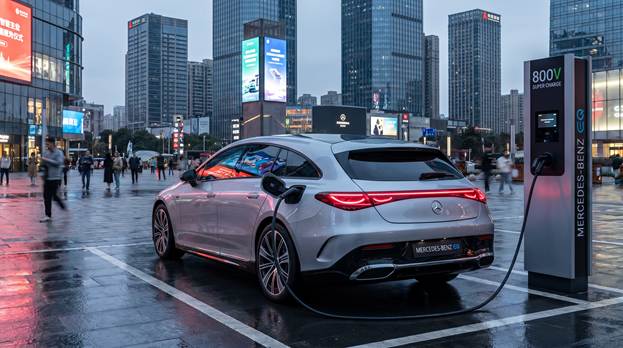
Mercedes-Benz has fully embraced this philosophy with its 2026 CLA Shooting Brake. The German automaker recognized that to get maximum efficiency from its new electric architecture, a streamlined estate was necessary. The new CLA Electric Shooting Brake features a remarkably sleek roofline and a steeply angled tailgate. By prioritizing aerodynamics, Mercedes was able to extract incredible efficiency from the platform. Using an 800-volt direct current charging system and an 85 kWh usable battery, the CLA 250+ Shooting Brake boasts a stunning WLTP electrical range of up to 465 miles (748 km). This allows the vehicle to add up to 200 miles of range in just 10 minutes of fast charging, effectively neutralizing range anxiety.
Meanwhile, Chinese automakers are utilizing the shooting brake to signal high-tech dominance. Chery’s premium Exeed brand recently patented the "Liefeng" shooting brake concept in India. This vehicle is reportedly designed around a solid-state battery capable of a 1,500km range and an 800V architecture that can sprint from 0-100km/h in under three seconds. By wrapping this next-generation solid-state technology in a shooting brake body, Chery is maximizing the aerodynamic benefits of the form factor to achieve headline-grabbing range numbers.
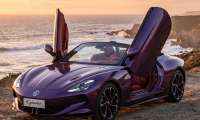
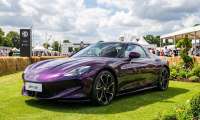
Even legacy brands undergoing electric reinvention are pivoting to this design. As detailed by EV Central, MG reveals large and sporty electric concept: the Cyber is shaping as a cut-price Ferrari Purosangue and BMW X5 rival. This illustrates how automakers are blending the low-slung shooting brake ethos with crossover dimensions to create a new breed of highly desirable, aerodynamically efficient luxury vehicles.
Will the Shooting Brake Remain a Niche Market?
The persistent question among automotive executives is whether the shooting brake can ever break out of its premium niche, particularly in the SUV-obsessed United States. Historically, American buyers have shunned station wagons, associating them with the wood-paneled land yachts of the 1970s and 1980s.
In the short term, the true, low-slung EV shooting brake will likely remain a lucrative niche. It will be the "halo" vehicle for urban professionals, tech executives, and automotive enthusiasts who actively want to differentiate themselves from the sea of ubiquitous, egg-shaped electric crossovers in the company parking lot.
However, the definition of a "niche" is changing. In a fragmented automotive market where personalization is highly valued, capturing 5% to 10% of the premium EV market with a high-margin shooting brake is a massive financial win for companies like Mercedes-Benz, Porsche, and Audi. The shooting brake doesn't need to outsell the Tesla Model Y to be a resounding success; it simply needs to capture the high-end demographic that prioritizes driving dynamics, staggering range, and bespoke aesthetics.
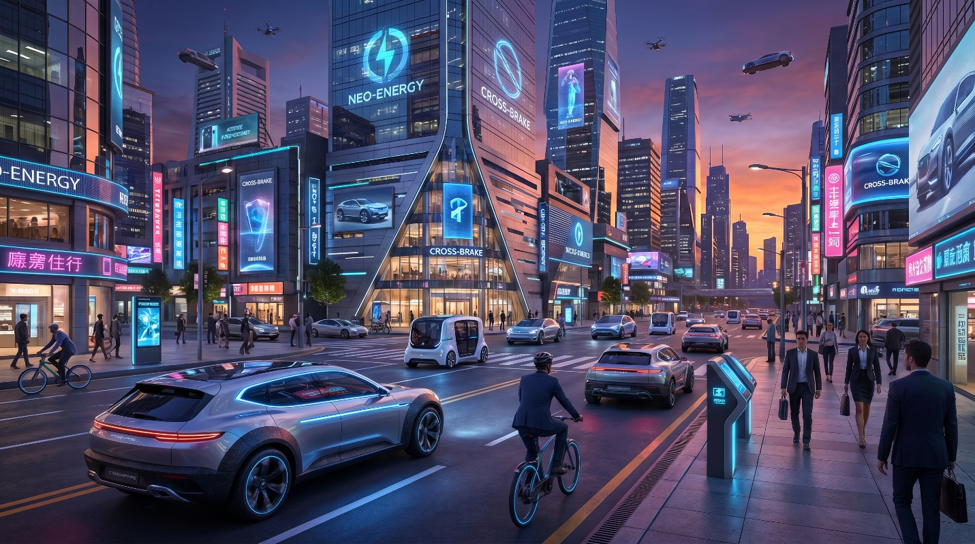
The 2030s: How the EV Consumer Market Will Evolve
If we look ahead to the 2030s, the broader consumer market is going to undergo a forced evolution driven by regulatory efficiency mandates and battery economics.
Currently, automakers are brute-forcing EV SUVs into existence by stuffing them with massive 100+ kWh battery packs. But as raw material costs fluctuate and consumers demand faster charging and longer ranges without paying six-figure prices, the industry will have to compromise.
By the 2030s, the most popular configuration of an EV will likely be what I call the "Cross-Brake." We are going to see a flattening of the traditional SUV. To meet strict efficiency targets, the rooflines of crossovers will drop, their ground clearance will be optimized by active air suspension, and their rear ends will elongate into aggressive teardrop shapes.
Vehicles that we currently classify as crossovers will become functionally indistinguishable from lifted shooting brakes. We are already seeing the genesis of this trend with vehicles like the Polestar 4, which removed the rear window entirely on its initial coupe release to push the rear roofline back for maximum aerodynamics and rear passenger headroom.
Will the traditional, sports-car-based "shooting brake" concept survive? Absolutely. In fact, it will flourish because its core design philosophy—aerodynamics over maximum boxy utility - is exactly what the physics of electric propulsion demands. The market will eventually realize that you don't need a vehicle with the aerodynamic profile of a brick to carry a weekend's worth of luggage.
Wrapping Up
The automotive industry is often defined by its compromises, but the resurrection of the electric shooting brake represents a rare win-win scenario for both engineers and driving enthusiasts. As we transition to a world where battery efficiency dictates automotive design, the bloated, aerodynamically disastrous SUVs of the early 2020s will give way to smarter, sleeker forms. Models like the 2026 Mercedes-Benz CLA Shooting Brake and the upcoming innovations from Chinese manufacturers prove that you can achieve breathtaking electric range without sacrificing utility. The shooting brake is no longer just a bespoke toy for 20th-century British aristocrats; it is a highly calculated, aerodynamically vital weapon in the 21st-century electric range wars.
Disclosure: Images rendered by Artlist.io
Rob Enderle is a technology analyst at Torque News who covers automotive technology and battery developments. You can learn more about Rob on Wikipedia and follow his articles on TechNewsWord, TGDaily, and TechSpective.
Set Torque News as Preferred Source on Google
Follow us today...