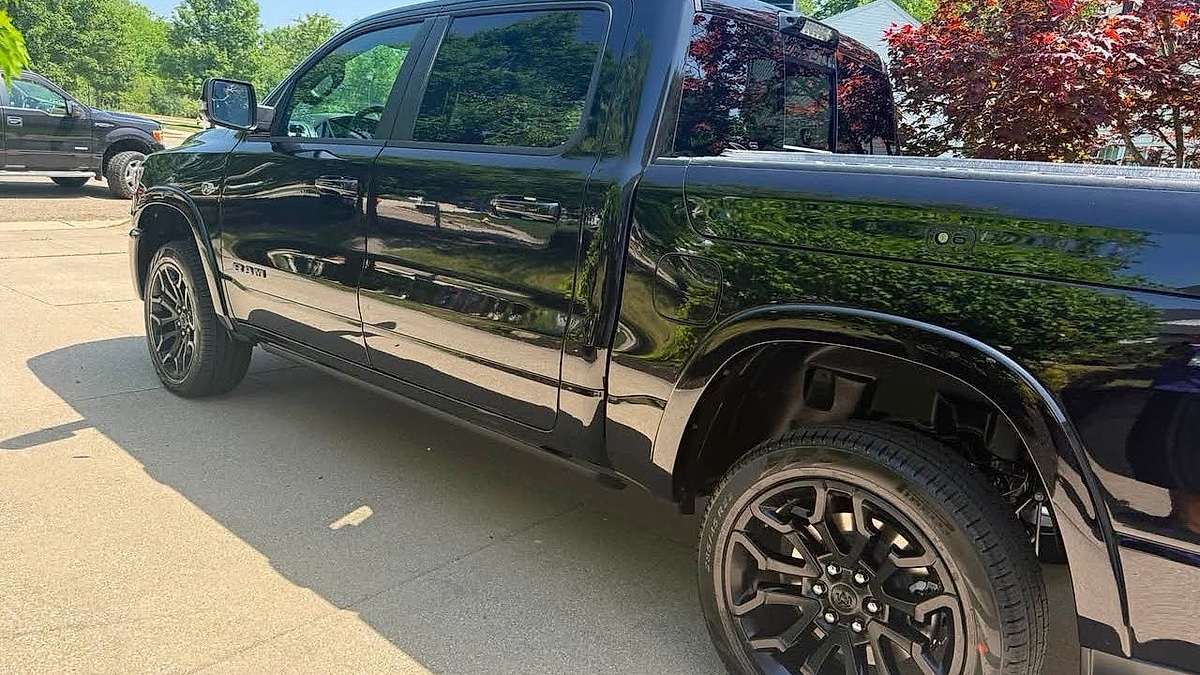

He literally ditched his high-tech, highly praised $75,000 hybrid engine for one simple reason.
He didn't give a damn about corporate marketing claims that downsized multi-turbo powerplants were superior on paper.
He just wanted a full-size pickup truck that didn’t sound like a glorified industrial vacuum cleaner every time he stepped on the gas pedal.
The stunning reality of the 2026 truck market came crashing down on social media when Cleveland, Ohio, resident Daniel J. Brinson II posted a blunt update to the 6th-Generation Ram Facebook community.
He shared: "Just traded in my 2023 Toyota Tundra hybrid for the 2026 Ram Limited V-8. Yes, I know the Hurricane has more power, but I like the “bark”. New to this group but I’m happy with my first Ram (2 days in)."
Behind this simple transaction lies a massive, uncovered consumer rebellion that the mainstream automotive media completely ignores. As corporate averages squeeze cylinders out of existence, truck buyers are quietly suffering from a deep psychological sense of buyer's remorse over sterile exhaust notes.
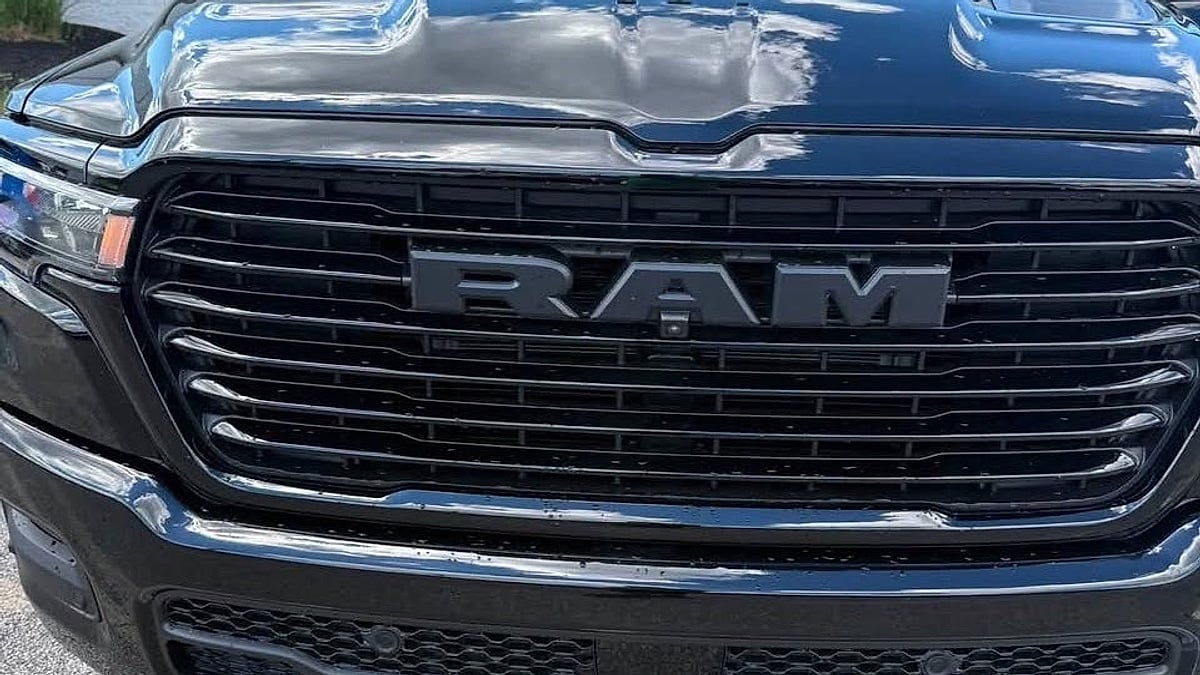
The Acoustic Vacuum of Modern Turbocharging
For decades, the defining characteristic of a premium American pickup truck was the low-frequency rumble of a naturally aspirated V8 engine.
When manufacturers pivoted en masse to twin-turbocharged V6 and inline-6 powerplants to appease tightening emissions mandates, they overlooked the acoustic physics of a turbo housing.
A turbocharger is, by its very design, a highly effective muffler.
As exhaust pulses exit the cylinder head, they are immediately chopped, compressed, and smoothed by the turbine wheel spinning at over 200,000 RPM. This process destroys the jagged, uneven exhaust pulses that give a traditional pushrod V8 its throatier, mechanical cadence.
The result is a highly efficient but clinical hum that many lifelong truck enthusiasts find entirely soul-crushing.
According to a long-term powertrain report by The Drive, Ram’s decision to bring back the 5.7L Hemi V8 for the 2026 model year was driven purely by intense consumer pushback against sterile exhaust tones, even though the V8 makes less power and gets worse fuel mileage than the brand's newer twin-turbo Hurricane straight-six.
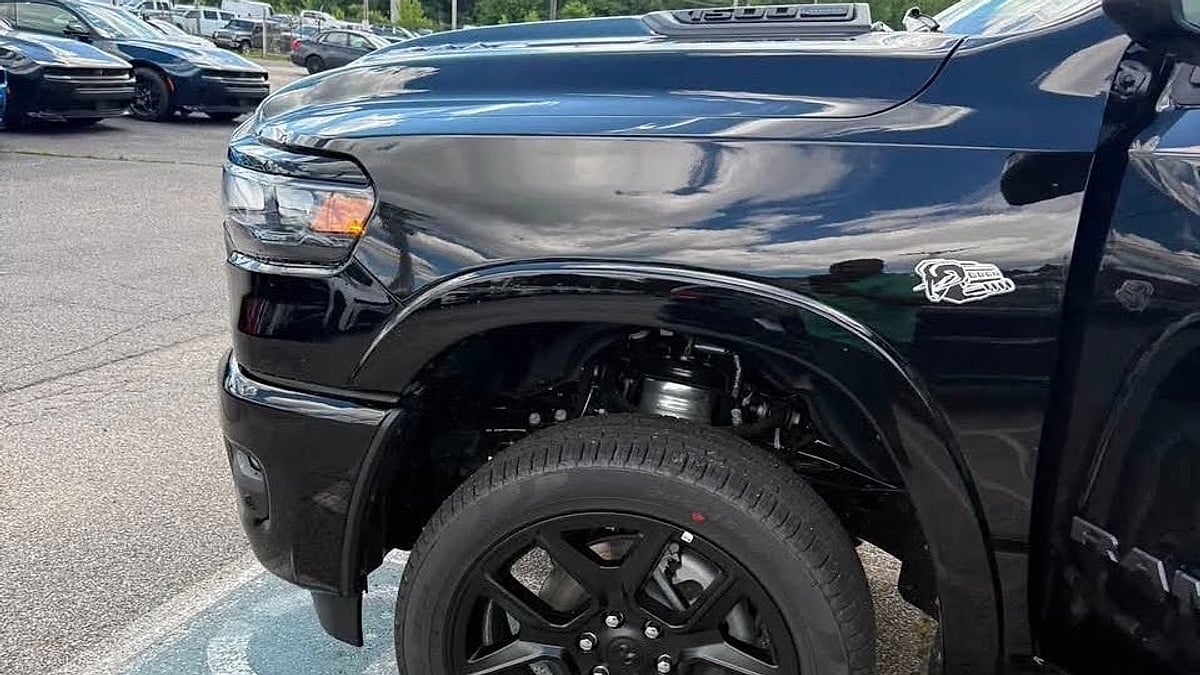
Main Bearings and Muted Tones
The dissatisfaction isn't just about sound; it's deeply tied to an ongoing crisis of mechanical trust.
Buyers who spent upwards of $75,000 on high-tech, small-displacement twin-turbo trucks are finding themselves trapped in a cycle of catastrophic engine recalls and complex plumbing failures.
The third-generation Toyota Tundra’s 3.4-liter twin-turbo V6 platform has faced intense national scrutiny regarding sub-surface manufacturing swarf and main bearing longevity.
This exact operational limit is why I noted in my forensic breakdown of the Toyota Tundra Recall Expansion that high-altitude towing cycles allow superheated, fuel-diluted oil to circulate through highly stressed bearing surfaces, stripping away vital hydrodynamic protection. When you lose that protective fluid barrier under sustained boost, a catastrophic engine lockup is often the immediate result.
When a truck purist feels an engine hunting for gears and hears nothing but a whistling turbo, every minor mechanical tick triggers a wave of anxiety.
Swapping back to a naturally aspirated V8 provides a sense of predictable, old-school reliability that an automated, high-voltage battery pack simply cannot replicate.
High-Altitude Realities and the Colorado Variable
This structural vulnerability scales up exponentially when you leave flat sea-level states like Ohio and head into high-altitude territory. In my 30 years of mechanical forensic analysis in the Rocky Mountains, I have watched downsized turbocharged engines endure extreme thermal stress on regional test routes such as Vail Pass and the Eisenhower Tunnel.
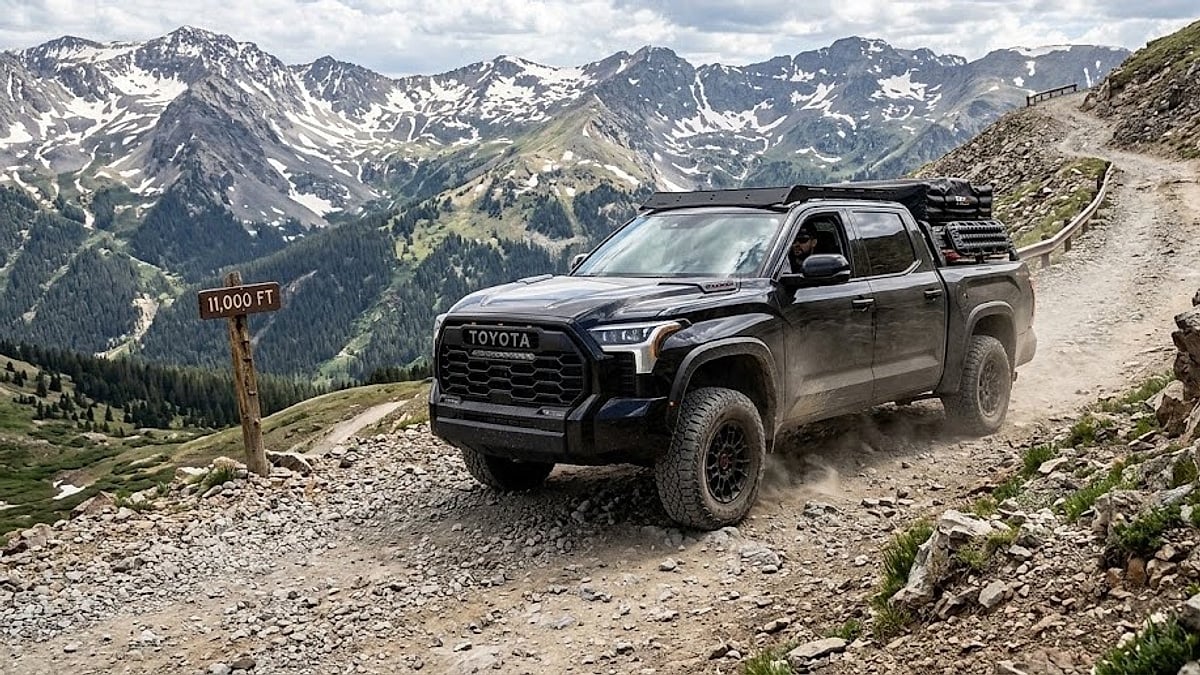
Climbing a steep mountain grade at 11,000 feet forces a twin-turbocharged hybrid setup to maintain maximum boost pressure for miles on end, driving internal engine temperatures to dangerous levels.
To combat this heat, factory calibration units dump excess fuel into the combustion chamber, which inadvertently washes down the cylinder walls and dilutes the engine oil.
As documented in my tracking of the Modern Full-Size Truck Engine Crisis, ultra-low 0W-20 viscosity factory oil recommendations completely lose their load-bearing capacity under these localized high-temperature, high-stress conditions.
A traditional, naturally aspirated engine running a more robust, stable film thickness doesn't suffer from these volatile turbocharger temperature spikes, making it far more resilient over a lifetime of mountain use.
The True Cost of Freedom Noises
Ram recognized this undercurrent of owner dissatisfaction and made a calculated, highly lucrative business move for 2026.
They did not just quietly slide the V8 back onto the options sheet; they paired it with a standard performance exhaust system specifically designed to bark aggressively on every single cold start.
It is a polarizing setup that prioritizes auditory feedback over raw efficiency data. A comprehensive consumer report by Gillman Automotive Group confirms that checking the box for the V8 package, rather than the standard forced-induction engines, adds an upfront financial premium while reducing overall fuel economy.
Yet, buyers like Daniel Brinson are happily cutting those checks because a truck that feels like a science project on paper often fails to satisfy the driver in the real world.
Next Question: Can an Aftermarket Exhaust Fix a Turbo's Sound?
The immediate question many truck owners ask is whether they can simply install a loud aftermarket cat-back exhaust system on a twin-turbo engine to mimic that classic V8 rumble. The hard mechanical answer is no.
While a high-flow exhaust system can increase the absolute volume of a six-cylinder turbocharged
engine, it cannot alter the physical firing order of the pistons. Slapping a straight-through muffler on a turbo truck typically results in a raspy, unrefined drone at highway cruising speeds rather than a deep, rhythmic bark. For owners who refuse to compromise on exhaust character, there is still no replacement for actual engine displacement.
Why Mechanical Soul Beats Paper Performance
The modern truck segment has entered an era where raw digital performance statistics are entirely disconnected from the actual consumer ownership experience. Daniel Brinson's two-day trade-in proves that when a driver spends premium luxury money on a top-tier truck like a Ram Limited, the visceral emotional feedback of the powertrain matters far more than corporate marketing sheets.
It’s Your Turn: Would you trade away a modern, high-horsepower twin-turbo hybrid engine just to get the traditional exhaust note of a V8 back in your driveway? Tell us what you think in the comments section below.
Please leave a comment in the red "Add new comment" link below to join the conversation.
Wait, There’s More Coming Tomorrow… Check out my Torque News Home Page for more of my informative Ram news articles.
About The Author
Denis Flierl is a 14-year Senior Reporter at Torque News and a member of the Rocky Mountain Automotive Press (RMAP) with 30+ years of industry experience. Explore his full investigative reporting archives and technical guides at DenisFlierl.com.
Based in Parker, Colorado, Denis leverages the Rockies' high-altitude terrain as a rigorous testing ground to provide "boots-on-the-ground" analysis for readers across the Rocky Mountain region, California EV corridors, the Northeast, Texas truck markets, and Midwest agricultural zones.
A former professional test driver and consultant for Ford, GM, Ram, Toyota, and Tesla, he delivers data-backed insights on reliability and market shifts. Denis cuts through the noise to provide national audiences with the real-world reporting today’s landscape demands.
Connect with Denis: Find him on LinkedIn, X @DenisFlierl, @WorldsCoolestRides, Facebook, and Instagram.
Photo credit: Denis Flierl via Daniel J Brinson II
Set Torque News as Preferred Source on Google
Follow us today...