
Truck loyalty vanishes the moment a complex drivetrain leaves a bitter taste in your mouth.
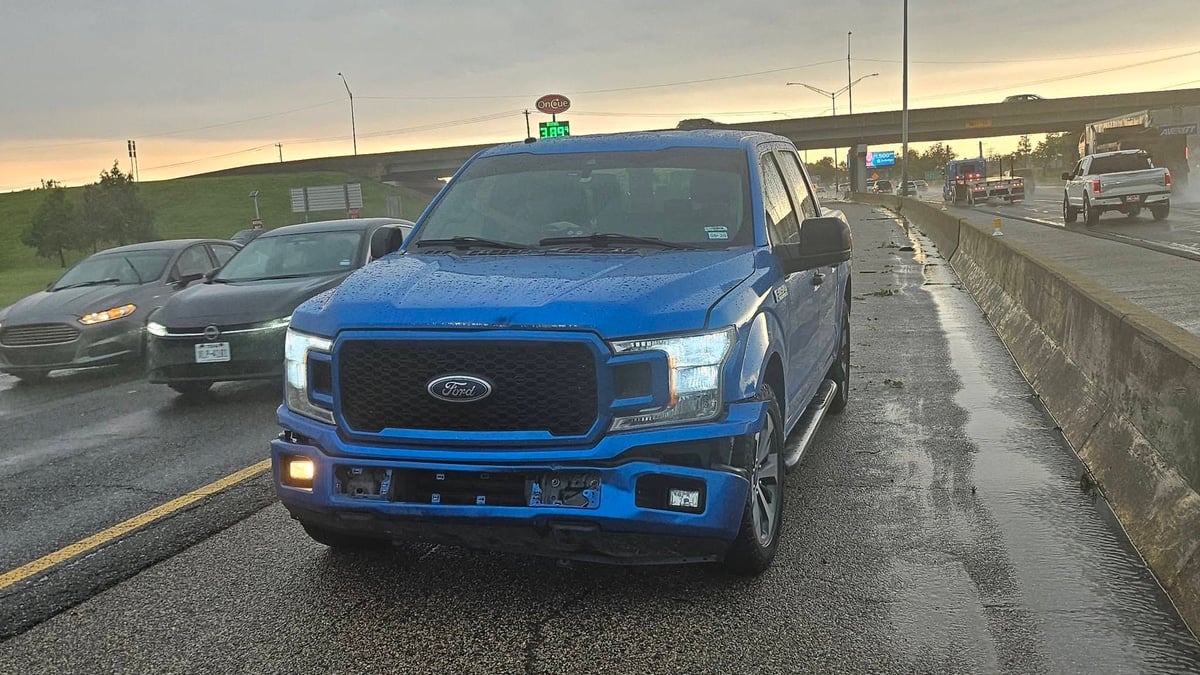
When a veteran Ford F-150 owner had his 2.7L EcoBoost pickup totaled, he did not head back to the blue-oval dealership for a replacement.
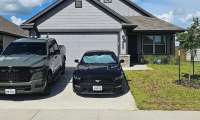
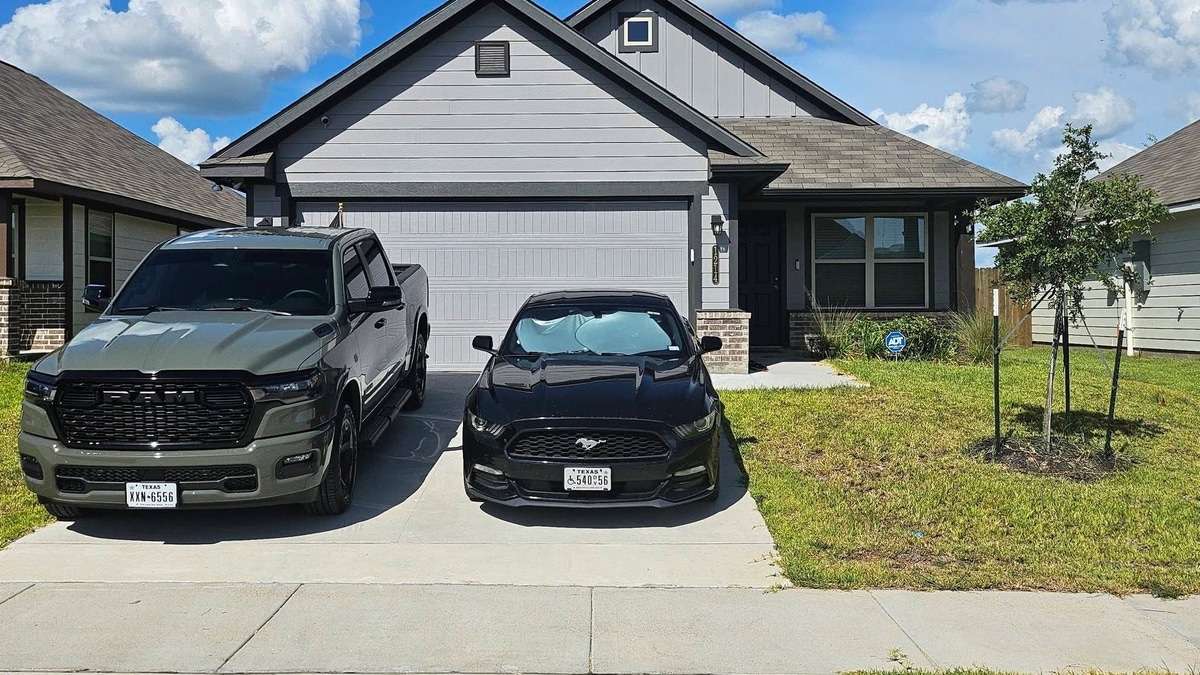
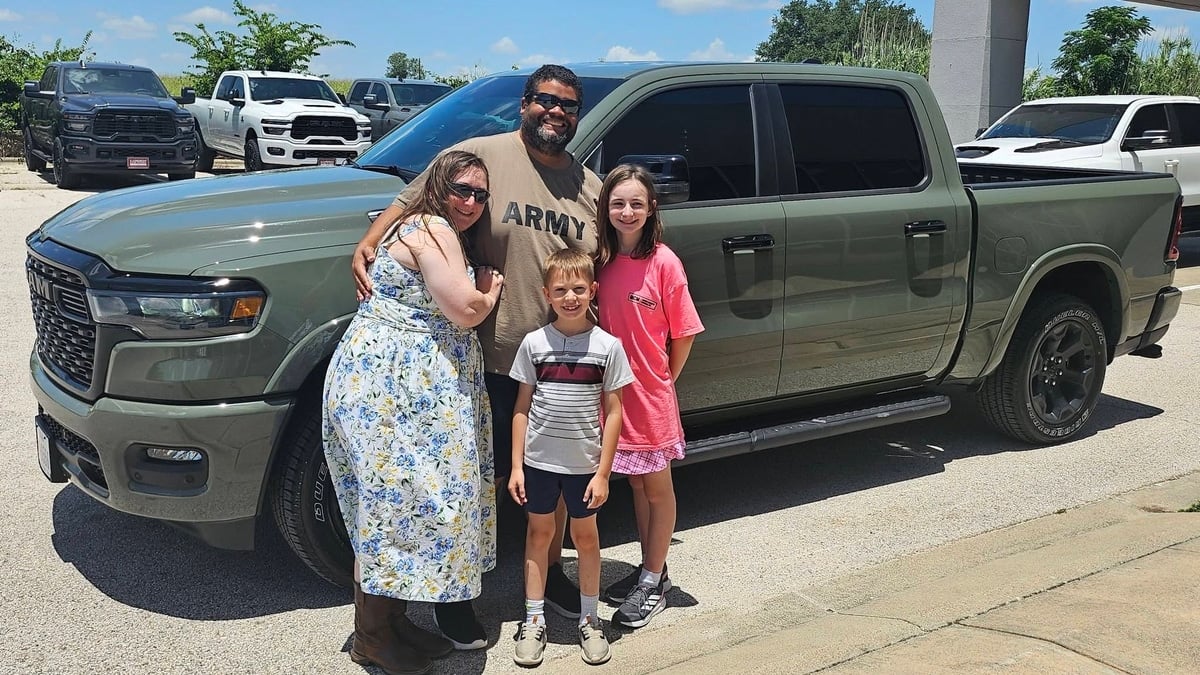
Instead, he took his insurance payout and immediately bought a 2026 Ram 1500 Hemi, walking away with zero positive words for Ford's 10-speed transmission architecture.
The Social Media Divorce
The shift became public when the owner, Steven Ryan Smith from Texas, posted a blunt farewell message to a popular online truck community.
"Well gents, it was real, and it was fun, but usually not at the same time," Smith wrote on the Ford F-150 Owners Facebook page. "My Ford F-150 got totaled out, and I went back to a Ram Hemi; I have nothing positive to say about the F-150 2.7L engine or transmission, though it did get us home 500 miles away. I did consider a 2026 5.0L F-150, but it came down to the deal on a 2026 Ram 1500 Hemi; however, I still have my Ford Mustang!"
This consumer defection highlights an ongoing industry issue that standard media summaries often miss. While factory marketing emphasizes laboratory fuel efficiency, real-world utility tells a vastly different story about modern transmission behavior and engine pairing.
According to comprehensive industry data from J.D. Power, owner complaints about modern multi-speed transmission shifting logic and gear hunting have risen sharply as brands chase fractional fuel economy gains.
The Hidden Story Behind Ford’s 10-Speed Hydraulic Realities
The core issue driving owners away from the 2.7L EcoBoost platform rarely stems from the engine block itself, which features a rugged compacted graphite iron design. Instead, the bottleneck lies entirely inside the 10R80 10-speed automatic transmission. This gearbox relies heavily on complex adaptive learning software that constantly adjusts internal hydraulic line pressure to match individual driving habits.
In practice, this programming can trigger abrupt shifts, unexpected hesitation, and severe gear hunting when navigating changing terrain.
As noted in an automotive safety analysis published by the National Highway Traffic Safety Administration (NHTSA), investigators have closely monitored thousands of consumer complaints detailing harsh downshifts and structural wear within modern multi-speed light-truck gearboxes.
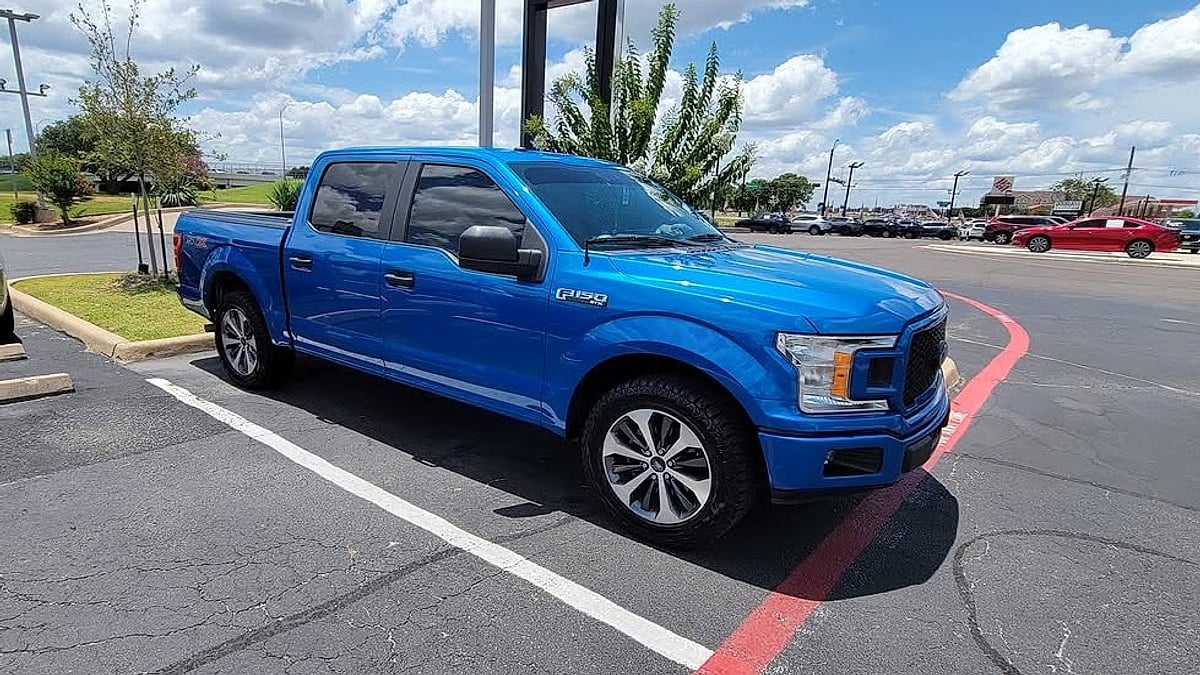
When an owner drives a truck through severe elevation changes or hauling cycles, the 10R80 frequently cycles between its top three overdrive gears to stay within a narrow efficiency window.
This constant mechanical cycling creates localized thermal spikes that degrade the transmission fluid long before the factory service interval arrives.
In my previous investigative work, I uncovered how these initial hydraulic hesitations can mask deeper mechanical wear points. As detailed in the report "Why a 2026 Ford F-150's 10-Spd Failed at 106 Miles," even ultra-low-mileage assemblies are highly susceptible to sudden pressure drops if the internal adaptive learning curve encounters software-to-hardware disagreements.
High-Altitude Realities and the Colorado Fuel Penalty
This mechanical friction is significantly amplified when operating in high-altitude environments such as the Rocky Mountain region.
Testing vehicles along the steep inclines of I-70 out of Denver reveals exactly why downsized turbocharged engines face unique obstacles. At high elevations, a small-displacement turbocharger must spin at maximum velocity to compensate for thin atmospheric air, forcing the engine control module to inject a rich fuel mixture to control combustion temperatures.
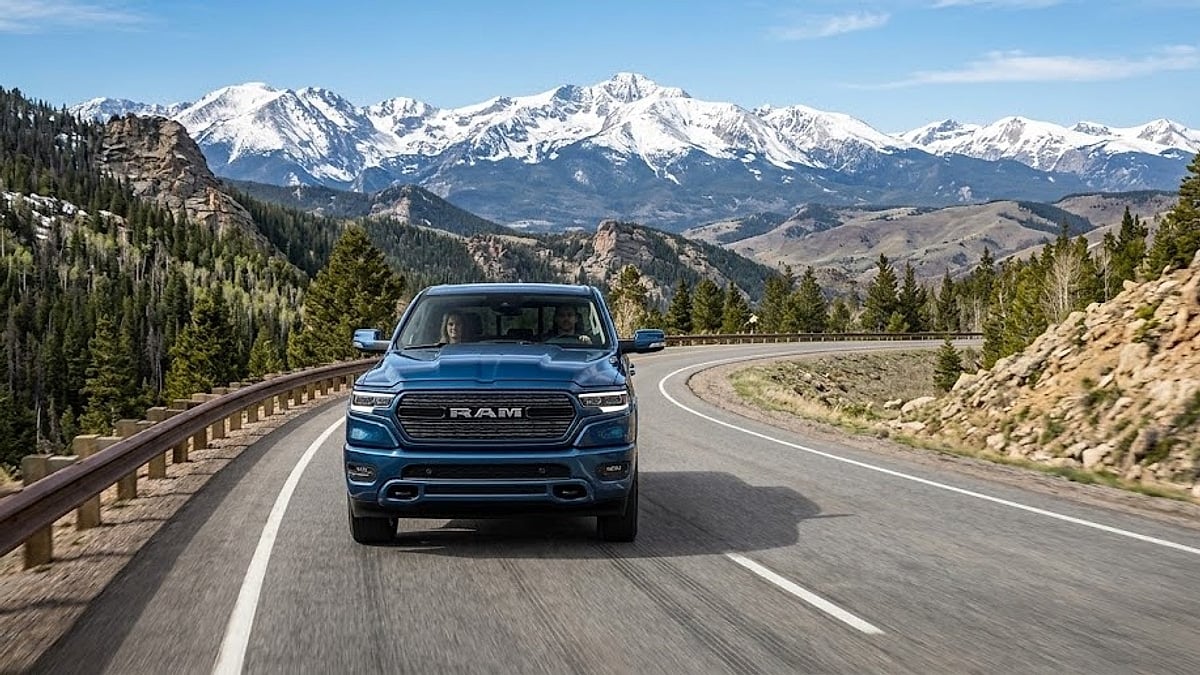
This operational reality completely erases the fuel economy benefits displayed on the factory window sticker.
As I thoroughly analyzed in 2025 Ford F-150 2.7L Owner Reports 15 MPG: Why This Denver Commute Is Killing the EPA Rating, a small engine operating under continuous boost in elevated or high-idle environments often drops to single-digit efficiency metrics, delivering real-world utility that mirrors a much larger V8 engine without any of the linear power delivery.
When you couple that aggressive turbo scheduling with a transmission that hunts through 10 separate forward gear ratios, the driving experience becomes frantic.
The truck continuously shifts gears to maintain momentum, creating a disjointed power-delivery curve that frustrates traditional truck owners accustomed to a steady, predictable throttle response.
Financial Incentives Are The Difference
This real-world frustration explains why the owner completely bypassed Ford’s naturally aspirated 5.0L Coyote V8 upgrade option when shopping for a replacement vehicle.
Dealership lot dynamics played a massive role, as aggressive incentives on the newly available 2026 Ram 1500 Hemi fleet made the financial transition painless.
Stellantis quietly brought back the non-hybrid 5.7L Hemi V8 layout for specific production cycles following intense pushback from traditional commercial buyers and private fleet managers who were hesitant to accept the complexity of the twin-turbo Hurricane inline-six platform.
By pairing the classic, naturally aspirated V8 with the highly stable TorqueFlite ZF 8-speed automatic transmission, Ram offered a mechanical sanctuary for buyers weary of shifting inconsistencies. The ZF 8-speed utilizes a mature hydraulic mapping system that avoids the erratic gear hunting common to newer 10-speed designs, prioritizing smooth torque multiplication over aggressive, software-driven fuel-saving logic.
Ultimately, the choice came down to predictability over complexity. While the owner maintained his brand loyalty via his Mustang sports car, his daily workhorse required an entirely different level of mechanical transparency.
The Next Logical Step for Truck Shoppers
Will the return of the non-hybrid Hemi V8 protect truck owners from rapid depreciation as the rest of the industry pivots toward complex turbos?
Early wholesale remarketing trends indicate that naturally aspirated V8 half-ton pickups are commanding a significant pricing premium on the secondary market. Buyers are actively seeking out simplified drivetrain architectures to avoid expensive, post-warranty repair bills associated with high-pressure turbo components and multi-speed valve bodies.
If long-term durability is your primary goal, securing a proven powertrain configuration before factory production lines transition entirely to smaller, high-boost configurations remains the smartest financial defensive move.
In The End
Powertrain durability is largely determined by early thermal stabilization and hydraulic simplicity, rather than by marketing promises. While downsized turbo configurations look excellent on federal testing cycles, real-world utility requires a cohesive bond between the engine's torque curve and the transmission's shift logic.
How About You? Which powertrain philosophy would you trust with your hard-earned money if your primary tow vehicle were suddenly written off by your insurer? Tell us what you think and leave a comment in the red "Add new comment" link below.
Wait, There’s More Coming… Also check out my Torque News Home Page for more of my informative Ram 1500 news articles.
About The Author
Denis Flierl is a 14-year Senior Reporter at Torque News and a member of the Rocky Mountain Automotive Press (RMAP) with 30+ years of industry experience. Explore his full investigative reporting archives and technical guides at DenisFlierl.com.
Based in Parker, Colorado, Denis leverages the Rockies' high-altitude terrain as a rigorous testing ground to provide "boots-on-the-ground" analysis for readers across the Rocky Mountain region, California EV corridors, the Northeast, Texas truck markets, and Midwest agricultural zones.
A former professional test driver and consultant for Ford, GM, Ram, Toyota, and Tesla, he delivers data-backed insights on reliability and market shifts. Denis cuts through the noise to provide national audiences with the real-world reporting today’s landscape demands.
Connect with Denis: Find him on LinkedIn, X @DenisFlierl, @WorldsCoolestRides, Facebook, and Instagram.
Photo credit: Denis Flierl via Steven Ryan Smith
Set Torque News as Preferred Source on Google
Follow us today...